As the holiday shopping season accelerates and consumers increasingly turn to electronics to fulfill their festive gift lists, major consumer technology manufacturers are rolling out their flagship hardware releases to capture market share. From health and fitness tracking ecosystems to high-end home-theater components and smart-home security systems, the holiday technology landscape for this year is defined by a distinct push toward seamless integration, user wellness, and distraction-free design. Retailers such as Best Buy have positioned themselves at the epicenter of this seasonal rush, offering curated product lineups alongside subscription-based incentive plans designed to ease the financial burden of holiday purchasing.
The trajectory of the consumer electronics market during the fourth-quarter holiday period has historically accounted for a significant portion of annual hardware sales. According to recent retail analytics data from consumer research firms, technology gifts consistently rank among the most sought-after categories, rivaling apparel and traditional home goods. This year, manufacturers have responded to shifting consumer preferences by refining existing product categories. Rather than introducing radical, unproven form factors, leading brands have chosen to optimize usability, enhance audio fidelity, and streamline health tracking, ensuring that their devices integrate effortlessly into the modern digital lifestyle.
Chronological Evolution of the Holiday Tech Market

The run-up to the current holiday shopping season began in earnest during the late summer and early autumn months, when primary industry players announced their hardware roadmaps. In September, fitness technology leader Google Fitbit unveiled its latest generation of wellness devices, focusing heavily on minimalist form factors. By addressing consumer fatigue associated with notification-heavy smartwatches, the company targeted a growing demographic of users seeking continuous health data without the cognitive overhead of a brightly lit wrist-mounted screen.
Concurrently, audio engineering specialists such as Shokz rolled out advanced iterations of their open-ear listening devices throughout October. Designed primarily for active consumers, these releases capitalized on the rising popularity of outdoor endurance sports, offering bone-conduction and open-acoustic technology that prioritizes situational awareness alongside high-fidelity audio reproduction.
In the home audio and entertainment sector, legacy brand Bose made significant waves by announcing the expansion of its product architecture. By deploying the new Lifestyle Ultra range, Bose signaled a re-entry into comprehensive multiroom Wi-Fi audio and sophisticated home-theater solutions. These product rollouts set the stage for major retail promotional events, culminating in early November price adjustments and pre-Black Friday sales campaigns designed to capture early-bird shoppers.
Detailed Breakdown of Featured Holiday Tech Essentials

To navigate the expansive offerings currently available on the market, industry analysts and product reviewers have highlighted several standout devices across distinct categories, balancing performance, user experience, and value.
Shokz OpenFit Pro Open-Ear Earbuds
Addressing the unique demands of runners, cyclists, and fitness enthusiasts who require spatial awareness during outdoor routines, Shokz has established a firm foothold in the open-ear audio segment. The Shokz OpenFit Pro model represents an evolution in this design philosophy, combining a secure, comfortable over-ear fit with advanced active noise-reduction capabilities for the acoustic environment. Unlike traditional in-ear monitors that isolate the listener from external sounds, the OpenFit Pro utilizes specialized acoustic drivers to project sound toward the ear canal while leaving the ear open to ambient noise. Currently seeing promotional price reductions of up to $75 ahead of Black Friday, these earbuds offer a compelling option for active gift recipients.
Bose Lifestyle Ultra Home Speaker
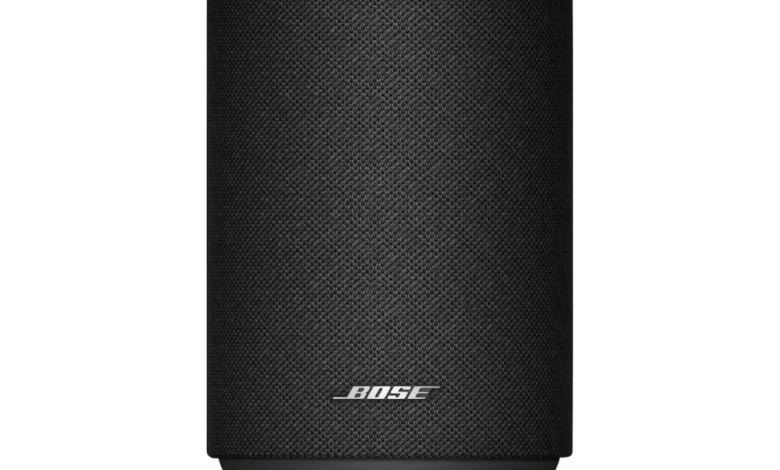
For consumers looking to upgrade their domestic acoustic environments, the Bose Lifestyle Ultra Home speaker has emerged as a premier option in the multiroom audio space. Priced competitively with a $50 seasonal discount, this Wi-Fi-enabled speaker is engineered to deliver room-filling acoustic performance whether deployed as a standalone unit or integrated into an expansive multiroom audio ecosystem. Supporting casting protocols via Chromecast and Bluetooth connectivity, the speaker can also interface seamlessly with the broader Bose Lifestyle Ultra hardware family, which includes dedicated soundbars and subwoofers designed to transform living rooms into immersive home-theater spaces.
Google Fitbit Air Screenless Fitness Tracker
In a market saturated with feature-heavy smartwatches, the Google Fitbit Air offers a deliberate departure for minimalists and health-conscious consumers. Priced at $99, this screenless fitness and health tracker focuses exclusively on core physiological metrics—such as step tracking, sleep analysis, and heart-rate monitoring—without the distraction of visual notifications or text messages. The device operates independently of mandatory subscriptions for basic tracking, though users can opt into a Google Health Premium membership for advanced, personalized coaching analytics. Compatibility spans modern Android and iOS devices, requiring the Google Health mobile application for setup and data synchronization.

Ring Indoor Cam 2K
Home security continues to be a cornerstone of consumer technology purchases during the holiday season. Ring has maintained its market presence by offering steep promotional discounts—reaching up to 60 percent off select inventory—on its suite of indoor cameras and video doorbells. Among these, the Ring Indoor Cam 2K plug-in model provides high-resolution 2K video recording, enhanced night vision for true color representation in near-dark conditions, and integrated two-way talk functionality. These features allow homeowners to monitor their properties remotely, combining peace of mind with accessible price points starting as low as $25 for select basic configurations.
Retailer Strategies and Membership Programs
Major consumer electronics retailers have adapted their logistical and promotional frameworks to handle the influx of holiday shoppers. Best Buy, serving as a primary distributor for brands including Bose, Shokz, Google Fitbit, and Ring, has implemented tiered membership structures to incentivize customer loyalty and offset shipping costs during the peak shopping window.
The My Best Buy Plus membership program, priced at an annual fee of $30, provides subscribers with tangible financial and logistical benefits. These include free two-day shipping on eligible orders, a 1% rewards accumulation rate on purchases, access to exclusive member-only savings events, and extended return windows designed to accommodate holiday gift-giving timelines. Such programs reflect a broader retail trend toward subscription-based customer retention, ensuring that consumers remain within a specific retail ecosystem throughout the annual shopping cycle.

Economic Implications and Market Impact
The strong performance of the consumer technology sector during the fourth quarter carries significant implications for the broader retail economy. As inflation and shifting macroeconomic conditions influence consumer spending habits, manufacturers and retailers have increasingly relied on targeted discounting strategies and value-added bundles to sustain sales volumes.
Analysts note that while discretionary spending on luxury goods may experience fluctuations, functional technology—particularly products centered around personal health, home security, and remote connectivity—remains resilient. Consumers view these devices not merely as entertainment luxuries, but as practical investments in wellness, safety, and daily efficiency. Consequently, tech essentials from established brands continue to anchor holiday shopping lists, driving traffic to both brick-and-mortar storefronts and digital e-commerce platforms as the year draws to a close.