The landscape of American politics underwent a seismic shift in the 2026 midterm elections, resulting in a decisive reclamation of both the House of Representatives and the Senate by the Democratic Party. As the dust settles on what many analysts are describing as a rout of Republican strongholds, high-ranking party figures are beginning to engage in a period of intense introspection. Among those offering a critical assessment is former Kansas Governor and U.S. Senator Sam Brownback, who served as an ambassador during the first term of President Donald Trump. Brownback posits that the electoral outcome was less a rejection of core conservative policy tenets and more a clear, mandate-driven rebuke of the former president’s personal leadership style.
The Anatomy of the 2026 Midterm Defeat
Historically, the midterm elections of a president’s second term often serve as a referendum on the incumbent administration. However, the 2026 cycle defied conventional political gravity. In the months leading up to the November elections, the Republican Party, spearheaded by President Trump, sought to leverage issues surrounding immigration, border security, and economic instability. Despite these efforts, the party suffered losses in regions previously considered safe red territory.
Brownback, who represented Kansas in the Senate from 1996 to 2011 and served as its governor until 2018, suggests that the Republican defeat was fundamentally personal. "I think the thing we’re missing is that it was really targeted at President Trump," Brownback stated in an interview. "I don’t think it was targeted at the policies so much." He invoked a cautionary tone, adding, "Pride comes before a fall and a haughty spirit before a stumble," suggesting that the party’s messaging strategy under the current administration alienated the moderate and independent voter blocs necessary for a congressional majority.
Economic Factors and Voter Sentiment
While the "Trump factor" remains a primary point of discussion, the economic environment played an undeniable role in the election cycle. Data gathered by the Fox News Voter Poll highlighted that 89% of participants viewed the cost of living as a critical or major factor in their decision-making process. This concern dwarfed other international considerations, such as the ongoing conflict in Iran, which was identified as a major factor by 74% of respondents.
The persistence of inflation, coupled with fluctuating energy prices, created a sense of economic anxiety that the Republican platform struggled to mitigate effectively. Analysts note that while voters were deeply concerned with economic indicators, the correlation between these concerns and the ultimate electoral result was magnified by the leadership style at the top of the ticket. Brownback’s analysis suggests that the electorate was looking for a more tempered, stable approach to governance, and that the perceived volatility of the Trump administration hindered the party’s ability to capitalize on the economic frustrations of the public.
A Chronology of the 2026 Election Cycle
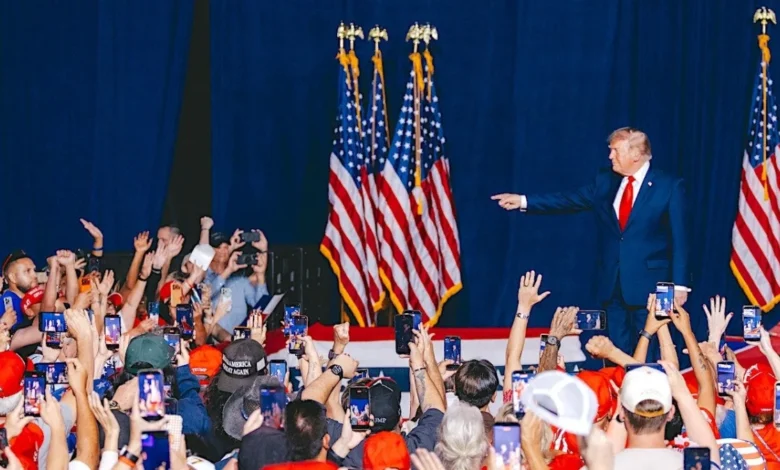
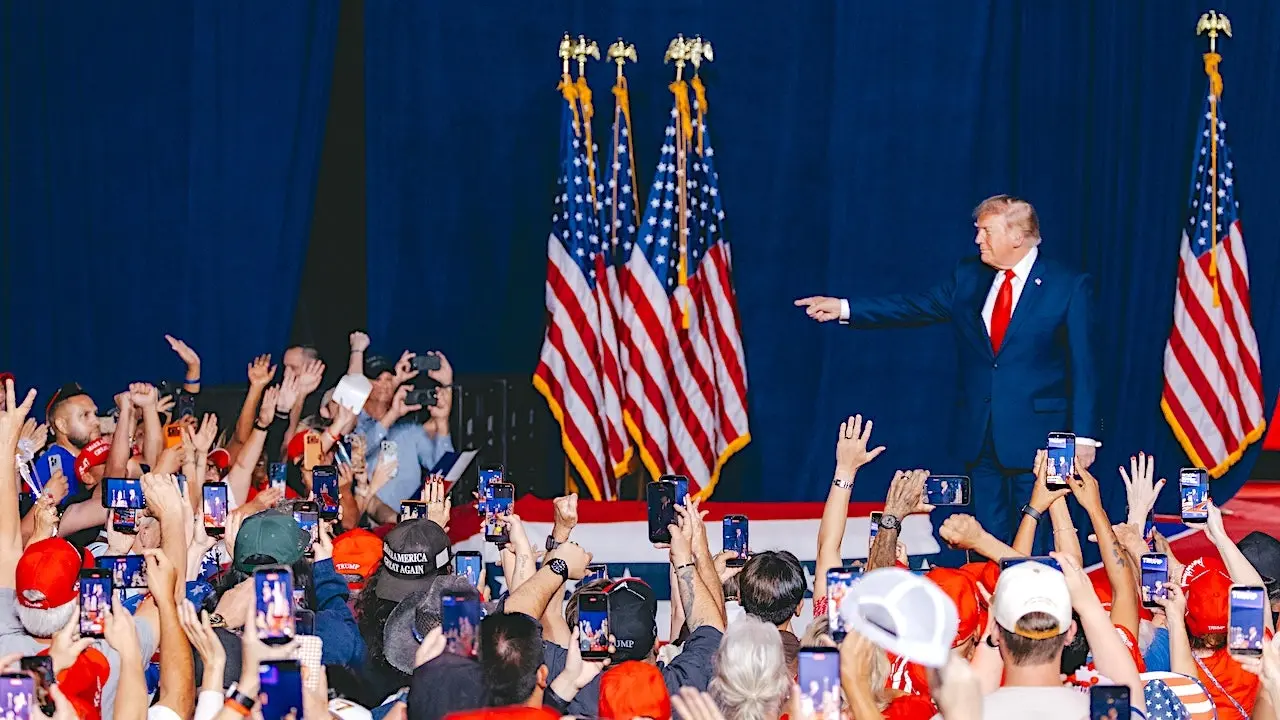
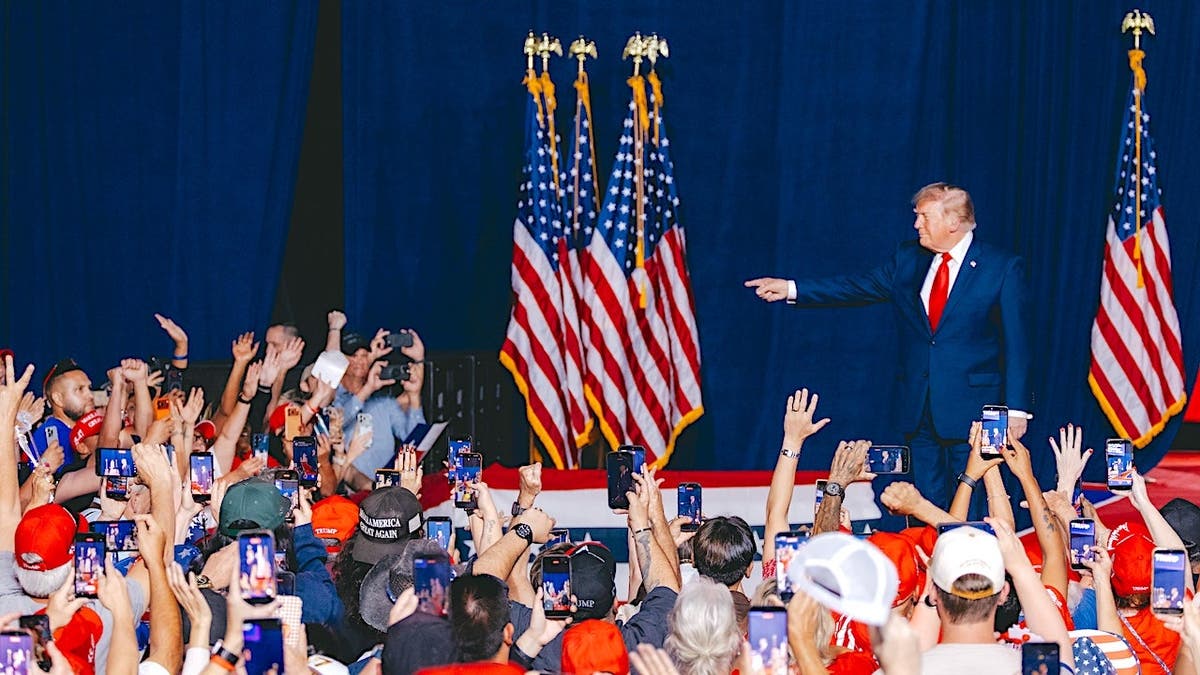
The lead-up to the 2026 midterms was marked by a series of high-profile rallies and strategic pivots. In early October, President Trump visited San Antonio, Texas, to bolster the candidacy of Ken Paxton, focusing heavily on the administration’s immigration record. The campaign’s strategy was to paint the opposition as weak on national security and border integrity.
However, the late-cycle focus on immigration appeared to create a disconnect with a significant portion of the electorate. While voters consistently expressed a desire for a secure border, internal polling and exit data suggested that voters were increasingly wary of aggressive interior enforcement policies. By late October, the political climate had shifted, with Democratic messaging successfully pivoting to domestic issues, healthcare, and a critique of the Republican leadership style. The culmination of this shift resulted in a "blue wave" that saw Republicans losing critical seats in the Senate, effectively handing control of the upper chamber to the Democrats.
The Call for a Cultural Shift in Conservative Politics
Beyond the tactical failures of the campaign, Brownback emphasized a need for a profound shift in the GOP’s tone and communication strategy. As the former ambassador-at-large for international religious freedom, Brownback brings a unique perspective on the intersection of faith, leadership, and political outreach. He argues that the party must move away from the rhetoric that characterized the 2026 cycle and adopt a posture of humility and kindness.
"You just can’t be proud. You’ve got to come forward humbly," Brownback remarked. He suggests that the Republican Party must demonstrate that it is listening to the American public rather than dictating to them. This call for a "measured response" is viewed by some political observers as a necessary transition for a party looking to redefine its identity ahead of the 2028 presidential election.
Brownback’s message is simple yet pointed: "We hear you, American public. We’re adjusting to the message that we heard." He maintains that the greatness of the United States is inextricably linked to its fundamental values. "America is great because it’s good. If it ever loses its goodness, it will lose its greatness," he stated, reinforcing his belief that a return to traditional, values-based political discourse is essential for future success.
Implications for 2028 and the GOP Future
The loss of both chambers of Congress has triggered an immediate succession conversation within the Republican Party. With the 2028 presidential cycle already looming on the horizon, the GOP is currently navigating a period of internal realignment. Figures such as Vice President JD Vance and Secretary of State Marco Rubio have been frequently mentioned as potential candidates for the presidential nomination.
Vance has indicated that he plans to make a formal decision regarding a potential White House bid in the spring, signaling the start of a period of jockeying for the party’s future direction. The debate between those who wish to maintain the "America First" populism of the Trump era and those who advocate for a return to a more conventional, coalition-building conservative approach will likely dominate the party’s primary season.
Fact-Based Analysis: The Path Forward
The 2026 midterm results serve as a diagnostic tool for the Republican Party. By analyzing the defeat through the lens of both polling data and leadership dynamics, the party faces a critical choice. The data suggests that while the conservative policy agenda remains popular with the GOP base, the mechanism by which those policies are communicated—and the personalities driving them—have a significant impact on the general electorate.
If the Republican Party is to move on from this defeat, it will likely need to balance the energy of its populist wing with a broader, more inclusive, and arguably more humble, rhetorical style. The challenge for the GOP leadership in the coming months will be to reconcile the demands of its primary voters with the requirements of winning a national election. As Brownback’s observations suggest, the party’s future may depend on its ability to evolve beyond the constraints of the 2026 election cycle and address the concerns of a public that is increasingly looking for a different form of leadership.

The legislative session that follows the 2026 election will serve as the first test for this new political reality. With Democrats in control of both the House and the Senate, the GOP will need to find its footing as an opposition party, focusing on legislative oversight and the development of a coherent, forward-looking platform. Whether the party chooses to follow the path of introspection suggested by figures like Brownback or continues to double down on the strategies of the past remains the central question of the current political era.
As the nation looks toward 2028, the dialogue surrounding the lessons of 2026 will undoubtedly intensify. The political landscape is rarely static, and the rapid shifting of voter sentiment in the recent midterms serves as a reminder that both parties must remain responsive to the evolving needs and values of the American people. For the Republican Party, the journey toward the next presidential contest will be defined by how it interprets the results of this cycle and how it chooses to present itself to an electorate that has clearly signaled a desire for change.