Representative Alexandria Ocasio-Cortez, the progressive Democrat from New York’s 14th congressional district, has found herself at the center of a burgeoning social media controversy following her appearance at a campaign rally in Memphis, Tennessee, last week. Critics online have accused Ocasio-Cortez of adopting a “fake accent” during her speech, drawing immediate parallels to similar accusations leveled against Vice President Kamala Harris in previous years. The incident has reignited debates about political authenticity, linguistic accommodation, and the strategic communication choices made by public figures, particularly when addressing diverse regional audiences.
The Memphis Rally and Key Statements
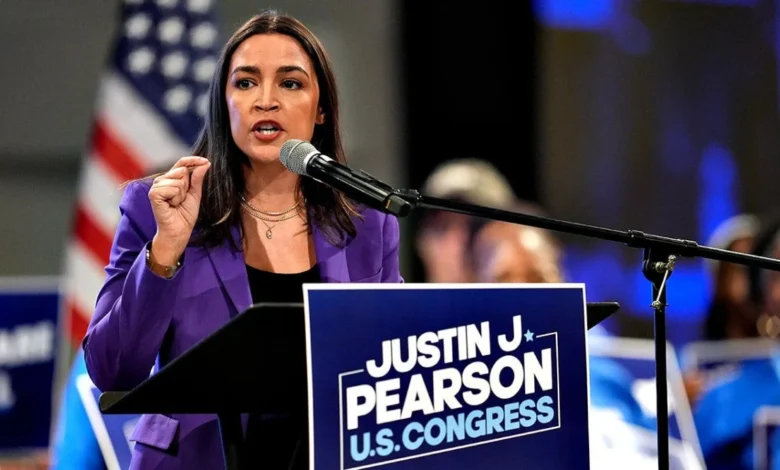
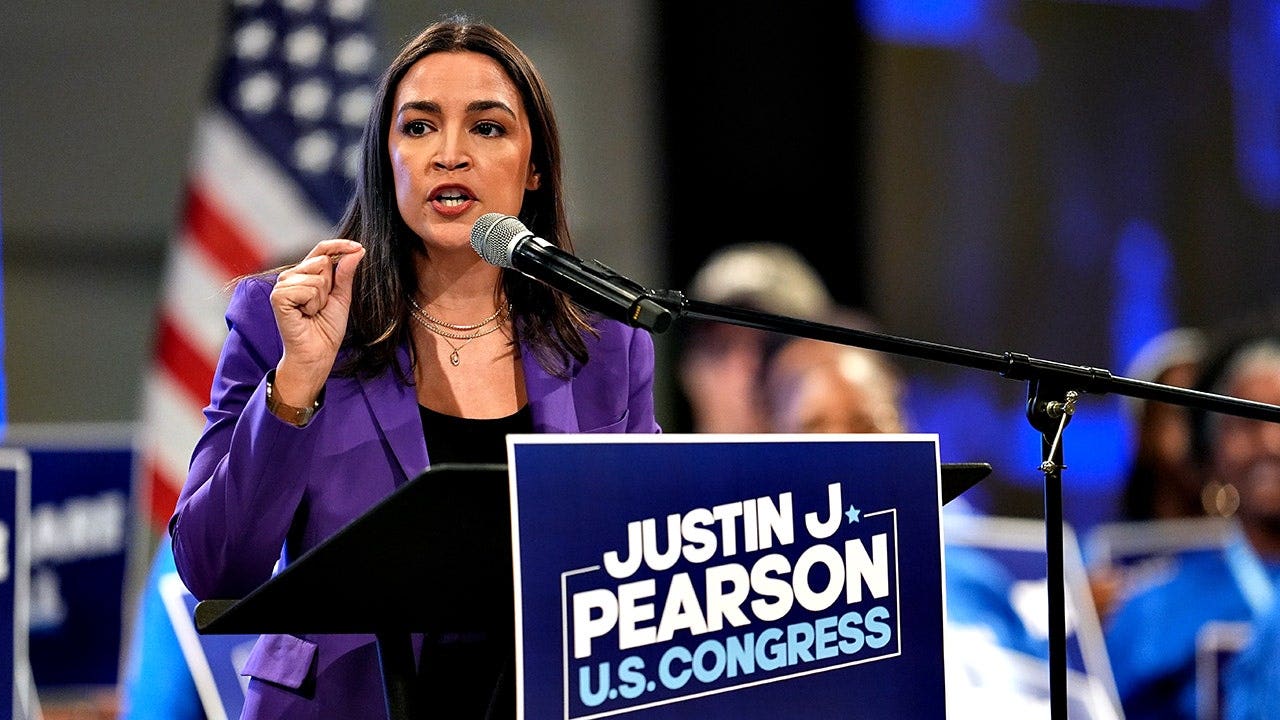
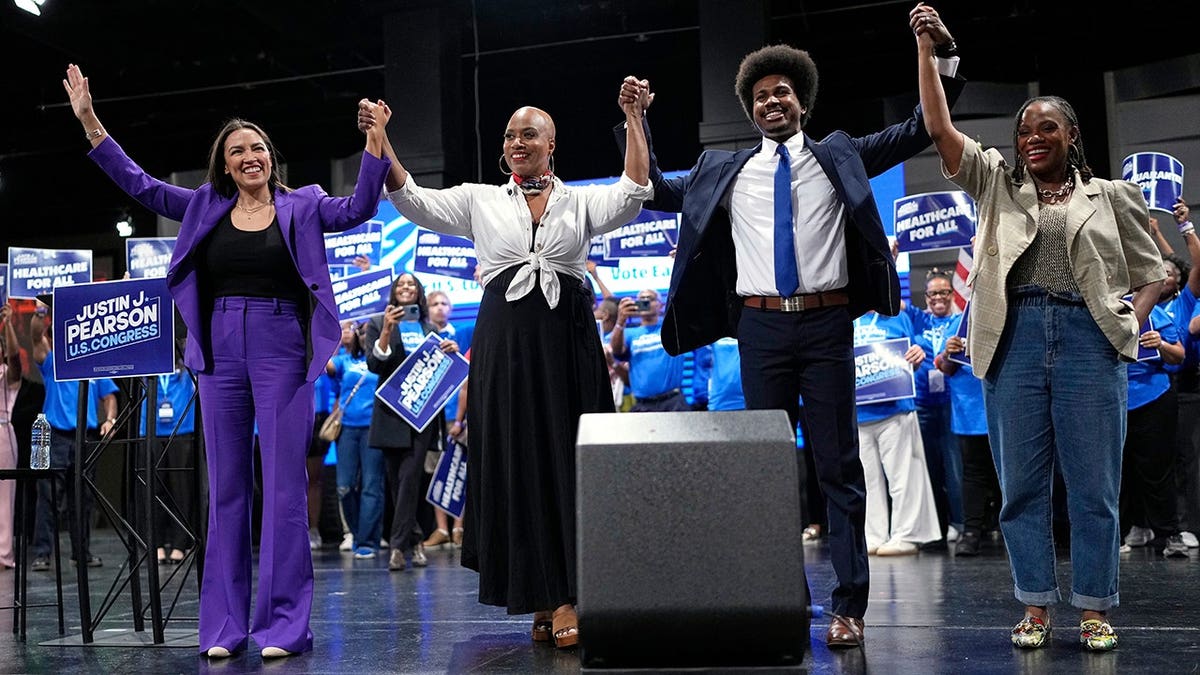
The focal point of the controversy was Ocasio-Cortez’s address on Friday, July 17, 2026, in support of progressive U.S. House candidate Justin Pearson. Pearson, a Democratic state representative for Tennessee, gained national prominence as one of the "Tennessee Three," a group of lawmakers who faced expulsion from the state legislature earlier in the year for protesting gun violence on the House floor. Ocasio-Cortez’s presence in Memphis underscored the broader progressive effort to expand its influence in Southern states, a region traditionally viewed as a conservative stronghold.
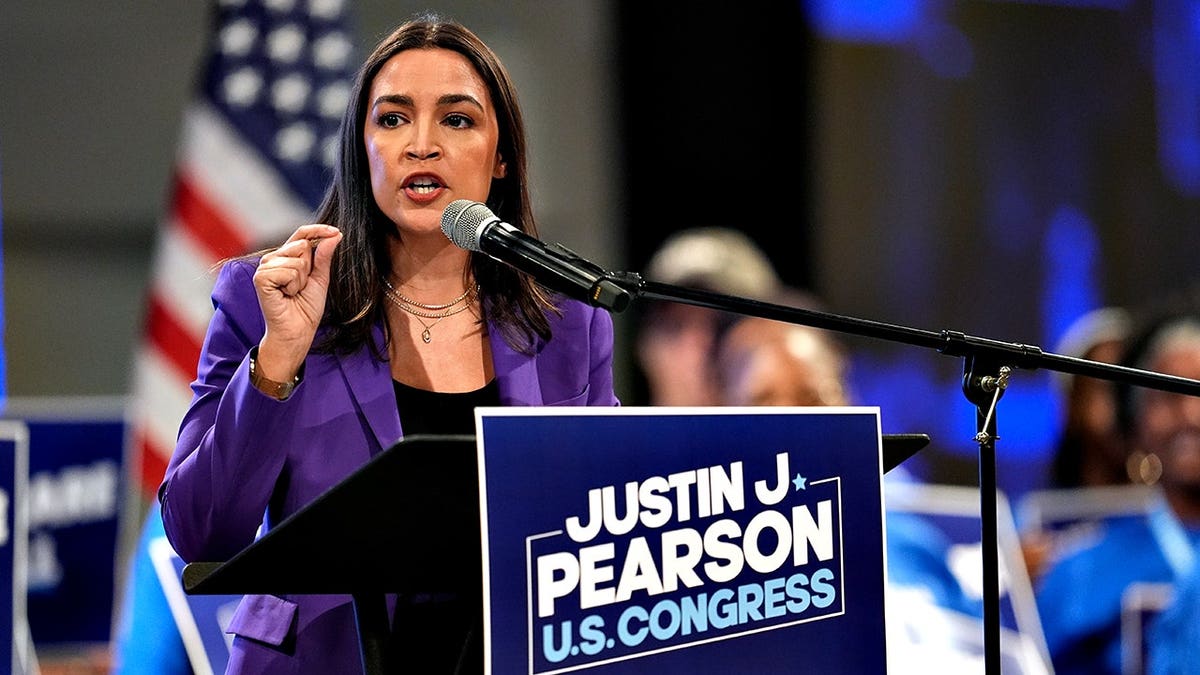
During her speech, Ocasio-Cortez emphasized the interconnectedness of American states and the necessity of inclusive political engagement across geographical divides. "We cannot afford to leave Tennessee behind," she declared to the assembled crowd. "We cannot afford to leave Kentucky behind, Alabama behind, Mississippi behind, Georgia behind, South Carolina behind. There is no country where we are split apart." This segment of her speech was delivered with a cadence and vocal inflection that some listeners perceived as a departure from her usual Bronx accent.
The criticism intensified when Ocasio-Cortez recounted a previous visit to the South with fellow progressive lawmaker, Representative Ayanna Pressley. "About a month or two ago, we were in Montgomery, Alabama — Sister [Rep. Ayanna] Pressley and I were in Montgomery, Alabama, and one of the things that we said was that it is time for the North to roll up to the South," Ocasio-Cortez stated. It was this particular phrasing and the accompanying vocal delivery that primarily fueled the online accusations of an affected accent.
Echoes of Past Accusations: The Kamala Harris Precedent
The immediate comparison drawn by critics on social media was to Vice President Kamala Harris, who has faced recurrent accusations of altering her accent to suit her audience. This phenomenon, often termed "political code-switching," has become a recurring theme in contemporary political discourse.
Harris’s most notable instances of alleged accent manipulation include:
- July 2024, Atlanta: During a rally in Atlanta, Georgia, Harris was widely criticized for adopting what many observers described as a "fake Southern accent." The perceived shift in her speech pattern garnered significant media attention and social media commentary, with critics suggesting it was a calculated attempt to connect with the local electorate.
- Labor Day 2024, Detroit: Later that year, at a Labor Day rally in Detroit, Michigan, similar accusations resurfaced. Commentators pointed to changes in her intonation and word pronunciation, arguing that she was again attempting to mimic a regional dialect.
- November 2021, France: During an overseas trip to France, while touring a COVID-19 research laboratory, Harris was accused of using a "French accent." Videos of her speaking with a slightly altered pronunciation of English words and a more deliberate, almost French-inflected rhythm quickly went viral, drawing widespread mockery and criticism for what was perceived as an inauthentic affectation.
Beyond Harris, other prominent politicians, including former Secretary of State Hillary Clinton, have also been criticized for perceived accent shifts. Clinton, particularly during her 2008 and 2016 presidential campaigns, was noted by some for adopting a more pronounced Southern drawl when campaigning in states like Alabama or Arkansas, where she had historical ties as the former First Lady of Arkansas. These historical precedents provide a backdrop against which Ocasio-Cortez’s recent performance is being scrutinized. The recurring nature of these controversies suggests a deep public sensitivity to perceived inauthenticity in political communication.
Social Media Erupts: Critics and Commentary
The online reaction to Ocasio-Cortez’s Memphis speech was swift and largely critical. Social media platforms became a forum for users to share clips of her speech, often juxtaposing them with earlier speeches to highlight the perceived change in her accent.
Actor Michael Rapaport, who has publicly expressed intentions to run for New York City mayor in 2029, was among the first prominent figures to criticize Ocasio-Cortez. He posted on social media, "AOC, from the ‘Bronx’ sounding like a southern Baptist preacher while in Memphis." Rapaport’s comment encapsulated the sentiment of many who felt Ocasio-Cortez was consciously altering her natural speech pattern.
Conservative communications strategist Steve Guest also weighed in, drawing explicit comparisons to past political figures: "Hillary Clinton developed an accent. Kamala Harris developed an accent. AOC is developing an accent. It’s all patronizing." Guest’s observation highlights a common thread in these criticisms: the notion that such linguistic adjustments are not genuine but rather a condescending attempt to appeal to an audience.
Another user on social media echoed this sentiment, directly linking Ocasio-Cortez’s actions to a potential future presidential bid: "Rep. AOC just got busted putting on a FAKE ACCENT for a predominantly black audience. She’s seriously going full Kamala for 2028." This comment introduces the speculative element of political ambition, suggesting that the perceived accent shift might be a calculated move with an eye toward higher office.
The criticisms often centered on the perceived "fake" nature of the accent, implying a lack of genuine connection and an attempt to manipulate the audience. The term "patronizing" was frequently used, suggesting that such attempts at linguistic assimilation are viewed as insincere and disrespectful by the very audiences they are intended to charm.
The Phenomenon of Code-Switching in Politics
From a linguistic and sociological perspective, the concept of "code-switching" refers to the practice of alternating between two or more languages or varieties of language in conversation. While often applied to bilingual individuals, it also describes shifts in dialect, accent, or speaking style within a single language. This can be a subconscious process, a natural adaptation to one’s environment, or a deliberate communication strategy.
In political contexts, this phenomenon is often referred to as "linguistic accommodation" or "audience design." Speakers may subconsciously or consciously adjust their speech patterns—including pronunciation, vocabulary, and rhythm—to converge with their interlocutors. The motivations can be varied:
- Building rapport: Speakers might subconsciously mimic the accent of their audience to foster a sense of shared identity and connection.
- Increasing persuasiveness: Research suggests that listeners are often more receptive to speakers who sound similar to them.
- Demonstrating empathy: Adopting certain speech patterns can be an attempt to show understanding or solidarity with a particular group.
- Avoiding social distance: Conversely, a speaker might diverge from an accent to create distance or assert authority.
However, when these shifts are perceived as deliberate and inauthentic, particularly in high-stakes political environments, they can backfire dramatically. Critics often interpret such changes not as genuine empathy but as a cynical form of political theater or manipulation. The line between natural linguistic adaptation and perceived inauthenticity is often blurry and highly subjective, making it a fertile ground for political contention.
For Ocasio-Cortez, who is known for her distinct Bronx accent, any perceived deviation immediately stands out. Her progressive political identity is often tied to her working-class roots in New York, making perceived shifts in her speech particularly vulnerable to accusations of abandoning her authentic self.
Broader Context: Progressive Outreach in the South
Ocasio-Cortez’s visit to Memphis was not an isolated event but part of a broader, concerted effort by progressive Democrats to engage and mobilize voters in the American South. The region, with its significant African American population and evolving demographics, represents both a challenge and an opportunity for the Democratic Party. Historically, the "Solid South" was a Democratic stronghold before shifting allegiance to the Republican Party in the latter half of the 20th century. Modern progressive movements aim to reclaim or at least significantly contest this territory.
Justin Pearson, the candidate Ocasio-Cortez was supporting, embodies this new wave of Southern progressive politics. His activism, particularly his role in the "Tennessee Three" alongside Representatives Gloria Johnson and Justin Jones, drew national attention to issues of racial justice, gun control, and democratic representation in the South. The incident where they faced expulsion for protesting on the House floor galvanized national progressive support, highlighting a generational and ideological clash within Southern state legislatures.
Ocasio-Cortez’s statement about the "North to roll up to the South" reflects a strategic imperative for the progressive movement. It acknowledges the historical and cultural divides while asserting a need for national unity and cross-regional political solidarity. This strategy involves not just campaigning but also funding and organizing efforts to build grassroots movements in states that have traditionally been less receptive to progressive messaging. The challenge, however, is to bridge these divides authentically, without appearing to impose external cultural norms or political ideologies. The "accent" controversy underscores the delicate balance required in such outreach efforts.
Analysis of Implications and Authenticity in Public Discourse
The "fake accent" controversy, while seemingly minor, carries significant implications for political communication and the public perception of authenticity. In an era of heightened political polarization and deep distrust in institutions, voters are increasingly sensitive to perceived insincerity from their leaders.
- Impact on AOC’s Image: For Ocasio-Cortez, a figure who has cultivated an image of radical honesty and authenticity, these accusations could chip away at her carefully constructed public persona. While her base may dismiss the criticisms as politically motivated attacks, undecided voters or those already skeptical of her could view the incident as evidence of calculated political opportunism.
- The Role of Media Scrutiny: The swift amplification of these accusations by social media and traditional news outlets (like Fox News Digital, which reported on the initial controversy) demonstrates how quickly perceived missteps can become national talking points. In a 24/7 news cycle, linguistic nuances can be isolated, scrutinized, and weaponized.
- Challenge of Maintaining Authenticity: The incident highlights the inherent tension politicians face between connecting with diverse audiences and maintaining a consistent, authentic public image. While adapting one’s communication style is a common practice in many professions, in politics, it can be fraught with peril, especially when perceived as a deliberate, disingenuous act.
- Political Weaponization of Speech: Critics often seize upon such instances to question a politician’s integrity and portray them as opportunistic or condescending. The repeated comparisons to Kamala Harris suggest a pattern of using perceived accent shifts as a tool to undermine female politicians, particularly women of color, by questioning their authenticity and loyalty to their stated origins.
The Road Ahead for Political Communication
The recurring nature of "accent controversies" suggests that this particular aspect of political communication will remain a contentious issue. As politicians increasingly campaign across diverse regions and interact with a multitude of cultural groups, the pressure to connect authentically will only intensify. The debate will likely continue to revolve around whether linguistic accommodation is a natural human tendency or a calculated political maneuver.
For Ocasio-Cortez and other progressive leaders, the incident serves as a reminder of the intense scrutiny they face, especially when venturing into politically sensitive territories. Effective political communication in the modern era requires not only compelling policy ideas but also a masterful understanding of how one’s presentation, including subtle vocal cues, is perceived by a highly discerning and often skeptical electorate. The challenge lies in fostering genuine connection without inadvertently creating fodder for accusations of inauthenticity, a balance that few politicians have perfectly achieved.
Fox News Digital reached out to Representative Ocasio-Cortez’s team for comment on the "fake accent" accusations but did not receive an immediate response. As the political landscape continues to evolve, the discourse around authenticity and communication styles will undoubtedly remain a critical component of public perception and political success.