Stained glass tumbling block ornaments take center stage, merging the artistry of stained glass with the captivating geometry of tumbling blocks. These ornaments are more than just decorative pieces; they’re miniature masterpieces that encapsulate centuries of craftsmanship and contemporary design.
From the intricate patterns of medieval stained glass windows to the vibrant hues of modern art, the allure of stained glass has captivated artists and collectors alike. Tumbling block ornaments, with their playful arrangement of geometric shapes, add a dynamic and whimsical element to this timeless art form.
The combination of these two elements results in stunning ornaments that can be both elegant and playful, traditional and modern.
History and Origin
Stained glass, a captivating art form that blends color, light, and craftsmanship, has a rich and fascinating history spanning centuries. Its origins can be traced back to ancient times, with evidence suggesting its use in decorative art as early as the 3rd century BC.
Stained glass tumbling block ornaments are a beautiful way to add a touch of whimsy and color to your home decor. They’re also a great way to showcase your creativity and make personalized gifts for friends and family. While you’re busy crafting, be sure to check out the exciting new offers now live at Allies of Skin UK – they have some amazing skincare products that will leave your skin feeling radiant and refreshed.
And once you’ve pampered yourself, you can get back to creating those stunning stained glass ornaments!
The earliest known examples of stained glass are found in ancient Rome, where small pieces of colored glass were used to create mosaics and decorative elements. However, it was during the Middle Ages, particularly in the 12th century, that stained glass truly flourished as an artistic medium, becoming an integral part of Gothic cathedrals and churches across Europe.
Early Stained Glass Ornaments
While stained glass was primarily used in large-scale architectural projects like church windows, smaller ornaments also emerged as a testament to the versatility of the art form. These early ornaments, often crafted in the form of small panels or medallions, were frequently used as decorative elements in domestic settings.
Examples of these early ornaments include:
- Roundels: These circular ornaments, often depicting religious scenes or symbolic motifs, were commonly used to decorate windows and doors in medieval homes.
- Grisaille Panels: These panels, featuring monochromatic designs in shades of gray, were popular for their subtle elegance and were used to adorn walls and furniture.
- Heraldry Panels: These panels, showcasing coats of arms and family crests, were used to display lineage and social status in medieval society.
Evolution of Stained Glass Techniques and Materials
Over the centuries, stained glass techniques and materials have evolved significantly, driven by technological advancements and artistic innovation. The traditional method of stained glass making, known as “leadlight,” involves cutting and shaping glass pieces and joining them together with lead came.
This technique, which originated in the Middle Ages, remained the dominant method for centuries.
In the 19th century, the invention of new glassmaking processes, such as the “flashed glass” technique, led to the creation of a wider range of colors and textures. Flashed glass, which involves fusing a thin layer of colored glass onto a clear base, allowed for the production of more vibrant and nuanced colors.
This innovation also facilitated the creation of intricate designs and patterns.
The 20th century saw further advancements in stained glass techniques, with the introduction of copper foil as an alternative to lead came. Copper foil, which is more flexible and easier to work with, allowed for the creation of more intricate and delicate designs.
The development of new glass types, such as opalescent glass, which produces a shimmering effect, further expanded the artistic possibilities of stained glass.
The Art of Stained Glass: Stained Glass Tumbling Block Ornaments
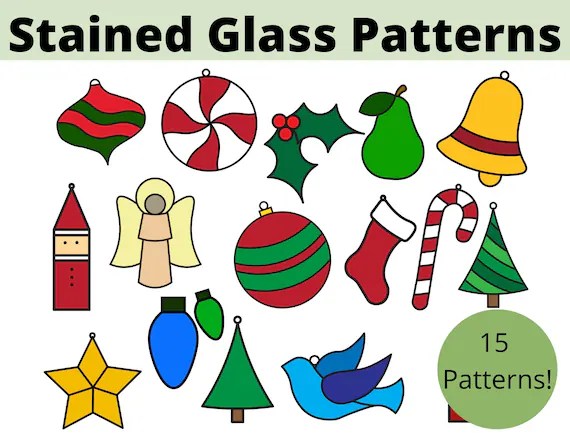
Stained glass is a captivating art form that has been around for centuries. It involves creating beautiful and intricate designs using pieces of colored glass that are cut, shaped, and assembled to form a mosaic. The process of crafting stained glass is a labor of love, requiring patience, precision, and artistic vision.
Cutting and Shaping the Glass
The first step in creating stained glass is to cut the glass into the desired shapes. This is done using a specialized tool called a glass cutter, which creates a score on the surface of the glass. Once the glass is scored, it can be broken along the score line to create the desired shape.
The glass is then shaped using various tools, including grinders, sanders, and files. These tools are used to smooth the edges of the glass and to create any intricate details or curves.
Assembling the Glass Pieces
Once the glass pieces are cut and shaped, they are assembled together to form the desired design. The pieces are joined together using a lead came, which is a thin strip of lead that is soldered together to create a frame for the glass.
I’ve been working on these stained glass tumbling block ornaments, and they’re turning out beautifully! The vibrant colors and intricate patterns are really coming to life. While I was researching some new techniques, I stumbled upon an interesting article about global uranium corp announcing a change to their executive management , which was a bit of a surprise, but I guess that’s just part of the world we live in.
Anyway, back to my stained glass project – I can’t wait to see how they look when they’re finished!
Stained Glass Techniques for Ornaments
There are several stained glass techniques that can be used to create ornaments.
- Copper Foil Technique:This is one of the most common techniques used for stained glass ornaments. It involves wrapping the edges of the glass pieces with copper foil tape and then soldering them together. This technique is relatively easy to learn and allows for a wide range of designs.
- Lead Came Technique:This technique involves using lead came to hold the glass pieces together. The lead came is soldered together to create a frame for the glass. This technique is more traditional and requires more skill to master.
- Fusing:This technique involves using heat to fuse the glass pieces together. The glass pieces are placed on a kiln and heated to a high temperature. The heat causes the glass to melt and fuse together, creating a seamless design. This technique is often used to create unique and modern stained glass ornaments.
Common Stained Glass Patterns and Motifs
Stained glass ornaments often feature a variety of patterns and motifs.
I love the way stained glass tumbling block ornaments catch the light, creating a kaleidoscope of colors. It reminds me of the warm glow of the bonfire at the House Fraser Bonfire Night wrap house fraser bonfire night wrap , where the flames dance and reflect off the faces of the crowd.
Maybe I should try incorporating some of those bonfire night colors into my next stained glass project!
- Geometric Patterns:Geometric patterns, such as squares, triangles, and circles, are commonly used in stained glass ornaments. These patterns can be simple or complex and can create a variety of visual effects.
- Floral Motifs:Floral motifs, such as flowers, leaves, and vines, are also popular in stained glass ornaments. These motifs can be realistic or stylized and can add a touch of elegance and beauty to the ornament.
- Religious Motifs:Religious motifs, such as crosses, angels, and saints, are often incorporated into stained glass ornaments. These motifs can be used to create meaningful and spiritual ornaments.
- Abstract Designs:Abstract designs are also becoming increasingly popular in stained glass ornaments. These designs can be created using a variety of techniques and materials and can express the artist’s creativity and imagination.
Tumbling Block Ornaments
Tumbling block ornaments are a unique and eye-catching type of stained glass art that utilizes a specific geometric pattern to create intricate and vibrant designs. These ornaments are crafted by assembling individual pieces of stained glass, often in a variety of colors and textures, into a three-dimensional shape that resembles a tumbling block.
Construction of Tumbling Block Ornaments
The construction of tumbling block ornaments involves several key steps, starting with the creation of the individual stained glass pieces. These pieces are typically cut to specific shapes and sizes using a glass cutter and a scoring tool. Once the pieces are cut, they are then assembled using a technique called copper foiling.
This involves wrapping each piece of glass with thin copper foil tape, which acts as an adhesive and helps to create a smooth and continuous surface. The foiled pieces are then soldered together using a soldering iron and solder, which melts and bonds the copper foil, creating a strong and durable bond.
Arrangement of Tumbling Blocks in Ornaments
Tumbling blocks can be arranged in a variety of ways to create different ornament designs. One common arrangement is to use multiple tumbling blocks to form a larger, more complex shape, such as a sphere, a cube, or a pyramid.
Another approach is to combine tumbling blocks with other stained glass elements, such as beads, wire, or other geometric shapes. The possibilities for arrangement are endless, allowing for a wide range of unique and personalized ornaments.
Design Variations of Tumbling Block Ornaments
| Design | Dimensions (in inches) | Description |
|---|---|---|
| Simple Cube | 2 x 2 x 2 | A basic tumbling block ornament consisting of six square pieces assembled into a cube shape. |
| Pyramid | 3 x 3 x 3 | A more complex design featuring four triangular pieces and one square piece assembled into a pyramid shape. |
| Sphere | 4 x 4 x 4 | A challenging but rewarding design that utilizes multiple tumbling blocks to create a spherical shape. |
| Starburst | 5 x 5 x 5 | A striking design featuring multiple tumbling blocks arranged in a starburst pattern. |
| Spiral | 6 x 6 x 6 | A unique and intricate design that uses tumbling blocks to create a spiral shape. |
Stained Glass Tumbling Block Ornaments
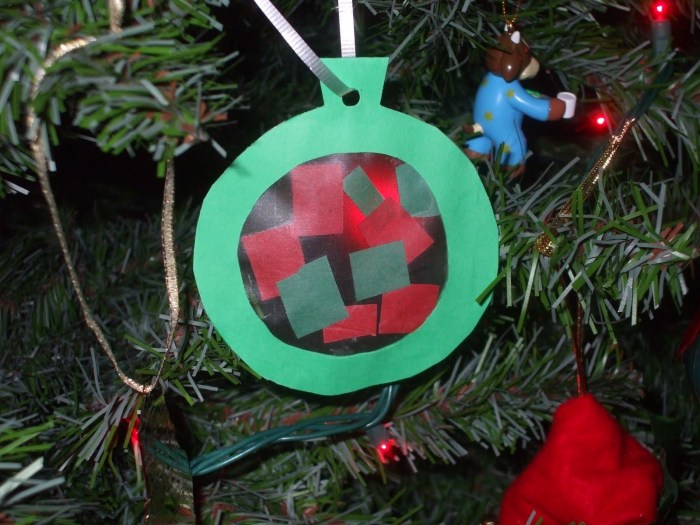
Stained glass tumbling block ornaments are a unique and captivating art form that combines the beauty of stained glass with the intricate patterns of tumbling block designs. This fusion creates visually stunning ornaments that add a touch of elegance and color to any space.
Challenges and Considerations
Creating stained glass tumbling block ornaments presents unique challenges due to the interplay of stained glass and tumbling block designs. The inherent fragility of stained glass necessitates careful handling and precision during the cutting and assembly process. Additionally, the geometric complexity of tumbling block patterns requires meticulous planning and execution to ensure accurate alignment and symmetry.
Here are some key considerations:
- Material Selection:The choice of stained glass pieces must be carefully considered, taking into account the desired color palette, transparency, and thickness. Different types of stained glass exhibit varying degrees of translucency and color saturation, which can significantly influence the overall aesthetic of the ornament.
- Pattern Complexity:The complexity of the tumbling block design will impact the number of individual glass pieces required, the intricacy of the cutting process, and the time required for assembly. Simple patterns are easier to create and less prone to errors, while more complex designs offer greater visual interest but require greater skill and precision.
- Soldering Techniques:Soldering is a crucial aspect of stained glass work, and its proper execution is essential for creating strong and durable ornaments. The soldering process requires specialized tools and techniques, including the use of flux, solder, and a soldering iron. The soldering lines should be neat and consistent, and the solder should be evenly applied to ensure a secure bond between the glass pieces.
Examples and Aesthetic Appeal
Stained glass tumbling block ornaments are often used as decorative elements in homes, gardens, and public spaces. They can be hung in windows, placed on shelves, or used as table centerpieces. The unique patterns and vibrant colors of these ornaments add a touch of whimsy and elegance to any setting.
- Geometric Ornaments:These ornaments feature intricate geometric patterns created using a variety of colored glass pieces. The sharp angles and contrasting colors create a striking visual impact, making these ornaments a focal point in any room. An example is a stained glass tumbling block ornament with a repeating pattern of squares, triangles, and hexagons, each piece crafted in a different shade of blue, green, and red.
- Floral Ornaments:These ornaments feature floral designs, often incorporating realistic depictions of flowers, leaves, and stems. The delicate details and vibrant colors of these ornaments create a sense of tranquility and beauty. A stained glass tumbling block ornament depicting a bouquet of lilies, with each petal meticulously crafted in a different shade of pink, yellow, and white, would be a captivating example.
- Abstract Ornaments:These ornaments feature abstract designs, often using a combination of colors, textures, and shapes to create a sense of movement and depth. The abstract nature of these ornaments allows for a wide range of interpretations and personal expression. A stained glass tumbling block ornament with a swirling pattern of blues, greens, and purples, reminiscent of a flowing river or a starry night sky, would be a visually captivating example.
Image Collection
Image 1:This ornament features a geometric design with a repeating pattern of squares, triangles, and hexagons. The glass pieces are crafted in various shades of blue, green, and red, creating a vibrant and striking visual impact. The ornament is suspended from a simple copper wire hanger.
Image 2:This ornament depicts a stylized flower with a central circle surrounded by petals crafted from stained glass in shades of pink, yellow, and white. The petals are arranged in a swirling pattern, giving the flower a dynamic and lively appearance.
The ornament is mounted on a wooden base with a clear coat finish. Image 3:This ornament features an abstract design with a flowing pattern of blues, greens, and purples. The glass pieces are cut into various shapes and sizes, creating a sense of depth and movement.
The ornament is suspended from a delicate chain made of silver-plated metal.
Applications and Uses
Stained glass tumbling block ornaments, with their vibrant colors and intricate designs, are versatile pieces that can be used in a variety of ways, adding a touch of artistry and whimsy to any space. Their applications extend beyond simple decoration, often symbolizing personal stories, cultural heritage, and cherished memories.
Home Decor
Stained glass tumbling block ornaments can enhance the aesthetics of any room, creating a focal point or adding a subtle touch of color and light. They can be displayed on shelves, mantles, windowsills, or hung from ceilings, bringing a unique charm to any space.
Their versatility allows them to complement various interior design styles, from traditional to modern. For example, a stained glass tumbling block ornament featuring a floral motif can add a touch of elegance to a living room, while one with a geometric pattern can complement a contemporary space.
Gifts
Stained glass tumbling block ornaments make thoughtful and personalized gifts for various occasions. They can be customized with specific colors, designs, or symbols that hold personal meaning to the recipient. For example, a stained glass tumbling block ornament featuring a butterfly can be a meaningful gift for a loved one celebrating a new beginning, while one depicting a family crest can be a cherished heirloom.
Seasonal Decorations, Stained glass tumbling block ornaments
Stained glass tumbling block ornaments can be incorporated into seasonal decorations, adding a touch of handmade charm to festive displays. They can be used to create themed ornaments for holidays like Christmas, Easter, or Halloween, reflecting the spirit of the season.
For example, a stained glass tumbling block ornament featuring a snowflake design can be a festive addition to a winter decor, while one depicting a pumpkin can be a fun and spooky addition to a Halloween display.
Symbolic Meanings and Cultural Significance
Stained glass tumbling block ornaments can carry symbolic meanings and cultural significance, reflecting the artist’s intention and the recipient’s interpretation. For example, a stained glass tumbling block ornament depicting a sun can symbolize hope and new beginnings, while one featuring a tree can represent growth and resilience.
The choice of colors and patterns can also convey specific meanings, adding a deeper layer of symbolism to the ornament.