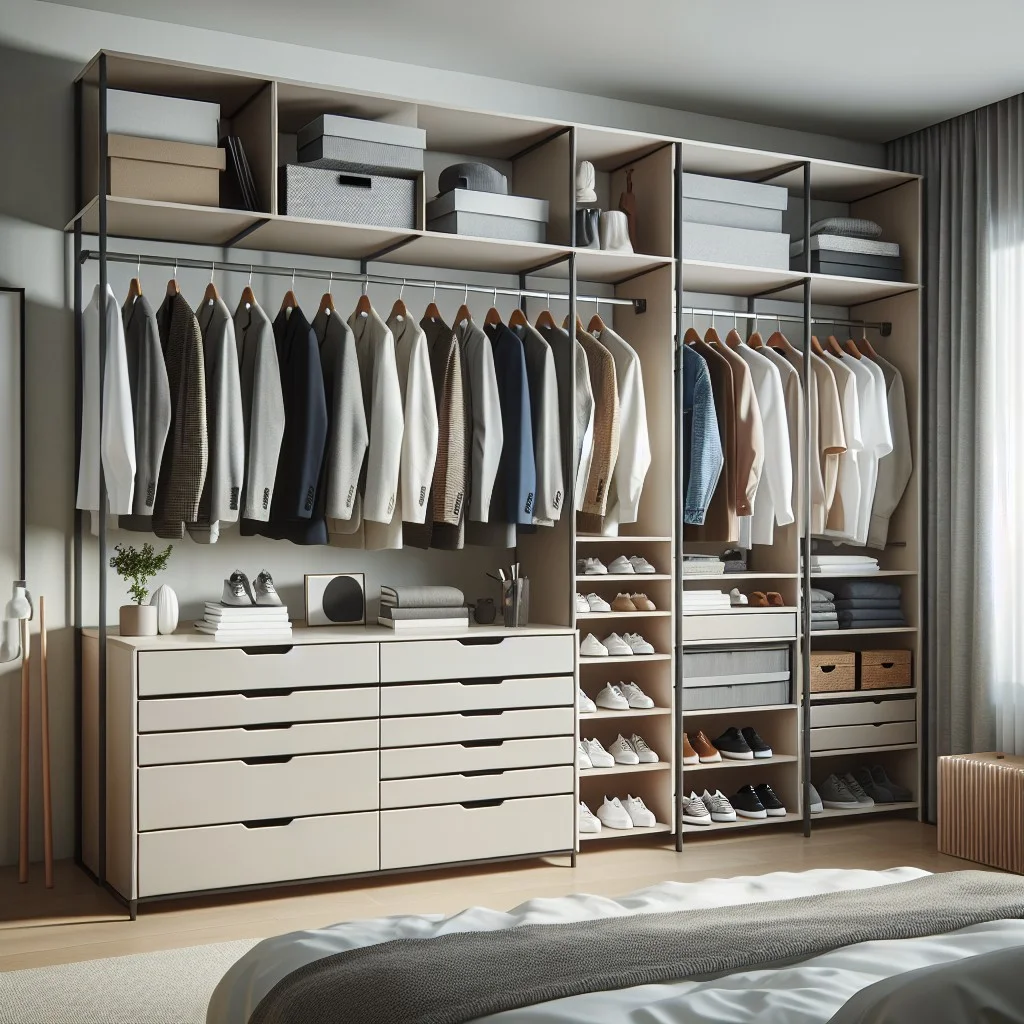

Transform Your Space: A Comprehensive Guide to Building a DIY Open Closet System
Creating an open closet system offers a compelling blend of accessibility, aesthetic flexibility, and cost-effectiveness compared to traditional built-in wardrobes. This guide details the process of designing and constructing a functional and stylish open closet system, emphasizing practical advice and SEO considerations for those seeking to enhance their storage solutions. The core components of any robust open closet system involve a sturdy framework, adjustable shelving, and efficient hanging solutions. Prior to any construction, a meticulous planning phase is paramount. Measure your available space accurately, noting ceiling height, wall dimensions, and any architectural obstructions like windows, doors, or power outlets. Consider the types and quantities of items you intend to store. This inventory will dictate the proportion of hanging space versus shelving required, as well as the depth and height of shelves. Visualizing the final layout is crucial; sketching out potential arrangements and component placements will prevent costly mistakes and ensure optimal utilization of space.
The foundation of your open closet system will likely be a freestanding or wall-mounted shelving unit. For freestanding options, consider pre-fabricated modular systems that can be adapted or a more robust DIY approach using lumber. If opting for a DIY route, common materials include 2×4 or 2×6 lumber for structural uprights and 3/4-inch plywood or solid wood planks for shelves. For wall-mounted systems, sturdy wall anchors and brackets are essential. The weight-bearing capacity of your chosen materials and mounting hardware must be carefully assessed. For example, if you plan to hang heavy coats or store dense items on shelves, stronger lumber and reinforced brackets will be necessary. The aesthetic of your open closet can be significantly influenced by material choice. Raw lumber can be painted or stained to match your existing decor, while metal shelving units offer a more industrial or minimalist look. Consider the overall style you wish to achieve: modern, rustic, industrial, or bohemian.
The framework for hanging clothes is a critical element. This can be achieved using sturdy metal rods, often referred to as garment rods, secured to the uprights of your shelving unit or directly to the wall. The diameter of the rod is important; thicker rods are generally more durable and less prone to bending under load. The spacing of hanging rods will depend on the length of your garments. T-shirts, folded shirts, and dresses will require different lengths of vertical space. Consider incorporating double-hanging rods for maximizing space for shorter items. For heavier garments like coats and suits, ensure the supporting brackets or the shelving unit itself is robust enough to handle the weight. The placement of hanging rods should also consider ease of access; you don’t want to be reaching awkwardly for everyday items. If your open closet spans a significant width, consider adding intermediate support for the hanging rod to prevent sagging.
Adjustable shelving provides the ultimate flexibility in an open closet system. This is typically achieved using a system of vertical standards and adjustable shelf brackets. These standards are mounted to the wall or the uprights of your framework, and the brackets can be easily repositioned to accommodate different shelf heights. This is particularly beneficial as your storage needs evolve. For example, you might need higher shelves for seasonal storage and lower shelves for frequently accessed items. The material of the shelves themselves can vary. Plywood is a cost-effective and versatile option that can be painted or laminated. Solid wood planks offer a more premium look and feel. Metal shelving offers durability and an industrial aesthetic. When selecting shelf brackets, ensure they are rated for the expected weight of your items. The depth of the shelves should be carefully considered. Deeper shelves can accommodate larger items but may make it harder to access things at the back. A common depth for general storage is 12 to 16 inches.
Integrating drawers or bins into an open closet system can significantly enhance organization and conceal clutter. While an open closet inherently embraces visibility, strategic use of drawers or bins can hide less aesthetically pleasing items. For DIY systems, consider building simple drawer boxes that slide on wooden runners or metal drawer slides. Pre-fabricated drawer units that can be placed on shelves are also a convenient option. For bins and baskets, choose materials that complement your open closet’s aesthetic. Woven baskets offer a natural, bohemian feel, while canvas bins provide a cleaner, more modern look. Consider the size of your bins; they should be sized to fit neatly on your shelves and hold specific categories of items, such as socks, accessories, or folded sweaters. Labeling these bins can further improve organization and reduce visual clutter.
The lighting in an open closet system is often overlooked but plays a crucial role in both functionality and aesthetics. Good lighting makes it easier to find items and can transform the ambiance of your space. Options range from simple plug-in LED strip lights to more sophisticated hardwired lighting solutions. Battery-operated LED puck lights are a quick and easy way to add targeted illumination to shelves. LED strip lights, often attached to the underside of shelves or along the top of the closet, provide more general ambient lighting. Consider dimmer switches to control the intensity of the light and create different moods. If your open closet is integrated into a bedroom, ensure the lighting complements the existing room lighting. Motion-sensor lights are an excellent option for convenience, automatically illuminating the closet when you open it.
Maximizing space within an open closet system requires thoughtful utilization of vertical and horizontal areas. Consider adding hooks to the sides of your shelving units or on the back of doors (if your open closet is adjacent to one) for hanging bags, belts, or scarves. Over-the-door organizers can also be utilized for shoes or accessories. Utilize drawer dividers or shelf dividers to keep smaller items organized and prevent them from becoming jumbled. Folding techniques for clothing can also make a significant difference. Vertical folding, as popularized by Marie Kondo, can allow you to see all your folded items at a glance, optimizing drawer or shelf space. For hanging items, consider using slim, velvet hangers, which are space-saving and prevent clothes from slipping.
The aesthetics of your open closet system are as important as its functionality. This is where personalization truly shines. The materials you choose, the way you arrange your items, and the addition of decorative elements all contribute to the overall look. Consider a cohesive color palette for your shelves, bins, and any decorative items. Plants, artwork, or mirrors can add visual interest and personality. Displaying a few carefully chosen items can elevate the look from purely functional to a curated display. For example, a well-styled stack of books or a collection of vintage accessories can add charm. Regularly decluttering and curating what you display is key to maintaining an aesthetically pleasing open closet.
Installation of an open closet system, particularly a DIY one, requires basic carpentry skills and the right tools. Essential tools include a measuring tape, level, drill with various bits, screwdriver set, saw (if cutting your own lumber), sandpaper, and safety equipment such as safety glasses and gloves. For wall mounting, ensure you locate wall studs for maximum support. Stud finders are invaluable for this purpose. When assembling shelving units, ensure all connections are secure and stable. If using pre-fabricated modular systems, follow the manufacturer’s instructions carefully. For safety, ensure the finished open closet system is stable and not prone to tipping, especially if children or pets are present. Anchoring taller units to the wall is a crucial safety measure.
The ongoing maintenance of an open closet system is relatively straightforward but essential for its longevity and appearance. Regular dusting of shelves and components will prevent dust accumulation. Periodically check the stability of your shelving and hanging rods, tightening any loose screws or hardware. For painted or stained wood, touch-ups may be necessary over time. The visual nature of an open closet means that organization needs to be a consistent habit. Take a few minutes each week to put items back in their designated places and declutter any unnecessary items. This proactive approach will prevent the open closet from becoming an eyesore and ensure it remains a functional and stylish part of your home.
The SEO-friendly aspects of this article are embedded within the comprehensive nature of the content, addressing a wide range of user queries related to "open closet system," "DIY closet," "closet organization," "wardrobe solutions," and related keywords. The detailed breakdown of materials, construction techniques, and aesthetic considerations caters to users at different stages of their project, from initial planning to final styling. The emphasis on practical advice and actionable steps makes the information highly valuable and shareable, further boosting its search engine visibility. By covering the "how-to" aspect thoroughly, this article aims to be a go-to resource for anyone looking to create their own open closet system.
The financial aspect of building an open closet system can vary significantly based on material choices and the scale of the project. Opting for DIY construction with readily available lumber and basic hardware can be significantly more budget-friendly than purchasing pre-fabricated modular systems. However, even with pre-fab options, open closet systems are generally less expensive than custom-built walk-in closets. For those on a tight budget, consider repurposing existing furniture, such as dressers or bookshelves, as components of your open closet. Incorporating salvaged materials or finding deals on hardware can further reduce costs. The long-term benefits of an organized and functional closet system, however, often outweigh the initial investment, providing improved living space and efficient storage.

