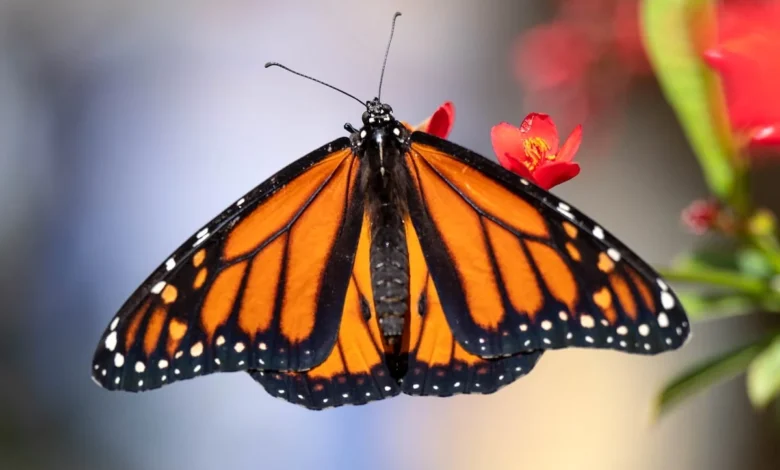
The delicate balance of the Western monarch butterfly population, already teetering on the edge of ecological collapse, faced a catastrophic setback in early 2024 when hundreds of butterflies were discovered dead or dying at one of their most iconic overwintering grounds. A new peer-reviewed study, published in the journal Environmental Toxicology and Chemistry, has now provided definitive evidence linking this mass mortality event to a lethal "toxic cocktail" of pesticides. The research, led by scientists at the Xerces Society for Invertebrate Conservation, reveals that the butterflies were exposed to a staggering array of insecticides, herbicides, and fungicides, many of which reached concentrations high enough to trigger acute neurotoxic poisoning.
The findings have sent shockwaves through the conservation community, as they highlight the extreme vulnerability of the Western monarch (Danaus plexippus) during its critical overwintering phase. While habitat loss and climate change have long been cited as primary drivers of the species’ decline, this study underscores the immediate and lethal threat posed by chemical runoff and pesticide drift from surrounding agricultural and urban landscapes.
The Pacific Grove Incident: A Chronology of Discovery
The investigation began in January 2024, when volunteers and researchers at the Pacific Grove Monarch Sanctuary in Monterey County, California, noticed a disturbing sight. Pacific Grove, famously known as "Butterfly Town, USA," has historically hosted thousands of monarchs that migrate from across the Western United States to cluster in its microclimate-controlled eucalyptus and pine groves. However, instead of the vibrant clusters typical of the season, observers found hundreds of butterflies littering the ground, exhibiting tremors, paralysis, and an inability to fly—classic symptoms of neurotoxicity.
In the immediate aftermath of the discovery, local officials in Monterey County conducted a preliminary review. While the county recognized the severity of the die-off, they were unable to pinpoint the exact source of the contamination or the specific chemicals involved. Seeking a more rigorous scientific explanation, the Xerces Society for Invertebrate Conservation stepped in to conduct a comprehensive forensic analysis.
Researchers collected samples of the deceased butterflies and subjected them to advanced laboratory testing, including liquid and gas chromatography and mass spectrometry. These techniques allow scientists to detect chemical substances at incredibly minute levels, identifying the specific molecular "fingerprints" of various pesticides. The results of these tests, which form the basis of the newly published study, confirmed the presence of 15 different man-made chemicals on the butterfly carcasses.
The Toxic Profile: Analyzing the Chemical Cocktail
The study’s lead author, Staci Cibotti, a pesticide risk prevention specialist at the Xerces Society, described the findings as a grim testament to the chemical saturation of the modern landscape. According to the research, each individual butterfly tested contained an average of seven different pesticides. This poly-chemical exposure suggests that the monarchs were not victims of a single wayward spray, but rather a complex accumulation of toxins.
Among the 15 chemicals identified, three human-made pyrethroid insecticides—bifenthrin, cypermethrin, and permethrin—were found at or near doses known to be lethal to insects. Pyrethroids are a class of synthetic chemicals modeled after natural pyrethrins found in chrysanthemum flowers; however, they are engineered to be more persistent in the environment and more toxic to nervous systems. They work by overstimulating the nerve cells of insects, leading to paralysis and eventually death.
The data revealed that every single butterfly sample tested positive for both bifenthrin and cypermethrin. Furthermore, all but two samples contained permethrin. The presence of these specific chemicals is particularly concerning because they are widely used in both commercial agriculture and residential pest control. Bifenthrin, for instance, is frequently applied to combat ants and termites in urban settings, while also being used on a variety of crops. Cypermethrin and permethrin are common ingredients in mosquito abatement sprays and household bug sprays.
A Population in Peril: Supporting Data and Trends
The 2024 mass die-off occurred against a backdrop of a decades-long population freefall for the Western monarch. To understand the gravity of losing hundreds of individuals in a single event, it is necessary to examine the broader census data provided by the Xerces Society’s annual Western Monarch Count.
In the 1980s, an estimated 4.5 million Western monarchs overwintered along the California coast. By the mid-2010s, those numbers had plummeted into the low hundreds of thousands. The situation turned dire in 2018 and 2019, when the count dropped below 30,000—a threshold researchers consider the "quasi-extinction" level, below which the migration may no longer be sustainable.
While there was a slight, hopeful rebound in 2021 and 2022, the 2024 count revealed the second-lowest numbers ever recorded. By early 2025, the total number of overwintering Western monarchs had fallen to a staggering low of just 9,119 individuals across the entire state of California. With the total population reduced to such a fragile number, the loss of even a few hundred butterflies at a site like Pacific Grove represents a significant blow to the genetic diversity and reproductive potential of the entire migration.

The International Union for Conservation of Nature (IUCN) currently lists the migratory monarch butterfly as endangered. Furthermore, a report from the U.S. Fish and Wildlife Service, cited by the Los Angeles Times, estimates that the Western monarch population faces a 99% probability of extinction by the year 2080 if current trends are not reversed.
The Vulnerability of Overwintering Refuges
The study highlights a tragic irony: the very places where monarchs seek refuge from the winter cold are often the places where they are most exposed to chemical hazards. Western monarchs rely on a narrow band of the California coast that provides the specific humidity and temperature required for their survival during the winter months. However, these coastal enclaves are often situated in close proximity to high-density residential areas and intensive agricultural zones.
"Western monarch butterflies are vulnerable to pesticide residue and drift from nearby farms and urban areas," Staci Cibotti explained. The concept of "pesticide drift" refers to the unintentional movement of pesticides through the air to areas outside the intended application site. Because monarchs congregate in massive numbers in very small geographic areas during the winter, a single poorly timed or improperly applied pesticide treatment nearby can have a disproportionately large impact.
This phenomenon is not isolated to California. The study references a similar "monarch massacre" that occurred in North Dakota in September 2020. In that instance, hundreds of monarchs were found dead following an aerial mosquito control application that took place during the butterflies’ peak migration through the region. These events demonstrate that during migration and overwintering, monarchs are "sitting ducks" for environmental toxins.
Official Responses and Calls for Reform
In the wake of the study’s publication, conservationists and scientists are calling for immediate policy interventions to protect the remaining monarch population. Emily May, a co-author of the study and agricultural conservation lead at the Xerces Society, emphasized that the survival of the species depends on more than just planting milkweed.
"Protecting monarchs from pesticides will require both public education and policy change," May stated. "We are committed to working with communities and decision-makers to ensure that overwintering sites are healthy refuges for these butterflies."
The Xerces Society has outlined a series of urgent recommendations based on the study’s findings:
- Establishment of Pesticide-Free Buffer Zones: Creating mandatory "no-spray" zones around known overwintering sites to prevent drift from reaching sensitive habitats.
- Increased Public Education: Informing homeowners and landscaping companies about the risks that common backyard pesticides pose to pollinators and encouraging the use of non-toxic alternatives.
- Enhanced Monitoring and Tracking: Requiring public officials to better track pesticide applications near sensitive ecological areas and to coordinate mosquito abatement programs with monarch migration schedules.
- Regulatory Reform: Urging the Environmental Protection Agency (EPA) and state regulators to incorporate more rigorous butterfly-specific toxicity data into the pesticide registration and review process.
Broader Ecological Implications and Analysis
The mass die-off of monarchs serves as a "canary in the coal mine" for the broader health of the environment. Monarchs are considered an indicator species; their health reflects the state of the ecosystems they inhabit. If the environment has become toxic enough to cause mass mortality in a relatively hardy species like the monarch, the implications for other, less visible pollinators—such as native bees, moths, and beetles—are likely even more severe.
Furthermore, the presence of 15 different chemicals on a single group of insects points to the phenomenon of "synergistic effects." Regulatory agencies often test the safety of pesticides in isolation. However, scientific research increasingly shows that when multiple chemicals are combined, their total toxicity can be far greater than the sum of their parts. The "toxic cocktail" found in the Pacific Grove monarchs suggests that current regulatory frameworks may be vastly underestimating the true risk of pesticide use in the real world.
The economic and cultural impact of the monarch’s decline is also significant. In California, monarch tourism provides a seasonal boost to coastal economies. More importantly, the loss of the monarch migration would represent the disappearance of one of nature’s most spectacular phenomena—a multi-generational journey that has fascinated humans for centuries.
As the Western monarch population hovers at less than 1% of its historical size, the 2024 Pacific Grove study provides a clear and urgent mandate for action. The transition from "refuge" to "death trap" for these butterflies is a man-made problem, and the study suggests that without a fundamental shift in how pesticides are managed near sensitive habitats, the 2080 extinction deadline may arrive much sooner than anticipated. The survival of the Western monarch now rests not just on the resilience of the butterfly, but on the willingness of human societies to mitigate the chemical footprint they leave on the natural world.