
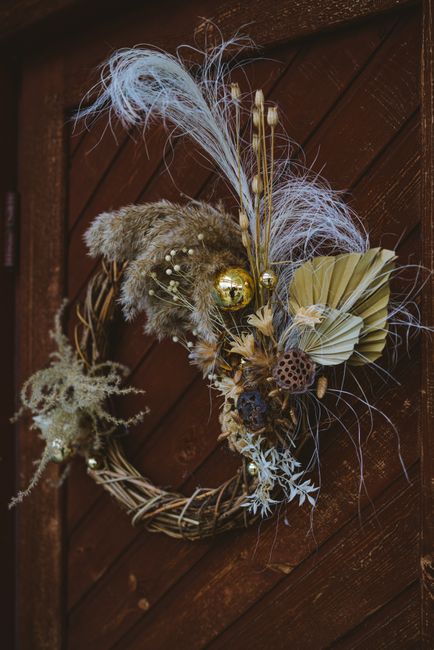
The Tag Feather Butterfly Wreath: An Artistic Synthesis of Nature’s Ephemera and Bespoke Craftsmanship
The tag feather butterfly wreath represents a captivating intersection of natural artistry and human ingenuity, transforming delicate, shed avian plumage and the ethereal forms of butterflies into intricate decorative pieces. These wreaths are not merely adornments; they are meticulously crafted compositions that evoke the ephemeral beauty of the natural world. The term "tag feather" specifically refers to feathers that have been naturally shed by birds, often found during molting seasons. This sustainable sourcing is a key aspect of the wreath’s appeal, aligning with a growing appreciation for eco-conscious decor. The incorporation of butterfly motifs, whether through preserved specimens, artistic renderings, or feather-dyed recreations, adds a layer of vibrant color and symbolic significance. The creation process is labor-intensive, requiring a keen eye for detail, a nuanced understanding of color theory, and exceptional dexterity. Each feather is often individually selected, cleaned, and prepared before being artfully arranged. Similarly, the butterfly elements are integrated with precision to create a balanced and visually striking composition. The finished tag feather butterfly wreath transcends simple decoration, becoming a unique statement piece that brings a touch of the wild, in its most refined form, into interior spaces. Its appeal lies in its ability to capture the fleeting moments of nature and render them into a lasting work of art.
The foundational elements of a tag feather butterfly wreath are its constituent materials: tag feathers and butterfly representations. Tag feathers, naturally shed by birds, offer an extraordinary range of textures, colors, and sizes. From the soft down of a dove to the iridescent shimmer of a jay’s wing feather, or the bold patterns of a pheasant’s tail feather, the inherent diversity provides a rich palette for the artisan. The sourcing of these feathers is crucial, emphasizing ethical and sustainable practices. Collectors often gather feathers from areas where birds congregate, such as parks, aviaries, or natural habitats, ensuring no harm comes to the avian populations. This practice aligns with a growing consumer desire for products that are both beautiful and environmentally responsible. The cleaning and preparation of these feathers involve meticulous processes to ensure durability and aesthetic appeal. This can include gentle washing, disinfection, and sometimes, a light conditioning to restore their natural luster. The inherent imperfections and unique markings of each feather contribute to the individual character of the wreath, preventing any two from being identical.
The butterfly element introduces a vibrant counterpoint to the more subdued tones often found in natural feathers. These can manifest in several ways. The most direct approach involves the use of preserved butterfly specimens. These are meticulously prepared, often through a process of pinning and setting, to maintain their original beauty. The ethical sourcing of these specimens is paramount, with responsible collectors obtaining them from breeders or from naturally deceased individuals to avoid any impact on wild populations. Alternatively, artisans may create butterfly forms from dyed feathers. This involves skillfully cutting and shaping feathers, then using natural or eco-friendly dyes to replicate the intricate patterns and vibrant hues of various butterfly species. This method offers immense creative freedom, allowing for the creation of entirely unique butterfly designs. Another approach involves the use of high-quality artistic prints or decoupage, which are then incorporated into the wreath structure. Regardless of the method employed, the butterfly serves as a focal point, adding a dynamic and symbolic dimension to the wreath. The combination of the organic, earthy textures of feathers with the delicate, often brightly colored forms of butterflies creates a compelling visual dialogue within the artwork.
The construction of a tag feather butterfly wreath is a testament to artisanal skill and patience. The base of the wreath is typically formed from natural materials such as grapevine, rattan, or a sturdy wire frame. This foundation provides the structural integrity upon which the decorative elements are meticulously attached. The process begins with the careful arrangement of the tag feathers. Artisans often categorize feathers by size, color, and type to create visual harmony and depth. This can involve layering feathers to create a full, luxurious effect, or strategically placing them to highlight specific textures and patterns. The orientation of each feather is considered, with individual barbs sometimes being meticulously aligned or fanned out to achieve a desired aesthetic. This is where the artistry truly shines, as the raw materials are transformed through skillful manipulation.
The integration of the butterfly elements is a critical stage. If preserved specimens are used, they are often carefully positioned to appear as if they are landing on or fluttering among the feathers. This might involve delicate wire attachments that allow for subtle movement or a natural-looking pose. For feather-dyed butterflies, each component of the butterfly – wings, body, antennae – is often constructed from shaped and dyed feathers. These are then assembled and attached to the wreath, creating a lifelike illusion. The placement of these butterflies is crucial for balance and visual flow. They are not merely added as an afterthought but are interwoven into the design, guiding the viewer’s eye through the composition. The interplay of colors and textures between the feathers and the butterflies is carefully orchestrated. A common technique is to use a predominantly neutral feather base, allowing vibrantly colored butterfly elements to pop, or to use a gradient of feather colors that complements the butterfly’s wings. The final touches can include subtle embellishments such as dried seed pods, berries, or small, naturalistic figurines to further enhance the naturalistic theme. The overall effect is a three-dimensional artwork that captures the essence of a moment in nature, frozen in time.
The aesthetic appeal and symbolism inherent in tag feather butterfly wreaths contribute significantly to their popularity. From a purely visual standpoint, these wreaths offer a unique blend of organic textures and vibrant colors. The natural, often muted tones of the tag feathers – the earthy browns, soft grays, and subtle whites – provide a grounding element. This organic foundation is then enlivened by the vivid hues and intricate patterns of the butterfly motifs. The contrast between the soft, feathery textures and the more structured, delicate forms of the butterflies creates a dynamic and engaging visual experience. The arrangement itself, whether symmetrical or asymmetrical, radial or cascading, plays a crucial role in the overall aesthetic. Artisans employ principles of design, such as balance, proportion, and rhythm, to create compositions that are both pleasing to the eye and evocative of natural scenes. The interplay of light and shadow across the varied surfaces of the feathers and wings further enhances the depth and realism of the wreath.
Symbolically, both feathers and butterflies carry rich meanings across various cultures and mythologies. Feathers are often associated with birds, which in turn symbolize freedom, spirituality, messengers, and journeys. They can represent ascension, the connection between the earthly and the divine, or simply the lightness and grace of flight. The act of finding a shed feather is often seen as a positive omen or a gift from nature. Butterflies, on the other hand, are potent symbols of transformation, metamorphosis, and renewal. Their life cycle, from caterpillar to chrysalis to winged beauty, is a powerful metaphor for personal growth, change, and the emergence of new beginnings. In many traditions, butterflies are also associated with the soul, with joy, and with the ephemeral nature of beauty. The combination of these elements in a wreath creates a layered symbolic narrative. It speaks to the cyclical nature of life, the beauty of transformation, and the delicate balance of the natural world. A tag feather butterfly wreath can therefore be more than just a decorative item; it can be a meaningful object that resonates with personal aspirations, life changes, or a profound appreciation for the wonders of nature.
The versatility of tag feather butterfly wreaths makes them suitable for a wide array of interior design styles and applications. Their inherent naturalism and artisanal craftsmanship allow them to integrate seamlessly into environments that celebrate organic textures and handcrafted elements. For homes with a rustic or farmhouse aesthetic, these wreaths can serve as a focal point on a wooden door, above a fireplace, or as part of a gallery wall. The earthy tones of the feathers and the delicate charm of the butterflies complement natural wood, stone, and linen textures, enhancing the cozy and inviting atmosphere. In more contemporary or minimalist spaces, a thoughtfully designed tag feather butterfly wreath can introduce a sophisticated pop of color and organic artistry. Hung against a clean, neutral wall, it can act as a striking sculptural element, adding visual interest without overwhelming the space. For bohemian or eclectic interiors, the wreaths lend themselves perfectly to layering with other decorative items, adding a touch of whimsical elegance and a connection to nature.
Beyond residential interiors, tag feather butterfly wreaths find applications in commercial spaces seeking to evoke a sense of natural beauty and artisanal quality. Boutique hotels, spas, and wellness centers can use these wreaths to create a serene and calming ambiance, aligning with their brand values. Gift shops and art galleries can showcase them as unique, handcrafted pieces that appeal to discerning customers seeking one-of-a-kind items. Event planners can incorporate them into wedding decor, particularly for outdoor or nature-themed ceremonies, as table centerpieces, ceremony backdrops, or even as part of bridal bouquets. The adaptability in size and design means that a wreath can be tailored to specific needs, from small, delicate accent pieces to larger, more dramatic installations. The enduring appeal of these wreaths lies in their ability to bring a sense of the outdoors in, offering a sophisticated and artful interpretation of natural elements. They are not trend-driven decorations but rather timeless pieces that can enhance the aesthetic and emotional resonance of any space they inhabit.
The process of creating a tag feather butterfly wreath is a highly specialized craft that involves a unique set of skills and an intimate understanding of natural materials. The initial stage, feather sourcing and preparation, is foundational. Artisans must possess knowledge of different bird species and their feather types to select materials that offer the desired visual and textural qualities. Ethical sourcing is paramount, ensuring that feathers are collected responsibly without any harm to avian populations. This often involves meticulous searching of natural habitats, parklands, or aviaries during molting seasons. Once gathered, the feathers undergo a thorough cleaning and sanitization process. This typically involves gentle washing with mild soap and water, followed by meticulous drying to prevent mold or mildew. Some artisans may also employ natural disinfectants or steaming techniques to ensure the feathers are hygienic and free from parasites. The preservation of the feather’s integrity and natural beauty is a key concern during this phase.
The creation of butterfly elements requires distinct techniques, depending on whether preserved specimens or artistic recreations are used. For preserved butterflies, the artisan must have a delicate touch and a strong understanding of anatomy to properly position and mount them. This often involves using fine wires and specialized adhesives to secure the specimens without damaging their fragile wings. If feather-dyed butterflies are being created, the artisan must possess advanced dyeing and shaping skills. This involves cutting and manipulating individual feathers to mimic the intricate shapes of butterfly wings, bodies, and antennae. The application of dyes must be precise to achieve realistic patterns and vibrant colors. This stage can be incredibly labor-intensive, with each feather being individually treated and shaped.
The assembly of the wreath itself is a complex process of design and execution. The base, whether grapevine, rattan, or wire, needs to be sturdy enough to support the weight of the embellishments. The layering and arrangement of feathers require an artistic eye for composition, balance, and flow. Each feather must be carefully considered for its placement, orientation, and interaction with neighboring elements. This is often achieved through the use of strong, yet discreet, adhesives or by carefully weaving the feather quills into the base structure. The integration of the butterfly elements is a critical step, ensuring they are harmoniously incorporated into the feather composition. This involves careful consideration of scale, color, and placement to create a visually cohesive and dynamic effect. The final touches may involve the addition of other natural embellishments, such as dried berries, seed pods, or moss, which are attached with similar precision. The entire process demands patience, a refined aesthetic sensibility, and a deep respect for the natural materials being utilized.
The SEO-friendly keywords that are most relevant to this comprehensive article include: tag feather butterfly wreath, feather wreath, butterfly wreath, natural wreath, handcrafted wreath, eco-friendly decor, sustainable decor, artisan wreath, bird feather decor, preserved butterfly decor, feather art, nature-inspired decor, home decor, wall art, unique gifts, artistic home decor, natural embellishments, handmade home decor, bird plumage art, butterfly art. Further keyword variations and long-tail keywords could include: how to make a feather butterfly wreath, where to buy tag feather butterfly wreaths, meaning of feather butterfly wreaths, ethical feather decor, natural material wreaths, unique wall hangings, handcrafted nature art, bespoke feather creations, butterfly and feather arrangement. The strategic integration of these keywords throughout the article, particularly in headings, subheadings, and the body text, will enhance its visibility in search engine results for individuals seeking information or products related to tag feather butterfly wreaths. The emphasis on natural materials, craftsmanship, and aesthetic appeal directly addresses the search intent of users looking for unique and artful decorative items.
The longevity and care of a tag feather butterfly wreath are important considerations for owners seeking to preserve its beauty and integrity. Due to the natural and delicate nature of the materials used, these wreaths require specific care to prevent degradation and maintain their visual appeal. Direct sunlight is a primary adversary, as prolonged exposure can cause the vibrant colors of both the feathers and any dyed butterfly elements to fade significantly. Similarly, excessive moisture can lead to mold, mildew, and the deterioration of feather structure. Therefore, it is advisable to hang these wreaths in areas with stable humidity levels and away from direct light sources, such as north-facing windows or interior walls. Dust accumulation is inevitable, and gentle cleaning methods are essential. A soft-bristled brush, such as a makeup brush or a fine paintbrush, can be used to delicately remove dust from individual feathers and butterfly wings. For more stubborn dust, a can of compressed air, held at a distance, can be employed to gently blow away debris without causing damage. It is crucial to avoid any harsh cleaning agents, water spraying, or vigorous rubbing, as these actions can easily dislodge feathers, break delicate butterfly wings, or damage the underlying structure of the wreath.
When not on display, proper storage is vital. The wreath should be carefully placed in a protective container, such as a sturdy cardboard box or a dedicated wreath storage bag, to shield it from dust, pests, and physical damage. Padding with acid-free tissue paper can provide an extra layer of protection, preventing elements from shifting or becoming crushed. If the wreath is particularly delicate or incorporates preserved insect specimens, extreme caution should be exercised during handling and storage. Regular, albeit gentle, inspection of the wreath can help identify any potential issues, such as loose feathers or signs of damage, allowing for prompt attention and repair. By adhering to these care and maintenance guidelines, the inherent beauty and artisanal value of a tag feather butterfly wreath can be preserved for many years, continuing to be a captivating piece of natural art.
The enduring appeal of tag feather butterfly wreaths lies in their ability to resonate with a desire for unique, handcrafted objects that connect us to the natural world. In an era increasingly dominated by mass-produced goods, the appreciation for artisanal creations that embody skill, patience, and a deep understanding of materials continues to grow. These wreaths are not merely decorative objects; they are tangible expressions of nature’s artistry, thoughtfully curated and meticulously assembled by skilled hands. The use of ethically sourced, shed feathers speaks to a growing environmental consciousness, offering a sustainable alternative to other decorative items. The incorporation of butterfly motifs adds a layer of symbolic richness, evoking themes of transformation, beauty, and the ephemeral wonders of the natural world. Whether gracing the entrance of a home, adorning an interior wall, or serving as a unique gift, a tag feather butterfly wreath offers a distinctive blend of organic elegance and artistic expression, bringing a touch of wild beauty and refined craftsmanship into any space.

