
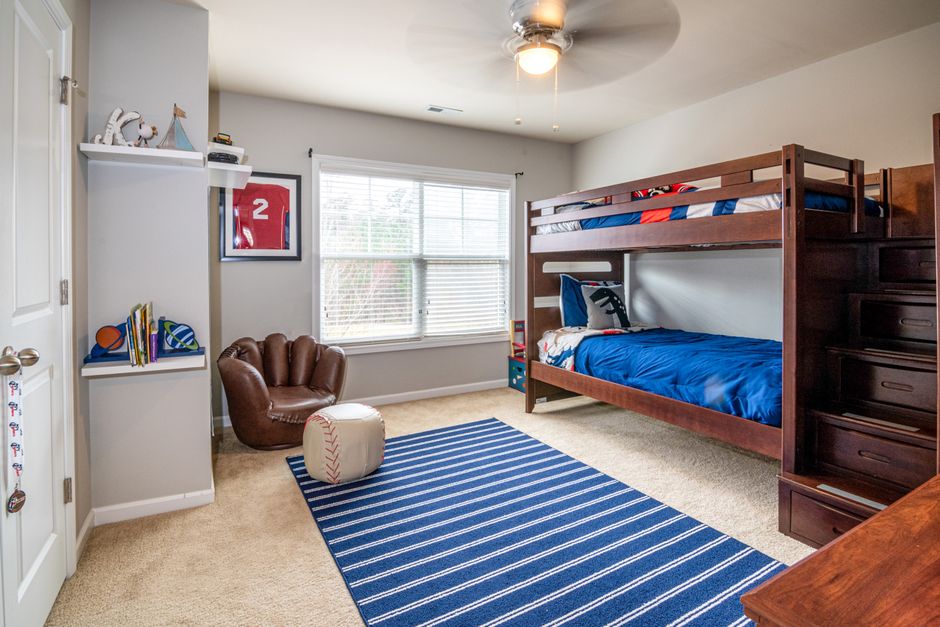
Tag Kids Bedroom Makeover: Transform Your Child’s Space for Growth and Joy
A kids bedroom makeover is more than just redecorating; it’s an opportunity to create a functional, inspiring, and personalized space that supports your child’s development, sparks their imagination, and fosters independence. This comprehensive guide will walk you through every stage of a tag kids bedroom makeover, from planning and budgeting to choosing themes, furniture, storage solutions, and the final decorative touches. We’ll focus on actionable strategies and SEO-friendly keywords to ensure your content resonates with parents seeking practical advice and creative ideas.
Keywords: kids bedroom makeover, children’s room design, bedroom renovation for kids, boys bedroom ideas, girls bedroom ideas, toddler bedroom makeover, teen bedroom design, kids room storage, kids bedroom themes, budget bedroom makeover for kids, DIY kids bedroom, personalized kids room, functional kids bedroom, stimulating kids room, inspiring children’s spaces, kid-friendly furniture, wall decor for kids room, lighting for kids bedroom, safety in kids bedroom, organizing kids bedroom, age-appropriate bedroom design, gender-neutral kids room.
Phase 1: Planning and Budgeting Your Kids Bedroom Makeover
Before a single paint swatch is chosen, meticulous planning is crucial for a successful kids bedroom makeover. This phase involves assessing current needs, understanding your child’s preferences, and establishing a realistic budget.
Assessing Current Needs and Your Child’s Input:
Begin by evaluating the existing room. What’s working? What isn’t? Consider your child’s age, developmental stage, and evolving interests. For toddlers, safety and easy access are paramount. For school-aged children, the need for a study area and ample storage for books and toys increases. Teenagers require more personal space, privacy, and a reflection of their burgeoning identity. Crucially, involve your child in this process. Their input is invaluable for creating a space they’ll genuinely love and feel ownership over. Ask them about their favorite colors, characters, hobbies, and what activities they perform in their room. This collaborative approach ensures the final design resonates with them.
Setting a Realistic Budget:
A kids bedroom makeover can range from a simple refresh to a complete renovation. Determine your budget early on. Break down potential costs: paint, flooring, furniture, lighting, storage solutions, decor, and labor (if applicable). Research prices for items you’re considering. Look for sales, discounts, and consider DIY options to save money. A well-defined budget prevents overspending and guides your purchasing decisions. Prioritize essential elements like a comfortable bed and adequate storage, then allocate remaining funds for decorative accents.
Timeline and Phased Approach:
Establish a realistic timeline for your makeover. Consider your child’s school schedule and any disruption the renovation might cause. For larger makeovers, a phased approach can be beneficial. For example, focus on structural changes and furniture first, then move on to painting and decorative elements. This makes the project feel more manageable and allows you to spread costs over time.
Phase 2: Choosing a Theme and Color Palette
The theme and color palette form the foundation of your kids bedroom makeover, setting the mood and aesthetic.
Brainstorming Age-Appropriate Themes:
Themes can be broad or specific, catering to a child’s current passions. For younger children, popular themes include:
- Animals: Jungle, farm, safari, ocean creatures.
- Fantasy: Fairies, princesses, dragons, superheroes, outer space.
- Transportation: Cars, trains, planes.
- Nature: Forests, rainbows, camping.
For older children and tweens, themes can lean towards:
- Hobbies: Sports, music, art, gaming.
- Travel/Exploration: World maps, famous landmarks.
- Abstract: Geometric patterns, minimalist designs.
- Personal Interests: Favorite books, movies, or characters.
Consider themes that can grow with your child, or opt for more neutral elements that can be easily updated with accessories.
Selecting a Color Palette:
Colors significantly impact a child’s mood and the overall atmosphere of the room.
- Calming Colors: Soft blues, greens, lavenders, and muted neutrals promote relaxation and are ideal for sleeping areas.
- Energizing Colors: Bright yellows, oranges, and reds can stimulate creativity and play but should be used judiciously, perhaps as accent colors, to avoid overstimulation.
- Gender-Neutral Palettes: Consider earthy tones, grays, whites, and pastels for a versatile and timeless feel. This is particularly useful for shared rooms or if you anticipate future children.
Incorporating Personalization:
Beyond themes, infuse the room with your child’s personality. This can be achieved through:
- Artwork: Display your child’s own creations.
- Photos: Frame cherished family memories.
- Personal Collections: Showcase their favorite toys, books, or memorabilia.
- Custom Elements: Monograms, name decals, or personalized bedding.
Phase 3: Furniture Selection for Functionality and Style
Choosing the right furniture is paramount for a functional and comfortable kids bedroom makeover. Prioritize safety, durability, and multi-functionality.
Bed Options and Sizing:
The bed is the centerpiece of any bedroom. Consider:
- Cribs/Toddler Beds: For very young children, safety rails and sturdy construction are essential.
- Twin Beds: A standard for most children, offering ample space for growth.
- Bunk Beds/Loft Beds: Excellent space-saving solutions, ideal for siblings sharing a room or for maximizing floor space for play. Loft beds can also incorporate desk or play areas underneath.
- Daybeds/Trundle Beds: Versatile options that can serve as a sofa during the day and accommodate guests at night.
Ensure the mattress is supportive and comfortable. Consider bed frames made from sustainable materials.
Storage Solutions: The Key to an Organized Room:
Effective storage is critical for maintaining order in a kids bedroom.
- Closets: Maximize closet space with adjustable shelving, hanging rods, and drawer units.
- Dressers and Chests of Drawers: Choose sturdy options with smooth-gliding drawers.
- Bookshelves: Open shelving for easy access to books and display of treasures.
- Toy Boxes/Bins: Opt for easy-to-access containers, perhaps with lids to conceal clutter. Consider rolling bins for mobility.
- Under-Bed Storage: Utilize drawers or bins that slide neatly beneath the bed frame.
- Wall-Mounted Shelves: Create vertical storage and free up floor space.
- Modular Storage Systems: Adaptable solutions that can be reconfigured as your child’s needs change.
Desk and Study Area (for older children):
As children get older, a dedicated desk and study area becomes essential. Ensure adequate lighting, comfortable seating, and sufficient surface area for homework and creative projects. Consider built-in desks for a seamless look or freestanding options that can be moved.
Play and Relaxation Zones:
Dedicate space for play and relaxation. This could include a comfortable beanbag chair, a small reading nook with cushions, or an open area for floor play.
Phase 4: Walls, Flooring, and Lighting: Setting the Atmosphere
These elements significantly influence the room’s ambiance and functionality.
Wall Treatments:
- Paint: The most versatile and budget-friendly option. Consider washable paints for easy cleaning.
- Accent Walls: Use a bold color or pattern on one wall to create a focal point.
- Murals: Hand-painted or decal murals can transform a room into a magical space.
- Wallpaper: Offers a wide range of patterns and textures, from playful to sophisticated.
- Wall Decals and Stickers: A temporary and easy way to add personality and change the look of the room as your child grows.
- Wall Art: Framed prints, posters, or a gallery wall of your child’s artwork.
Flooring:
- Carpet: Provides warmth and cushioning, ideal for play areas. Choose low-pile, stain-resistant options.
- Laminate/Vinyl Flooring: Durable, easy to clean, and often more affordable than hardwood.
- Hardwood Flooring: A classic and durable option, but can be cold and requires rugs for warmth and comfort.
- Rugs: Add color, texture, and warmth to any flooring type. Ensure they are securely placed to prevent slips.
Lighting:
Good lighting is crucial for various activities and creating a welcoming atmosphere.
- Overhead Lighting: A central ceiling fixture provides general illumination.
- Task Lighting: Desk lamps for studying and bedside lamps for reading.
- Accent Lighting: String lights, nightlights, or decorative lamps can add ambiance.
- Natural Light: Maximize natural light by keeping windows unobstructed. Consider blackout curtains for better sleep.
- Dimmer Switches: Allow for adjustable light levels, creating a more versatile space.
Phase 5: Decorative Touches and Finishing the Look
This is where personality truly shines in your kids bedroom makeover.
Window Treatments:
- Curtains/Blinds: Control light, provide privacy, and add to the room’s aesthetic. Consider cordless options for child safety.
- Blackout Curtains: Essential for ensuring good sleep, especially for younger children or during summer months.
Bedding and Textiles:
- Duvet Covers/Quilts: Choose designs that reflect your child’s interests.
- Pillows and Cushions: Add comfort and decorative flair.
- Throws: Cozy additions for cooler nights or lounging.
Accessorizing and Personalization:
- Mirrors: Can make a room feel larger and brighter. Ensure they are securely mounted.
- Plants: Introduce a touch of nature (ensure they are non-toxic and out of reach if necessary).
- Storage Accessories: Decorative baskets, bins, and drawer organizers.
- Personalized Items: As mentioned earlier, custom name signs, monograms, or photo displays.
Safety First:
Throughout the makeover, prioritize safety:
- Secure Furniture: Anchor tall furniture to the wall to prevent tipping.
- Cordless Window Coverings: Eliminate strangulation hazards.
- Non-Toxic Paints and Materials: Choose products with low VOCs.
- Outlet Covers: Protect curious fingers.
- Rounded Furniture Edges: Minimize the risk of bumps and bruises.
- Clear Floor Space: Reduce tripping hazards.
Phase 6: Ongoing Maintenance and Adaptability
A kids bedroom makeover isn’t a one-time event. Children grow, their interests change, and their needs evolve.
Regular Decluttering and Organization:
Implement systems for ongoing organization. Involve your child in the tidying process. Rotate toys and books to keep things fresh and manageable.
Adapting to Growth:
As your child grows, their room needs will change. Be prepared to:
- Update Bedding and Decor: Swap out themes and colors as their preferences shift.
- Adjust Furniture: Transition from a toddler bed to a twin, or upgrade a desk as they enter school.
- Reconfigure Storage: Adapt storage solutions to accommodate new hobbies and collections.
Involving Children in Maintenance:
Empower your child by involving them in the upkeep of their space. Teach them how to organize their belongings and take pride in their room.
Conclusion:
A tag kids bedroom makeover offers a rewarding opportunity to create a space that nurtures your child’s growth, sparks their imagination, and fosters their independence. By carefully planning, budgeting, and incorporating your child’s unique personality, you can transform their bedroom into a haven they’ll cherish for years to come. Remember to prioritize safety, functionality, and a touch of fun in every decision. The goal is to create a room that is not just aesthetically pleasing but also a supportive environment for your child’s development and happiness.

