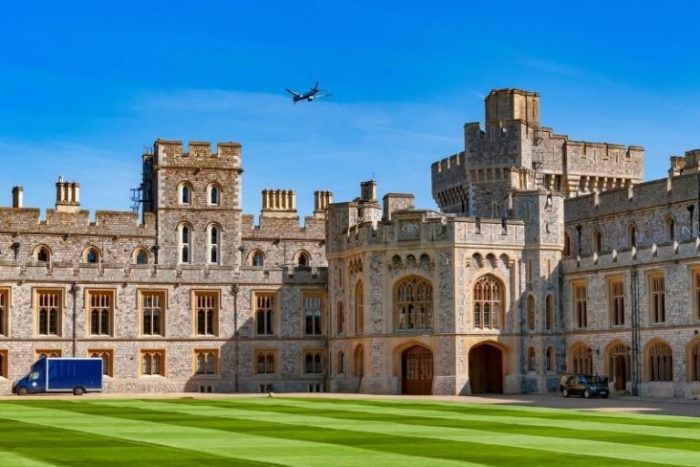
Discover the magic of Windsor Castle this summer, a royal residence steeped in history and grandeur. For centuries, this iconic landmark has served as a home to monarchs, from William the Conqueror to Queen Elizabeth II, each leaving their mark on the castle’s evolving architecture and rich tapestry of stories.
As you step inside, you’ll be transported to a world of opulence and splendor, exploring the State Apartments adorned with lavish decor and priceless artifacts. Immerse yourself in the hallowed halls of St. George’s Chapel, a masterpiece of Gothic architecture, and marvel at the intricate details of Queen Mary’s Dolls’ House, a testament to the craftsmanship of a bygone era.
Windsor Castle is more than just a historical monument; it’s a living testament to the enduring legacy of the British monarchy. Witness the Changing of the Guard ceremony, a captivating spectacle steeped in tradition, and explore the sprawling Windsor Great Park, a verdant oasis teeming with natural beauty and historical landmarks.
Whether you’re captivated by the royal history, the architectural marvels, or the serene gardens, Windsor Castle promises an unforgettable experience.
Windsor Castle: Discover The Magic Of Windsor Castle This Summer
Standing proudly on a hill overlooking the River Thames, Windsor Castle is not only a magnificent architectural marvel but also a testament to the enduring legacy of British monarchy. Its history stretches back centuries, intertwining with the lives of countless monarchs and shaping the very fabric of British history.
A Royal Residence Through the Ages
Windsor Castle has served as a royal residence for over 900 years, witnessing the rise and fall of dynasties and the evolution of British society. Its history is intricately linked to the lives of numerous monarchs, each leaving their mark on the castle’s architecture and its role within the royal court.
William the Conqueror and the Norman Conquest
William the Conqueror, the first Norman king of England, recognized the strategic importance of Windsor’s location and ordered the construction of a wooden motte-and-bailey castle on the site in 1070. This early structure served as a military stronghold and a symbol of Norman power.
Henry III and the Development of the Stone Castle
In the 13th century, King Henry III embarked on an ambitious project to transform the wooden castle into a grand stone structure. He built the Round Tower, a central feature of the castle, and expanded the fortifications. This period saw the development of the castle’s distinctive architectural style, characterized by its imposing towers and fortified walls.
Edward III and the Royal Court
During the reign of Edward III, Windsor Castle became a major center of royal life and power. The king commissioned the construction of St. George’s Chapel, a masterpiece of Gothic architecture, and established the Order of the Garter, a prestigious chivalric order whose ceremonies are still held at the castle today.
Planning a summer trip to Windsor Castle? Don’t forget to pack your camera, a picnic basket, and maybe even a little extra time for a touch-up before your royal adventure! If you’re looking to make your makeup last all day, you might want to check out what is baking your makeup and when should you do it – a technique that can help keep your look flawless, even as you explore the castle’s historic grounds and admire the changing of the guard.
After all, you’ll want to look your best for those royal photo ops!
The Tudors and the Renaissance
The Tudor monarchs, particularly Henry VIII and Elizabeth I, continued to invest in Windsor Castle. They renovated and expanded the castle, adding elements of Renaissance style to the existing medieval architecture. The castle became a symbol of Tudor power and grandeur.
The Stuarts and the English Civil War
The Stuart monarchs, including Charles I and Charles II, used Windsor Castle as a retreat and a base for their court. The castle was besieged during the English Civil War, and its role as a symbol of royal authority was challenged.
The Hanoverians and the Victorian Era
The Hanoverian monarchs, starting with George I, continued to use Windsor Castle as a royal residence. Queen Victoria made significant additions to the castle, including the grand State Apartments and the Albert Memorial Chapel, reflecting the Victorian era’s taste for grandeur and elaborate decoration.
Queen Elizabeth II and the Modern Era
Queen Elizabeth II, the current monarch, has continued to use Windsor Castle as a royal residence and a place for official engagements. The castle has been a backdrop for many important events, including state visits, royal weddings, and the Queen’s birthday celebrations.
Exploring the Castle’s Grand Interiors
Step inside Windsor Castle and be transported to a world of regal splendor and historical significance. The castle’s grand interiors are a testament to centuries of royal history, showcasing exquisite craftsmanship, lavish decor, and priceless artifacts.
State Apartments
The State Apartments are a series of interconnected rooms that were once used for royal receptions, ceremonies, and daily life. These rooms are a breathtaking display of opulence, with intricate details, luxurious furnishings, and stunning artwork.The State Apartments are arranged around a central courtyard and feature a collection of opulent rooms, each with its own unique character and purpose.
The rooms are decorated with exquisite tapestries, paintings, and sculptures, reflecting the changing tastes and styles of the monarchs who lived there.The most notable rooms include:
- The Grand Staircase: A grand and imposing staircase, the centerpiece of the State Apartments, is adorned with marble statues and a magnificent chandelier. It is the first glimpse of the grandeur that awaits visitors within the castle.
- The Throne Room: The Throne Room is a grand hall with a raised dais where the monarch would sit during official ceremonies. The room is decorated with ornate gold and silver furnishings, including a magnificent throne, a testament to the power and prestige of the British monarchy.
- The Waterloo Chamber: The Waterloo Chamber commemorates the Battle of Waterloo, a pivotal victory for the British in the Napoleonic Wars. The room features portraits of the Allied leaders who participated in the battle, including King George IV and the Duke of Wellington.
- The St. George’s Hall: The St. George’s Hall is the largest room in the State Apartments, used for grand banquets and state dinners. It is a magnificent space with a vaulted ceiling and intricate carvings, showcasing the craftsmanship of the Victorian era.
St. George’s Chapel
St. George’s Chapel, located within the castle grounds, is a masterpiece of Gothic architecture and a place of immense historical significance. The chapel is the burial place of many monarchs, including Henry VIII and his third wife, Jane Seymour.
It is also the site of royal weddings, most notably the wedding of Prince Harry and Meghan Markle in 2018.
- The chapel’s intricate stained glass windows depict scenes from the life of St. George, the patron saint of England. The chapel’s interior is adorned with intricate carvings, including the famous “stall plates,” which depict the coats of arms of the Knights of the Garter, a prestigious order of chivalry.
- The chapel’s choir is renowned for its beauty and acoustics. The choir sings daily services, offering visitors a chance to experience the tradition of royal worship.
Queen Mary’s Dolls’ House
Queen Mary’s Dolls’ House is a miniature masterpiece, meticulously crafted to be a replica of a grand English house. The house was commissioned by Queen Mary in the 1920s and was a gift to her grandchildren. It is a remarkable testament to the craftsmanship and artistry of the time.
- The dolls’ house is a remarkable example of miniature craftsmanship. It features working lights, plumbing, and even a miniature library with working books. The house is furnished with exquisite miniature furniture, paintings, and even a miniature collection of royal jewels.
The dolls’ house is a testament to the attention to detail and the level of craftsmanship that was possible in the early 20th century.
- The dolls’ house provides a glimpse into the lifestyle of the royal family in the 1920s. The house is furnished with items that were fashionable at the time, including miniature furniture, clothing, and accessories. The dolls’ house is a window into a bygone era, offering visitors a unique perspective on the lives of the royal family.
Planning a summer trip to the UK? Don’t miss the chance to discover the magic of Windsor Castle! If you’re looking for inspiration for your own castle-themed decor, check out elsies main bedroom tour for some truly royal ideas.
After all, a little bit of castle charm can make any home feel like a fairytale.
Windsor Castle: Discover The Magic Of Windsor Castle This Summer
Windsor Castle, the oldest and largest occupied castle in the world, is not just a historic monument but a vibrant and living symbol of the British monarchy. It continues to be a working royal residence, hosting a multitude of royal activities and events throughout the year.
Ongoing Royal Activities and Events
Windsor Castle serves as a backdrop for numerous royal events, showcasing the continuity of the monarchy. The castle hosts state visits from dignitaries and monarchs around the world, providing a grand setting for diplomatic engagements. Royal ceremonies, such as weddings, christenings, and investitures, are often held within the castle walls, marking significant moments in the lives of the royal family.
Public tours offer visitors a glimpse into the history and grandeur of Windsor Castle, allowing them to explore its state apartments, royal art collections, and historic grounds. These tours provide a unique opportunity to experience the castle’s rich heritage and understand its ongoing role as a royal residence.
The Changing of the Guard Ceremony, Discover the magic of windsor castle this summer
The Changing of the Guard ceremony, a traditional and iconic spectacle, takes place daily at Windsor Castle. This ceremony dates back centuries, symbolizing the continuous presence of the monarch’s guard. The ceremony involves the changing of the guard, with the new guard taking over the responsibility of protecting the castle.
The visual spectacle of the ceremony is captivating, featuring the precise movements of the guards in their distinctive red uniforms and bearskin hats. The ceremony includes a musical accompaniment by the band, adding to the grandeur and tradition of the event.
The Changing of the Guard ceremony is a popular tourist attraction, drawing crowds to witness this historical tradition. It serves as a reminder of the enduring legacy of the British monarchy and the symbolic role of Windsor Castle as a royal residence.
Areas Open to the Public
Windsor Castle offers a range of areas open to the public, each providing a unique insight into the castle’s history and grandeur. Here’s a table showcasing the different areas, their operating hours, ticket prices, and accessibility information:
| Area | Operating Hours | Ticket Prices | Accessibility |
|---|---|---|---|
| State Apartments | 10:00 am
5 Planning a summer trip? Windsor Castle is a must-see! But, before you go, take a moment to appreciate the importance of community engagement in resource development, as exemplified by Canadian North Resources’ commitment to collaboration in the Ferguson Lake Project. Canadian North Resources strengthens the community engagement and consultation for exploration and development of the ferguson lake project. It’s a reminder that responsible resource management requires a thoughtful approach, just like planning a memorable trip to Windsor Castle. 30 pm (daily) |
Adults: £26.50, Children: £13.25 | Accessible with ramps and lifts |
| St. George’s Chapel | 10:00 am
5 30 pm (daily) |
Adults: £15.50, Children: £7.75 | Accessible with ramps and lifts |
| Queen Mary’s Dolls’ House | 10:00 am
5 30 pm (daily) |
Included with State Apartments ticket | Accessible with ramps and lifts |
| Windsor Castle Grounds | 10:00 am
5 30 pm (daily) |
Free admission | Accessible with paved paths |
The Royal Landscape
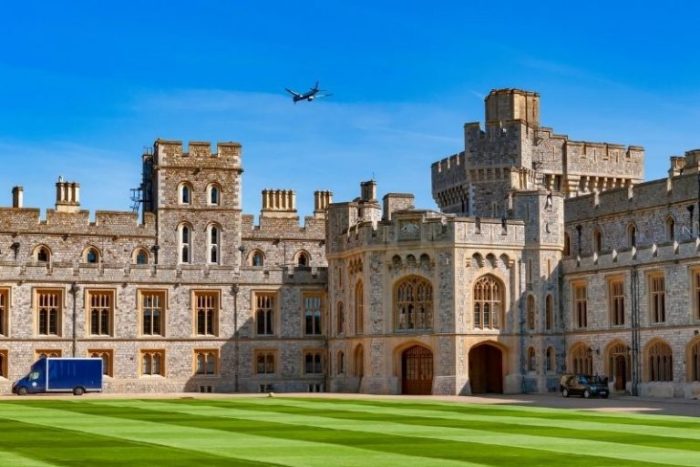
Beyond the imposing walls of Windsor Castle lies a vast and captivating landscape, a testament to centuries of royal history and meticulous landscaping. Windsor Great Park, stretching across 5,000 acres, offers a breathtaking escape from the bustling city, inviting visitors to explore its diverse landscapes and hidden treasures.
Windsor Great Park
Windsor Great Park, a royal park since the time of William the Conqueror, is a landscape of remarkable beauty and historical significance. The park’s vast expanse, encompassing woodlands, meadows, lakes, and gardens, provides a haven for nature enthusiasts and history buffs alike.
The park’s history is intricately woven with that of the castle. Over the centuries, monarchs have shaped the landscape, creating grand avenues, picturesque vistas, and iconic landmarks. The Long Walk, a three-mile-long avenue lined with ancient trees, leads visitors directly to the castle, offering a majestic approach.
The park is also home to the Royal Mausoleum, the final resting place of several British monarchs, and the Copper Horse, a monument commemorating King George III.
Frogmore House
Frogmore House, located within the grounds of Windsor Great Park, is a secluded royal retreat steeped in history and charm. The house, originally built in the 17th century, has served as a private residence for members of the royal family for centuries.
Its intimate gardens, designed in the Victorian era, are a haven of tranquility and beauty, featuring lush foliage, vibrant flowers, and charming pathways.Frogmore House holds special significance as the burial place of Queen Victoria and Prince Albert. Their mausoleum, nestled within the gardens, is a poignant testament to their enduring love.
The house and its gardens also played a significant role in the lives of other royal figures, including Queen Mary and Queen Elizabeth The Queen Mother.
Exploring the Royal Landscape
Visitors can enjoy the beauty of the Windsor Castle grounds in a variety of ways. For a panoramic view of the castle and the surrounding countryside, head to the top of the Round Tower, accessible via a steep climb up the castle’s main tower.
The views from here are truly breathtaking, showcasing the grandeur of the castle and the sprawling landscape beyond.For a leisurely stroll, explore the park’s many walking trails. The Long Walk is a popular choice, offering a picturesque walk through the park’s ancient woodland.
The Savill Garden, known for its vibrant displays of seasonal flowers, provides a tranquil escape from the hustle and bustle. The park also features several lakes, offering opportunities for boat trips and leisurely picnics.
Experiencing the Magic of Windsor Castle
Stepping into Windsor Castle is like stepping back in time. The castle’s history stretches back centuries, and its grandeur and beauty are truly awe-inspiring. From the moment you pass through the gates, you’re enveloped in a sense of history and majesty.
Planning Your Visit
Planning a visit to Windsor Castle is relatively straightforward. The castle is open to the public throughout the year, with varying opening hours depending on the season. Here are some key things to keep in mind when planning your visit:* Book Your Tickets in Advance:Windsor Castle is a popular attraction, so it’s highly recommended to book your tickets online in advance.
This will guarantee your entry and save you time at the ticket office.
Check the Opening Hours
The castle’s opening hours vary throughout the year, so be sure to check the official website before your visit.
Plan for Your Visit
Windsor Castle is a large site, so allocate enough time to explore the State Apartments, St. George’s Chapel, and the surrounding grounds.
Consider Guided Tours
Guided tours offer a more in-depth experience of the castle, providing insights into its history and architecture.
Be Prepared for Crowds
Windsor Castle is a popular tourist destination, so be prepared for crowds, especially during peak season.
Exploring the Castle’s Grand Interiors
The State Apartments at Windsor Castle are a testament to the royal grandeur and history of the castle. These opulent rooms have been used by monarchs for centuries and are adorned with exquisite furnishings, paintings, and tapestries. * The Grand Staircase:The Grand Staircase is a breathtaking sight, with its intricate carvings and ornate balustrades.
It leads to the State Apartments, providing a glimpse into the lavish lifestyle of the royal family.
The Throne Room
The Throne Room is the most impressive of the State Apartments, with its gilded ceiling, ornate furniture, and a magnificent throne.
The Queen’s Drawing Room
The Queen’s Drawing Room is a more intimate space, with its comfortable seating and charming décor.
The Queen’s Gallery
The Queen’s Gallery houses a collection of paintings from the Royal Collection, offering a glimpse into the history of art and royal patronage.
St. George’s Chapel
St. George’s Chapel is a masterpiece of Gothic architecture, known for its stained-glass windows, intricate carvings, and the tombs of many monarchs.
Windsor Castle: The Royal Landscape
The grounds surrounding Windsor Castle are just as impressive as the castle itself. The Royal Landscape encompasses a variety of gardens, parks, and woodlands, offering a tranquil escape from the bustling city.* The Long Walk:The Long Walk is a picturesque avenue that stretches for almost 3 miles, leading from Windsor Castle to the Copper Horse statue.
It’s a popular spot for walking, cycling, and enjoying the scenery.
The Home Park
The Home Park is a vast expanse of parkland, offering stunning views of Windsor Castle and the surrounding countryside. It’s a great place for a leisurely stroll, a picnic, or a game of cricket.
The Royal Mews
The Royal Mews is home to the Queen’s state carriages, including the Gold State Coach, used for major royal events.
The Frogmore Gardens
The Frogmore Gardens are a private estate, offering a glimpse into the royal family’s personal gardens. They are only open to the public a few times a year, but they are worth a visit for their beauty and tranquility.