Crafting a Timeless Wardrobe Staple: The Homemade Denim Dress Journey
Embarking on the creation of a homemade denim dress transcends mere sewing; it’s an investment in a versatile, enduring wardrobe piece. This article will delve into every facet of this rewarding endeavor, from selecting the perfect denim fabric to the final finishing touches, offering a comprehensive guide for both novice and experienced sewers. We’ll explore pattern choices, essential tools, sewing techniques specific to denim, and crucially, how to optimize your homemade denim dress for search engines, ensuring its inherent charm and practicality are discoverable by a wider audience. The enduring appeal of the denim dress lies in its inherent adaptability, seamlessly transitioning from casual daytime wear to more polished evening ensembles, a testament to its status as a true wardrobe chameleon. Understanding the nuances of denim, a fabric with a rich history and a surprisingly complex character, is paramount to achieving a professional-looking and long-lasting garment. This journey into crafting your own denim dress is an exploration of textile appreciation, precise execution, and the satisfaction of creating something truly personal and sustainable.
The foundation of any successful sewing project, particularly a denim dress, lies in the meticulous selection of fabric. Denim, while seemingly straightforward, presents a spectrum of weights, weaves, and fiber compositions that significantly impact the final drape, structure, and longevity of your dress. For a classic, structured denim dress, opt for a medium to heavyweight denim, typically in the 10-14 ounce range. This weight provides enough body to hold the dress’s shape without being overly stiff or cumbersome. Look for 100% cotton denim for its breathability, durability, and natural aging properties. Blends, such as cotton-spandex, can offer added stretch and comfort, which might be desirable for certain dress styles, particularly those with more fitted silhouettes or requiring greater ease of movement. However, be mindful that high spandex content can sometimes lead to a less traditional denim look and feel, and may affect how the fabric presses and holds a crease. Raw denim, untreated and unwashed, offers the ultimate canvas for personalization, developing unique fades and whiskers over time, mirroring the wearer’s lifestyle. Conversely, pre-washed or sanforized denim is pre-shrunk, reducing the risk of significant shrinkage after construction, and offers a softer hand from the outset. Consider the intended silhouette of your dress; a stiffer denim will create sharper lines and a more architectural look, while a softer, lighter weight denim will yield a more fluid and relaxed drape. Always purchase a generous amount of fabric, accounting for potential shrinkage and any pattern matching requirements, especially if your denim features a distinct selvedge edge that you wish to incorporate into your design. Testing a small swatch by pre-washing and drying it is a crucial step to understand its shrinkage behavior.
Choosing the right pattern is the next critical step in translating your vision into a tangible garment. The vast array of denim dress styles offers something for every taste and skill level. For beginners, simple A-line or shift dress patterns are excellent starting points. These designs typically involve fewer complex seams and dart placements, allowing for a focus on mastering basic sewing techniques. Popular choices include button-front shirt dresses, which offer endless styling possibilities with the addition of belts or layering pieces, and trapeze dresses, known for their breezy, comfortable silhouette. Intermediate sewers might gravitate towards patterns with more intricate details like set-in sleeves, defined waistlines (through darts or separate bodices and skirts), or pockets. Consider patterns that incorporate traditional denim detailing, such as patch pockets on the bust or skirt, topstitching that mimics jean construction, or even embellishments like embroidery or appliqué. Advanced sewers can explore patterns for more tailored or fitted dresses, which require precise fitting and advanced techniques like French seams or bound buttonholes. When searching for patterns online, use specific keywords like "denim dress pattern," "shirt dress sewing pattern," "A-line denim dress," "midi denim dress," or "maxi denim dress." Including terms like "beginner sewing pattern," "intermediate sewing pattern," or "advanced sewing pattern" can help narrow down choices based on your skill level. Furthermore, specifying the desired length (e.g., "mini denim dress pattern," "knee-length denim dress pattern") or sleeve type (e.g., "short sleeve denim dress pattern," "long sleeve denim dress pattern") will refine your search results. Many independent pattern designers offer downloadable PDF patterns, which are often more affordable and readily accessible. Look for patterns with clear instructions, detailed diagrams, and a range of sizes. Fabric requirements listed on the pattern envelope or digital listing are essential for accurate purchasing.
Equipping yourself with the right tools is non-negotiable for successfully working with denim. Denim’s thickness and toughness demand robust equipment. A heavy-duty sewing machine capable of handling multiple layers of fabric is paramount. Ensure your machine has a strong motor and a needle plate designed for thick materials. Invest in a collection of denim or jeans needles, specifically designed with a sharper, stronger point to penetrate the dense weave without skipping stitches or breaking. Sizes 14, 16, or 18 are typically recommended for denim. Heavy-duty thread, such as a polyester or cotton-wrapped polyester thread, will provide the necessary strength for seams that will undergo significant wear and tear. Consider using a contrasting color thread for visible topstitching, a signature element of many denim garments that adds both visual interest and structural integrity. Sharp fabric shears are essential for clean, precise cuts; dull scissors will snag and fray the denim, making precise cutting difficult. A rotary cutter and mat can also be invaluable for cutting out pattern pieces, ensuring accuracy and speed. For marking your fabric, tailor’s chalk, disappearing ink pens, or a fine-tip fabric marker will suffice, but ensure they are suitable for denim and will not permanently stain. Seam rippers are, of course, a sewer’s best friend for correcting mistakes, and you’ll want one with a sturdy construction to handle denim seams. Additionally, consider a walking foot for your sewing machine; this accessory feeds the top and bottom layers of fabric evenly, preventing stretching and puckering, which is particularly beneficial when sewing long seams on denim. A seam gauge or quilting ruler will aid in consistent seam allowances and hem measurements. For pressing, a good quality iron and a pressing cloth are crucial. Denim can scorch easily, so a pressing cloth will protect the fabric while allowing you to achieve crisp seams and hems. A tailor’s ham or sleeve roll can be helpful for pressing curved seams and fitted areas.
The sewing process for a denim dress involves specific techniques that address the fabric’s inherent properties. Pre-washing your denim is not just about pre-shrinking; it also softens the fabric and removes any residual sizing that might interfere with stitching. When cutting your pattern pieces, pay close attention to the grainline. Denim can have a slight bias, and cutting on grain will ensure the dress hangs correctly and doesn’t twist. Pinning is crucial for holding multiple layers of denim together securely. For particularly thick seams, consider using shorter stitches and sewing slowly. When sewing seams, it’s often beneficial to press them open rather than to one side, especially for bulky seams, to reduce thickness. For a professional finish, consider French seams for the side seams or any other visible seams. This technique encloses the raw edges within the seam, creating a clean and durable finish. Topstitching is a hallmark of denim garments and serves both decorative and functional purposes. Use a longer stitch length for topstitching (around 3-4mm) to mimic the look of jeans and to ensure the stitches don’t pull out. Experiment with double-needle stitching for a classic jeans-look topstitch, especially on hems and pocket details. When encountering thick intersections of seams, such as where pocket seams meet side seams, you can “grade” the seam allowances by trimming them back at different lengths to reduce bulk. This creates a smoother, flatter finish. Buttonholes in denim can be challenging. Practice on scraps first. For a robust buttonhole, consider reinforcing it with a bit of interfacing or using a specialized buttonhole foot. Buttonholes can be sewn with a standard buttonhole stitch, or for a more traditional look, you can use a bar tack at each end. When hemming your denim dress, consider a double-folded hem for a clean and durable finish. This involves folding the raw edge up once, then folding it up again to enclose the raw edge, before stitching. A blind hem can offer a more invisible finish if that is your desired aesthetic, but it requires careful pressing and stitching to ensure it doesn’t pucker on the right side.
Beyond the construction, integrating SEO (Search Engine Optimization) principles into your homemade denim dress project will significantly increase its visibility. When sharing your creation on a blog, social media, or an online marketplace, strategic keyword usage is paramount. Think like a potential buyer or admirer. What terms would they use to find a unique, handmade denim dress? Incorporate a range of keywords in your titles, descriptions, and alt text for images. Broad keywords include "denim dress," "handmade dress," "jean dress," "cottagecore dress" (if applicable to the style), "sustainable fashion," and "slow fashion." More specific keywords can target different styles, such as "A-line denim dress," "shirt dress denim," "midi denim dress," "button-up denim dress," "plus-size denim dress," "petite denim dress," or "denim midi dress." If you used a particular pattern designer, mentioning them (if permitted and appropriate) can attract their followers. For example, "Handmade [Pattern Designer Name] Denim Dress" or "DIY [Pattern Designer Name] Maxi Denim Dress." Describe the fabric in detail using keywords like "100% cotton denim," "dark wash denim," "light wash denim," "raw denim," or "distressed denim." Highlight unique features using keywords such as "patch pockets," "topstitched details," "contrast stitching," "belted denim dress," or "embroidered denim dress." If you’re selling the dress or pattern, consider location-based keywords if relevant, like "handmade denim dress UK" or "US-made jean dress."
When creating content about your denim dress, such as a blog post or a detailed Instagram caption, weaving these keywords naturally into the narrative is key. Instead of just listing features, describe the experience of wearing the dress. For instance, instead of "The dress has pockets," try "This comfortable handmade denim dress features convenient patch pockets, perfect for carrying your essentials on a breezy day." Use descriptive adjectives that people are likely to search for, such as "chic," "stylish," "vintage-inspired," "modern," "versatile," and "durable."
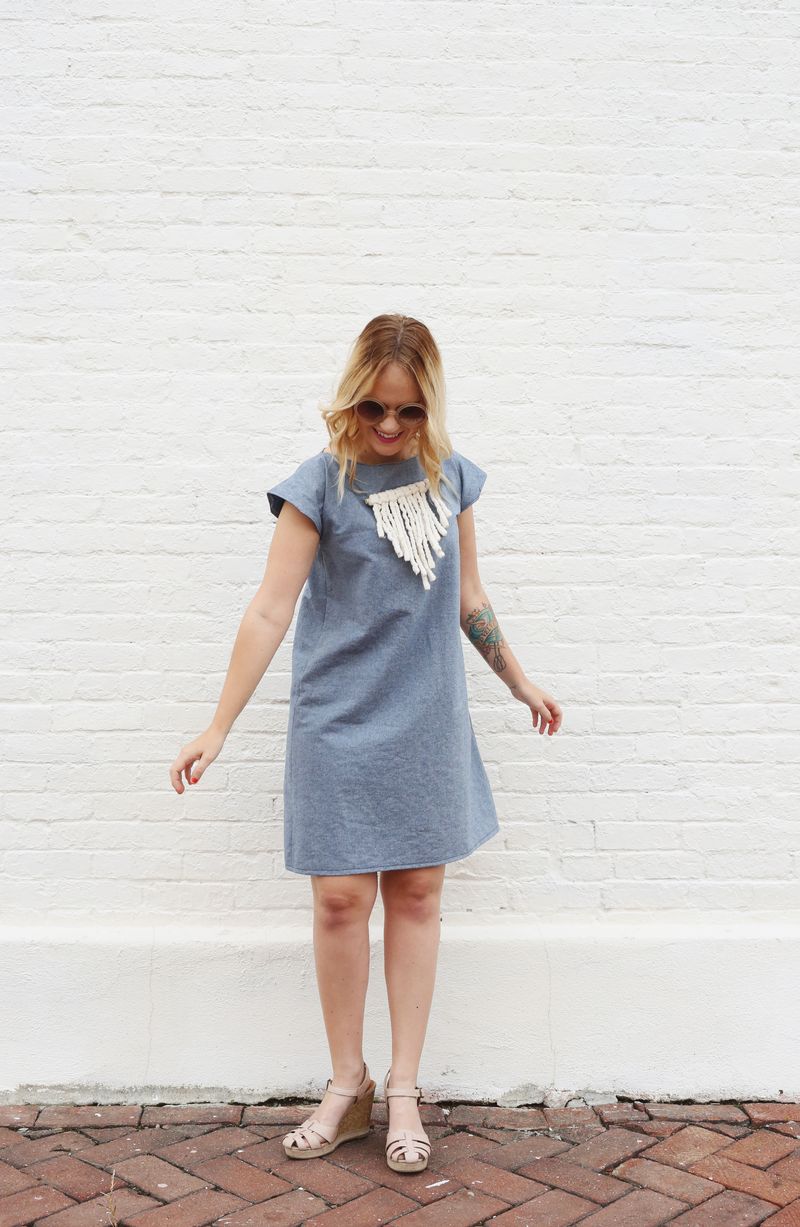
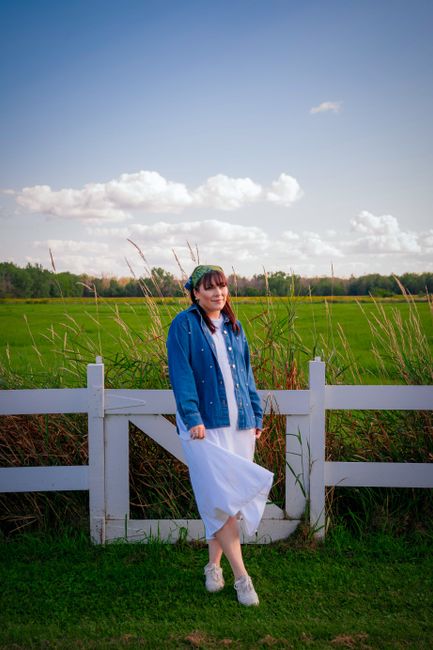
For visual content, optimize image alt text. Alt text is read by search engines and screen readers, providing context for images. For a photo of your denim dress, instead of a generic alt text like "dress," use descriptive alt text like "Woman wearing a handmade dark wash denim A-line midi dress with short sleeves and patch pockets." This not only helps with SEO but also makes your content accessible to a wider audience.
If you have a blog or website, consider creating specific pages or blog posts dedicated to your denim dress. This allows for more in-depth content and the opportunity to incorporate a wider range of keywords. Topics could include: "How to Sew Your Own Denim Dress: A Step-by-Step Guide," "Styling Your Handmade Denim Dress for Any Occasion," "The Best Denim Fabrics for DIY Dresses," or "Troubleshooting Common Denim Sewing Issues." Internal linking between these related blog posts can also boost your website’s SEO.
Engage with online communities and forums related to sewing, fashion, and DIY. Sharing your project and relevant keywords in these spaces can drive traffic to your content. Participating in hashtag challenges on social media with relevant denim and sewing hashtags (e.g., #denimdress, #sewcialists, #handmadefashion, #diyfashion, #jeandress, #memade) will also increase discoverability. When creating a product listing on a platform like Etsy, carefully research popular tags and titles used by successful sellers of similar items.
The longevity and appeal of a homemade denim dress are undeniable. By understanding the nuances of denim, mastering essential sewing techniques, and strategically employing SEO principles, you can create a garment that is not only a personal triumph but also readily discoverable by those who appreciate unique, handcrafted fashion. The process is a rewarding journey that culminates in a timeless addition to any wardrobe, a testament to creativity, skill, and the enduring charm of denim.
