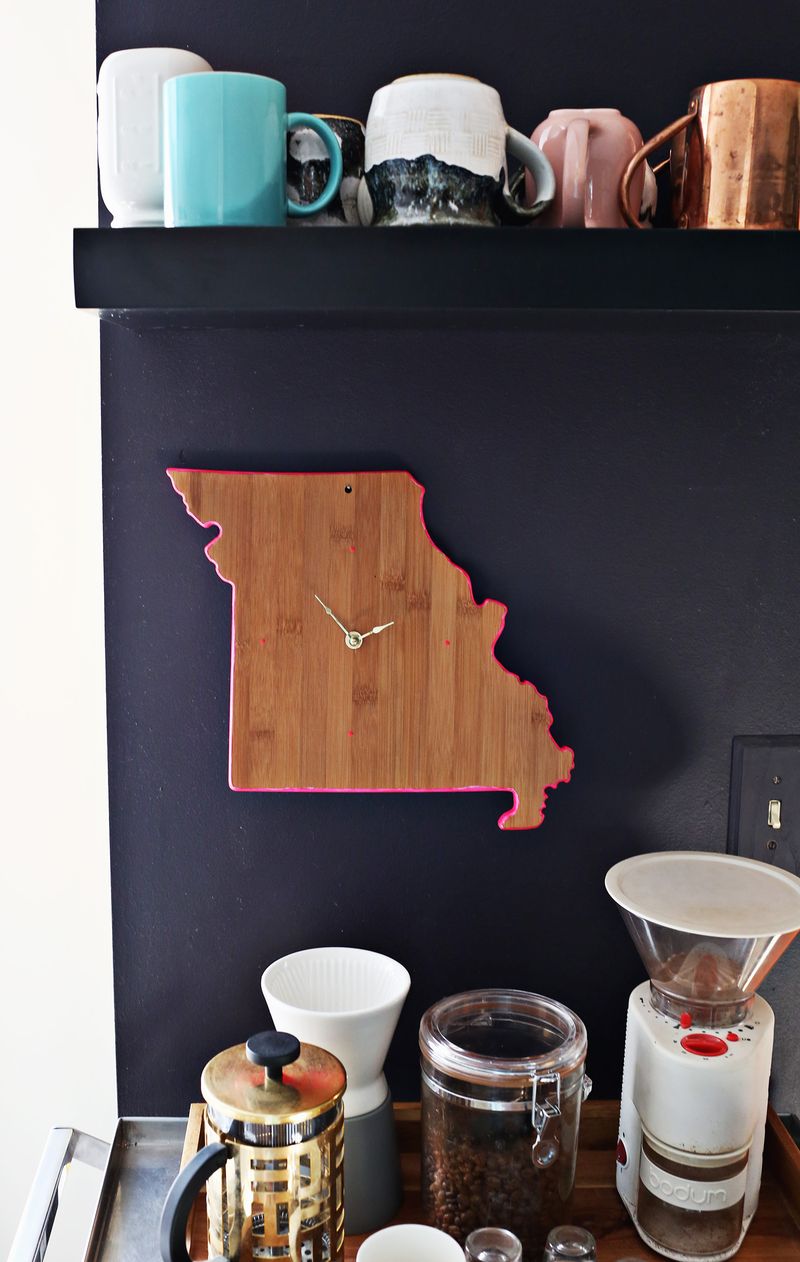
Upcycle Your Kitchen: The Ultimate DIY Cutting Board Clock Guide
Transforming a discarded or old cutting board into a functional and stylish clock is a rewarding DIY project that breathes new life into kitchen decor. This guide provides a comprehensive, SEO-friendly approach to creating your own cutting board clock, perfect for beginners and experienced crafters alike. We’ll cover everything from selecting the right cutting board and gathering materials to detailed assembly instructions and personalization tips, ensuring your finished timepiece is both a practical tool and a unique statement piece. Understanding the process can prevent common pitfalls and elevate your finished product from a mere craft to a cherished home accessory. The beauty of this project lies in its simplicity and the ability to customize it to your individual taste and kitchen aesthetic, making it a truly personal touch.
The selection of your cutting board is the foundational step for a successful DIY cutting board clock. Ideal candidates are wooden cutting boards, as they offer a natural warmth and are easily workable for drilling and mounting clock mechanisms. Look for boards that are relatively flat and free from deep gouges, cracks, or excessive warping. The size of the board will directly influence the overall size of your clock; a larger board will accommodate larger clock hands and a more prominent display. Consider the thickness as well. While thinner boards can work, a slightly thicker board (around 1-1.5 inches) provides more stability and a more substantial feel, which can be advantageous for mounting the clock mechanism securely. Avoid boards made from composite materials or glass, as they are not conducive to the drilling and mounting required for a clock. Reclaimed or vintage cutting boards can add a rustic charm, but ensure they are clean and free of any food residue that could harbor bacteria. Thoroughly cleaning and sanitizing any chosen cutting board is paramount. Use a strong detergent and hot water, followed by a disinfectant like a diluted bleach solution or vinegar. Allow it to dry completely before proceeding. The grain pattern and color of the wood are also important aesthetic considerations. A board with a beautiful grain can become a focal point of your clock, so inspect different options carefully. If you’re purchasing a new board specifically for this project, a simple, unfinished wood board is often the most budget-friendly and provides a blank canvas for your design.
Gathering the necessary materials is crucial for a smooth DIY process. The core components include your chosen cutting board, a quartz clock movement kit, clock hands (hour, minute, and second), and a battery for the movement. Quartz clock movement kits are widely available online and in craft stores. They typically come with the mechanism, mounting hardware, and often a set of basic hands. Ensure the shaft length of the movement is appropriate for the thickness of your cutting board; you want the shaft to extend enough to attach the hands securely without being excessively long. For clock hands, you have a wide array of choices. You can opt for the hands included with the movement, or purchase more decorative hands to match your style. Consider the length and style of the hands; they should be proportionate to the size of your cutting board and clearly visible. You’ll also need tools for drilling. A drill with various drill bit sizes is essential, particularly a bit that matches the diameter of the clock movement’s shaft. A measuring tape or ruler is necessary for accurate marking of the center point. For a clean and professional finish, sandpaper (various grits, from coarse to fine) is recommended for smoothing the cutting board’s surface. Wood sealant or stain, and optional paint or decorative elements will be used for personalization. A pencil is vital for marking. Finally, consider a small level to ensure your clock hangs straight on the wall.
Preparing your cutting board for its new role as a timepiece involves several key steps. Begin by thoroughly cleaning and sanitizing the board as previously mentioned. Once dry, determine the exact center of your cutting board. This is the most critical measurement. Using your measuring tape or ruler, find the midpoint across the width and length of the board and mark this intersection with a pencil. This marked point will be where you drill the hole for the clock mechanism. If your cutting board has a handle or a hole for hanging, you’ll need to decide whether to incorporate it into your design or if it obstructs the clock’s functionality. For most cutting board clocks, the face is the primary decorative surface, so a clean, uninterrupted surface is usually preferred. If you intend to stain or seal your cutting board, now is the time to do it. Apply your chosen wood stain or sealant according to the product’s instructions. Allow ample drying time between coats. If you plan to paint or add decorative elements, prepare the surface accordingly. For a natural look, leaving the wood bare or simply sealed is a popular choice. If you’re going for a painted look, prime the surface first for better adhesion and a more even finish. Sanding is crucial for a smooth finish. Start with a coarser grit sandpaper to remove any imperfections or rough spots, and then progressively move to finer grits to achieve a smooth, polished surface. This step is especially important if you are painting or staining the board.
Drilling the central hole for the clock movement is a precise operation. Using your pencil mark as a guide, carefully position your drill bit at the exact center of the cutting board. It is highly recommended to start with a smaller pilot hole. This pilot hole will help guide the larger drill bit and prevent the wood from splitting. Select a drill bit that is slightly smaller than the diameter of the clock movement’s shaft. Once the pilot hole is drilled, switch to a drill bit that matches the diameter specified by your clock movement kit. The shaft of the clock movement needs to pass through the cutting board easily but without excessive looseness. If the kit specifies a precise diameter, use a drill bit of that exact size. If you don’t have a drill bit of the exact size, you can carefully enlarge the pilot hole incrementally with larger bits, checking the fit of the shaft frequently. When drilling, apply steady, even pressure. Avoid drilling all the way through the board at once if possible. Instead, drill partway, remove the drill bit, and then complete the drilling from the other side. This technique can help prevent splintering and create a cleaner hole. After drilling, inspect the hole for any rough edges. You can smooth these out gently with a piece of sandpaper or a small deburring tool if necessary. The goal is to have a clean, smooth-edged hole that will accommodate the clock movement’s shaft without wobbling.
Mounting the clock movement and attaching the hands are the next crucial steps. Once the hole is drilled and smoothed, insert the clock movement’s shaft through the back of the cutting board. The clock movement itself will typically have a rubber washer or grommet to sit against the back of the cutting board, preventing slippage and protecting the wood. Follow the instructions provided with your clock movement kit to secure it. This usually involves a nut that screws onto the shaft from the back, tightening the movement against the board. Ensure it is snug but do not overtighten, as this could damage the wood or the mechanism. Once the movement is securely mounted, it’s time to attach the clock hands. Typically, there are three small shafts extending from the front of the movement, each designed for a specific hand: hour, minute, and second. They usually push on with a gentle press. It’s best to attach the hands in order, usually starting with the hour hand, then the minute hand, and finally the second hand. Make sure each hand is pressed on straight and does not touch any other hand or the face of the clock as it rotates. Some clock movement kits come with a small plastic cap to protect the shaft before the hands are attached; remove this if present. Position the hands at the 12 o’clock position before fully pressing them on. This ensures that when you insert the battery, your clock starts from a recognizable time. Some clock hand sets also have a small set screw to further secure them; consult your kit’s instructions.
Personalizing your cutting board clock allows you to transform it into a unique piece of home decor. The options for personalization are vast and depend on your aesthetic preferences. For a rustic or farmhouse look, consider leaving the wood natural or applying a clear sealant to protect it and enhance its grain. You can also distress the wood for an antique feel. For a more modern or minimalist design, a coat of matte black or white paint can be very effective. Consider stenciling numbers or decorative patterns onto the board before attaching the hands. You can use metallic paints for a touch of elegance or vibrant colors for a playful accent. Wood burning, also known as pyrography, is another excellent technique for adding intricate designs, numbers, or even your initials to the cutting board. If you choose to burn designs, do so before assembling the clock hands. Another popular method is to use vinyl decals for the numbers. These are easy to apply and offer a clean, precise look. You can find pre-made vinyl number sets or create your own custom designs. For a more artistic approach, consider a decoupage technique, applying decorative paper or fabric to the board before sealing it. When placing numbers, ensure they are evenly spaced and clearly visible. You can mark their positions lightly with a pencil and a ruler before adhering them. Consider the overall color palette of your kitchen and choose a design that complements it. For example, if you have a lot of stainless steel, metallic hands or a silver-painted board could be a striking choice.
Finishing touches and installation are the final stages of your DIY cutting board clock project. Once the clock movement and hands are securely attached and any personalization is complete, it’s time to consider how to hang your clock. Most clock movement kits will have a hook or a hole on the back of the mechanism for hanging. Ensure this hook is sturdy enough to support the weight of your cutting board. Alternatively, you can add a D-ring or wire hanger to the back of the cutting board for a more secure mounting solution, especially for larger or heavier boards. If you opt for a D-ring, ensure it is screwed into the wood securely. Measure the distance between the hanging points on your clock and mark the corresponding positions on your wall. Use a level to ensure your marks are straight, so your clock hangs perfectly horizontal. For heavier clocks, it’s advisable to use wall anchors to provide extra support and prevent the clock from falling. Once you’ve determined your hanging spot, install the appropriate screws or hooks on your wall. Carefully lift your cutting board clock and hang it securely. Before fully committing to the final mounting, place the battery in the clock movement and ensure the hands are moving freely and accurately. Some clock movements are adjustable for accuracy. If you’ve used a sealant or finish on your cutting board, ensure it is fully cured before hanging, especially if the clock will be exposed to direct sunlight or moisture.
For SEO optimization, incorporate relevant keywords throughout the article. These include "DIY cutting board clock," "upcycled kitchen decor," "homemade clock," "craft project," "wood clock," "kitchen clock," "easy DIY," "how to make a clock," and "cutting board craft." Using these keywords naturally within headings, subheadings, and the body of the text will improve search engine visibility. For example, in the title, we have "DIY Cutting Board Clock." In subheadings like "Selecting Your Cutting Board," "Gathering Your Materials," and "Personalizing Your Cutting Board Clock," we’re naturally incorporating these terms. The detailed descriptions of each step, from material selection to personalization, provide rich content that search engines favor. Highlighting the "easy" aspect of the project and using terms like "beginner-friendly" or "simple craft" further targets users looking for accessible DIY ideas. The comprehensive nature of the guide, covering all aspects of the project, ensures that users searching for detailed instructions will find this article valuable.
Beyond the basic assembly, consider advanced personalization options that can elevate your cutting board clock. For those with artistic inclinations, painting a landscape, a still life, or an abstract design on the cutting board face can create a truly unique masterpiece. Think about the theme of your kitchen. If it’s coastal, perhaps a seascape or nautical motifs would be fitting. If it’s a more modern kitchen, geometric patterns or bold color blocking could be impactful. Another idea is to incorporate actual kitchen-related elements. For instance, you could use small, decorative spoons or spatulas as hour markers, attaching them with strong adhesive. For a more subtle effect, consider using small wood slices or pebbles as markers. If your cutting board has a natural groove or indentation, you could fill it with resin and embed small decorative items like dried flowers or glitter. For those who enjoy a touch of whimsy, consider using miniature kitchen utensils as clock hands. This requires careful adaptation and securing, but the result can be incredibly charming. If you’re working with a very large cutting board, you might consider using a larger, more decorative clock movement, or even a set of gears from an old clock for a steampunk aesthetic. Remember to always prioritize functionality; ensure your chosen decorations do not interfere with the movement of the clock hands.
Maintenance for your DIY cutting board clock is minimal but important for its longevity. The most crucial element is the clock mechanism. Ensure the battery is replaced periodically, typically every 6-12 months, depending on the battery type and usage. A fading or erratic second hand is usually a good indicator that the battery needs replacing. If the clock movement becomes noisy or inaccurate, it might be time to replace the entire mechanism. For the wooden cutting board itself, regular cleaning is essential. Avoid soaking the board in water, as this can cause the wood to warp or crack over time. Instead, wipe it down with a damp cloth and mild soap. For deeper cleaning or sanitization, use a solution of vinegar and water or a dedicated wood cleaner. If the wood starts to look dry or dull, periodically reapply a food-safe wood conditioner or mineral oil. This will help to keep the wood nourished and protected. If you’ve painted or sealed your clock, be mindful of harsh cleaning agents that could damage the finish. For painted surfaces, a gentle wipe-down is usually sufficient. If you’ve used stencils or decals, ensure they are well-sealed to prevent them from peeling or lifting during cleaning. With proper care and attention, your DIY cutting board clock will continue to be a functional and decorative piece in your home for years to come.
The environmental and economic benefits of creating a DIY cutting board clock are significant. Upcycling an old cutting board diverts waste from landfills, contributing to a more sustainable lifestyle. Instead of purchasing a new clock, you’re repurposing an existing item, saving resources and reducing your environmental footprint. Economically, this project is highly cost-effective. The primary expense is the clock movement kit, which is relatively inexpensive. Many of the other materials, such as sandpaper, sealant, or paint, may already be on hand or can be purchased in small quantities. This makes it an accessible project for individuals on a budget who still want to add unique and personalized touches to their home decor. Furthermore, the satisfaction of creating something functional and beautiful with your own hands is an invaluable reward that transcends monetary value. It’s a way to express creativity, hone practical skills, and add a personal narrative to your living space, all while making an eco-conscious choice. This project embodies the principles of reduce, reuse, and recycle, making it a truly commendable endeavor for any DIY enthusiast.
The versatility of the cutting board clock extends beyond the kitchen. While its origins may be in culinary spaces, a well-designed cutting board clock can complement various rooms in your home. In a rustic-themed living room, a distressed wooden cutting board clock can add character and warmth. For a farmhouse-style dining area, it can serve as a charming focal point above a buffet or hutch. Craft rooms can benefit from the utilitarian charm of a cutting board clock, perhaps adorned with artistic embellishments reflecting creativity. Even a garage or workshop can house a robust, simply finished cutting board clock, providing a practical timepiece in a functional space. The key to adapting it for different rooms lies in the personalization. For a living room, consider a more elegant design with refined hands and a subtle finish. For a craft room, perhaps more vibrant colors or whimsical designs would be appropriate. The inherent durability of a wooden cutting board, especially when properly sealed, ensures it can withstand different environments. The ability to customize the size, shape, and aesthetic allows this DIY project to seamlessly integrate into virtually any decor style, making it a truly adaptable piece of home decor. This adaptability is a key factor in its enduring appeal and its SEO relevance, as users search for versatile DIY home decor solutions.
Finally, consider the therapeutic benefits of engaging in DIY projects like creating a cutting board clock. The process of hands-on creation can be incredibly stress-relieving and meditative. Focusing on precise measurements, the tactile experience of working with wood, and the satisfaction of seeing a project come to fruition can provide a welcome escape from daily pressures. It allows for a sense of accomplishment and boosts self-esteem. For many, the act of transforming raw materials or discarded items into something beautiful and functional is deeply rewarding. This project offers a tangible outcome that can be enjoyed every day, serving as a constant reminder of one’s creativity and capability. The learning curve is gentle, making it an accessible avenue for those new to DIY, while offering ample room for personalization and skill development for more experienced crafters. The simple act of making something with your own hands can foster a greater appreciation for craftsmanship and the effort involved in creating everyday objects. Therefore, beyond its aesthetic and practical advantages, the cutting board clock project offers a fulfilling and enriching experience for the creator.
