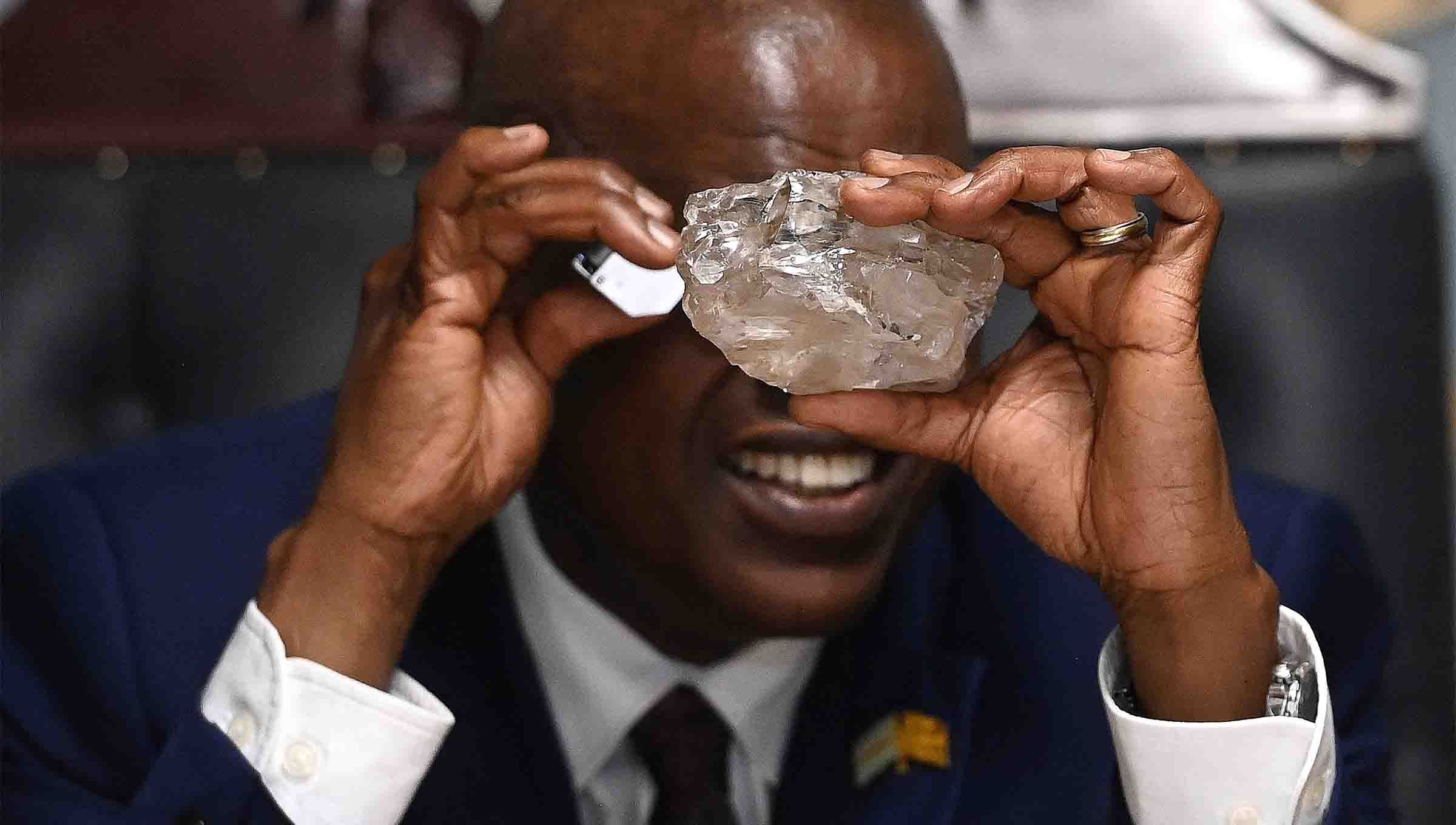

The Ultimate Spectacle: How Diamond Giants Are Preparing to Unveil the World’s Largest Gemstones
The global diamond industry is on the cusp of a seismic event, preparing to bring to market a collection of the largest, most exceptional rough diamonds ever unearthed. This strategic unveiling is not merely about selling stones; it’s a meticulously orchestrated global marketing and sales operation designed to capture the imagination of collectors, investors, and the ultra-high-net-worth individuals who constitute the primary market for such unparalleled treasures. The companies involved, predominantly large-scale mining operations and their associated sales channels, have invested heavily in the exploration, extraction, and initial analysis of these colossal gems. The logistical, security, and marketing challenges are immense, demanding a level of precision and coordination rarely seen even within the already sophisticated diamond trade. The sheer scale of these diamonds necessitates a different approach to sales, moving beyond traditional auctions and tenders to curated, private viewings and bespoke sales processes. This article delves into the strategies, implications, and anticipated impact of this extraordinary supply of immense diamonds on the global luxury market and the broader gemological landscape.
The genesis of such monumental diamond discoveries lies in the geological processes that have unfolded over millions of years. Specifically, the kimberlite pipes and lamproite intrusions, which are volcanic rocks originating deep within the Earth’s mantle, are the primary conduits through which these precious gems reach the surface. The immense pressures and temperatures present at these depths are crucial for the formation of diamonds from carbon atoms. The rarity of finding diamonds, let alone stones of exceptional size and quality, is underscored by the fact that only a fraction of kimberlite pipes are diamondiferous, and an even smaller proportion yield gem-quality stones. The largest diamonds typically originate from specific, ancient cratons – the stable, old cores of continents – where conditions have remained conducive to diamond preservation for eons. Mining operations targeting these geological formations require significant capital investment, advanced exploration techniques, and sophisticated extraction machinery. Companies that have successfully identified and are developing these deposits are positioned to control a significant portion of the future supply of superlative rough diamonds. The ongoing exploration and development efforts by major mining conglomerates are crucial in identifying new sources and ensuring a sustained, albeit highly infrequent, supply of these extraordinary natural wonders.
The marketing strategy for these colossal diamonds is multifaceted and tailored to their unique status. Unlike smaller, more readily available diamonds, these are not commodities; they are investment-grade assets, historical artifacts, and symbols of ultimate luxury. The initial phase involves extensive, high-resolution photography and videography, capturing every facet and characteristic of the rough stones. This visual content is then disseminated through exclusive channels, targeting a pre-qualified list of potential buyers. Private viewings, often held under stringent security protocols in major global financial centers, are paramount. These events allow prospective buyers to physically inspect the diamonds, often with the assistance of expert gemologists and valuers. The narrative surrounding each diamond is also critical. Information regarding its origin, the geological context of its discovery, and any unique historical or cultural significance is carefully curated and presented. This storytelling element elevates the diamond from a mere object to an experience, a legacy to be acquired. The aim is to foster a sense of urgency and exclusivity, leveraging the inherent scarcity of such stones to drive demand. Partnerships with renowned jewelers and watchmakers are also explored, with the potential for these exceptional rough stones to be cut into magnificent finished gems and then showcased through bespoke commissions.
The economic implications of bringing such large, high-quality diamonds to market are profound. The price per carat for exceptional diamonds increases exponentially with size and quality. Therefore, the sale of even a few stones exceeding hundreds of carats could inject hundreds of millions, if not billions, of dollars into the global luxury goods market. This influx of capital can have a ripple effect, influencing investment trends in other luxury assets such as fine art, real estate, and rare collectibles. For the mining companies, these sales represent a significant return on their substantial exploration and extraction investments. The profits generated can then be reinvested in further exploration, infrastructure development, or distributed to shareholders. The diamond industry, often susceptible to market fluctuations, could see a period of unprecedented activity and value creation driven by these flagship stones. Furthermore, the public fascination and media attention generated by such sales can boost overall consumer interest in diamonds, potentially benefiting the market for smaller, more accessible stones as well. The long-term economic impact hinges on the sustained demand from the ultra-wealthy and the strategic management of supply by the mining entities.
The cutting and polishing of these gargantuan rough diamonds present a unique set of challenges and opportunities. The primary goal is to maximize both the yield (the percentage of the rough stone that becomes polished diamond) and the value of the finished gem. This requires highly skilled artisans with specialized knowledge of diamond crystallography and cutting techniques. Advanced computer-aided design (CAD) software and laser cutting technologies are employed to meticulously plan the cutting process, minimizing waste and optimizing the brilliance and fire of the final stones. The decision of whether to cut a single, enormous diamond or to divide the rough stone into multiple large, spectacular gems is a complex one, influenced by the stone’s internal characteristics, market demand, and the desired end product. The creation of exceptional polished diamonds from these rough giants can lead to record-breaking sales at auction, further solidifying their legendary status. The expertise required for such a delicate and high-stakes operation is scarce, making the few master cutters capable of such work highly sought after. The process is as much an art as it is a science, with the potential to transform a raw geological specimen into a masterpiece of unparalleled beauty and brilliance.
The security surrounding the exploration, extraction, sale, and transportation of these monumental diamonds is of paramount importance. These are not just valuable assets; they are targets for sophisticated criminal enterprises and potentially even nation-states. Mining operations employ extensive physical security measures, including armed guards, advanced surveillance systems, and secure storage facilities. During sales and transportation, private security details, armored vehicles, and discreet logistical planning are essential. The global nature of the diamond trade necessitates international cooperation and adherence to stringent customs and import/export regulations. Insurance policies for these stones are astronomical, reflecting the immense financial and reputational risks involved. The potential for theft or loss is a constant concern, requiring a proactive and multi-layered security strategy at every stage of the diamond’s journey from mine to market. The development of secure digital platforms for tracking and verifying the provenance of these high-value stones is also becoming increasingly important, adding another layer of security and transparency.
The impact on the global diamond market and the luxury sector is poised to be transformative. The introduction of these exceptional stones will undoubtedly raise the bar for what is considered a significant diamond acquisition. They will set new benchmarks for price and desirability, influencing the perception and value of other high-end diamonds. The media frenzy and public fascination surrounding their unveiling will generate considerable positive publicity for the diamond industry as a whole, potentially stimulating demand across all market segments. For collectors and investors, these diamonds represent a rare opportunity to acquire assets of extraordinary intrinsic value and historical significance. The exclusivity of the sales process will further enhance their appeal to those seeking unique and unparalleled luxury items. The long-term influence on the market will depend on the sustained availability of such stones and the continued appetite of the ultra-wealthy for these ultimate symbols of prestige and wealth.
SEO considerations for this narrative involve a strategic use of keywords that potential buyers, industry professionals, and enthusiasts would use when searching for information on large diamonds and the luxury gem market. This includes terms such as "largest diamonds," "world’s biggest gems," "rare diamonds," "investment diamonds," "high-value gemstones," "diamond mining companies," "luxury market trends," "gemstone sales," "rough diamond value," and "diamond exploration." Utilizing these keywords naturally within the article, particularly in headings, subheadings, and the initial paragraphs, will improve search engine visibility. Creating descriptive meta titles and descriptions that accurately reflect the content and incorporate relevant keywords is also crucial. The article’s structure, with clear headings and logical flow, enhances readability for both users and search engine crawlers. High-quality, descriptive content that provides in-depth information on the topic will naturally attract backlinks from other relevant websites, further boosting SEO performance. The focus on specific, high-impact events within the diamond industry ensures the content remains timely and relevant, encouraging organic traffic and sustained interest.

