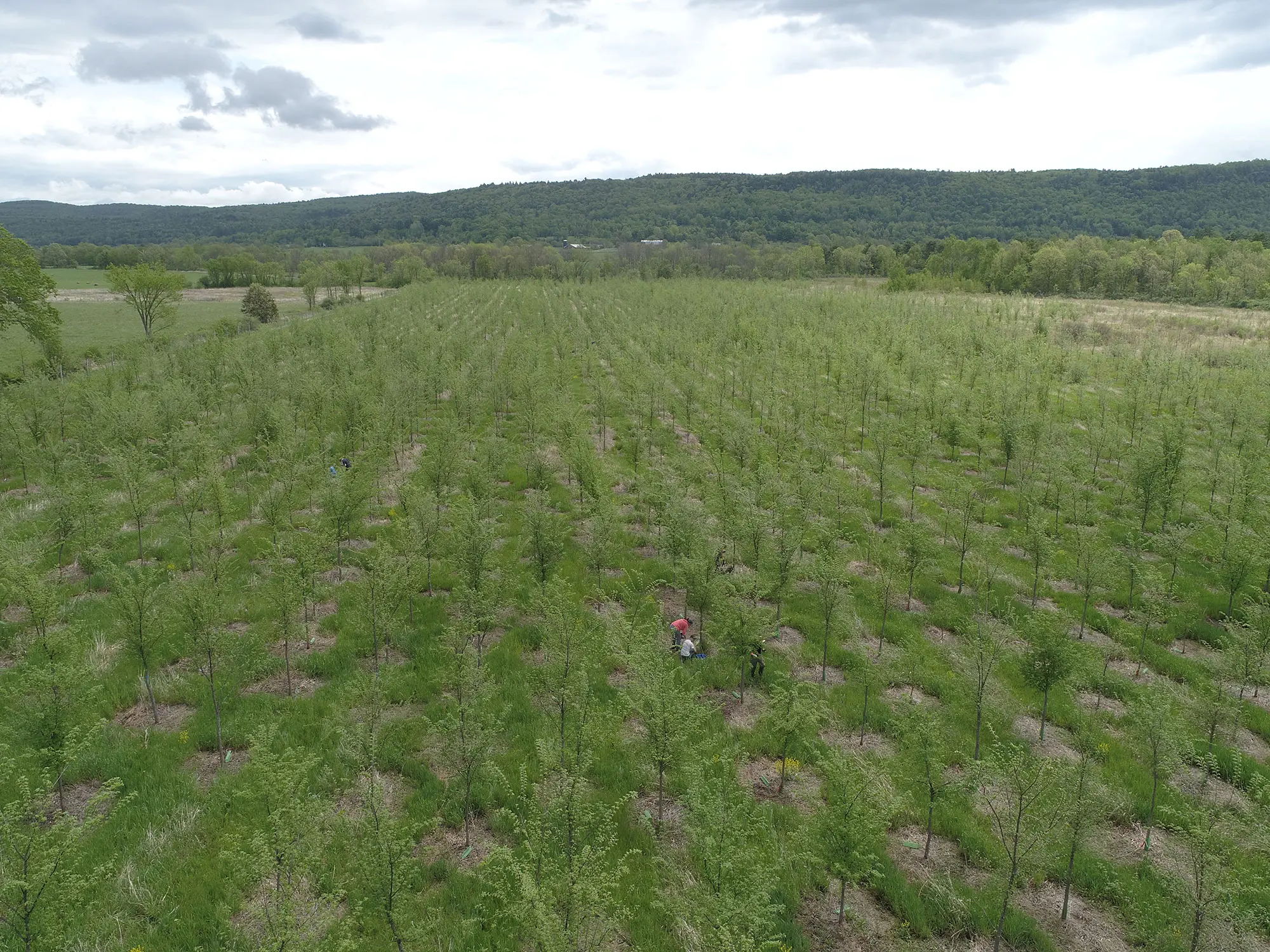
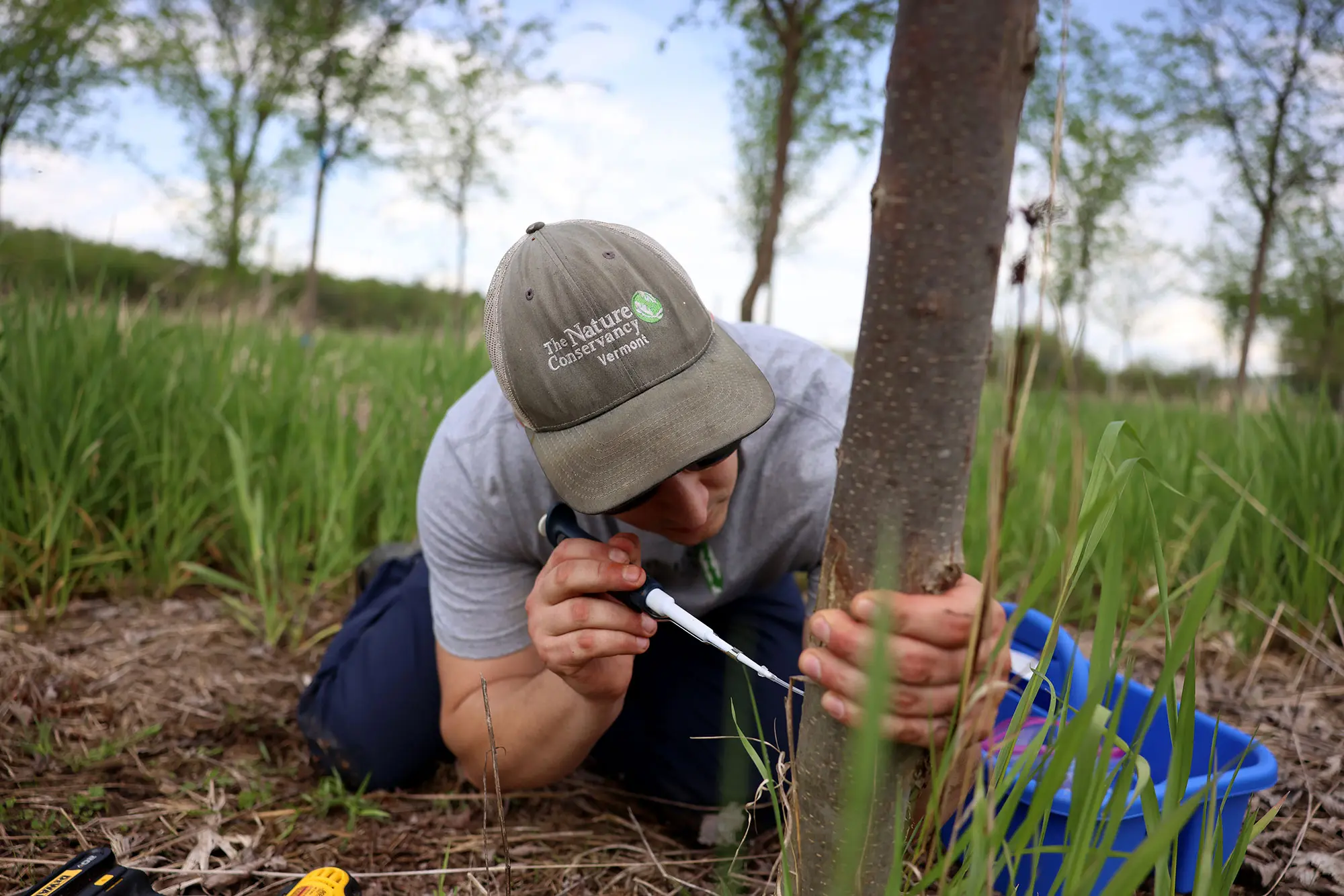
In a sprawling 28-acre grove in southern Vermont, a deliberate act of infection is taking place to save a species from the brink of extinction. Gus Goodwin, the Director of Science and Technology Advancement for The Nature Conservancy in Vermont, knelt in the damp earth of a research plot in Benson, wielding a power drill and a blue pipette. Clad in hunter-green muck boots and a brown organization T-shirt, Goodwin was not there to heal the trees, but to challenge them. By boring inch-deep holes into the trunks of young American elms and injecting two teaspoons of a solution containing 100,000 spores of the fungus that causes Dutch elm disease (DED), Goodwin and his team are conducting the most rigorous "stress test" in the history of American forest restoration.
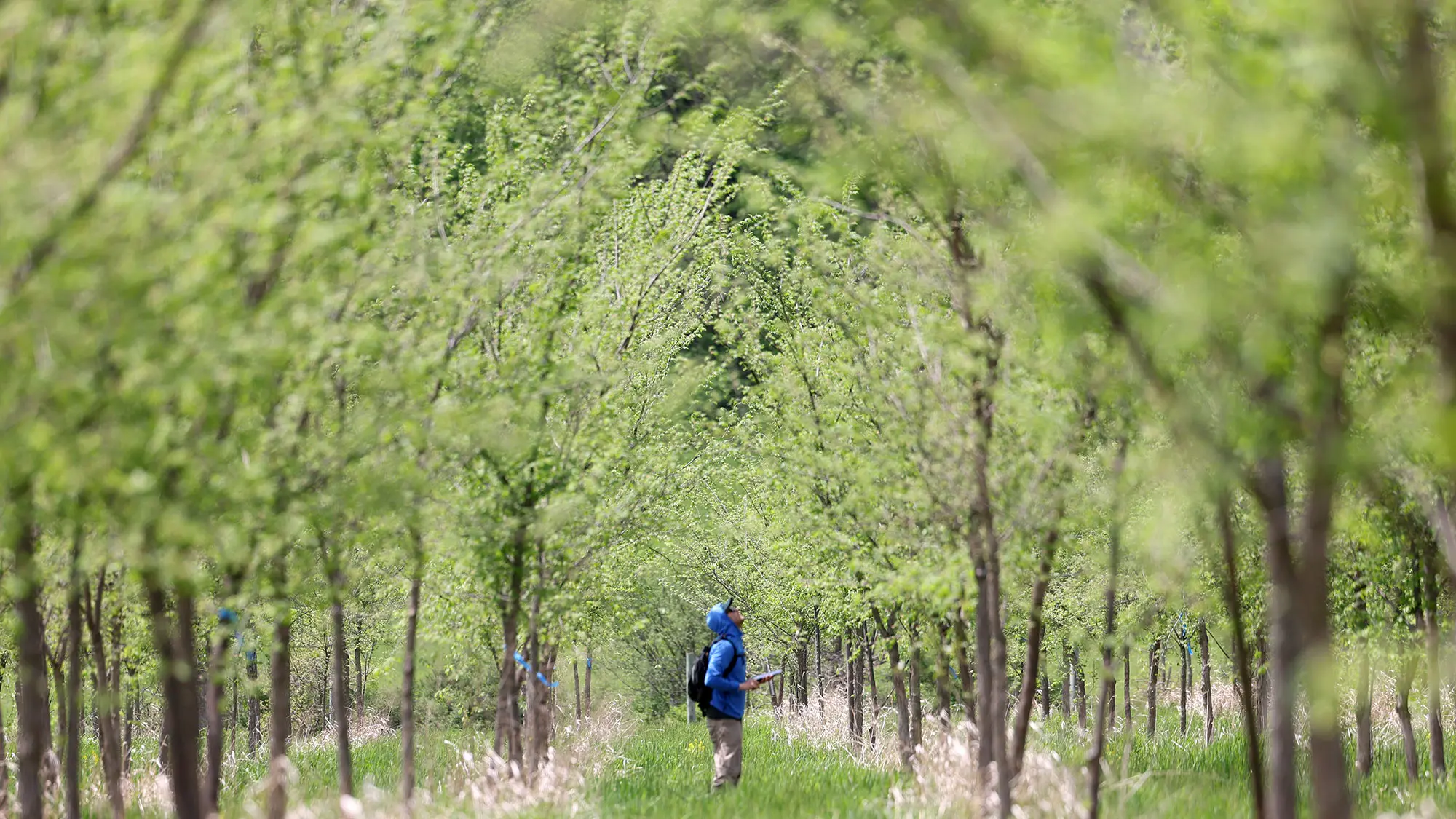
The goal is brutal but necessary: out of the 5,300 elms at this site, most are expected to die. In the coming weeks, the trees will begin to exhibit the telltale signs of the plague—wilting, yellowing leaves, and the desperate growth of epicormic shoots as the trees attempt to bypass their clogged vascular systems. However, the handful of trees that survive this artificial epidemic will become the genetic foundation for a new generation of "super trees." These survivors will be cloned and moved to a seed orchard, potentially providing the genetic diversity needed to restore the American elm to the floodplains and city streets it once defined.
A Fallen Pillar: The Rise and Ruin of the American Elm
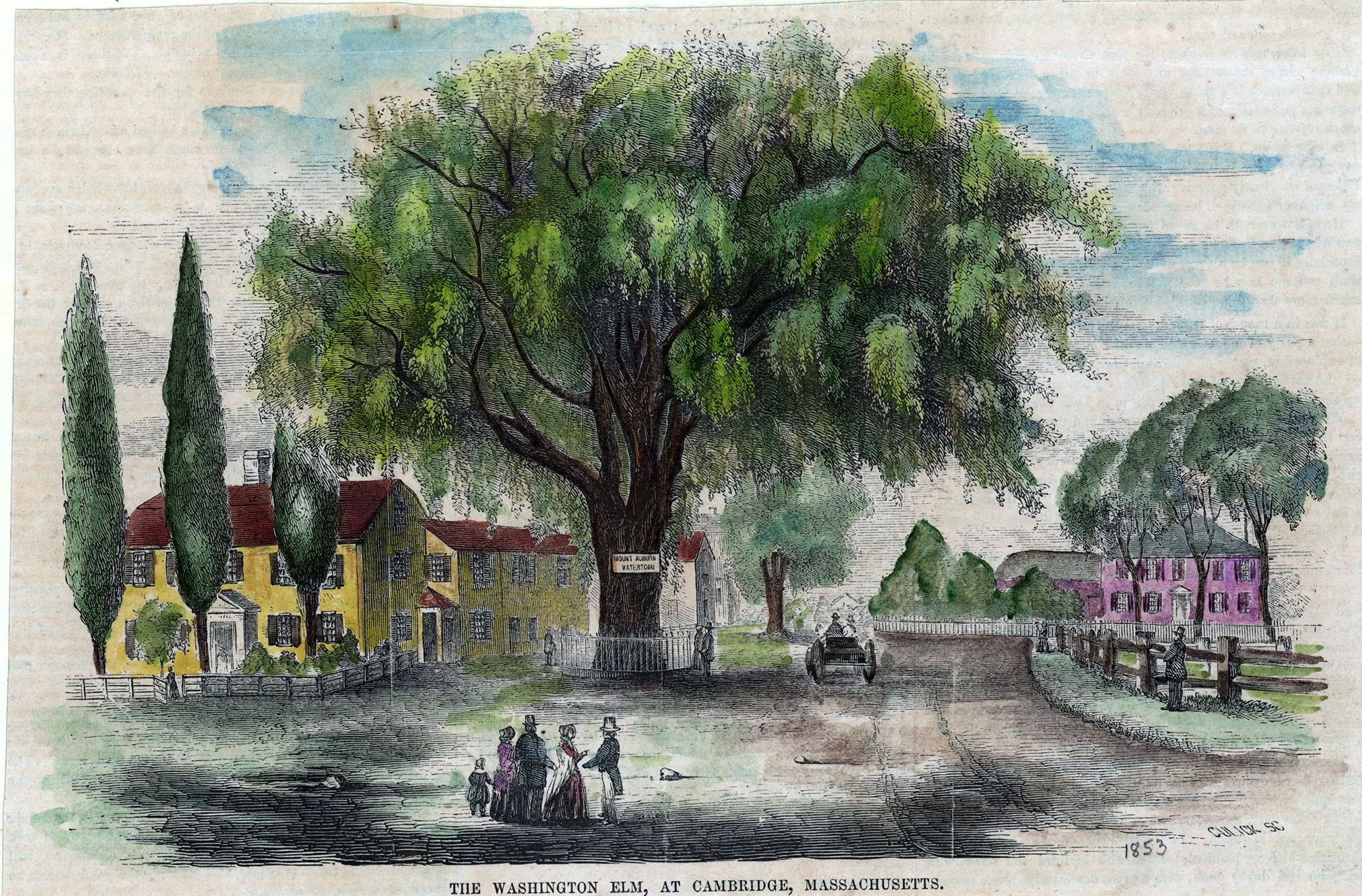
The American elm (Ulmus americana) was once the undisputed king of the American landscape. Known for its distinct vase-like shape and a cathedral-like canopy that could reach heights of over 100 feet, the species was a cornerstone of both wild ecosystems and urban environments. Naturalist Henry David Thoreau once remarked in his journals that the elm was a tree "distinguished farther off perhaps than any other," beautiful in both sunlight and moonlight.
For centuries, the tree held deep cultural and ecological significance. Indigenous populations utilized elms as meeting places and council markers. Early American settlers, while clear-cutting much of the Northeast for sheep pastures, often spared the elms because their wood had a tendency to warp, making it poor lumber but excellent shade. By the mid-19th century, the elm became a symbol of American civic pride. Its fast growth and ability to thrive in compacted, poor soil made it the "junkyard dog" of urban forestry, leading to thousands of "Elm Streets" across the United States.
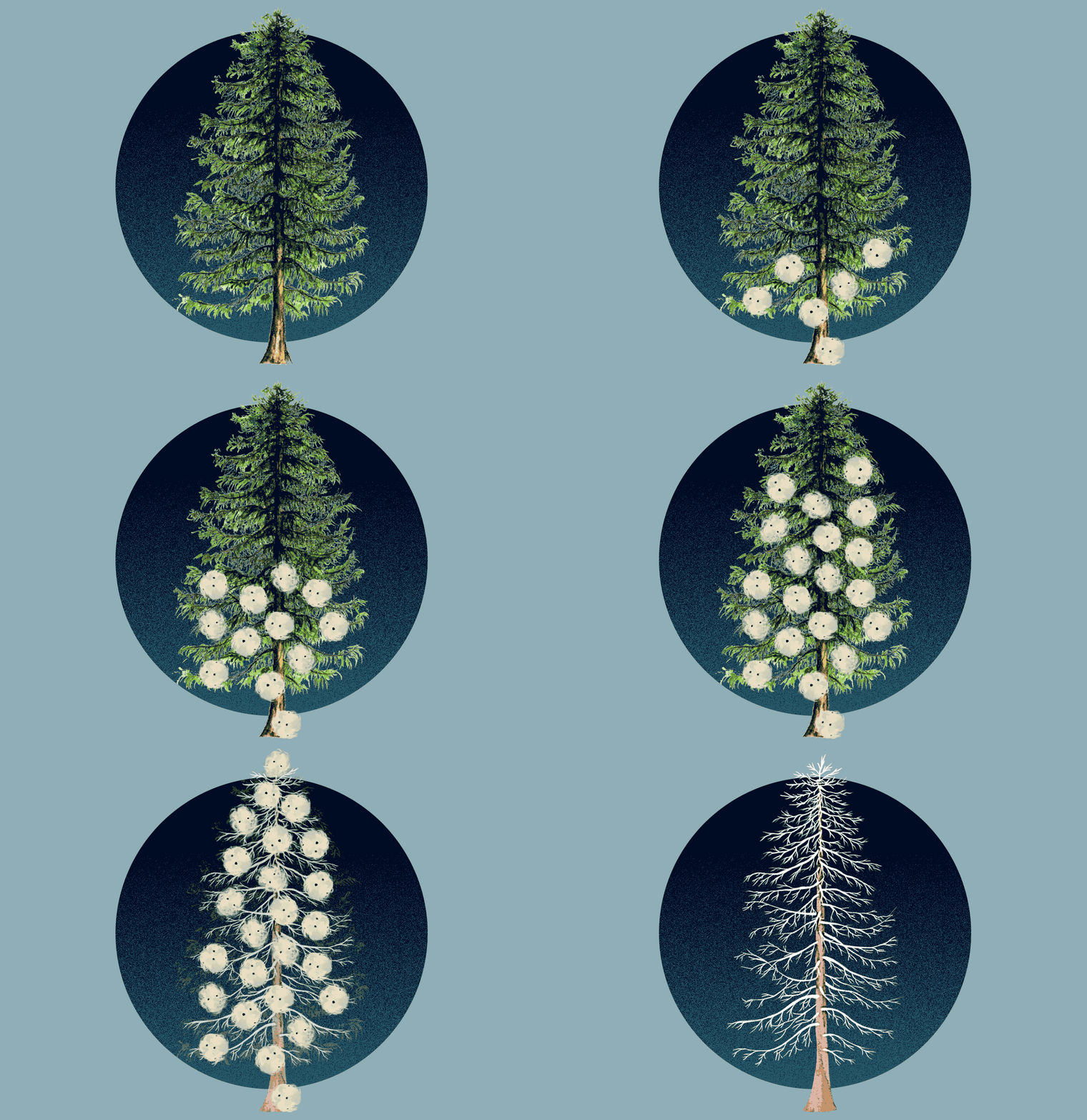
The downfall of the species began with the arrival of Ophiostoma ulmi, the fungus behind Dutch elm disease. Likely originating in Asia, the pathogen was first described by Dutch scientists in 1922 and arrived in North America in the 1930s, reportedly hitching a ride on imported veneer logs. Native elm bark beetles acted as the primary vectors, carrying the spores into the inner bark. Once infected, the tree’s own immune system becomes its undoing; it produces "tyloses"—balloon-like plugs intended to stop the fungus—which ultimately clog the xylem, preventing water and nutrients from reaching the leaves. The tree essentially starves to death, often within a single year.
A Chronology of Devastation
The timeline of the elm’s decline is a record of environmental catastrophe and missed opportunities. In 1935, President Franklin Delano Roosevelt allocated $2.5 million—a massive sum at the time—to combat the disease through aggressive culling. However, the strategy backfired. Researchers later discovered that elms often have interconnected root systems; by cutting down trees before severing these root grafts, workers inadvertently accelerated the spread of the fungus.
The 1940s brought further tragedy. As national resources were diverted to World War II, a more aggressive strain of the fungus, Ophiostoma novo-ulmi, entered the country. This variant turned a manageable outbreak into a continental epidemic. By the 1970s, the "Elm Cities" of the Northeast and Midwest were being stripped bare. Minneapolis, which once boasted 400,000 elms, saw its population plummet. Today, only 35,000 remain in the city, and statewide, 95 percent of Minnesota’s elms have been lost. Similar stories unfolded in New Haven, Connecticut, and on university campuses from Illinois to Massachusetts. In total, an estimated 100 million American elms have perished since the disease first arrived.
The Science of Survival: Breeding for Tolerance
The current project in Benson, Vermont, is built on the lessons of past failures. Between 1937 and 1965, scientists at Cornell University tested 21,000 seedlings, but only 16 survived, and few of those could pass their resistance to offspring. The rarity of natural tolerance is staggering; it is estimated that only one in 100,000 elms is truly tolerant to DED.
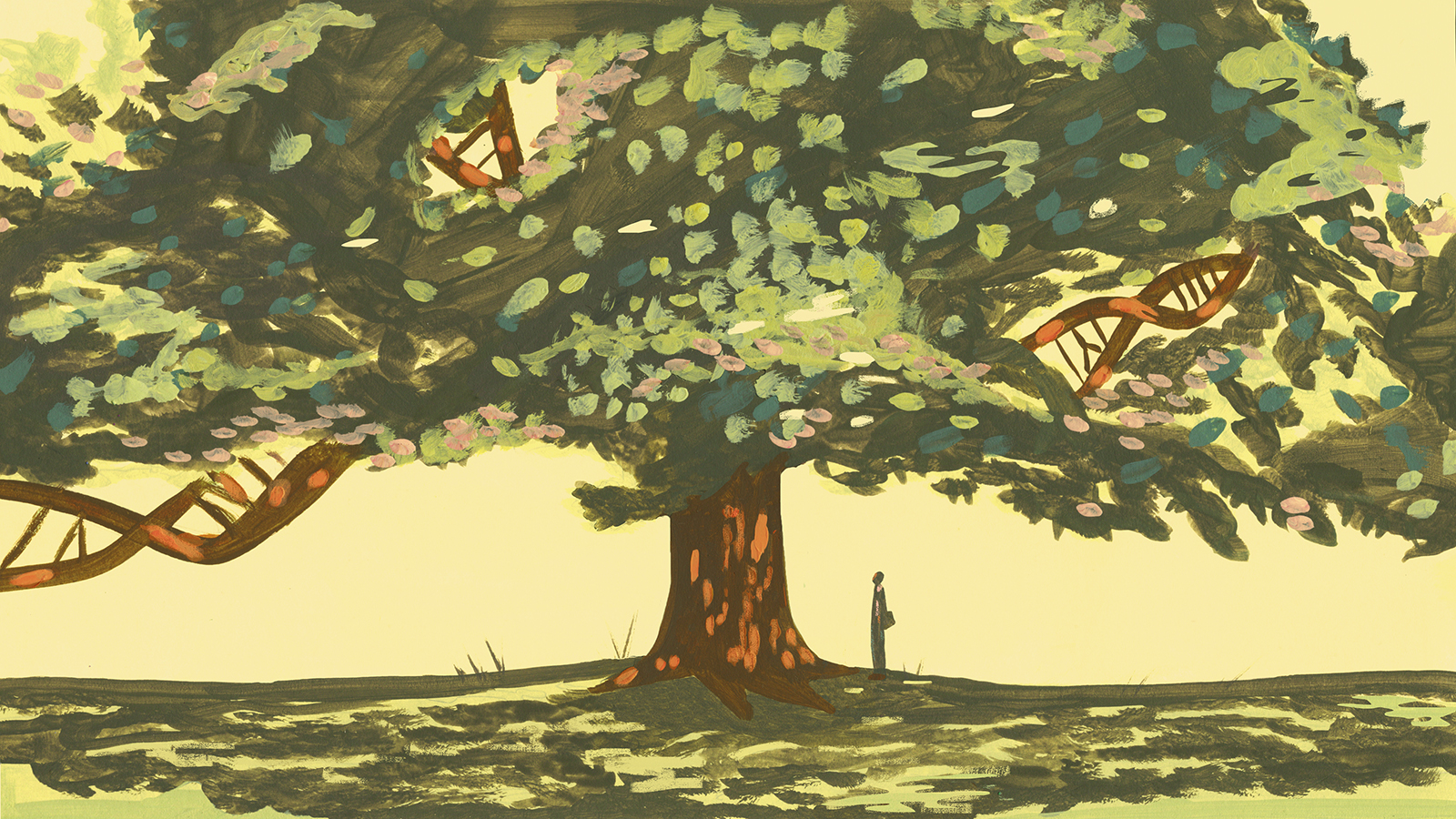
In the late 1960s, Alden "Denny" Townsend of the U.S. National Arboretum began a decades-long effort to identify and clone survivors. His work eventually led to the release of cultivars like "Valley Forge" and "New Harmony" in the late 1990s. While these trees were a breakthrough, they represent a very narrow genetic pool. Re-establishing a wild population with only a few cultivars would be, as Gus Goodwin puts it, "like starting a population over again with six individuals."
The Benson project, a collaboration between The Nature Conservancy, the U.S. Forest Service, and the University of Vermont, aims to solve this diversity problem. The 5,300 trees currently being tested are the offspring of 53 different "survivor" parents found across New England. One such parent is the "Rainbow Beach" elm in Northampton, Massachusetts, a massive specimen over three feet in diameter that has managed to survive decades of exposure to the disease. By crossbreeding these survivors and then subjecting their offspring to high-dose inoculations, researchers are looking for the most robust genetic combinations.
Ecological and Economic Stakes
The restoration of the American elm is not merely a matter of nostalgia; it is a critical component of climate resilience. American elms are uniquely suited to floodplains—ecosystems that act as vital sponges during extreme weather events. As climate change increases the frequency and intensity of deluges, particularly in the Northeast, the loss of shade-tolerant, flood-resistant trees like the elm has left riverbanks vulnerable to erosion and downstream communities at risk.
A study conducted in Vermont suggested that bolstering the state’s floodplains could prevent as much as $1 billion in property damage over the next century. "There’s no other floodplain tree that’s shade tolerant, flood tolerant, and long-lived," Goodwin noted. Furthermore, the elm supports specialized wildlife, such as the double-toothed prominent moth, whose caterpillars have evolved to perfectly mimic the serrated edges of elm leaves. Without the elm, these specialized niches collapse, creating a ripple effect through the food web.
Broader Impact and the Path Forward
As the research crews in Vermont monitor the infected grove, the preliminary data is offering a glimmer of hope. In early July, researchers Chris Hansen and John Butnor revisited the site and found that while some trees had already succumbed, others—standing just inches away from the dead—showed no symptoms. These trees, identified by parentage numbers like "38" or "25," suggest that specific genetic lines are indeed passing on high levels of tolerance.
However, the path to a full restoration is long. It will take another two years of monitoring to confirm which trees are truly tolerant. From there, it will be another 10 to 15 years before the "superseed orchard" begins producing seeds for widespread planting. Even then, urban planners and ecologists have learned a hard lesson about monocultures. The goal is not to line every street with elms again, but to integrate them into a diverse, resilient forest canopy that can withstand future pests like the emerald ash borer.
The quest to save the American elm is as much a philosophical endeavor as a scientific one. For Goodwin and his colleagues, the work is about repairing what he calls the "moral injury of extinction." On the hills surrounding the Benson research plot, middle-aged elms—remnants of a lost era—stand as "unruly" sentinels. Some, like the "Benson tree," have survived for nearly a century, either through sheer luck or hidden genetic strength. By infecting the young to find the strong, scientists are hoping to ensure that these stately vases of green once again define the American horizon, providing a buffer against a changing climate and a link to a storied past.