Methane, a potent, colorless, and odorless greenhouse gas, has emerged as one of the most critical variables in the ongoing global climate emergency. While carbon dioxide (CO2) commands the lion’s share of public and policy discourse due to its centuries-long persistence in the atmosphere, methane operates on a vastly accelerated and intensely destructive timeline. Accounting for roughly 30 percent of current global warming since the industrial era, methane is second only to CO2 as a driver of contemporary climate change. Its dual nature—possessing an atmospheric warming potential dozens of times greater than CO2 over a 20-year horizon, yet breaking down within approximately a dozen years—presents both an alarming peril and a unique strategic window for climate mitigation.
Background and Scientific Context
Methane (CH4) is a hydrocarbon consisting of four hydrogen atoms bonded to a single carbon atom. It is abundant in nature, generated through both geological and biological processes. Geologically, subterranean heat and pressure applied to decomposing organic matter over millions of years form the primary deposits of natural gas, which currently supplies roughly 25 percent of the world’s electricity. Biologically, methane is produced via methanogenesis, an anaerobic respiration process carried out by specialized microorganisms known as archaea. These microbes thrive in oxygen-deprived environments, ranging from natural wetlands and the deep ocean to the digestive tracts of ruminant animals such as cattle and sheep, as well as termites.
Historically, natural sinks—predominantly chemical reactions in the troposphere and absorption by soils—effectively balanced these natural emissions, preventing the gas from accumulating excessively in the atmosphere. However, the advent of the industrial revolution fundamentally disrupted this equilibrium. Human activities, particularly intensive agriculture, the extraction and transport of fossil fuels, and massive waste storage systems, have dramatically outpaced the planet’s natural absorption capacity.

According to data from the World Meteorological Organization (WMO), atmospheric methane concentrations surged to a record high of 1,934 parts per billion (ppb) in 2023, representing a staggering 265 percent increase over pre-industrial levels. Approximately 60 percent of these contemporary emissions are directly attributable to human activities. Scientific assessments, including landmark reports by the Intergovernmental Panel on Climate Change (IPCC) and the Global Methane Assessment, emphasize that rapid and deep cuts to methane emissions are the single most effective lever available to humanity to slow the rate of global warming over the next two decades.
Evolution of Measurement Technologies: From Ground to Orbit
Understanding and controlling methane emissions has historically been hindered by the challenges of accurate quantification. Traditionally, scientists and regulatory bodies relied on "bottom-up" methodologies. These approaches begin at the local level—multiplying the estimated emissions factor of a specific piece of industrial equipment, a livestock head-count, or a municipal landfill size by the total inventory of those sources. While useful for broad national inventories, bottom-up calculations frequently fail to capture irregular or catastrophic events.
To bridge this data gap, researchers increasingly employ "top-down" methodologies. Utilizing aircraft, high-altitude surveillance platforms, and advanced satellite constellations, top-down approaches measure atmospheric methane directly from the sky. This technological evolution has revealed critical blind spots in traditional reporting. Studies have consistently demonstrated that direct aerial and satellite measurements of fossil fuel operations report methane emissions significantly higher—often by 60 percent or more—than estimates compiled by regulatory agencies like the U.S. Environmental Protection Agency (EPA).
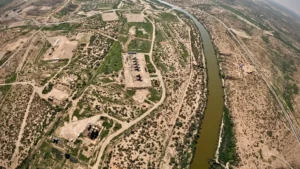
Satellites have proven particularly revolutionary in identifying "super-emitters"—massive, concentrated releases of methane stemming from equipment failures, pipeline venting, or unlit flares at oil and gas fields, coal mines, and landfills. Scientific literature underscores that the largest 5 percent of leaks typically account for over 50 percent of total industrial leakage volume. In 2022 alone, researchers utilizing satellite imaging detected over 1,005 human-caused super-emitter incidents globally, with severe events in places like Turkmenistan spewing methane at rates equivalent to the hourly emissions of entire industrialized nations.

Primary Anthropogenic Sources of Methane
Human-driven methane emissions stem overwhelmingly from three primary sectors: agriculture, fossil fuels, and waste management. Together, these industries account for more than 90 percent of all anthropogenic methane entering the atmosphere.
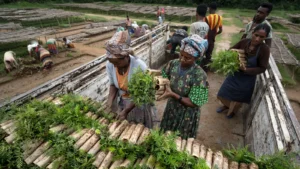
Agriculture represents the single largest human-caused source, responsible for approximately 40 percent of total anthropogenic emissions. The vast majority originates from livestock, specifically ruminant animals such as cattle, sheep, and goats. Through a digestive process known as enteric fermentation, microbes in these animals break down complex carbohydrates, producing methane as a metabolic byproduct. Cattle raised for beef and dairy production are the predominant contributors. Additionally, the intensive storage of livestock manure in liquid lagoons generates substantial methane. Rice cultivation constitutes another major agricultural source, accounting for roughly 8 percent of human-caused emissions; the flooded conditions of rice paddies create ideal anaerobic environments for methanogenic microbes.
Fossil fuel operations contribute approximately 35 percent of anthropogenic methane emissions. The extraction, processing, and long-distance transport of oil and natural gas account for nearly 23 percent, driven by routine venting, flaring, and chronic structural leaks. Coal mining accounts for another 12 percent, with methane naturally escaping from coal seams during extraction, ventilation for underground mine safety, and seepage from abandoned, unplugged shafts.
Landfills and municipal waste management systems generate approximately 20 percent of human-caused methane. As organic material, food waste, and wastewater decompose in the oxygen-deprived depths of landfills and treatment facilities, microbial activity produces significant quantities of the gas. With global urbanization and population growth, waste-sector emissions are projected to rise faster than any other category over the coming decades.

The "Bridge Fuel" Myth and Liquefied Natural Gas Expansion
The expansion of global natural gas markets, particularly through the proliferation of hydraulic fracturing ("fracking") and the rapid scaling of Liquefied Natural Gas (LNG) export infrastructure in countries like the United States, Canada, and Australia, has introduced severe new pressures on atmospheric methane levels.
For years, proponents of natural gas championed it as an indispensable "bridge fuel" capable of facilitating the transition from carbon-intensive coal to renewable energy. The argument rested on the fact that burning natural gas for electricity emits roughly half the carbon dioxide per kilowatt-hour produced by coal. Consequently, direct power-plant emissions in nations like the U.S. declined substantially as gas superseded coal at the turn of the century.
However, this accounting routinely omitted the life-cycle methane leakage associated with gas extraction, processing, and transportation. Scientific studies demonstrate that if even a minor fraction—as low as 0.2 percent—of the methane produced leaks into the atmosphere unburned, the near-term climate warming impact of natural gas matches or exceeds that of coal. Advanced satellite data indicates that leakage rates far exceed this threshold. A 2023 analysis revealed that when fugitive methane emissions are factored into the equation, LNG exhibits a 33 percent greater global warming potential over a 20-year timeframe than coal. Furthermore, energy assessments by bodies such as the U.S. Department of Energy have suggested that the massive buildout of export terminals is increasingly crowding out investments in true renewable energy sources rather than simply replacing coal.
Broader Impacts: Public Health and Environmental Implications

The consequences of elevated methane concentrations extend well beyond climate destabilization. Methane is a critical chemical precursor in the formation of ground-level ozone, a harmful secondary pollutant driven by atmospheric reactions involving sunlight, volatile organic compounds, and nitrogen oxides.
Ground-level ozone is a severe public health hazard, directly damaging human lung tissue and triggering asthma attacks, chronic bronchitis, and cardiovascular complications. Public health studies estimate that methane-induced ozone pollution contributes to approximately half a million premature deaths annually worldwide. Beyond human health, tropospheric ozone damages agricultural crops and native vegetation, leading to substantial annual yield losses in staple food crops such as wheat, rice, maize, and soybeans.
Mitigation Strategies and Technological Solutions
Despite the scale of the challenge, the scientific consensus emphasizes that existing technologies and policy mechanisms are more than sufficient to achieve rapid, deep reductions in methane emissions. The IPCC has calculated that global methane emissions must be slashed by approximately 34 percent by 2030 relative to 2019 levels to maintain a viable pathway toward limiting long-term global warming to 1.5 degrees Celsius.
In the agricultural sector, mitigation strategies involve both systemic dietary shifts and technical interventions. Reducing food waste—which accounts for the loss of 30 to 40 percent of all food produced globally—would immediately curb agricultural methane pressures. For livestock, researchers have advanced the use of enteric methane inhibitors added to feed, such as specialized chemical compounds and specific varieties of seaweed (like Asparagopsis taxiformis), which have been shown to reduce cattle methane emissions by over 50 percent without compromising animal health or productivity. Improved manure management, including the installation of anaerobic digesters that capture biogas to generate non-fossil energy, offers additional reductions. For rice cultivation, techniques such as intermittent field drainage (Alternative Wetting and Drying) can decrease microbial methane output by up to 45 percent.

In the fossil fuel sector, the International Energy Agency (IEA) has noted that the oil and gas industry can achieve a 70 percent reduction in its methane emissions using existing technologies, with a significant portion of those reductions achievable at zero net cost. Mandatory leak detection and repair (LDAR) regulations, the phase-out of high-bleed pneumatic devices, requirements for continuous remote monitoring via satellites, and the proper capping of abandoned oil wells and coal mines are foundational to these efforts.
Waste-sector emissions can be systematically addressed by transitioning toward circular economies, diverting organic waste from landfills into centralized composting operations, capturing landfill gas for energy generation, and upgrading municipal wastewater treatment facilities to provide comprehensive secondary and tertiary biological treatment.
Global Commitments and Policy Frameworks
Recognizing the urgent need for coordinated international action, the United Kingdom and the United States launched the Global Methane Pledge at the COP26 United Nations Climate Change Conference in Glasgow in November 2021. The initiative commits participating nations to collectively reduce global methane emissions by at least 30 percent below 2020 levels by 2030. As of early 2025, the pledge had garnered the endorsement of 159 countries.
Despite these diplomatic milestones, real-world implementation has lagged behind political rhetoric. Methane emissions from the energy sector have stubbornly continued to rise or stagnate at historic highs, underscoring a persistent "implementation gap" between voluntary corporate pledges and binding national regulations. Analysts note that as of recent tracking periods, only a small fraction of global methane emissions is governed by stringent, enforceable policy mandates.

Implications for the Future
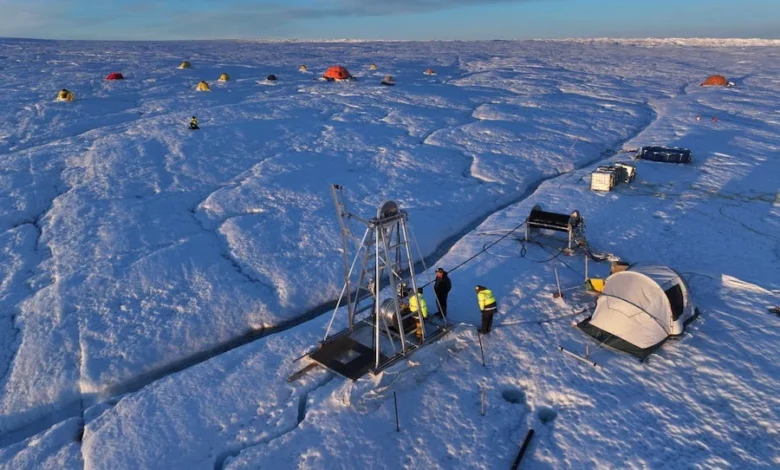
Methane emissions occupy a unique and decisive nexus in the global climate framework. Because the gas acts as a near-term amplifier of global heating, unrestrained emissions threaten to push Earth’s climate systems past irreversible tipping points, such as the massive thawing of Arctic permafrost and the destabilization of marine methane hydrates.
Conversely, because methane clears from the atmosphere within roughly twelve years, aggressive, immediate mitigation offers humanity its most powerful tool to bend the global temperature curve downward over the next two decades. As governments, regulatory bodies, and civil society confront the realities of accelerating extreme weather, the imperative to translate scientific data into rigorous, enforceable policy enforcement on methane remains an urgent test of global climate leadership.