Methane has quietly emerged as one of the most critical variables in the ongoing global climate emergency. While carbon dioxide frequently commands the bulk of public discourse surrounding greenhouse gas emissions, methane operates with a potency that outstrips its more famous counterpart by orders of magnitude over the short term. As an odorless, colorless hydrocarbon, it is the primary constituent of natural gas and is generated through a complex matrix of biological processes and industrial activities. With atmospheric concentrations surging to record highs in recent years, scientists, policymakers, and environmental economists are increasingly shifting their focus toward methane mitigation as the most immediate and viable lever available to stabilize global temperatures.

Understanding the fundamental chemistry and origins of methane reveals a gas deeply embedded in both natural earth systems and modern human infrastructure. Formed geologically over millions of years through the application of heat and pressure to decomposing organic matter—yielding the deposits humans exploit as natural gas—methane is also produced biologically through methanogenesis. In this oxygen-free process, ancient microorganisms known as archaea generate the gas in environments ranging from waterlogged wetlands and the digestive tracts of termites to the rumen of livestock. While natural sources such as wetlands, oceans, and permafrost maintain a baseline presence of methane in the atmosphere, anthropogenic activities since the dawn of the Industrial Revolution have drastically accelerated emission rates, overwhelming natural planetary sinks like the troposphere and regional soils.
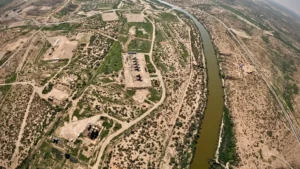
The challenge of quantifying methane emissions has historically relied on two distinct methodologies: bottom-up and top-down approaches. Bottom-up inventories aggregate localized measurements or estimations, such as multiplying standard equipment leak rates or per capita animal emissions by population totals. However, these traditional models frequently fail to capture catastrophic industrial failures. Advanced satellite telemetry and high-altitude atmospheric monitoring have exposed a vast disparity between reported inventories and actual emissions, revealing that a small fraction of massive, unforeseen "super-emitter" leaks—often originating from aging fossil fuel infrastructure and overflowing landfills—account for a disproportionate share of global industrial leakage. Studies evaluating U.S. oil and gas sectors, for instance, have found direct aerial and ground measurements exceeding official agency inventories by substantial margins, emphasizing the urgent need for enhanced monitoring capabilities.

The temporal dynamics of methane in the atmosphere dictate its unique role in climate science. Although carbon dioxide persists for centuries, methane has a relatively brief atmospheric lifespan of approximately twelve years before breaking down into carbon dioxide and water vapor. Yet, during its short tenure, methane exerts a disproportionate warming effect. Measured over a 20-year timescale, its global warming potential is 86 times greater than that of carbon dioxide, reducing to roughly 28 times over a 100-year horizon. This high potency coupled with a short lifespan means that aggressive interventions targeting methane can yield immediate cooling benefits, serving as a vital mechanism to prevent global temperatures from breaching the critical threshold of 1.5 degrees Celsius above pre-industrial levels, as outlined by the Intergovernmental Panel on Climate Change.
Anthropogenic emissions currently account for approximately 60 percent of total atmospheric methane, driven predominantly by three key sectors: agriculture, fossil fuels, and waste management. Agriculture represents roughly 40 percent of human-caused emissions, with enteric fermentation from ruminant livestock—primarily cattle, sheep, and goats—constituting the vast majority of this share. Microbial digestion in these animals generates substantial quantities of methane as a metabolic byproduct. Rice cultivation in flooded paddies and the management of animal manure further amplify agricultural contributions. Meanwhile, the fossil fuel industry accounts for approximately 35 percent of human-driven emissions, split between the extraction, processing, and transportation of oil and natural gas, and the mining of coal seams. Landfills and municipal wastewater management systems comprise the remaining major category, where anaerobic decomposition of organic solid waste releases significant volumes of methane into the lower atmosphere.

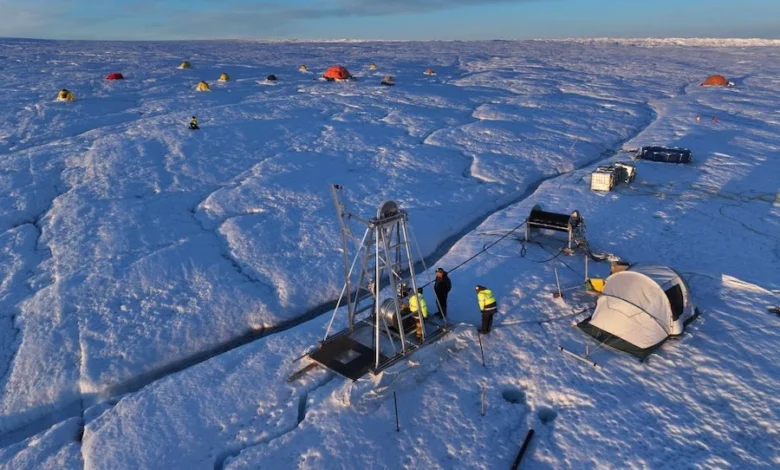
Natural emissions, accounting for the remaining 40 percent of the global budget, are heavily dominated by wetlands. In recent years, however, a troubling climate feedback loop known as the wetland methane feedback has materialized. Rising global temperatures and shifting precipitation patterns have accelerated microbial activity in tropical and Arctic wetlands, as well as thawing permafrost. The melting of permafrost not only releases ancient carbon stores trapped in frozen soils and ocean-floor methane hydrates, but also stimulates microbial methanogenesis across vast northern expanses. This process transforms a historical carbon sink into an active source of greenhouse gas emissions, threatening to trigger irreversible climate tipping points if global heating continues unchecked.
Compounding these industrial and natural sources is the contentious geopolitical expansion of liquefied natural gas infrastructure. Frequently championed by industry advocates as a "bridge fuel" capable of displacing coal—which emits higher volumes of carbon dioxide per unit of energy when burned—natural gas has seen an unprecedented buildout of export terminals across North America, Australia, and other regions. However, this narrative overlooks the pervasive leakage of unburned methane throughout the extraction and supply chain. Scientific assessments indicate that even minimal leakage rates can nullify the climate advantages of natural gas over coal, rendering liquefied natural gas systems potentially more damaging to near-term warming trajectories. Furthermore, government analyses suggest that new export capacities frequently compete with, rather than substitute for, rapid investments in zero-emission renewable energy sources.

Beyond its role in driving the climate crisis, methane is a critical precursor to the formation of ground-level ozone, a harmful secondary pollutant generated through atmospheric chemical reactions. Tropospheric ozone poses a severe hazard to public health, exacerbating chronic respiratory conditions, triggering cardiovascular and pulmonary illnesses, and contributing to hundreds of thousands of premature deaths annually worldwide. Additionally, high concentrations of ground-level ozone severely damage agricultural crops, inflicting heavy economic losses on global wheat, maize, rice, and soybean yields. Consequently, concerted efforts to curb methane emissions offer immediate co-benefits for human health and global food security.
A comprehensive suite of mitigation strategies exists across all major emitting sectors, capable of achieving significant reductions within the decade. Within the agricultural domain, interventions range from systemic dietary transitions toward plant-forward consumption in developed nations and enhanced food waste reduction to technical solutions such as the integration of enteric methane inhibitors—including specific seaweed supplements and chemical additives—into livestock feed. Improving agricultural productivity per animal, optimizing manure management through anaerobic digesters, and employing alternative wetting and drying techniques in rice cultivation can similarly drive down sectoral emissions.

For the fossil fuel industry, transitioning rapidly to renewable energy sources remains the ultimate objective, yet immediate operational fixes offer the greatest short-term potential for rapid mitigation. International energy agencies note that deploying rigorous leak detection and repair protocols, updating pneumatic devices, capturing fugitive gases from coal mines, and systematically capping abandoned oil and gas wells can eliminate a substantial majority of industry emissions using existing technology. Similarly, municipal waste management strategies—such as diverting organic waste from landfills, expanding community composting, and upgrading wastewater treatment facilities to capture biogas—provide effective avenues for curbing urban emissions.
International policy frameworks have increasingly sought to formalize these commitments. Launched at the COP26 climate summit in Glasgow, the Global Methane Pledge has attracted signatures from nearly 160 nations committed to reducing global methane emissions by 30 percent below 2020 levels by 2030. If successfully implemented, this pledge could prevent up to 0.2 degrees Celsius of global warming by mid-century. Nevertheless, a persistent implementation gap remains evident. Despite formal pledges, global methane emissions from the oil, gas, and agricultural sectors have continued to climb, with only a fraction of total emissions currently governed by binding domestic reduction policies. Closing this enforcement gap will require stricter regulatory oversight, enhanced satellite monitoring transparency, and sustained pressure from both civil society and international coalitions.

Ultimately, addressing the methane challenge requires a synchronized response spanning individual behavioral shifts, industrial accountability, and systemic policy reform. While personal actions—such as reducing food waste, transitioning to plant-based dietary options, and electrifying home heating and cooking appliances—empower consumers to lower their individual footprints, the scale of the crisis demands structural transformations. By leveraging advanced detection technologies, closing loopholes in fossil fuel extraction, and aggressively executing existing mitigation strategies, the global community possesses the necessary tools to curb methane emissions, stabilize near-term temperatures, and secure a resilient climate future.