
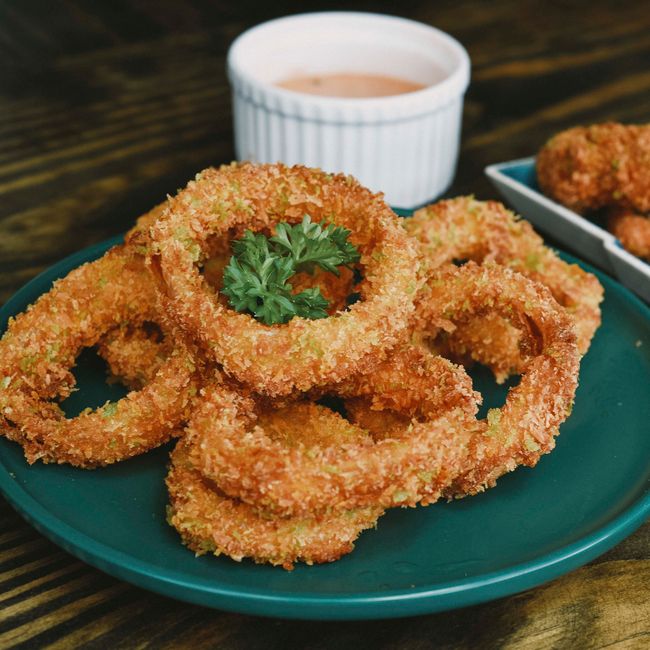
Toasted Coconut Onion Rings: A Culinary Revelation
The humble onion ring undergoes a radical transformation with the incorporation of toasted coconut, yielding a crispy, savory, and subtly sweet delight that transcends the ordinary appetizer. This article delves into the multifaceted appeal of toasted coconut onion rings, exploring their unique flavor profile, optimal preparation techniques, ingredient considerations, culinary applications, and SEO-driven strategies for culinary content creators. We will dissect the science behind achieving perfect crispness, the nuances of toasting coconut for maximum impact, and how to position this innovative dish for maximum online visibility.
The synergy between the sharp, pungent aroma of onions and the warm, nutty sweetness of toasted coconut creates an unexpected yet harmonious flavor marriage. The toasting process is paramount; it unlocks the latent sugars in the coconut, caramelizing them to a golden-brown hue and imbuing them with a depth of flavor that raw coconut simply cannot replicate. This toasting also alters the texture, making the coconut flakes more rigid and less prone to burning during the frying process, while simultaneously contributing an extra layer of crunch to the finished product. The initial bite delivers a satisfying crispness, followed by the familiar sweet and savory notes of a well-seasoned onion ring, culminating in the distinct, aromatic whisper of toasted coconut. This layered complexity elevates toasted coconut onion rings from a simple bar snack to a sophisticated culinary experience capable of impressing discerning palates.
Achieving the ideal crispness in any fried food, including these onion rings, hinges on several critical factors. First and foremost is the batter. A well-formulated batter should adhere uniformly to the onion slices, creating a cohesive coating that fries evenly. Common batter bases include flour, cornstarch, and sometimes leavening agents like baking powder for added lightness. For toasted coconut onion rings, the coconut itself becomes an integral part of the coating, either mixed directly into the batter or used as a secondary coating, applied after an initial batter dip. The ratio of dry to wet ingredients in the batter is crucial; too thin, and it won’t provide sufficient coverage; too thick, and it can lead to a doughy, heavy texture. Cornstarch is often incorporated to enhance crispness due to its lower gelatinization temperature compared to flour, leading to a more brittle, fried exterior. The second critical element is the frying medium. A neutral oil with a high smoke point, such as canola, vegetable, or peanut oil, is essential. Maintaining a consistent oil temperature, typically between 350°F and 375°F (175°C to 190°C), is non-negotiable. Oil that is too cool will result in greasy, soggy rings, as the food will absorb excessive oil before the exterior can crisp. Conversely, oil that is too hot will cause the exterior to burn before the interior is cooked through. Frying in small batches is also vital to prevent overcrowding the pan, which can lower the oil temperature and lead to uneven cooking.
The preparation of the onion itself plays a significant role. Sweet onions, such as Vidalia, Walla Walla, or Maui onions, are ideal for their lower sulfur content and inherent sweetness, which complements the toasted coconut beautifully. These onions are also generally larger and have fewer, more distinct rings, making them easier to slice and coat. Slicing the onions to a uniform thickness, typically around ¼ inch, ensures even cooking. Soaking the sliced onions in cold water for at least 30 minutes, or even up to a few hours, helps to remove excess starch and further mellow their pungent bite, contributing to a more tender and less overpowering onion flavor. Thoroughly drying the onion slices after soaking is imperative; moisture is the enemy of crispiness in frying.
The star of this culinary innovation, the toasted coconut, demands careful attention. Unsweetened shredded or flaked coconut is generally preferred to avoid introducing excessive sweetness from the coconut itself, allowing the savory elements of the onion and seasoning to shine. To toast the coconut, a low to medium heat in a dry skillet is recommended. Stirring constantly is crucial to prevent burning, as coconut can go from perfectly toasted to burnt in a matter of moments. The aroma will change, becoming more intensely nutty and fragrant, and the color will shift to a light golden brown. For an even, controlled toasting, an oven can be used at around 300°F (150°C), spread in a single layer on a baking sheet, with periodic stirring. Once toasted, the coconut should be cooled completely before being incorporated into the onion ring preparation. This cooling allows the toasted notes to fully develop and prevents premature sogginess.
The coating process for toasted coconut onion rings can be approached in several ways, each offering subtle variations in texture and flavor distribution. A classic three-step dredging method is effective: first, a light coating of seasoned flour, followed by an egg wash (eggs beaten with a splash of milk or water), and finally, a mixture of breadcrumbs, toasted coconut, and additional seasonings. Alternatively, the toasted coconut can be finely ground and incorporated directly into the flour or breadcrumb mixture, creating a more integrated crust. Another popular method involves a thicker, beer-based batter, into which the toasted coconut is whisked. This creates a substantial, crispy shell. Regardless of the chosen method, ensuring a thorough and even coating is key to achieving that desirable crunch. Seasonings are critical to balancing the sweetness of the onion and coconut. Salt and black pepper are foundational. Smoked paprika adds a subtle smoky depth, garlic powder and onion powder enhance the savory notes, and a pinch of cayenne pepper can provide a gentle warmth. Nutritional yeast can be added for a cheesy, umami flavor without dairy.
When considering SEO for this recipe, the keyword "toasted coconut onion rings" is the primary focus. Related keywords should be integrated naturally throughout the content, including "crispy onion rings," "sweet onion rings," "coconut crusted onion rings," "savory appetizer recipe," "homemade onion rings," "easy appetizer," and "vegan onion rings" (if the recipe is adapted to be vegan by using a plant-based milk alternative and binder). Utilizing long-tail keywords such as "best toasted coconut onion rings recipe" or "how to make crispy coconut onion rings" can attract highly targeted traffic.
The "how-to" aspect of the recipe is paramount for SEO. Clear, step-by-step instructions, accompanied by high-quality imagery or even video content, are essential. The title should be descriptive and keyword-rich. Subheadings (H2, H3 tags) should break down the content logically, incorporating keywords where appropriate, such as "Toasting the Coconut for Optimal Flavor," "The Perfect Batter for Crispy Onion Rings," and "Frying Techniques for Golden Perfection."
The unique flavor profile of toasted coconut onion rings opens up a world of culinary possibilities. They are an exceptional starter for a tropical-themed dinner party or a BBQ. Their sweet and savory notes make them a fantastic accompaniment to grilled meats, particularly pork and chicken. They can also be a surprising and delightful addition to a vegetarian or vegan main course, offering a textural and flavor contrast. Consider pairing them with a spicy mango salsa, a cooling avocado crema, or a tangy lime-cilantro aioli for dipping. The versatility extends to their inclusion in gourmet burgers, adding an unexpected crunch and flavor dimension. For those seeking a meatless option, a substantial plant-based burger topped with these rings becomes a culinary statement.
For content creators, optimizing images with relevant alt text is crucial. For instance, an image of the finished rings could have alt text like "Golden brown toasted coconut onion rings on a serving platter." Similarly, an image of the toasting coconut could be described as "Shredded coconut being toasted in a skillet for onion rings."
The nutritional aspects, while not the primary focus for SEO, can be addressed for a more comprehensive article. While fried foods are generally higher in calories and fat, the use of fresh onions and the specific ingredients in the coating can be highlighted. For instance, the healthy fats present in coconut can be mentioned. Additionally, offering variations, such as baking the onion rings instead of frying, can cater to a wider audience and allow for SEO targeting of "baked coconut onion rings."
In terms of recipe variations, exploring different types of coconut, such as medium or coarse flakes, can impact the final texture and visual appeal. Some recipes might call for desiccated coconut for a finer coating, while others benefit from larger flakes for a more pronounced textural contrast. The type of onion used can also be a point of discussion, with red onions offering a slightly different flavor profile and visual appeal.
To further enhance SEO, engaging with the audience through comments sections and social media sharing is vital. Encouraging user-generated content, such as photos of their own creations, can boost visibility and create a community around the recipe.
The longevity of the crispness is a common concern for fried foods. Proper draining of excess oil immediately after frying, using a wire rack set over a baking sheet rather than paper towels, is essential. Serving the onion rings immediately after frying is always best for optimal crispness. However, if they need to be held for a short period, reheating them in a single layer on a baking sheet in a moderate oven (around 350°F/175°C) can help to restore some of their lost crispness.
The concept of "umami" is increasingly recognized in food trends, and the savory elements of the onion, combined with the toasted notes of the coconut and well-chosen seasonings, contribute to a significant umami experience. This is a valuable selling point for marketing the recipe.
Finally, the presentation of toasted coconut onion rings should not be overlooked. A rustic wooden board, a simple ceramic platter, or even a cast-iron skillet can enhance their visual appeal in photographs. Garnishes like fresh cilantro, a sprinkle of red pepper flakes, or a drizzle of a complementary sauce can elevate the presentation further.
In conclusion, toasted coconut onion rings represent a culinary innovation that merges unexpected flavors and textures to create a truly memorable dish. By understanding the intricacies of ingredient preparation, batter formulation, frying techniques, and by strategically employing SEO best practices, this unique appetizer can achieve widespread recognition and culinary success. The fusion of sweet, savory, and nutty notes, coupled with an irresistible crunch, positions toasted coconut onion rings as a compelling subject for both home cooks and professional chefs seeking to explore exciting new flavor combinations and for digital content creators aiming to capture a wider audience online.
