The evolution of Caribbean tourism over the past several decades has been characterized by a distinct tension between accessibility and preservation. As major island destinations experienced surges in commercial development and mass tourism, travelers seeking seclusion increasingly found themselves looking beyond traditional resort corridors. For decades, destinations such as Turks and Caicos served as premier tropical retreats, praised for their translucent turquoise waters and fine white-sand coastlines. However, accelerated infrastructure growth and rising commercialization prompted a shifting demographic of travelers to seek alternative destinations prioritizing environmental conservation and geographic isolation.
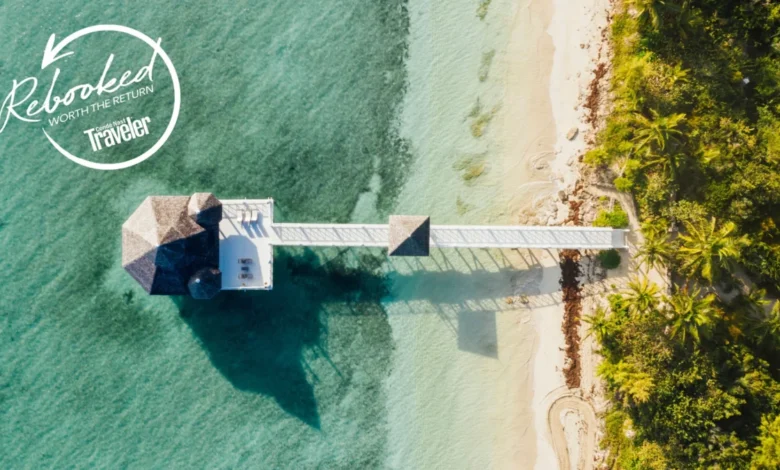
Against this backdrop, Kamalame Cay—a 96-acre private barrier island off the coast of Andros, the largest island in the Bahamas—has emerged as a distinct model of understated luxury and ecological stewardship. Originally discovered by seasoned travelers seeking refuge from the increasingly crowded hubs of the wider archipelago, the property has cultivated a dedicated following among travel journalists and conservation-minded tourists alike. A structural examination of the resort, its surrounding marine ecosystem, and its enduring appeal highlights the broader implications of low-impact tourism in the modern travel economy.

Geographic Isolation and the Logistics of Arrival
The primary architectural and operational philosophy of Kamalame Cay centers on deliberate isolation. Situated approximately one mile off the eastern shore of Andros Island, the resort operates as a self-contained ecosystem where vehicular traffic is replaced by golf carts navigating unpaved, palm-fringed sandy pathways.
Reaching the property requires a multi-stage journey that reinforces its off-the-grid reputation. Travelers typically fly into Nassau’s Lynden Pindling International Airport before boarding a connecting 10-minute flight to Fresh Creek Airport on Andros, followed by a short port transfer and boat ride to the cay. Alternatively, the resort maintains private Coco seaplane services operating direct routes from Fort Lauderdale, Florida, directly to the island’s shoreline. This logistical framework deliberately limits high-volume day-tripper traffic, ensuring that the guest population remains strictly regulated and intimately scaled.

By maintaining this geographical buffer, Kamalame Cay preserves an atmosphere reminiscent of historical Caribbean exploration. Unlike densely populated resort strips characterized by high-rise hotels and concentrated commercial vendors, the island’s landscape remains dominated by native vegetation, undisturbed wildlife habitats, and thousands of resident hermit crabs.
Accommodation Architecture and Sustainable Design
Accommodations at Kamalame Cay reflect a barefoot-chic aesthetic designed to harmonize with the natural environment rather than dominate it. The property features a curated portfolio of 21 seaside rooms and suites, alongside a collection of private standalone villas capable of accommodating groups ranging from four to 12 guests.
.jpg)
The structural design of these bungalows utilizes whitewashed woods, natural linen textiles, and coastal-inspired minimalist decor. Crucially, each unit is engineered to provide direct ocean access or unobstructed waterfront views, reinforcing a sense of solitary retreat. Rather than imposing rigid, institutional hotel standards, the resort provides residential-style amenities, including daily breakfast deliveries packaged in traditional wicker baskets featuring fresh tropical fruits, house-made pastries, and locally sourced items.
Environmental preservation extends beyond architectural choices to the island’s operational protocols. The resort’s spa facilities utilize eco-conscious skincare products such as Osea Malibu formulations, aligning luxury wellness with sustainable sourcing. Furthermore, the provision of Mongoose fat-tire bicycles, paddleboards, and kayaks encourages non-motorized exploration of the island’s perimeter, minimizing the carbon footprint of recreational activities.
Marine Biodiversity and Ecosystem Context

The geographical positioning of Andros Island provides Kamalame Cay guests with access to one of the most ecologically significant marine environments in the Western Hemisphere. Andros is bordered by the Andros Barrier Reef, the third-largest barrier reef system in the world, stretching nearly 200 miles along the island’s eastern shelf.
This marine sanctuary supports an extraordinary concentration of biodiversity, ensuring frequent sightings of sea turtles, rays, and myriad tropical fish species. For researchers and diving enthusiasts, the region is equally renowned for its geological formations, hosting over 200 blue holes—the highest density of inland and offshore underwater cave systems globally. These sinkholes serve as crucial hydrological and ecological hubs, attracting marine scientists and adventurous travelers interested in technical diving and subterranean exploration.
The resort capitalizes on this natural setting by offering specialized maritime excursions, including reef fishing, bonefishing, and targeted lionfish spearing programs designed to mitigate the ecological impact of invasive species on local coral reefs. Additionally, guided boat tours navigate shifting sandbars and neighboring uninhabited cays, offering guests secluded environments for private dining and wildlife observation.

Hospitality Culture and the Shift Away From Traditional Luxury
The hospitality sector has witnessed a notable evolution in consumer preferences, transitioning away from formal, ultra-exclusive butler services toward relational, community-oriented hospitality. At Kamalame Cay, this ethos is reflected in the interactions between staff and guests.
Industry analysts note that high-net-worth travelers increasingly value authenticity and personalized engagement over rigid, hyper-formal luxury protocols. The resort’s management style emphasizes warmth, local expertise, and understated service, fostering an environment where guests are treated with familial familiarity rather than detached corporate efficiency. This approach reduces the social friction often associated with high-end resorts, creating an inclusive community atmosphere centered around communal dining, social beach gatherings, and relaxed, wine-soaked afternoon lunches hosted by the property’s proprietors, David and Michael King-Hew.

Implications for the Future of Caribbean Tourism
The enduring popularity of Kamalame Cay—underscored by consistent recognition on prestigious international travel lists, including the Condé Nast Traveler Readers’ Choice Awards and Gold List—highlights a crucial trajectory in contemporary tourism development. As global destinations grapple with the economic and environmental pressures of over-tourism, properties that prioritize strict carrying capacities, habitat restoration, and low-density infrastructure offer a sustainable blueprint for the future.
The economic model of Andros relies heavily on maintaining the ecological integrity of its marine and terrestrial ecosystems. With a total permanent population of less than 8,000 residents across the entire landmass of Andros, large-scale commercial development remains economically and environmentally unviable. Consequently, boutique eco-resorts like Kamalame Cay demonstrate that commercial viability in the luxury travel sector is entirely compatible with rigorous environmental conservation.

For travelers fleeing the hyper-connected, high-stress demands of modern professional life, destinations offering absolute digital and physical detachment provide documented psychological and physiological benefits. By trading urban congestion and corporate noise for the rhythmic motion of tides, solitary horizons, and unadorned natural beauty, properties like Kamalame Cay redefine the parameters of modern luxury. In an era where genuine solitude is increasingly difficult to procure, the true value of such destinations lies not in material excess, but in the rare and priceless commodity of uninterrupted peace.