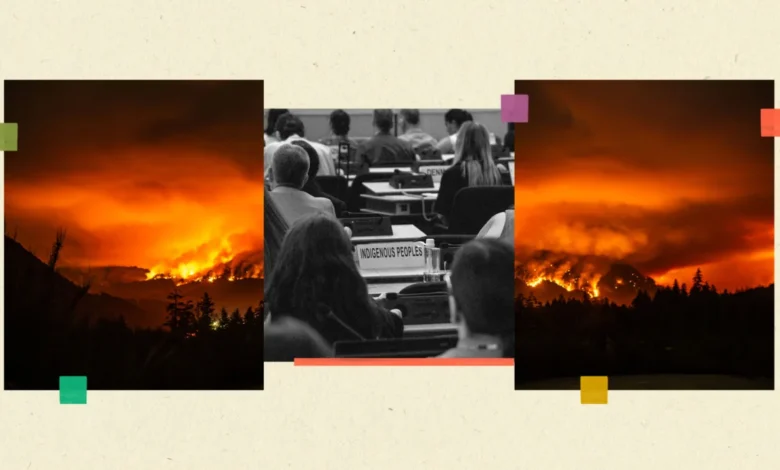
The landscape of Northern Ontario has been transformed into a theater of environmental and humanitarian crisis as a relentless wildfire season ravages Indigenous territories, leaving the Namaygoosisagagun First Nation—also known as Collins—in a state of total devastation. Amidst a national emergency that sees more than 900 wildfires burning across Canada, the destruction of this remote community has highlighted not only the increasing volatility of the climate but also the deep-seated systemic inequities that leave certain Indigenous populations uniquely vulnerable during times of catastrophe. As of late this week, thirteen First Nations remain under mandatory evacuation orders, with at least 2,182 individuals displaced from their ancestral lands.
The most harrowing account of the current crisis comes from the Namaygoosisagagun First Nation, located approximately 125 miles north of Thunder Bay. In a terrifying span of less than sixty minutes on Wednesday, a fast-moving, "unexpected" blaze swept through the community, consuming homes and essential infrastructure with such speed that residents were forced to flee by boat. Because the community is inaccessible by road, the waterways provided the only viable escape route as the forest canopy ignited around them. Reports from the ground indicate that residents had only minutes to gather what few belongings they could carry before the flames overtook their doorsteps. Anishinabek Nation Grand Council Chief Linda Debassige confirmed that while the physical destruction is near-total, all community members have been accounted for, though a full assessment of the psychological and material toll is still pending.
A Chronology of the Disaster and the Failure of Early Warning Systems
The timeline of the Namaygoosisagagun disaster reveals a significant failure in the emergency communication chain. According to community leadership and legal representatives, the residents of Collins received no advance warning from provincial or federal authorities. The fire, fueled by dry conditions and high winds, advanced with a ferocity that outpaced official monitoring. In the absence of a formal alert, community members took it upon themselves to go door-to-door, alerting neighbors and coordinating an emergency evacuation to the water’s edge.
By the time the fire reached the community perimeter, more than two dozen people were already on the water, watching from boats as their homes were razed. This lack of institutional support extended beyond the initial warning; the community reportedly received no immediate evacuation assistance from government agencies during the height of the blaze. Grand Council Chief Debassige noted that the community was essentially left to fend for itself in the face of a "fast-moving wildfire that advanced toward and through the community, causing extensive damage and destruction."
The situation in Namaygoosisagagun is part of a broader, escalating pattern across the province. In Ontario alone, 193 fires are currently active, seven of which have forced the complete evacuation of First Nations. Communities such as Whitesand First Nation, Kiashke Zaaging Anishinaabek, and Animbiigoo Zaagi’igan Anishinaabek are currently grappling with the same mandatory orders, supported by the Ontario Provincial Police. However, the experience of Namaygoosisagagun remains distinct due to a complex and controversial legal hurdle regarding its official status.
The Recognition Gap: Why Aid is Being Withheld
The most critical challenge facing the survivors of Namaygoosisagagun is not the fire itself, but the bureaucratic wall they have hit in the aftermath. Although the residents are recognized as First Nations people under the federal Indian Act, the community of Namaygoosisagagun is not officially recognized as a "First Nation" entity by the Canadian government. For decades, the leadership of Collins has sought official recognition, a status that would grant them access to federal funding, infrastructure support, and, crucially, emergency management resources.
Meaghan Daniel, a lawyer representing the community, has gone on the record stating that residents are being denied essential recovery assistance because of this lack of formal recognition. In a formal letter addressed to Mandy Gull-Masty, the Indigenous Services minister, Daniel argued that the federal government’s refusal to provide emergency and reconstruction support is a threat to the community’s very existence. The letter emphasizes that without the same supports available to recognized First Nations, Namaygoosisagagun may never be able to rebuild. "The question is not merely whether recovery will be delayed," the letter states. "It is whether Namaygoosisagagun will have a future in the place it has called home since time immemorial."
This jurisdictional dispute creates a "grey zone" where the people are recognized as Indigenous, but their physical community is treated as a non-entity for the purposes of federal disaster relief. Indigenous Services Canada (ISC) has responded to these allegations with a statement from spokesperson Eric Head, who claimed that efforts are now underway to determine the community’s immediate needs. However, for the leadership in Ontario, these promises of "coordination" are often seen as too little, too late.
Supporting Data: The Scale of the 2024 Wildfire Season
The destruction of Namaygoosisagagun occurs against the backdrop of one of the most active wildfire seasons in recent history. Data from the Canadian Interagency Forest Fire Centre (CIFFC) and the Canadian Wildland Fire Information System provide a sobering look at the national scale of the crisis:
- Total Active Fires: As of Friday, there are 903 active wildfires burning across the country.
- Out of Control: Of those 903 fires, 750 (approximately 83%) are classified as "out of control."
- New Ignitions: In a single 24-hour period between Thursday and Friday, 43 new fires were reported.
- Ontario Impact: With 193 active fires, Ontario is currently a primary focal point of the emergency, leading to dozens of evacuation orders for both Indigenous and non-Indigenous municipalities.
- Displacement: Over 2,100 First Nations members are currently displaced, residing in temporary shelters, hotels, or with family members in larger urban centers like Thunder Bay and Sudbury.
These figures underscore the immense pressure on provincial and federal resources. However, Indigenous leaders argue that the "bureaucratic processes" required to access these resources are fundamentally flawed and prioritize red tape over human life.
Official Responses and Political Frustration
The Chiefs of Ontario held an emergency meeting on Wednesday to address the escalating crisis. The tone of the meeting was one of profound frustration. Ontario Regional Chief Abram Benedict criticized the "jurisdictional disputes and administrative delays" that have plagued the response to the fires. Benedict argued that during a catastrophe of this magnitude, the priority should be the safety of people rather than "financial discussions and technicalities."
"We are on the front lines of this catastrophe that is having international impacts," Benedict stated, referring to the smoke that has drifted across the border into the United States, affecting air quality for millions. "Our First Nations leadership, emergency responders, and community members are working to protect their people and homelands, but they are being hindered by a lack of clear communication and the slow grind of government machinery."
In Ottawa, the Assembly of First Nations (AFN) used its national assembly this week to pass emergency resolutions. These resolutions demand that the federal government provide immediate and ongoing support for Namaygoosisagagun and other impacted Nations. The AFN is calling for a suspension of the typical "recognition" requirements during environmental emergencies, arguing that the right to safety and shelter should not be contingent on a community’s status under the Indian Act.
The Anishinabek Nation has also issued a plea for solidarity and privacy for the citizens of Namaygoosisagagun. In a statement, the Nation offered condolences for the "tremendous loss of their entire community" and pledged that the broader Anishinabek family would stand by them during the long road to recovery.
Implications and the Path Forward
The total loss of the Namaygoosisagagun First Nation serves as a grim case study for the intersection of climate change and systemic inequality. As wildfires become more frequent and more intense, remote Indigenous communities—often lacking road access, modern firefighting equipment, and reliable communication infrastructure—are at the highest risk.
The legal battle over recognition for the Collins community is likely to become a landmark case in how Canada handles emergency management for "unrecognized" Indigenous settlements. If the federal government continues to withhold reconstruction aid, it may set a precedent that leaves dozens of similar communities across the North in a state of permanent vulnerability.
Furthermore, the "communication gap" identified by Chief Debassige suggests a need for a complete overhaul of provincial early-warning systems. In an era where satellite monitoring and real-time data are available, the fact that a community could be leveled in an hour without a single official alert is being viewed by many as a systemic failure of the duty to protect.
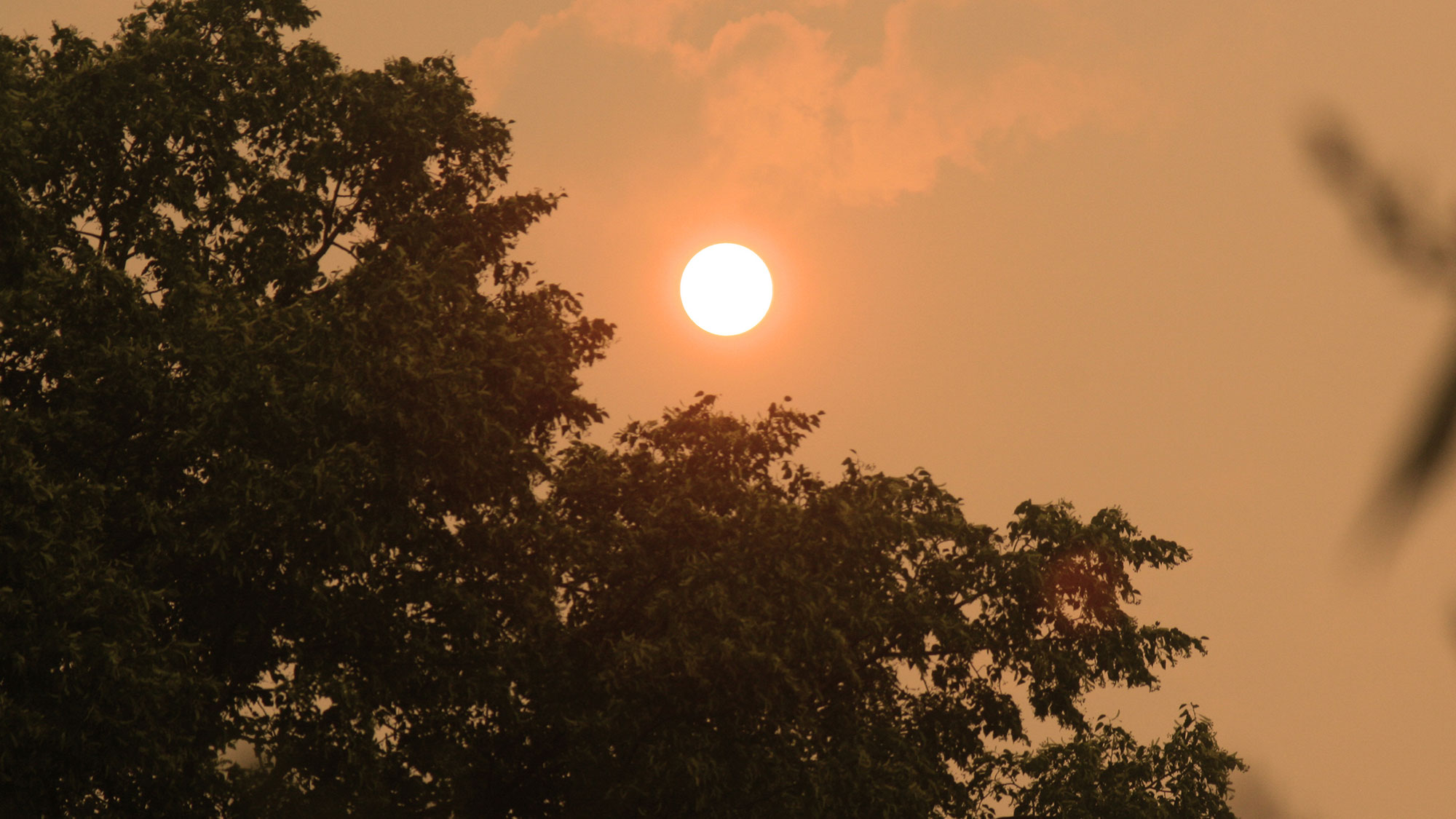
As the smoke continues to billow over Northern Ontario, the immediate focus remains on the survival and relocation of the displaced. However, the long-term implications for Namaygoosisagagun are clear: without a shift in federal policy and a commitment to rebuilding regardless of "status," a community that has existed since "time immemorial" faces the very real possibility of being erased from the map forever. The coming weeks will determine whether the Canadian government views this as a mere administrative technicality or a humanitarian obligation that transcends the boundaries of the Indian Act.