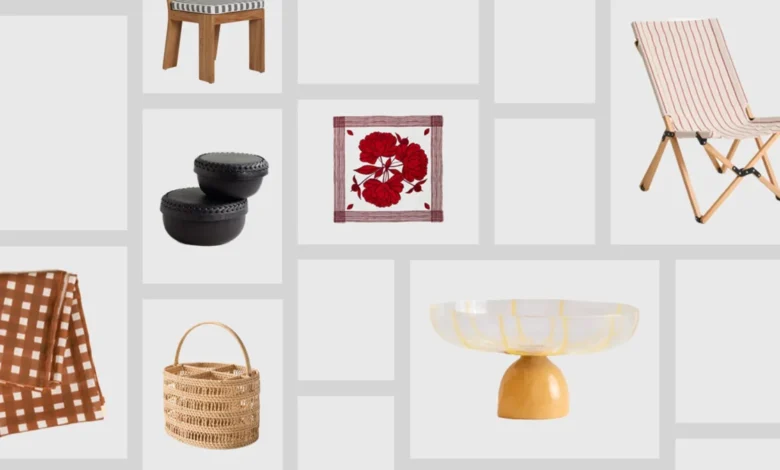
The global home furnishings market in 2026 has been defined by a complex intersection of high production costs and a consumer base increasingly seeking "dopamine decor"—items specifically designed to elicit joy through vibrant colors, unique textures, and artisanal craftsmanship. As the mid-summer season reaches its peak, major retailers and boutique design houses have initiated a series of significant markdowns to clear inventory ahead of the autumn collection launches. This week’s sales event features a curated selection of high-end collaborations, sustainable minimalist furniture, and hand-crafted serveware from influential brands such as Farm Rio, Flamingo Estate, Thuma, and West Elm.
For the modern homeowner, furnishing a living space has become a long-term financial strategy rather than a one-time expenditure. Industry analysts note that with the average cost of high-quality interior design rising by 12% over the last two fiscal years, consumers are increasingly relying on strategic sales windows to acquire "investment pieces" that offer both durability and aesthetic longevity. This week’s "AD-approved" edit highlights where the most significant value can be found, ranging from essential furniture to "impulse buy" accents that define a home’s character.

The Minimalist Movement and Sustainable Joinery
A standout in the current sales cycle is the Thuma Pillar Coffee Table, currently marked down from $595 to $495. Thuma has built a reputation on the principles of Japanese joinery, a method that minimizes the need for metal hardware and emphasizes the natural integrity of solid wood. The Pillar Coffee Table is emblematic of the "quiet luxury" trend that continues to dominate the high-end furniture sector in 2026. By focusing on solid wood construction and a minimalist silhouette, the piece is designed to serve as a neutral foundation for living rooms where personal collections—such as art books or curated curios—are intended to take center stage.
Retail data suggests that "minimalist-functional" furniture has seen a 15% increase in search volume this quarter, as consumers move away from "fast furniture" in favor of items with a lower environmental footprint. The Thuma sale represents a broader shift in the industry toward pieces that can be easily assembled, disassembled, and moved, reflecting the nomadic yet style-conscious lifestyle of modern urban professionals.
The Resurgence of the Elaborate Cocktail Hour
As social entertaining continues to move back into the private home, serveware and bar accessories have seen a dramatic revitalization. West Elm’s Solei collection is a primary example of this trend, with its metal cocktail picks (set of 6) currently on sale. These items, often overlooked in basic home setups, are now being marketed as essential components for the "perfect martini" enthusiast. The Solei collection emphasizes a Mediterranean aesthetic, utilizing warm metals and organic shapes to elevate the home bar experience.

Similarly, the Completed Works Thaw Recycled-Glass Martini Glass has become a cult favorite among design enthusiasts. Reduced from $260 to $104, this piece represents the pinnacle of sustainable luxury. Hand-blown from recycled glass, its "chunky" and irregular form challenges the traditional fragility of glassware, turning a functional object into a sculptural work of art. Market researchers indicate that "sculptural glassware" is one of the fastest-growing sub-categories in home decor, as consumers look for small, relatively affordable ways to inject "main character energy" into their daily routines.
Artisanal Craftsmanship and Ethical Sourcing
The 2026 sales landscape is also characterized by a heightened focus on ethical consumerism. Obakki’s Pera Pitcher, handmade in Mexico and wrapped in woven palm leaves, is currently available at a significant discount. Obakki’s business model is centered on supporting indigenous artisans and preserving traditional craft techniques. This "impact-first" approach to retail has gained substantial traction, with 64% of luxury consumers stating that the social impact of a brand influences their purchasing decisions.
In the realm of high-end glassware, Tresse’s Navy Murano Water Glasses are currently retailing for under $100. Murano glass, originating from the Venetian island of the same name, remains a benchmark for quality in the glassblowing world. The swirling patterns and deep hues of the Tresse collection are designed to imbue a tablescape with a "Mediterranean vibe," a trend that has remained resilient throughout the 2020s.
.jpeg)
High-Low Collaborations: Farm Rio and Anthropologie
One of the most anticipated segments of the current sale is the collaboration between the Brazilian brand Farm Rio and Anthropologie. Known for its "tropical maximalism," Farm Rio has successfully translated its fashion-forward aesthetic into the home space. The discounted 100% cotton tablecloth, featuring palm-embroidered borders, offers a subtle entry point into the brand’s usually exuberant style.
Industry experts suggest that collaborations between high-street retailers like Anthropologie and niche international brands like Farm Rio are essential for driving foot traffic during the summer slump. These partnerships allow consumers to access "designer" aesthetics at a fraction of the cost of bespoke interior design. The success of the Farm Rio x Anthropologie line highlights a growing appetite for "globalized decor," where elements of South American, African, and Asian design are integrated into Western domestic spaces.
The Wellness Pipeline: Flamingo Estate
Flamingo Estate has transitioned from a Los Angeles-based agricultural project into a global lifestyle powerhouse. Their "Green Goddess" candle and soap brick gift set, currently on sale at Nordstrom for $79 (down from a $122 value), represents the "wellness-to-home" pipeline. As the boundaries between skincare, nutrition, and home environment blur, brands like Flamingo Estate have capitalized on the desire for "verdant" and "earthy" sensory experiences. The use of garden-grown ingredients in home products is no longer a niche preference but a mainstream demand, as urban dwellers seek to bring the "outside in" to combat screen fatigue and environmental stress.
.jpeg)
Chronology of the July 2026 Sales Cycle
The current sales events are the culmination of a month-long strategic rollout by major design houses:
- July 1st: Early bird "Independence" sales focused on high-turnover items like percale sheets and bath towels. Rebecca Udall’s scalloped pillowcases and Autumn Sonata’s Japanese-inspired towels saw initial 15-20% markdowns.
- July 8th: A shift toward outdoor living. Sundays and Arhaus introduced significant discounts on patio furniture, including the Sundays Settle In Outdoor Patio Chair and the Arhaus Montauk Outdoor Sofa, the latter of which saw a price reduction of over $1,000.
- July 15th: Focus on "small space" solutions and designer nightstands. Sarah Sherman Samuel’s Merrit Nightstand for Lulu and Georgia became a top-seller as it hit a 40% discount, appealing to those in smaller urban apartments.
- July 22nd: The current "clearance" phase. This week represents the deepest cuts, with brands like McGee & Co. offering 50% off items like the Claire Side Table, and Crate & Barrel placing Jake Arnold’s bohemian-leaning trays on clearance.
Data Analysis: The Shifting Home Decor Economy
The 2026 mid-summer sales data reveals several key shifts in the interior design economy. While "big ticket" items like sofas and dining tables have seen a 4% decline in full-price sales year-over-year, the "accent and accessory" market has grown by 9%. This suggests that while consumers are hesitant to commit to major furniture overhauls in an uncertain economic climate, they are more than willing to spend on "refresh" items—carafes, pillows, and rugs—that provide immediate visual impact.
Furthermore, the "washable rug" category, led by brands like Ruggable, has seen a 22% increase in market share. The Scalamandré Tigre Gold Rug, currently 15% off, combines high-end textile history with modern utility. The ability to machine-wash a luxury-branded rug has revolutionized the market for pet owners and families, proving that "prestige" and "practicality" are no longer mutually exclusive.
.jpeg)
Broader Implications for the Interior Design Industry
The aggressive discounting seen this week by retailers like Net-A-Porter (which has branched heavily into "Lifestyle" and "Home") and Design Within Reach indicates a highly competitive environment. As e-commerce platforms utilize advanced AI to predict consumer trends, the window between a trend emerging (e.g., "Art Deco opulence" via Zara’s beveled mirrors) and reaching the sale rack has shortened.
This cycle of rapid production and clearance has led some critics to warn of the "fast-fashionization" of home decor. However, the inclusion of brands like Jono Pandolfi—whose ceramic dinnerware is featured in high-end culinary television like The Bear—suggests that there is still a robust market for items with "provenance" and cultural capital. Pandolfi’s 15% discount on the signature white and toasted clay coupe plates allows amateur chefs to bring a "Michelin-star treatment" to their home kitchens, further blurring the lines between professional-grade equipment and domestic use.
As the July sales window closes, the industry looks toward a fall season that is expected to emphasize "heavy textures" and "moody palettes." For now, the current markdowns offer a rare opportunity for consumers to bridge the gap between "interior designer budgets" and reality, proving that with a strategic "lunch break scroll," a high-end home is more accessible than ever before.