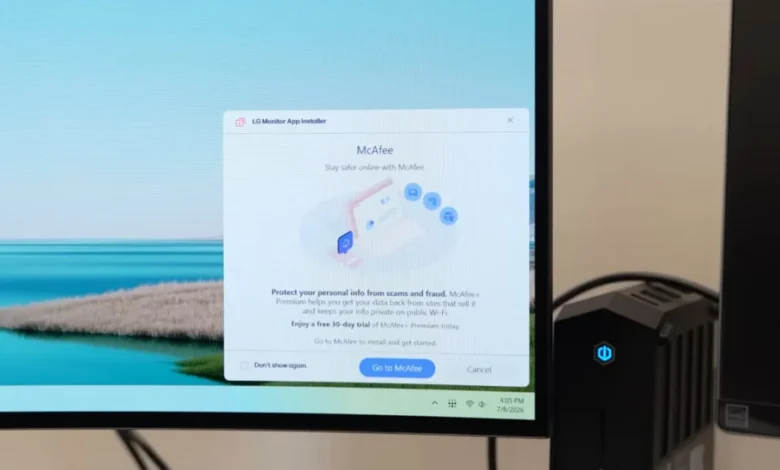
Users across various platforms are reporting a concerning trend: the "LG Monitor App Installer" and its associated advertisements are appearing on their systems without explicit user prompts or permission from LG. This practice has ignited a significant backlash, particularly given LG’s position as a premium manufacturer of computer monitors, with some models exceeding $1,000 in cost. The involuntary installation of software that then pushes ads onto a user’s Windows environment is widely perceived as disruptive, an invasion of privacy, and a violation of consumer trust. Experts highlight the alarming scope of permissions the installed application acquires, raising serious questions about data security and user autonomy.
The Heart of the Controversy: Unwanted Software and Pervasive Permissions
The core issue revolves around the unexpected presence of the "LG Monitor App Installer" on user PCs. Unlike typical software installations that require user initiation and explicit consent, this application appears to be deploying itself automatically. Once installed, the implications are profound. As cybersecurity researcher Burke pointed out, the app technically gains "permission to use ‘all system resources.’" This broad access is compounded by its stated ability to "collect geolocation, device data, online activity, contacts, user credentials, transactions, and more." For users who have invested heavily in high-performance LG monitors, often for professional or high-fidelity gaming purposes, finding their systems laden with unrequested software that harvests such sensitive personal data is an unacceptable breach of expectation and privacy.
The user experience is further marred by the appearance of pop-up advertisements, directly attributable to this silently installed LG application. This monetization strategy, implemented post-purchase on premium hardware, feels particularly egregious to consumers who anticipate a clean, ad-free experience commensurate with their investment. The disruption caused by these unsolicited ads not only detracts from productivity and immersion but also casts a shadow of suspicion over the integrity of the hardware itself. The screenshot widely shared by tech reviewer Gamers Nexus, illustrating the LG app installing via Windows Update, visually confirms the insidious nature of this deployment, suggesting a deeper integration into the operating system’s update mechanisms than a simple standalone application.
A Timeline of Growing Concern: From Quiet Inception to Widespread Outcry
While the recent surge in user complaints and media attention might suggest a new phenomenon, evidence indicates that this practice has been ongoing for several years, with its scope seemingly expanding. Burke, for instance, reported that he began seeing these disruptive pop-up ads on LG monitors he had purchased as far back as three years ago. This long-standing, quiet deployment suggests a deliberate strategy by LG rather than an isolated glitch or recent policy shift. The escalation of the issue into public discourse implies either an increase in the frequency of these installations, a more aggressive advertising strategy by the app, or simply a critical mass of frustrated users finally reaching a tipping point.
The mechanism behind this silent installation appears to leverage features within the Windows operating system itself. Microsoft’s Universal Windows Platform (UWP) device apps are designed to "automatically install when the user connects their device to the PC." This functionality is contingent on specific user settings: the user must not have opted out of "Recommended Settings" during Windows installation, be connected to the internet, and signed into the Microsoft Store. While Microsoft’s support page for Windows developers acknowledges that "The automatic installation feature does not provide a notification to the user when the app is installed" and warns that "Some users may find this experience confusing and frustrating and give your app a bad rating," it nonetheless permits this practice. This policy creates a loophole that hardware manufacturers like LG can exploit, sidestepping explicit user consent for software installation. The description of the "LG Monitor App Installer" on the Microsoft Store further highlights its purpose: to "easily install and use apps supported by your monitor," notably listing third-party software like McAfee as one of the applications it facilitates. This suggests a potential revenue stream not just from direct ads, but also from bundling or promoting other software.
Industry Precedents and the "Bloatware" Epidemic
The issue of hardware vendors automatically installing unwanted software, often termed "bloatware" or "crapware," is not new to the tech industry. Numerous other manufacturers have faced similar criticisms. Gaming peripheral giants like Razer and Logitech have been called out for their drivers or companion software installing additional, often unnecessary, applications. Motherboard manufacturers such as Asus and Gigabyte have also drawn fire for bundling bloatware that installs without clear user consent, frequently leveraging similar automatic installation mechanisms or hidden pre-selection during setup processes.
However, the LG monitor situation is perceived as "particularly egregious" for several reasons. Firstly, monitors, unlike gaming mice or motherboards, typically require minimal to no proprietary software to function optimally. Basic display drivers are usually sufficient, and advanced features are often controlled via on-screen display (OSD) menus. The necessity of a "Monitor App Installer" is questionable at best. Secondly, the high price point of LG’s premium monitors amplifies the sense of betrayal. Consumers purchasing a $1,000+ monitor expect a premium, uncompromised experience, not one burdened by unsolicited ads and invasive data collection. This situation underscores a broader industry trend where hardware manufacturers increasingly seek to monetize their products beyond the initial sale, often at the expense of user privacy and experience.
Official Stances and Lack of Transparency
In response to queries from Ars Technica regarding the purpose of the "LG Monitor App Installer," the specific monitors affected, and the profound privacy concerns, an LG company representative acknowledged receipt of the questions. However, as of publication, no substantive response has been provided. This silence from LG further exacerbates user frustration and fuels speculation about the company’s motivations and the extent of its data collection practices. A lack of transparent communication only deepens the mistrust between consumers and the brand.
Microsoft’s stance, as outlined in its developer documentation, effectively allows for this type of silent installation under certain conditions. While Microsoft warns developers about potential negative user feedback, the framework itself enables a bypass of explicit consent. This raises critical questions about Microsoft’s responsibility in protecting its users from potentially intrusive practices by third-party hardware vendors leveraging the Windows ecosystem. The company’s focus on developer convenience, in this instance, appears to inadvertently compromise user autonomy and privacy.
Based on user complaints and investigations by outlets like Gamers Nexus, several LG monitor models have been identified as automatically installing the "LG Monitor App Installer." While a definitive, exhaustive list from LG is pending, the prevalence of the issue suggests that a wide range of current and even older LG monitors could be affected, especially given Microsoft’s broad approval of UWP device app auto-installation.
Broader Implications: Privacy, Security, and Consumer Trust in the Smart Device Era
The LG monitor controversy extends far beyond a simple case of unwanted software; it touches upon fundamental issues of digital privacy, cybersecurity, and consumer rights in an increasingly interconnected world. The collection of "geolocation, device data, online activity, contacts, user credentials, transactions, and more" represents an alarming trove of personal information. This data, if mishandled or compromised, could expose users to significant risks, including identity theft, financial fraud, and targeted surveillance. Even if LG claims benign intentions for this data, the sheer scope of information gathered without explicit, informed consent is a red flag for privacy advocates and regulators alike.
From a cybersecurity perspective, any application with "all system resources" permission represents a potential attack vector. Even if the LG app itself is not malicious, its broad access could be exploited by vulnerabilities or serve as a conduit for other threats if its security protocols are not rigorously maintained. This underscores the inherent risk in granting extensive permissions to any software, particularly one that is installed surreptitiously.
The incident severely erodes consumer trust. When users invest in high-end hardware, they expect quality, performance, and respect for their digital space. The surreptitious installation of ad-delivering, data-harvesting software shatters this expectation. It fosters a cynical view of technology companies, where the purchase of a product is merely the first step in an ongoing monetization strategy that often prioritizes corporate revenue over user experience and privacy. This erosion of trust can have long-term repercussions for brand loyalty and the broader hardware market.
Ethically, the practice raises significant questions about transparency and consent. In an era where data protection regulations like GDPR and CCPA are becoming increasingly prevalent, even if not directly applicable to every facet of this specific incident, the spirit of these laws emphasizes explicit consent and transparency in data handling. LG’s approach appears to contravene these principles, operating in a grey area enabled by operating system policies that prioritize developer convenience.
The incident also places Microsoft under scrutiny. As the steward of the Windows ecosystem, Microsoft has a responsibility to ensure that its platform does not become a vehicle for intrusive practices. While the UWP device app policy may offer benefits for device integration, its current implementation, which allows for silent installation without user notification, clearly creates opportunities for abuse. There is a compelling argument for Microsoft to revise these policies, mandating explicit user opt-in or at least clear, prominent notifications before any third-party software is automatically installed, especially when that software comes with extensive data collection capabilities.
In conclusion, the LG Monitor App Installer controversy serves as a stark reminder of the ongoing battle for digital autonomy. It highlights the growing tension between hardware manufacturers’ desire for additional revenue streams and consumers’ fundamental right to privacy and a clean, uncompromised user experience. As the digital landscape becomes increasingly integrated, the onus is on both hardware manufacturers to adopt ethical practices and operating system providers to implement robust safeguards that protect users from unwanted intrusions and pervasive data collection. Until then, consumers are left to navigate a complex environment where even their premium purchases can come with hidden costs to their privacy.