Madrid has long cemented its status as one of Europe’s most vibrant cultural capitals, drawing millions of travelers annually with its world-class art museums, bustling culinary scene, and striking architecture. While legendary establishments such as the Four Seasons Hotel Madrid and the Mandarin Oriental Ritz offer opulent stays for travelers with expansive budgets, a growing segment of visitors is pivoting toward alternative accommodations. Choosing a residential stay via platforms like Airbnb has become an increasingly popular method for tourists seeking a more authentic, neighborhood-centric experience while navigating the city’s diverse districts.
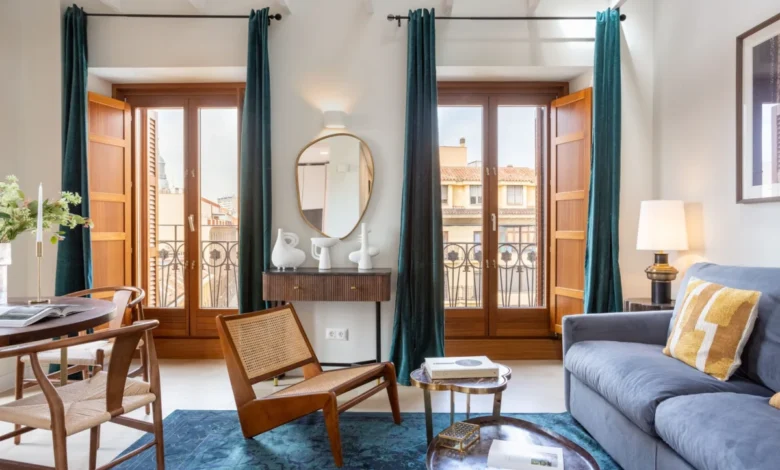
This curated selection of Madrid homestays highlights properties that blend traditional Spanish design elements—such as wrought-iron balconies and exposed wooden beams—with modern, architect-designed interiors. Located within striking distance of the city’s prime attractions, these properties offer a window into daily Madrileño life, ranging from sun-drenched penthouses with expansive terraces to sleek, minimalist apartments nestled in historic quarters.
The Evolution of Urban Travel in Spain’s Capital
The rise of short-term rentals in Madrid mirrors a broader global shift in urban tourism. Over the past decade, travelers have increasingly sought out accommodations that provide immersion in local residential communities rather than standardized hotel environments. In Madrid, this trend has transformed how neighborhoods are experienced. Areas that historically saw lower tourist foot traffic—such as Chamberí, Malasaña, and Lavapiés—have become thriving hubs for visitors living temporarily like locals.

According to municipal tourism data, the demand for non-hotel accommodations in Madrid has grown steadily, driven by travelers looking for residential amenities like full kitchens, laundry facilities, and more space per dollar spent compared to traditional hospitality options. This shift has not only changed visitor demographics but has also prompted property owners to invest heavily in high-end interior architecture, marrying the city’s rich architectural heritage with contemporary luxury living.
What Defines a Premier Madrid Homestay?
Selecting an exceptional short-term rental in a densely populated European metropolis requires evaluating several strict criteria. The properties highlighted in top-tier travel curation are vetted through rigorous metrics, including platform designations such as "Superhost" or "Guest Favorite," consistently high user ratings, robust amenity packages, central or well-connected transit locations, and verified cleanliness standards.
Furthermore, design plays a critical role. Madrid’s historic center features buildings dating back centuries, many of which are protected architectural assets. Properties that successfully retain historic features—such as original balconies overlooking bustling cobblestone streets—while integrating high-end modern kitchens, efficient climate control, and sophisticated lighting design represent the pinnacle of modern urban lodging.
Navigating Madrid’s Iconic Neighborhoods Through Rentals
To truly appreciate Madrid, understanding its distinct neighborhoods is essential. Each district offers a vastly different atmosphere, catering to varied traveler preferences:

- Centro and Sol: Ideal for first-time visitors who want to be within walking distance of monumental landmarks like the Royal Palace, Plaza Mayor, and Puerta del Sol. Rentals here often feature historic facades and charming Juliet balconies.
- Malasaña and Chueca: Known for their bohemian spirit, independent boutiques, trendy cafes, and vibrant nightlife. Accommodations in these areas lean heavily toward contemporary, eclectic design catering to younger travelers and design enthusiasts.
- Salamanca: Madrid’s most upscale shopping and residential district. Visitors looking for luxury boutiques, wide tree-lined boulevards, and stately apartment buildings often focus their search here.
- Chamberí: A traditional, residential neighborhood that offers an authentic slice of local life, free from overwhelming tourist crowds while remaining exceptionally well-connected via the city’s metro system.
Economic and Regulatory Context of Short-Term Rentals in Madrid
The expansion of the short-term rental market in Madrid has not occurred without institutional oversight. In recent years, regional and municipal authorities have introduced stricter regulations governing tourist apartments to balance the economic benefits of tourism with the housing needs of permanent residents. Licensing requirements, limitations on properties operating without distinct tourist permits, and neighborhood-specific caps have been implemented to ensure sustainable urban development.
For travelers, these regulations mean that vetted platforms and listings carrying verified official credentials offer greater security and legal compliance. Industry analysts note that platforms featuring high-performing properties with established host credentials tend to align more closely with municipal standards, ensuring a stable and reliable experience for international guests.
Broader Impact and Future Outlook for Madrid Tourism
As Madrid continues to position itself as a premier European destination—rivalling traditional powerhouses like Barcelona and Paris—the accommodation sector will undoubtedly continue to evolve. The coexistence of grand historic hotels and high-end residential rentals provides a diverse ecosystem capable of catering to a wide spectrum of traveler profiles.
For those planning an upcoming journey to the Spanish capital, securing a well-vetted, centrally located homestay offers an optimal balance of comfort, cultural immersion, and financial flexibility. By prioritizing properties with verified guest satisfaction, exceptional architectural character, and prime locations, travelers can unlock a deeply personal and memorable engagement with one of Europe’s most dynamic cities.