Methane, a potent greenhouse gas that is color-free and odorless, has emerged as a central battleground in international environmental policy. As the second most significant contributor to global climate change after carbon dioxide, methane accounts for approximately one-third of current global heating. While carbon dioxide remains in the atmosphere for centuries, methane possesses a much shorter atmospheric lifespan—roughly 12 years—yet traps significantly more heat. Over a 20-year timespan, a single unit of methane is 86 times more potent than carbon dioxide, making targeted mitigation of this gas arguably the most powerful lever humanity possesses to rapidly stabilize global temperatures over the next two decades.
Scientific Understanding and Measurement Methodologies
The dual nature of methane stems from its chemical composition as a hydrocarbon consisting of four hydrogen atoms bonded to a carbon atom. It is generated through both geological processes, which create subterranean natural gas deposits over millions of years, and biological processes known as methanogenesis. In oxygen-free environments—such as wetlands, the digestive tracts of ruminants, and deep underwater sediments—microorganisms called archaea produce methane as a byproduct of respiration.

To track and quantify these emissions, researchers rely on two primary methodologies: bottom-up and top-down approaches. Bottom-up assessments aggregate data from localized sources, multiplying emissions factors by the number of emitting units, such as counting heads of livestock or calculating standard leakage rates from natural gas pipelines. Conversely, top-down approaches utilize airplanes, high-altitude platforms, and advanced satellite technology to measure atmospheric methane directly from the sky.
The advent of high-resolution satellite imagery has fundamentally transformed methane tracking, exposing significant discrepancies in official inventories. Studies frequently demonstrate that direct measurements of oil and gas operations exceed U.S. Environmental Protection Agency estimates by upwards of 60 percent. Furthermore, satellites have revealed that conventional inventory methods consistently miss "super-emitting" incidents—rare, massive leaks that account for more than half of all industrial leakage volume. In 2022, researchers identified over 1,000 such super-emitter events globally across fossil fuel infrastructure and waste sites, highlighting the urgent need for continuous, direct observation to hold polluting industries accountable.
The Primary Sources of Anthropogenic Emissions
Human activities are responsible for roughly 60 percent of atmospheric methane concentrations, which have surged by 265 percent compared to pre-industrial levels. More than 90 percent of these anthropogenic emissions originate from three distinct sectors: agriculture, fossil fuels, and waste management.

Agriculture stands as the largest human-caused source, contributing approximately 40 percent of total anthropogenic emissions. The vast majority stems from livestock, particularly ruminant animals like cattle, sheep, and goats, which produce methane through enteric fermentation during digestion. Manure storage systems further exacerbate these emissions. Additionally, rice cultivation in flooded paddies creates ideal, oxygen-depleted conditions for methanogenic microbes, accounting for roughly eight percent of human-caused emissions.
Fossil fuel operations contribute another 35 percent of anthropogenic methane. This occurs through intentional venting and accidental leaks during the extraction, transport, and refining of oil and natural gas, as well as the release of trapped gases during coal mining. Despite industry assurances regarding natural gas as a cleaner "bridge fuel" from coal, extensive leakage throughout the supply chain undermines these climate benefits. Recent research indicates that when methane leaks are factored into the lifecycle of liquefied natural gas (LNG), the fuel possesses a 33 percent greater global warming potential over a 20-year period than coal.
Waste management systems, including landfills and wastewater treatment facilities, account for approximately 20 percent of human-caused methane. As organic matter decomposes in oxygen-free environments, it generates substantial quantities of the gas. With rapid urbanization and population growth, waste-related emissions are projected to expand faster than any other human-caused methane source in the coming decades.
Natural Feedbacks and Ecosystem Dynamics

While human activity drives the majority of current atmospheric accumulation, natural sources—predominantly wetlands—account for roughly 40 percent of emissions. Wetlands occupy about six percent of Earth’s land surface and foster ideal conditions for methane production. However, climate change is actively accelerating these natural emissions through positive feedback loops.
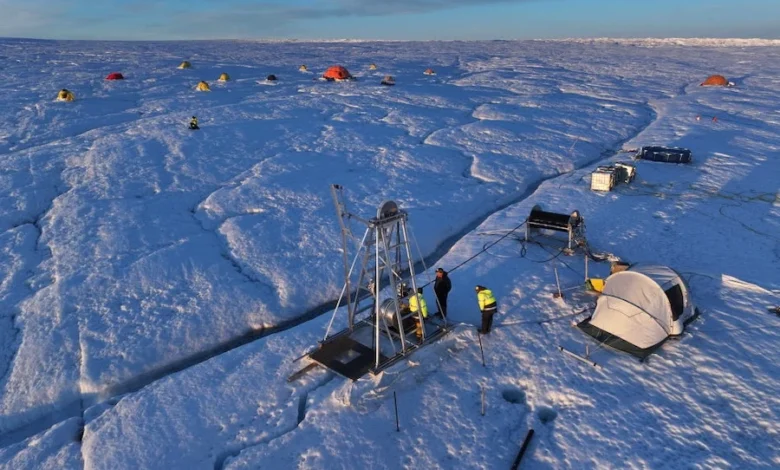
Rising global temperatures and shifting precipitation patterns have triggered the "wetland methane feedback," causing tropical and permafrost wetlands to release increasing volumes of gas. Particularly concerning is the thawing of Arctic and Boreal permafrost. Frozen soils and sub-seafloor sediments contain vast reservoirs of ancient organic matter and methane hydrates. As these regions warm, the thawing process liberates trapped carbon, threatening to unleash greenhouse gas emissions equivalent to a major industrialized nation and pushing the Earth closer to irreversible climate tipping points.
Public Health Impacts and Co-Benefits of Reduction
The imperative to curb methane extends far beyond climate stabilization. Methane is a primary precursor in the formation of ground-level ozone, a dangerous pollutant that damages human lung tissue and agricultural crops. Atmospheric reactions involving methane generate ozone responsible for approximately half a million premature deaths globally each year.

Comprehensive policy analyses emphasize that every million metric tons of avoided methane emissions yields immediate public health and economic dividends. Rapid reductions prevent thousands of respiratory- and cardiovascular-related deaths, lower the frequency of asthma emergencies, and protect staple crops such as wheat, rice, and soybeans from ozone-induced yield losses.
Global Policy Initiatives and Implementation Challenges
Recognizing the critical window for action, the international community launched the Global Methane Pledge at the COP26 climate summit in Glasgow in 2021. Endorsed by 159 nations as of January 2025, the initiative commits signatories to reducing global methane emissions by 30 percent below 2020 levels by the end of the decade. Successful implementation of this target would prevent approximately 0.2 degrees Celsius of global warming by 2050.
Despite these diplomatic commitments, real-world reductions have lagged behind policy rhetoric. Atmospheric methane concentrations broke historical records in 2023, and emissions from the fossil fuel sector have continued to rise since 2020. Analysts point to a persistent implementation gap: as of recent evaluations, only a small fraction of global methane emissions is bound by enforceable reduction policies. Government leaders and regulatory bodies face mounting pressure from scientific advisory panels, including the Intergovernmental Panel on Climate Change, to mandate stringent leak detection, repair protocols, and infrastructure phase-outs.

Pathways for Mitigation Across Sectors
Mitigating methane requires a multi-pronged approach spanning energy, agriculture, and waste management. Experts agree that readily available technologies and systemic shifts can achieve the 45 percent reduction in human-caused emissions by 2030 necessary to align with the Paris Agreement’s 1.5-degree Celsius warming limit.
In the energy sector, rapid phase-outs of fossil fuel infrastructure must be paired with rigorous regulatory enforcement. The International Energy Agency has noted that deployment of existing leak-detection technologies, pneumatic device replacements, and the adoption of zero-emission operational standards can eliminate up to 70 percent of oil and gas methane emissions, with a significant portion achievable at zero net cost. Furthermore, halting the massive global buildout of LNG export terminals remains vital to preventing long-term carbon lock-in.
Within agriculture, technological and dietary interventions offer significant promise. Livestock emissions can be curtailed through improved feed efficiency, enhanced veterinary care, and the integration of enteric methane inhibitors—such as specific seaweed supplements and chemical additives like 3-NOP—into animal diets. In rice cultivation, practices such as intermittent field drainage and the adoption of low-methane rice varieties substantially reduce microbial gas production. For waste management, the transition toward circular economies, expanded municipal composting, and the capture of biogas via anaerobic digesters can effectively neutralize landfill and wastewater emissions.

Conclusion
Methane represents a unique paradox in the fight against global climate change: while its potency accelerates atmospheric warming and exacerbates extreme weather events, its short lifespan offers a rare opportunity for rapid impact. By deploying existing mitigation technologies, enforcing strict industrial accountability, and transforming agricultural and energy systems, the global community possesses the necessary tools to curb emissions. Immediate, decisive action on methane remains the most effective strategy available to safeguard public health, protect vulnerable ecosystems, and secure a stable climatic future.