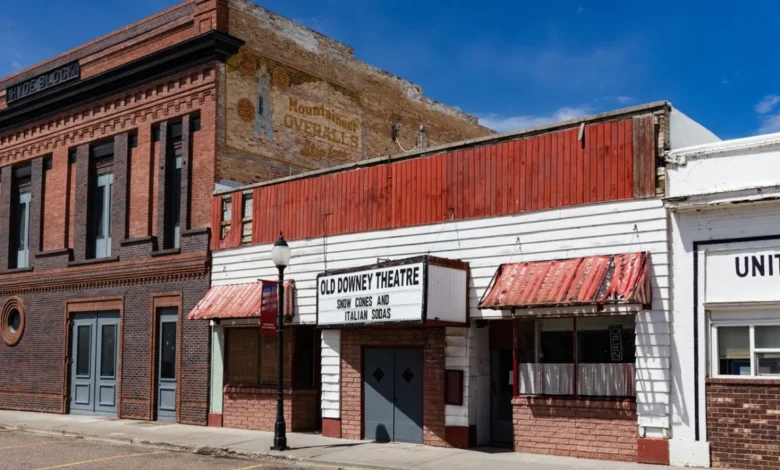
The landscape of Bannock County, Idaho, is defined by its rugged topography and sweeping vistas, but for the past two and a half years, it has also been defined by a contentious administrative barrier to the energy transition. In March 2024, the Bannock County Commission enacted a restrictive ordinance that effectively banned utility-scale solar and wind energy projects. Now, as regional energy demand surges and the economic realities of rural decline become more pronounced, the county is preparing to vote on a pivot that could reintroduce renewables to the high desert valley.
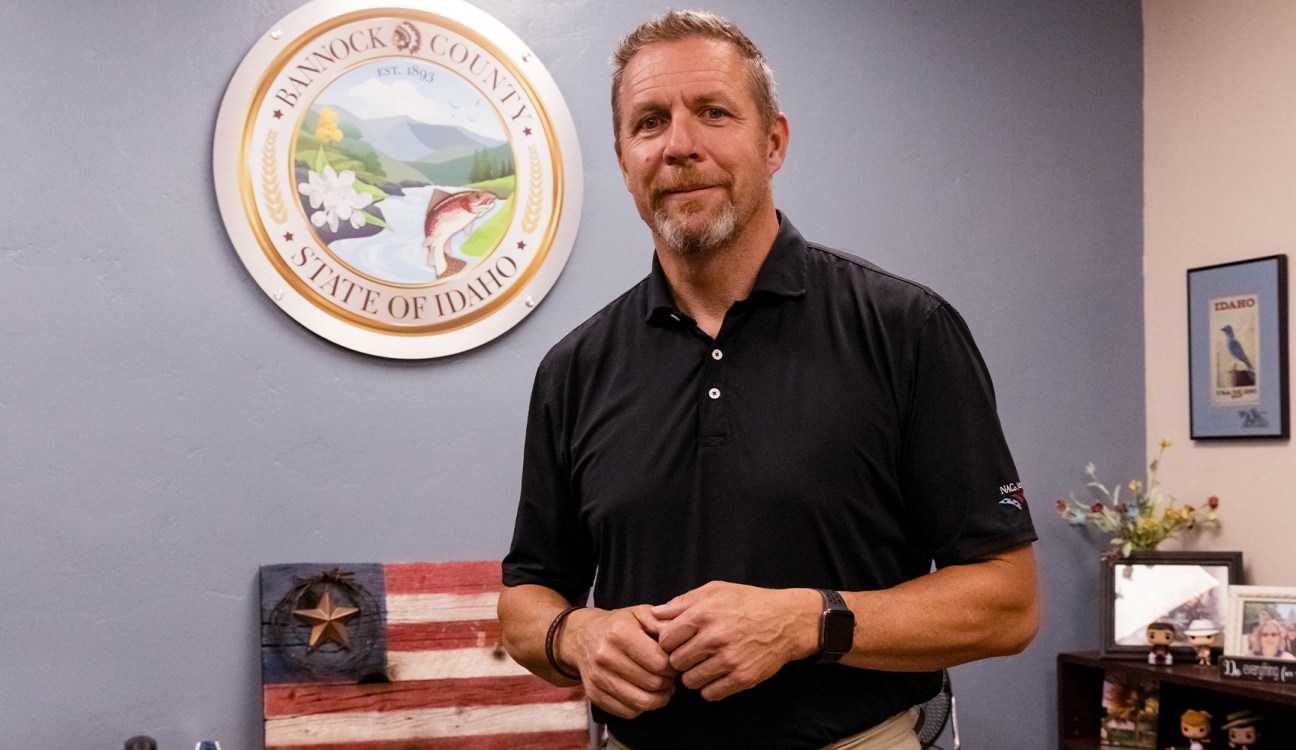
The upcoming vote, scheduled for this fall, centers on a new legislative draft that would establish clear regulatory frameworks for wind, solar, and nuclear energy. For Jeff Hough, the commission chair who dissented against the 2024 ban, the path forward is a matter of constitutional principle and economic survival. “We cannot deny the entire county the opportunity to exercise their property rights,” Hough stated during a recent public hearing. “That goes against the principles this country was founded on.”
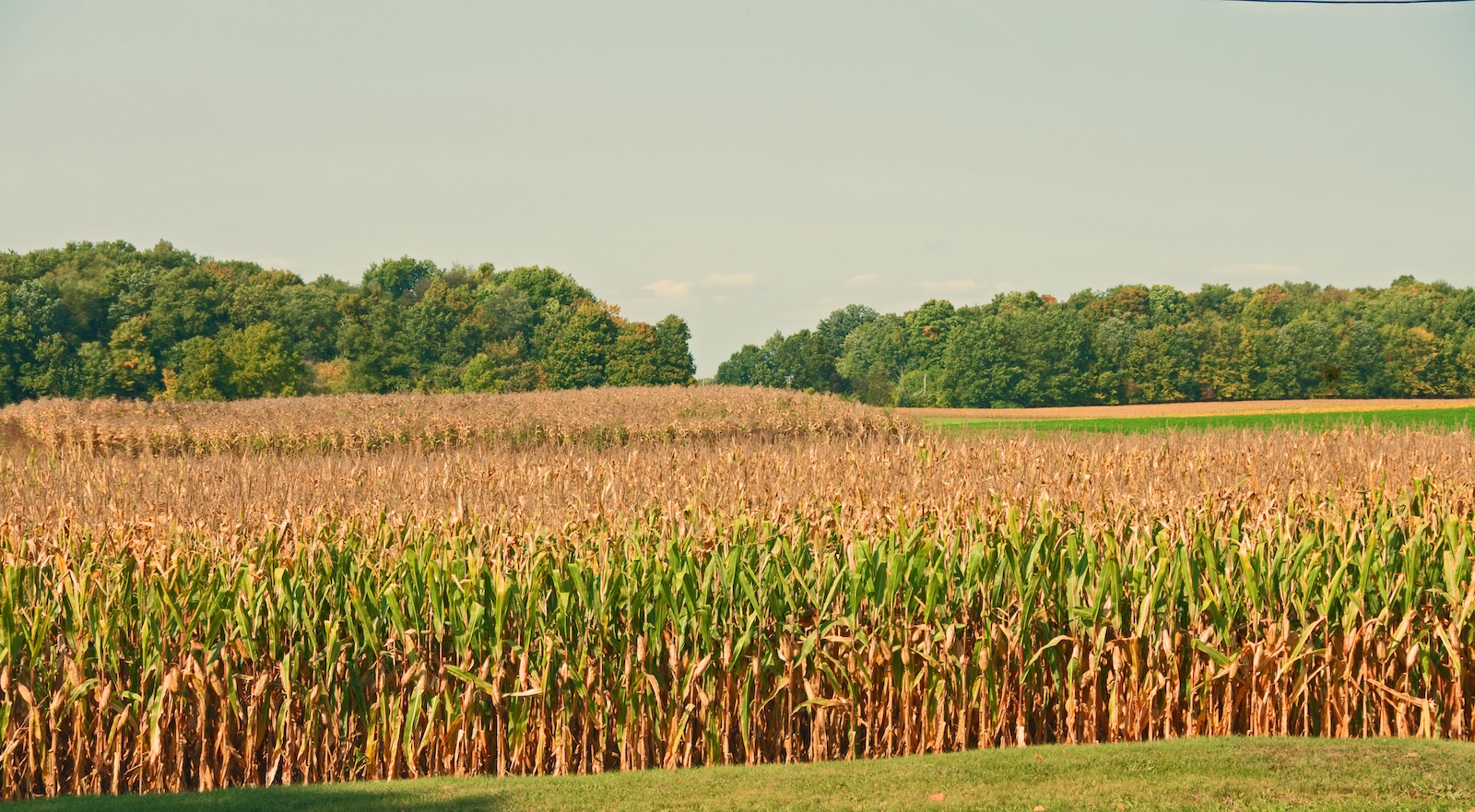
The Legislative Arc: From Moratorium to Potential Reversal
The conflict began in the autumn of 2023, sparked by concerns over the sheer scale of proposed energy projects in southern Idaho, most notably the now-canceled Lava Ridge Wind Project. At the time, county commissioners, including Hough, feared that a lack of local regulation would leave the region vulnerable to developers who might disregard local interests. The result was a six-month moratorium intended to buy time for drafting comprehensive zoning laws.
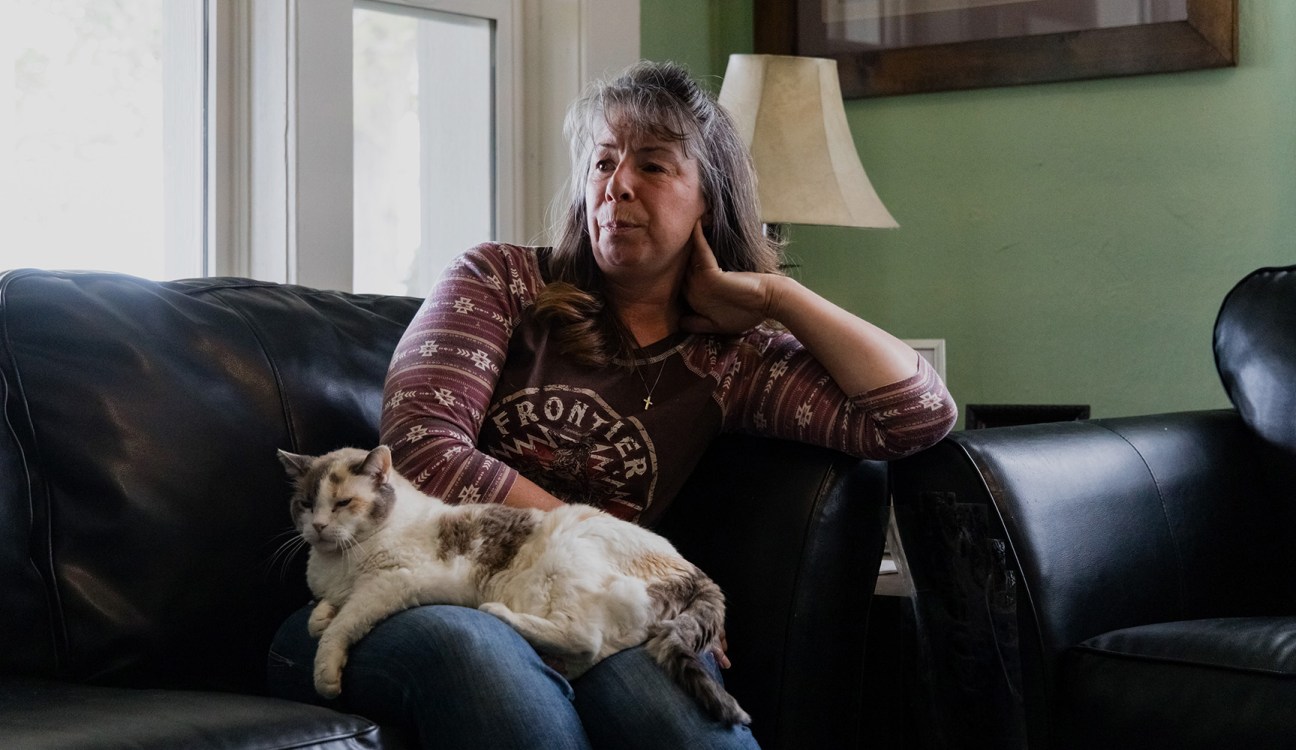
However, the moratorium galvanized local opposition. Grassroots organizers in the southern portion of the county, led by residents like Rebecca Falcon, successfully campaigned to turn the temporary pause into a permanent prohibition. By the time the March 2024 vote arrived, the commission split 2-1 in favor of the ban, a move that halted active development contracts with firms like Hecate Energy and Balanced Rock Power.
The political fallout was significant. While proponents of the ban viewed it as a defense of rural heritage, others saw it as an overreach that stifled private enterprise. As the county moves toward a potential repeal of the ban, the current draft ordinance aims to bridge the divide by implementing strict decommissioning requirements, safety mandates for battery storage, and potential community benefit funds.
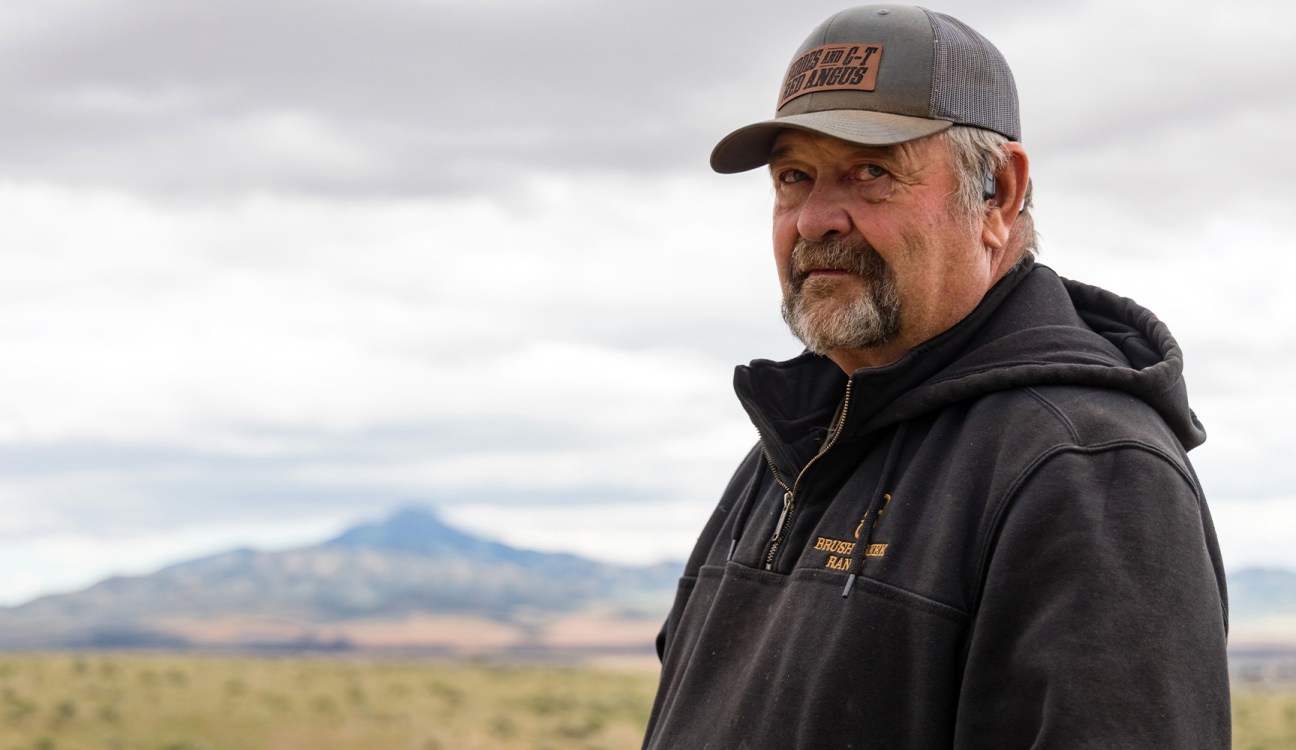
Energy Demand and the Economic Imperative
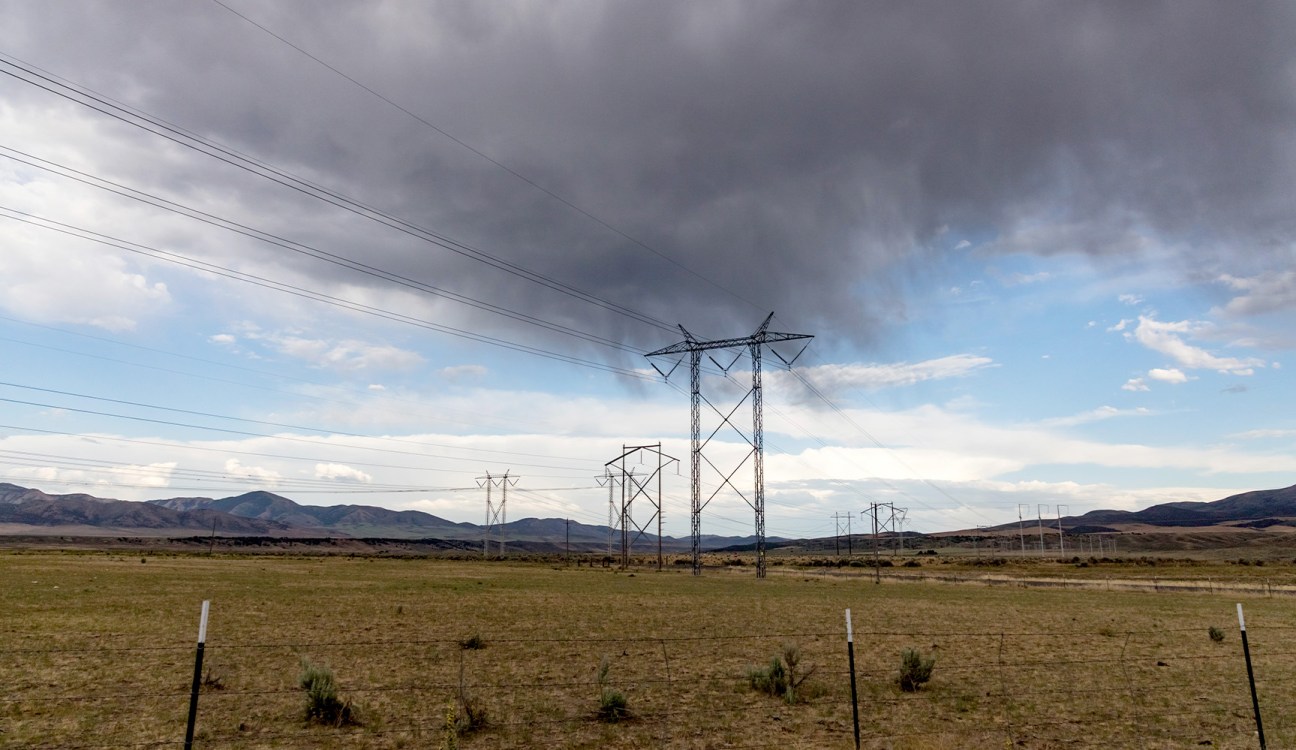
Bannock County’s reconsideration is not occurring in a vacuum. Idaho Power, the state’s primary utility, has projected a 1-gigawatt increase in electricity demand by 2030—a 26 percent jump from current levels. The county is uniquely positioned to help meet this need due to the presence of the Populus substation, a major node in the regional grid that facilitates the movement of power across Idaho, Utah, Wyoming, and the Pacific Northwest.
Proximity to existing transmission infrastructure reduces the capital costs of new power projects, making the area highly attractive for energy developers. Beyond the grid, the economic potential is substantial. In 2024, tax revenues from similar projects in neighboring Power and Bingham counties reached nearly $1 million combined, providing a significant boost to local budgets that have struggled with the decline of traditional agriculture.
“The need to build stuff now is critical to Idaho’s economic future,” said Aaron Menenberg, policy manager for the nonprofit Renewable Northwest. “We can’t afford to say no to anything.”
A Divided Community: Property Rights vs. Landscape Preservation
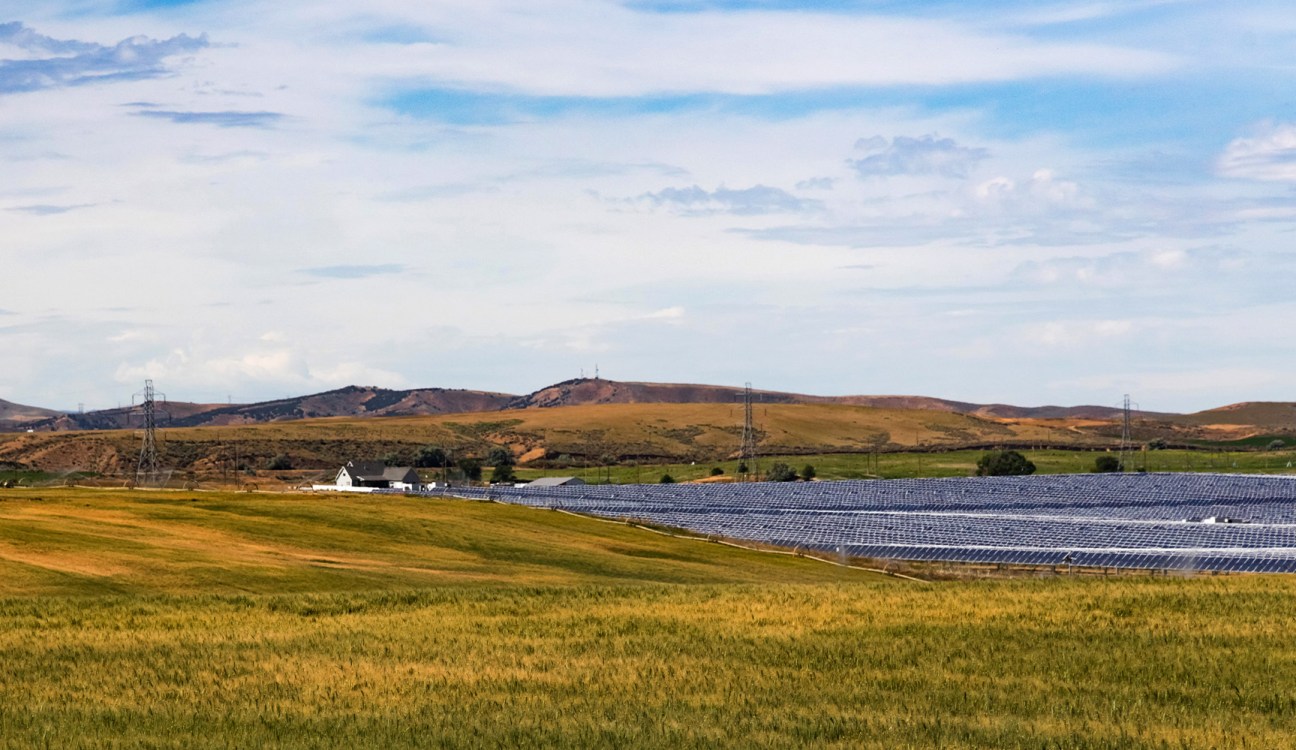
The debate has created a distinct rift among local landowners. On one side are farmers like Dale Lish and Lytton Bastian, who argue that leasing marginal land for solar energy is a vital financial lifeline. For these families, climate-driven droughts and the disappearance of local services have made traditional grain farming increasingly difficult to sustain. Solar leases offer a stable, long-term income stream that can provide for subsequent generations.
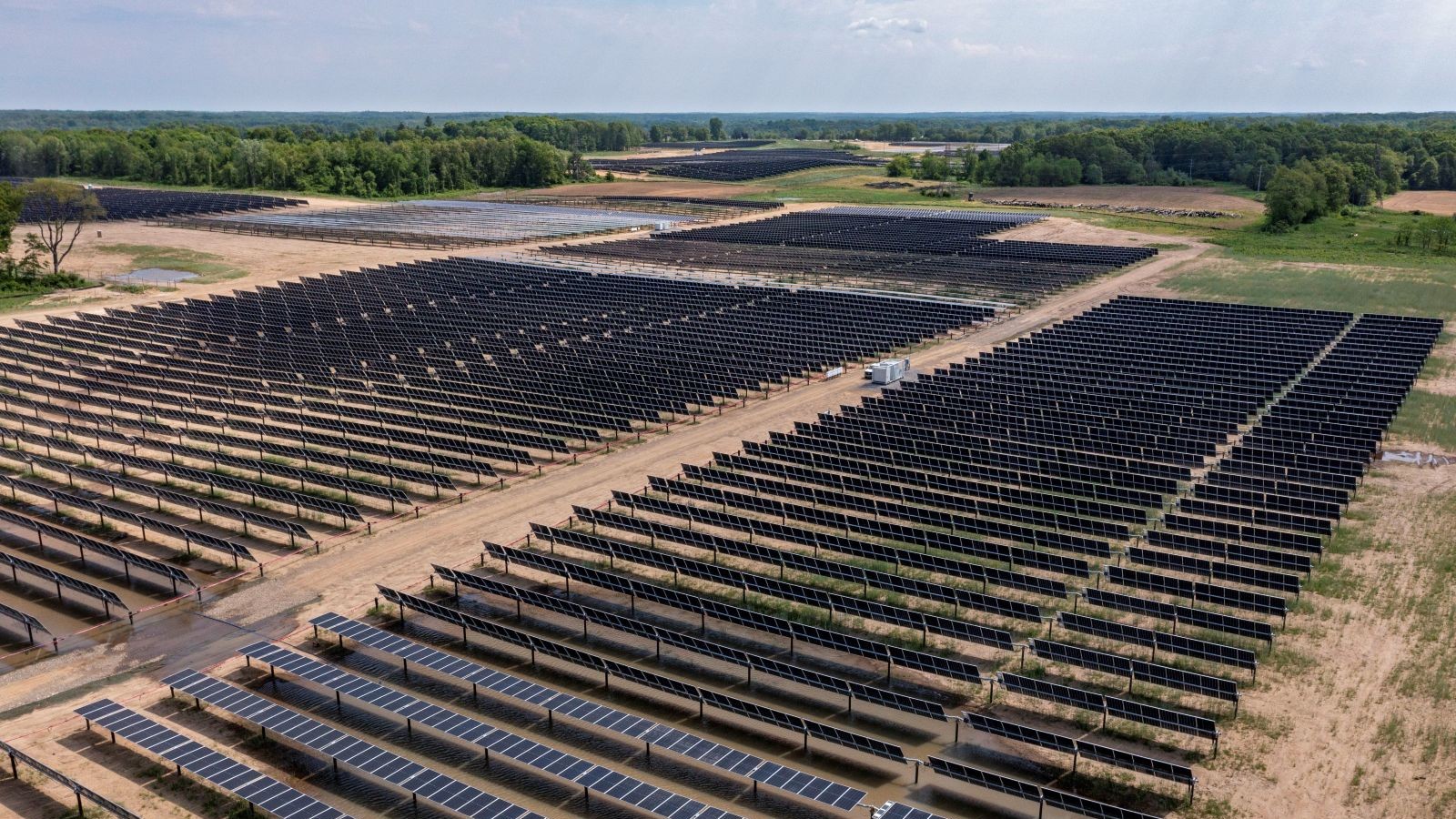
Opposing this are residents like Rebecca Falcon, who fear that industrial energy projects will fundamentally alter the rural character of the region. Critics of solar development often highlight the footprint required for utility-scale projects and raise concerns regarding the environmental impact of large-scale battery storage facilities. These anxieties have been amplified by reports of battery fires elsewhere in the country, leading to increased pressure on local fire departments, which have warned that they lack the specialized equipment required to manage such incidents.
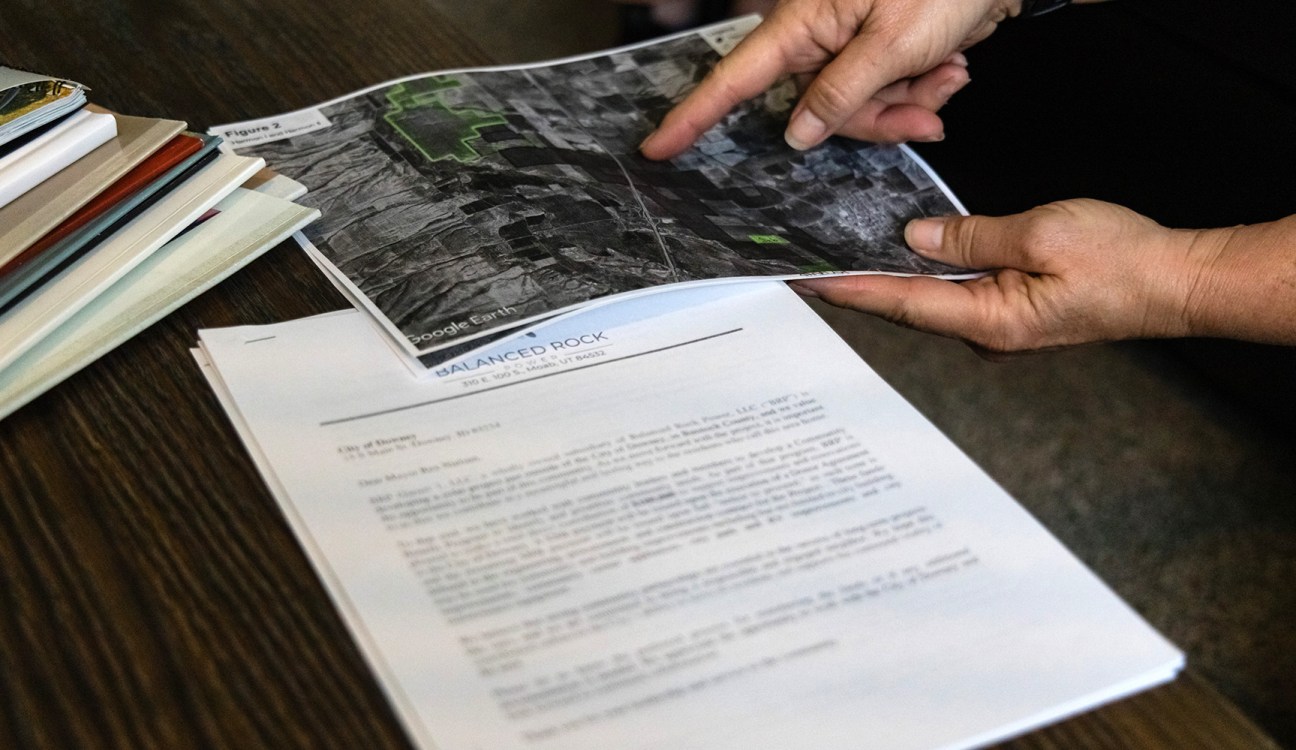
The cultural tension is palpable. For residents who have lived on the land for generations, the presence of transmission lines is already a point of contention; the prospect of massive solar arrays is seen by some as an encroachment that replaces agricultural tradition with industrial infrastructure.
The Nuclear Wildcard
Interestingly, the debate has found a rare point of consensus: nuclear energy. A survey conducted by the county in January 2026 revealed that approximately 90 percent of respondents expressed support for nuclear development. This enthusiasm is tied to the proximity of the Idaho National Laboratory (INL), a leader in advanced reactor research.
The prospect of small modular reactors (SMRs) or microreactors has provided a face-saving path for some, allowing them to advocate for energy development while maintaining their opposition to wind and solar. However, analysts note that the nuclear industry remains in its infancy. With only two next-generation projects currently holding construction permits in the United States, and many companies facing significant supply chain and regulatory hurdles, nuclear power remains a long-term goal rather than an immediate solution.
The Path Forward: A Test of Governance
As the commission prepares for the final vote, the political climate remains tense. Commissioner Ernie Moser, who voted for the ban in 2024, has signaled that his perspective has shifted. Recognizing the urgency of the energy crisis and the need to protect the county’s financial health, Moser has spent the last year studying the efficacy of solar, visiting projects in neighboring counties, and engaging with utilities to better understand fire safety and decommissioning.
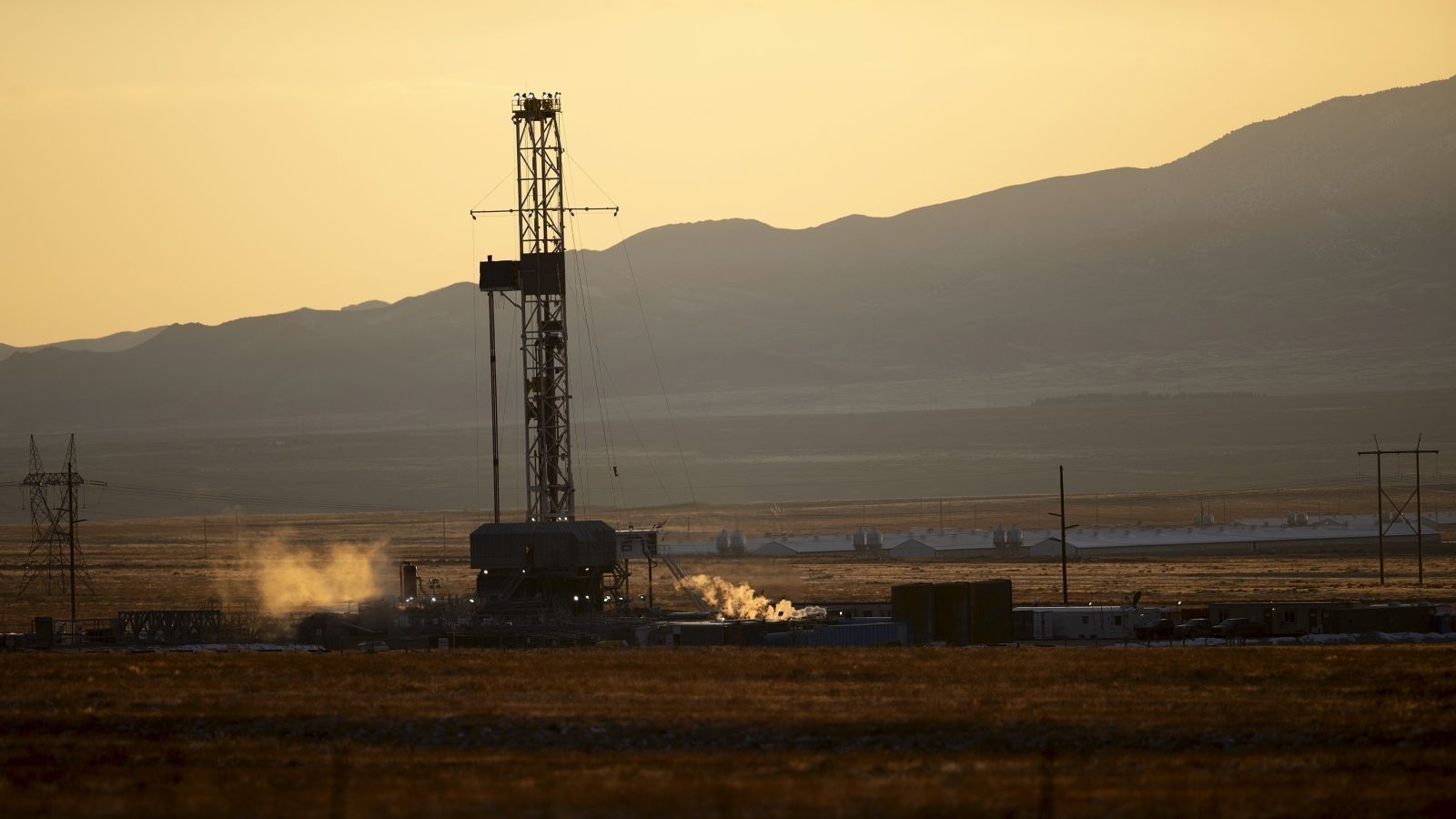
The new ordinance, if passed, will serve as a bellwether for how rural American communities reconcile the transition to a modern energy grid with the desire to maintain local control. For Jeff Hough, the stakes are existential. “Rural America is in a transition state,” he said. “How do we make or help rural America transition to this new way of life, so that they can thrive and prosper?”
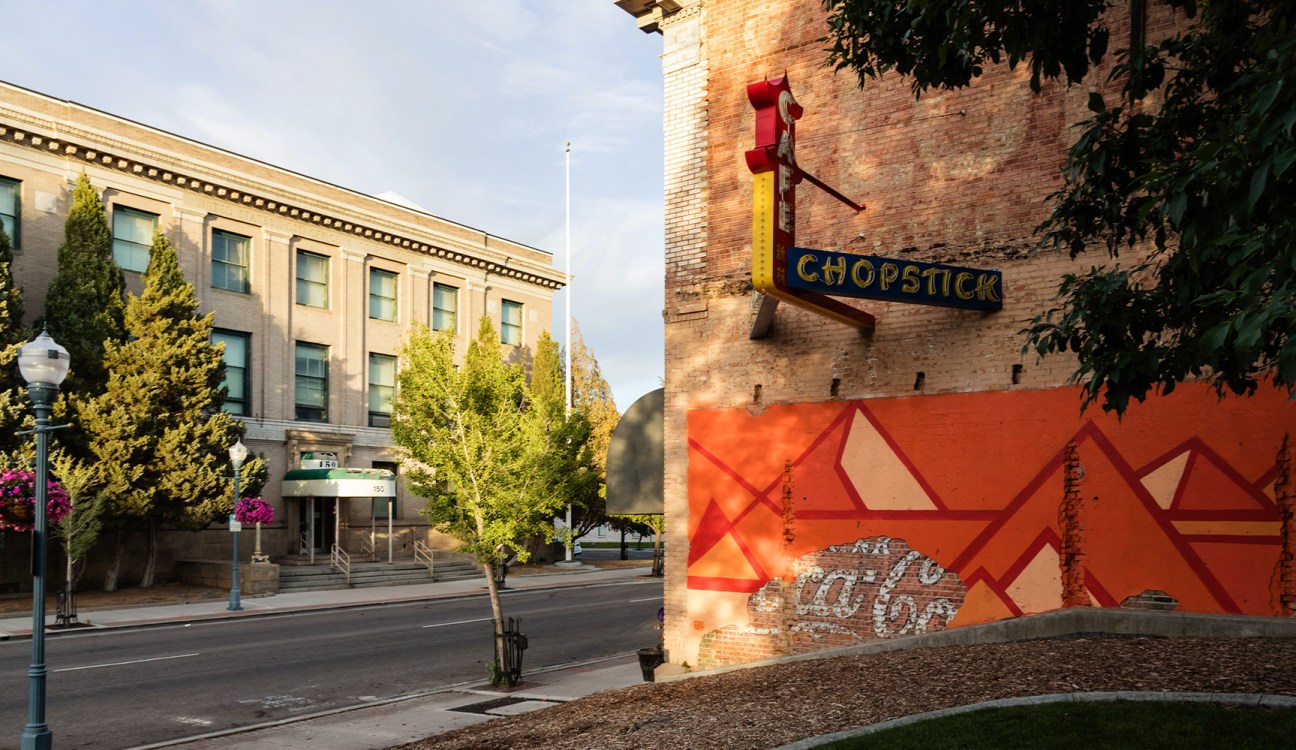
The resolution of the Bannock County dispute will likely influence energy policy in neighboring jurisdictions. As the national trend of local energy bans continues—with roughly 25 percent of U.S. counties now imposing some form of impediment to development—Bannock County stands at a critical juncture. The outcome will decide not just the future of energy in the valley, but the balance between the rights of the individual landowner and the collective identity of the rural community.
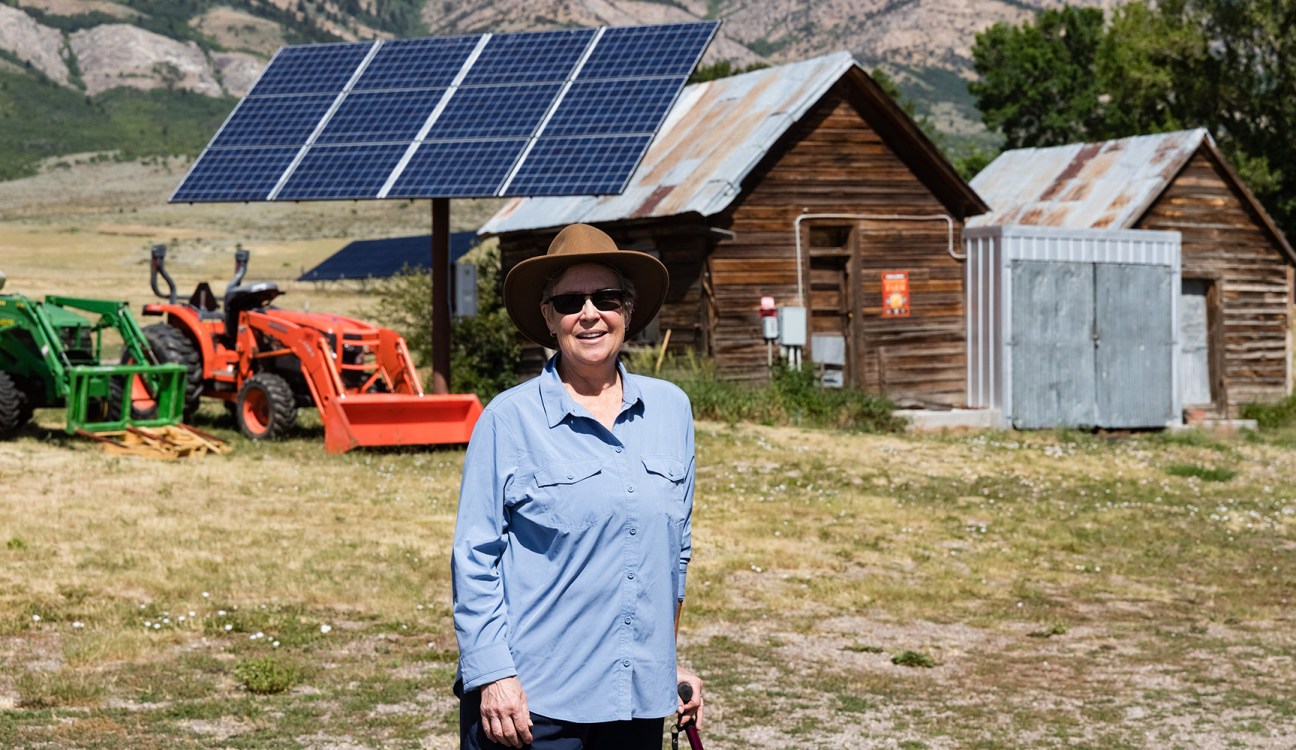
Ultimately, the decision rests on whether the commissioners can convince a skeptical electorate that the regulatory "brakes" included in the new ordinance are sufficient to prevent the perceived overreach of the past, while opening the door to the economic opportunities that many residents—and the state of Idaho at large—now view as indispensable.