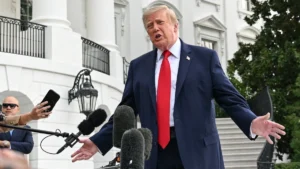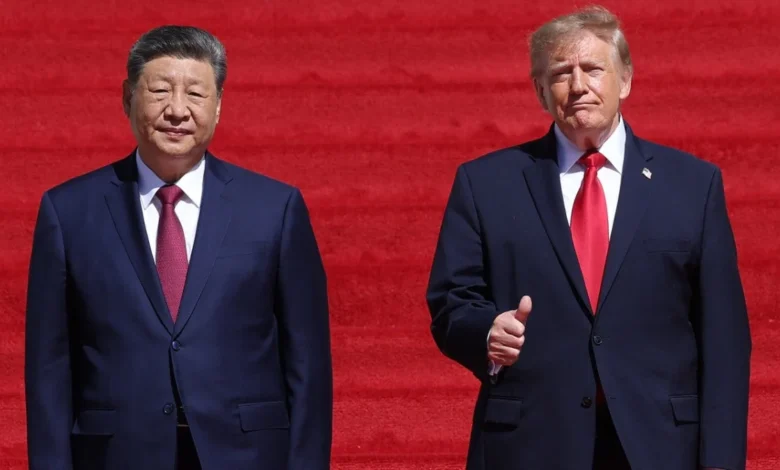
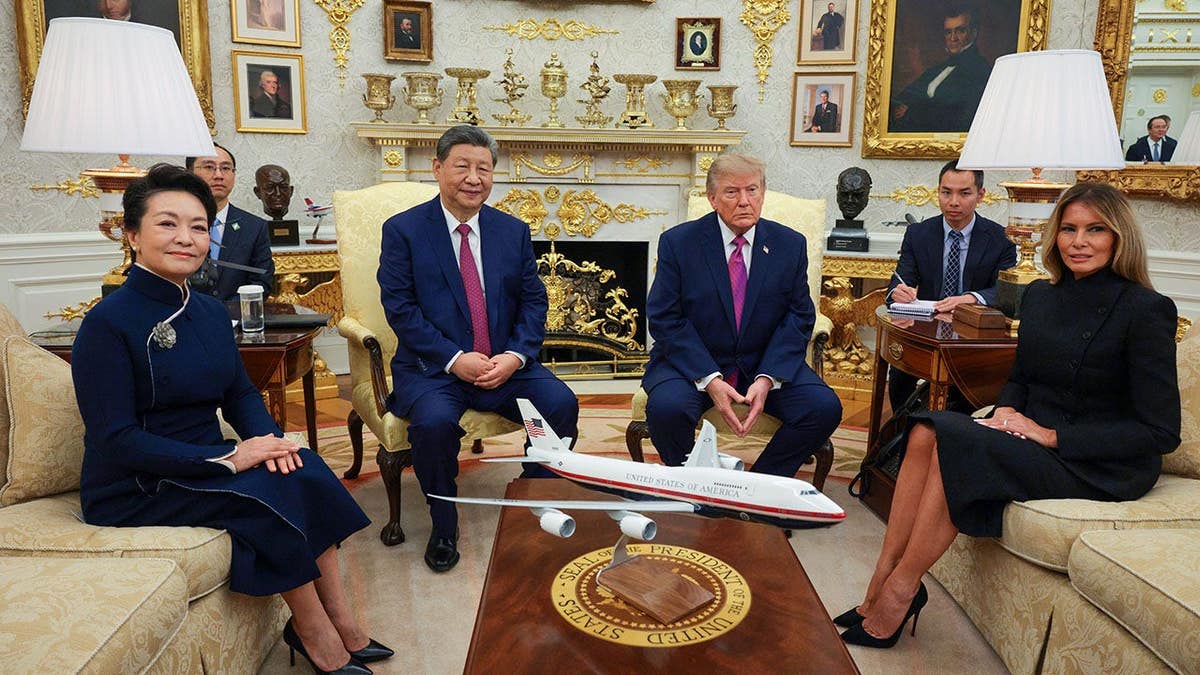
President Donald Trump welcomed Chinese President Xi Jinping to Washington this week for a high-stakes three-day state visit, a diplomatic summit defined as much by what occurred off the record as by the formal pageantry of the White House. The meeting, which spanned from September 23 to September 25, 2026, took place under the shadow of a significant geopolitical shift: the formalization of a new U.S.-Greenland security agreement that effectively cordons off the Arctic from non-NATO military influence, a move widely interpreted as a direct check on Beijing’s long-term regional ambitions.
The summit featured a rigorous schedule of bilateral talks, a collaborative tour of the National Archives to reflect on the historical trajectory of U.S.-China relations, and a high-profile state dinner. While the White House has remained tight-lipped regarding specific, binding agreements emerging from the closed-door sessions, the optics of the visit suggest a delicate balancing act: maintaining economic dialogue while aggressively shoring up national security perimeters in the Arctic and securing domestic dominance in the burgeoning artificial intelligence sector.
The Arctic Security Paradigm Shift
The timing of the summit was punctuated by the signing of a landmark Greenland security agreement on September 22, just one day prior to President Xi’s arrival. This pact, negotiated over several months, marks a watershed moment in North American defense strategy. By establishing robust military, land, and air rights, the United States has solidified its position in the Arctic, a region where China has increasingly attempted to project power under the guise of its "Polar Silk Road" initiative.
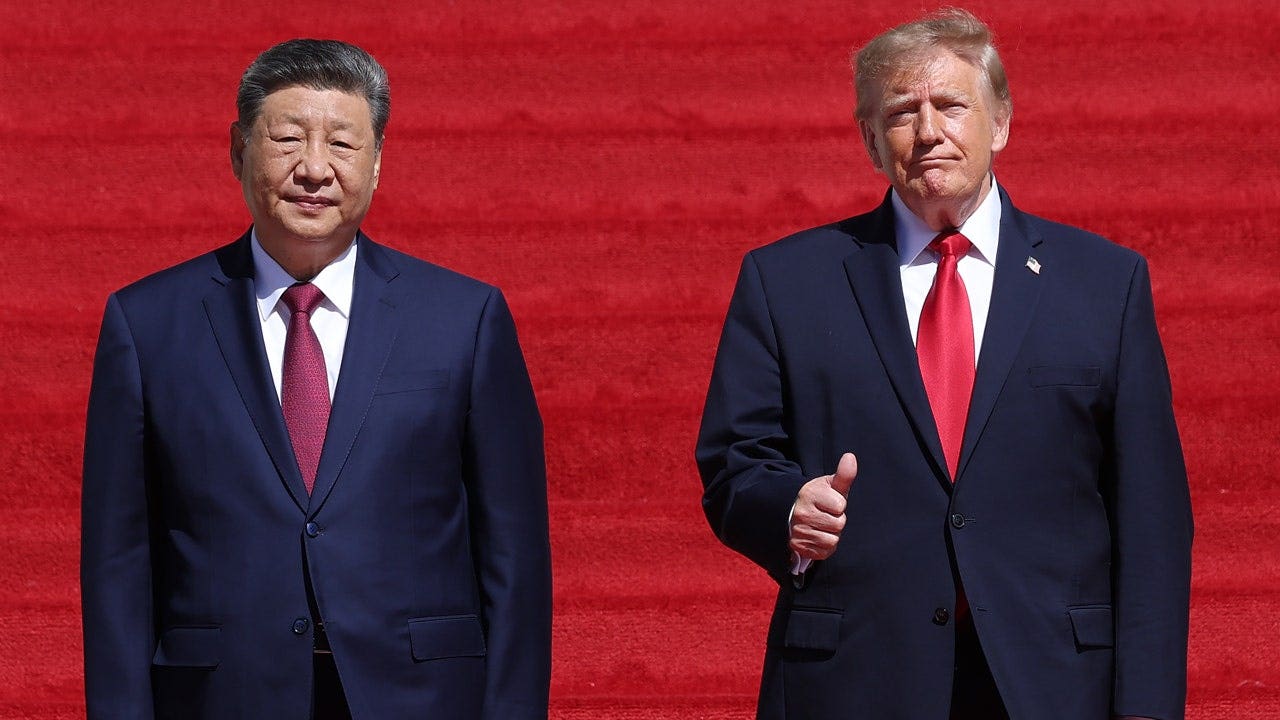
Beijing’s interest in the Arctic has been a point of contention for years. China, which identifies as a "near-Arctic state," has aggressively pursued investment opportunities in Greenland’s infrastructure, deep-water ports, and, most crucially, its vast, untapped deposits of rare earth elements and critical minerals. These materials are essential for the production of everything from consumer electronics to advanced military hardware. The new agreement effectively grants the United States and its NATO allies a "first right of refusal" on resource extraction and infrastructure development, neutralizing the potential for a Chinese military or strategic foothold in the North Atlantic.
Analysts view this as a sophisticated diplomatic maneuver. By securing the Arctic flank, the Trump administration has essentially placed a geographic ceiling on China’s global expansion, ensuring that key supply chains for critical minerals remain outside of the Chinese sphere of influence. This policy shift serves as a potent reminder of the administration’s focus on long-term resource security, moving beyond the transactional nature of previous trade-heavy summits.
Tech Diplomacy and the AI Race
One of the most telling aspects of the Washington summit was the guest list for the Thursday night state dinner. The presence of the titans of the American technology industry—including Jensen Huang of Nvidia, Mark Zuckerberg of Meta, Lisa Su of AMD, Tim Cook of Apple, Sam Altman of OpenAI, Elon Musk of Tesla and SpaceX, Satya Nadella of Microsoft, and Sundar Pichai of Google—sent a clear, non-verbal message to the Chinese delegation.
By hosting these specific leaders, the administration signaled that the United States remains the undisputed leader in the global AI race. Christine Balling, senior vice president for professional affiliations at The Institute of World Politics, noted that this was a strategic projection of American soft power. "Inviting the architects of the world’s most advanced AI systems to dine with President Xi was not incidental," Balling remarked. "It serves as a tangible demonstration of where the technological center of gravity resides. It shows that while the two nations may discuss cooperation on shared priorities, the United States is operating from a position of profound technological superiority."
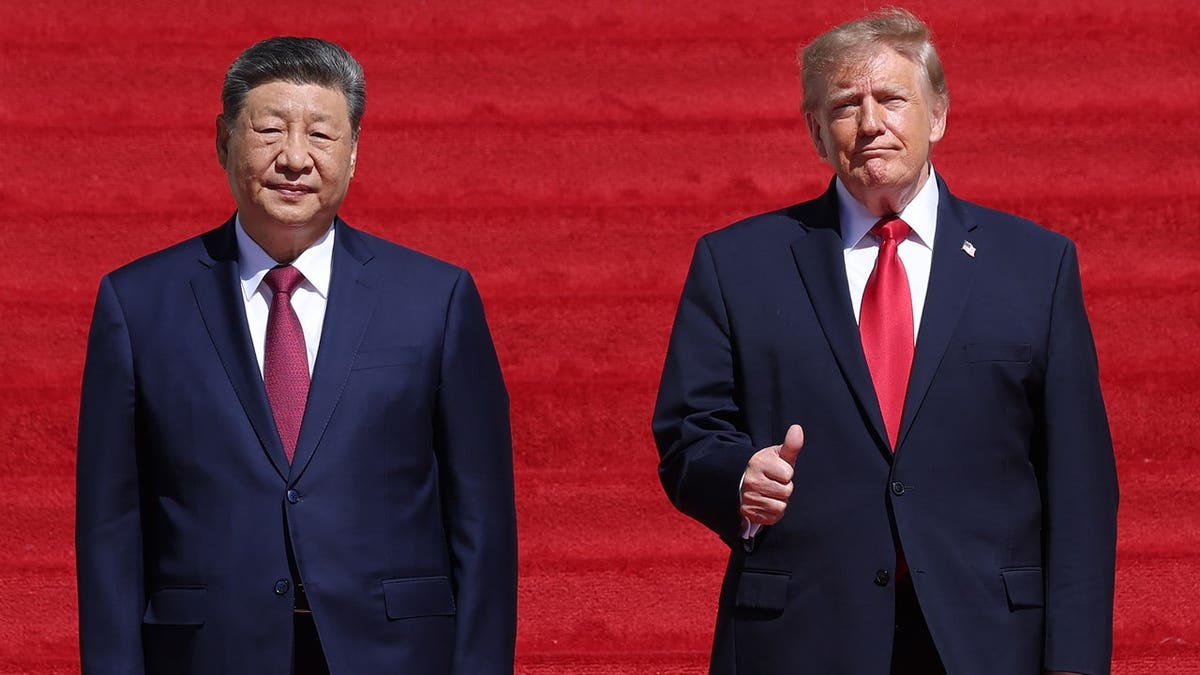
The inclusion of these executives highlights the administration’s view that the "Super Intelligence" sector is the new front line of the 21st-century superpower competition. While Beijing has invested billions into its own AI infrastructure, the concentration of the world’s most valuable AI companies within the United States provides a unique leverage point in broader trade and security negotiations.
A Chronology of the 2026 Summit
The state visit followed a carefully calibrated timeline:
- Pre-Summit (Summer 2026): The Trump administration ramps up pressure on Arctic policy, signaling that the U.S. will no longer tolerate the encroachment of non-NATO states into Greenland’s sensitive infrastructure.
- September 22, 2026: The U.S.-Greenland security agreement is formally signed, creating a legal framework that restricts foreign military influence and sensitive investments in the territory.
- September 23, 2026: President Xi arrives at Joint Base Andrews, greeted with a formal arrival ceremony, setting the tone for the three-day diplomatic engagement.
- September 24, 2026: High-stakes economic and strategic talks are held at the White House, followed by a state dinner featuring leaders of the U.S. tech sector.
- September 25, 2026: The visit concludes with a joint tour of the National Archives, focusing on the shared history and the future trajectory of the U.S.-China relationship.
Comparative Analysis: Beijing vs. Washington
The current visit stands in marked contrast to President Trump’s trip to Beijing in May. During that visit, the administration touted "fantastic trade deals" before the ink was dry, often relying on the promise of future economic growth. In the Washington summit, however, the administration has been notably more restrained in its public pronouncements regarding trade, focusing instead on the concrete, pre-existing security gains in the Arctic and the consolidation of its technological lead.
This shift reflects a growing consensus within Washington that the traditional reliance on trade pacts as the sole arbiter of the U.S.-China relationship is insufficient. Instead, the current strategy emphasizes "strategic stability"—a term frequently invoked by both sides—while simultaneously engaging in a cold-eyed assessment of where interests diverge.
Official Responses and Broader Implications
While the White House has kept the specifics of the talks confidential, a senior U.S. official confirmed that the discussions covered a wide spectrum of issues, including global economic stability, trade practices, and the regulation of AI. There has been no official statement from the Chinese Foreign Ministry regarding the specific impact of the Greenland agreement on the state of the talks, though state media in Beijing has historically criticized such moves as "Cold War thinking" that undermines regional development.
For the international community, the implications are profound. The Greenland deal serves as a litmus test for how the U.S. plans to manage its relations with other Arctic nations and how it will navigate the increasingly crowded theater of northern geopolitics. By forcing a choice between traditional Western alliances and the promised investment of the "Polar Silk Road," the U.S. is effectively drawing a line in the sand.
Furthermore, the emphasis on AI and technology during this visit suggests that the next phase of the U.S.-China relationship will be defined by competition over the "intellectual infrastructure" of the future. As both nations continue to navigate the complexities of global supply chains and the rise of autonomous systems, the Washington summit represents a fundamental shift toward a more guarded, security-centric approach to international diplomacy.
Conclusion
The 2026 Washington summit, characterized by the juxtaposition of high-level statecraft and the strategic placement of the American technology elite, marks a significant chapter in the evolution of U.S.-China relations. Through the lens of the new Greenland security framework, the administration has demonstrated a willingness to utilize geography and technological dominance to secure long-term national interests. As the dust settles on this three-day visit, the focus will undoubtedly shift to the implementation of these implicit understandings and how the two nations, both competing for the mantle of global leadership, continue to coexist in an increasingly multipolar and technologically volatile world. The success of this summit, therefore, should not be measured by the immediate release of trade statistics, but by the long-term stability and security positioning that the administration has sought to establish during this critical diplomatic window.