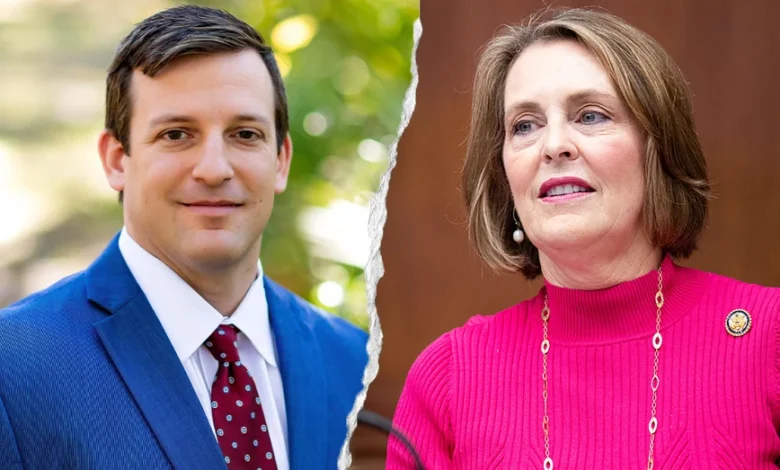
The race for Florida’s 14th Congressional District has intensified as Republican challenger Mike Beltran, a practicing attorney and former state representative, outlines a campaign centered on rigorous fiscal oversight, a reevaluation of foreign aid commitments, and a pointed critique of the Democratic Party’s ideological trajectory. As the November general election approaches, Beltran is positioning himself as an independent-minded conservative prepared to challenge both the status quo in Washington and the leadership within his own party.
The district, which encompasses much of Hillsborough County and the city of Tampa, has been represented by Democrat Kathy Castor for two decades. Her tenure, spanning from 2007 to the present, has seen the region undergo significant economic and demographic shifts. Beltran’s challenge represents one of the most concerted efforts by Republicans in recent years to flip a seat that has long been considered a Democratic stronghold.
A Career Defined by Legislative Scrutiny
Mike Beltran’s platform is heavily influenced by his professional background in law. Having spent nearly two decades as an attorney, he frames his candidacy as a transition from the courtroom to the halls of Congress, where he intends to apply the techniques of a litigator to the federal budget.
"My legal skills are quite good. I’m a good cross-examiner," Beltran stated in an exclusive interview. "I’ll be good at scrutinizing witnesses who come before committees that I serve on. I’ve litigated in the federal courts, so I know the federal statutes. I know how to write statutes so that they can be easily applied by judges."
Beltran’s legislative history in Tallahassee, where he served in the Florida House of Representatives starting in 2019, provides the foundation for his campaign. He highlights a record of breaking with party leadership when he believed it was in the interest of his constituents. This independent streak is a central pillar of his appeal to voters who may be disillusioned by hyper-partisanship.
Chronology of the 14th District Race
The dynamics of this election are best understood through the lens of recent political history in Tampa Bay.
- 2007: Kathy Castor is first elected to the U.S. House of Representatives, succeeding Jim Davis.
- 2019: Mike Beltran assumes office in the Florida House of Representatives, representing parts of Hillsborough County, and begins establishing his reputation as a vocal fiscal conservative.
- 2023-2024: National trends show an increasing focus on the "socialist" wing of the Democratic Party, with Republican messaging focusing heavily on the potential for a Hakeem Jeffries speakership to empower progressive committee chairs.
- 2026: The current election cycle sees heightened tensions over federal spending, with national debt levels exceeding $35 trillion and inflation remaining a primary concern for local families in Florida.
Fiscal Policy and Foreign Aid: A Call for Auditing
A significant portion of Beltran’s policy platform addresses the federal government’s spending habits, particularly regarding international obligations. He argues that the United States is currently overextended, subsidizing the defense of wealthy allies while grappling with domestic inflation.
"You cannot have a wealthy country like Germany spend under 2% of GDP on their military when we’re spending over 5% of our GDP on our military budgets," Beltran argued. He suggests that countries like Germany and Spain, which benefit from American security guarantees, must increase their own defense contributions to alleviate the burden on the American taxpayer.
This perspective aligns with a growing segment of the Republican caucus that advocates for an "America First" approach to foreign policy, emphasizing that domestic financial stability must take precedence. Beltran notes that the U.S. borrowing trillions of dollars, often from foreign entities like China, to fund overseas interests is a primary driver of the inflationary pressures affecting Tampa families.
The Critique of the Incumbent
Beltran’s campaign does not shy away from direct attacks on Rep. Kathy Castor’s record. He characterizes her two-decade tenure as one defined by a lack of substantive legislative achievement.
"People in Tampa Bay have precious little to show for Kathy Castor’s two decades of incumbency," Beltran asserted. "She’s had no major legislative initiatives. All she’s really done is rename post offices."
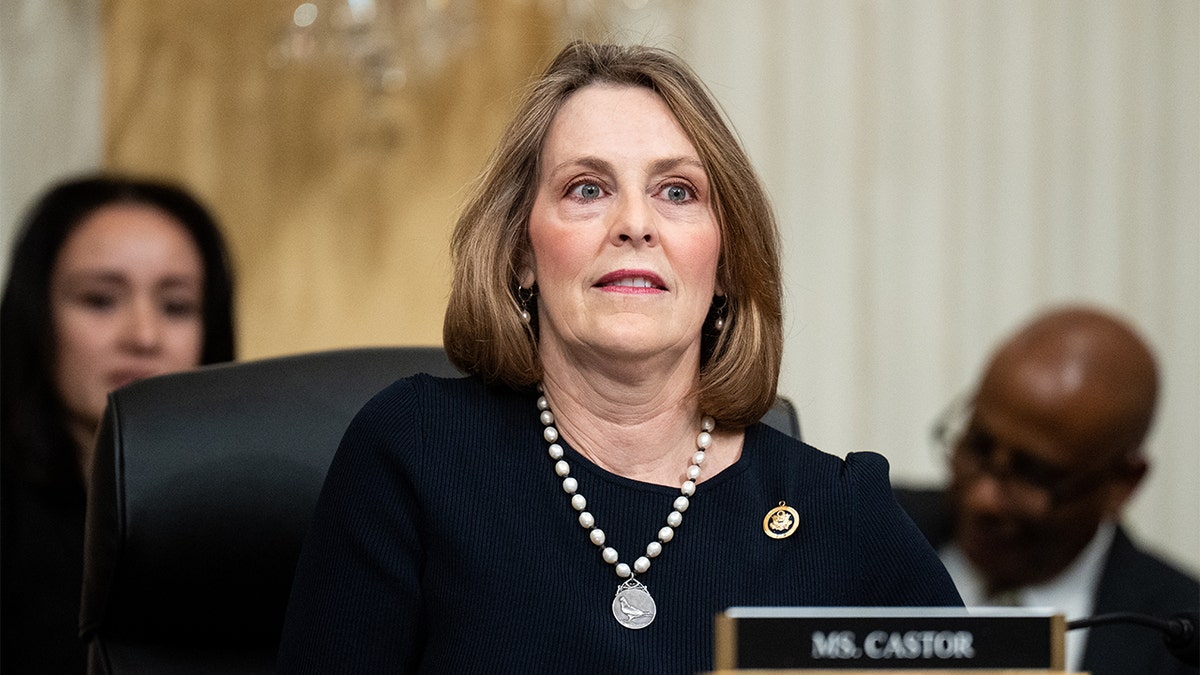
Furthermore, Beltran targets Castor’s voting record, specifically highlighting her alignment with party leadership. He posits that a vote for Castor is effectively a vote for the broader agenda of the Democratic Party, which he warns includes the advancement of policies he labels as "radical socialist." He points to specific legislative votes, including those related to tax policy and social issues, as evidence that Castor is out of touch with the values of moderate and conservative voters in her district.
Implications of the "Big Tent" Debate
A recurring theme in the campaign is the ideological composition of the Democratic Party. Beltran highlights the rise of democratic socialist candidates and argues that Castor has failed to distance herself from this faction.
"She said that her party was a big tent party, and that needs to be a very big tent to accommodate people like Angie Nixon," Beltran noted. He argues that if Democrats maintain control of the House, the committee assignments made by a potential Speaker Hakeem Jeffries would inevitably lead to a shift toward the political left, an outcome he believes would be detrimental to economic growth and local prosperity.
Fact-Based Analysis of the Political Landscape
The race in Florida’s 14th District is emblematic of broader American political trends. The district is characterized by a mix of urban and suburban voters, and the outcome will likely hinge on turnout among independent voters.
- Economic Context: With the national debt approaching historic highs, voters are increasingly sensitive to rhetoric surrounding fiscal responsibility. Both parties are under pressure to provide tangible solutions to the cost-of-living crisis.
- Legislative Efficacy: While incumbents often rely on their experience and seniority, challengers frequently utilize the "career politician" narrative to suggest that the incumbent has become disconnected from the daily realities of their constituents.
- Ideological Polarization: The focus on "socialism" vs. "fiscal conservatism" reflects a deep-seated national debate over the proper scope of government. Beltran’s attempt to frame the choice as a binary one—between radical policy shifts and economic stability—is a calculated effort to mobilize his base while appealing to center-right voters.
Looking Toward November
As the election approaches, both campaigns are mobilizing resources to secure the votes of the diverse electorate in Hillsborough County. For Beltran, the strategy is clear: he must convince voters that his experience as a litigator and his record of independence in the state legislature make him the superior candidate to represent the district’s interests in Washington.
For Rep. Castor, the challenge will be to defend her two-decade record while navigating the national political headwinds facing her party. Whether voters in the 14th District choose to continue with the established incumbent or pivot toward a self-described "independent conservative" will be a key indicator of the political mood in Florida.
Ultimately, the election is a test of whether the electorate prioritizes the seniority and experience of a long-standing incumbent or the promises of a challenger who vows to bring a confrontational, reform-minded approach to the federal government’s most pressing fiscal and ideological challenges. Regardless of the outcome, the race serves as a microcosm of the intense debate over the future direction of the United States.