The intersection of high-concept cinema and interior design has reached a new threshold with the debut of a sprawling collaboration between acclaimed filmmaker Luca Guadagnino and architect Stefano Baisi. Their partnership, which has been steadily building momentum since 2017 under the umbrella of Studio Luca Guadagnino, has now materialized into a massive, multi-faceted collection for the retail giant Zara Home. Comprising over 200 distinct pieces—ranging from furniture and intricate home decor to a curated ready-to-wear clothing line—the project represents one of the most significant design crossovers in recent memory, bridging the gap between bespoke architectural vision and accessible consumer goods.
The collaboration serves as a testament to the duo’s decade-long creative synergy, a period during which they have successfully navigated the worlds of film, luxury fashion, and hospitality. By applying their cinematic sensibilities to the domestic sphere, Guadagnino and Baisi are not merely selling home goods; they are offering consumers a curated aesthetic vocabulary rooted in historical movements and modernist rigor.
A Chronology of Creative Synergy
The professional trajectory of Luca Guadagnino and Stefano Baisi is characterized by a deliberate, multi-disciplinary approach. Since Baisi was appointed to lead the interior architecture firm Studio Luca Guadagnino in 2017, the pair has been instrumental in crafting immersive environments that transcend traditional architecture.

Their portfolio includes a series of high-profile, visually striking projects that have garnered critical acclaim:
- 2017–2018: The establishment of Studio Luca Guadagnino as a nexus for interior design, focusing on the preservation of heritage structures and the infusion of surrealist elements.
- 2019: The duo gained international attention for their work on ephemeral installations, including the conceptualization of the Louvre’s iconic pyramid for a Dior fashion showcase in the Jardin des Tuileries.
- 2023–2024: The development of the aesthetic world for the film Queer, which utilized a dreamlike, surrealist interpretation of 1950s Mexico City to establish a distinct atmospheric tone.
- 2024: The launch of their inaugural hospitality project, transforming a 16th-century Roman palazzo into a boutique hotel, cementing their reputation as master curators of atmosphere.
- September 2024: The global release of the Zara Home collection, marking the culmination of years of collaborative research and design synthesis.
Architectural Inspiration and the Vienna Secession
The aesthetic DNA of this new collection is deeply influenced by a synthesis of historical design movements. During the development phase, Guadagnino and Baisi conducted extensive research, drawing inspiration from French Art Deco, Brazilian modernism, and the revolutionary spirit of Italian radical design.
However, the primary anchor for the collection is the Vienna Secession, a movement that sought to break away from traditional academic art to explore a more modern, decorative, and functional aesthetic. Guadagnino specifically points to the work of Koloman Moser, a pivotal figure of the movement. A small, exquisite silver and coral box designed by Moser served as a primary point of reference, influencing the collection’s focus on geometric precision, angularity, and the tactile quality of materials.
This intellectual approach to design is echoed in the "shared stylistic code" that Baisi describes. By grounding their work in the principles of tradition while simultaneously seeking to evolve those forms for contemporary living, the pair has created a collection that feels both timeless and aggressively modern.

Product Analysis: The Anatomy of the Collection
The collection, which features price points spanning from $16.90 to $18,400, is designed to be a "constellation of objects." The pieces are characterized by a sharp, architectural quality that mimics the precision of high-end tailoring.
Key pieces include:
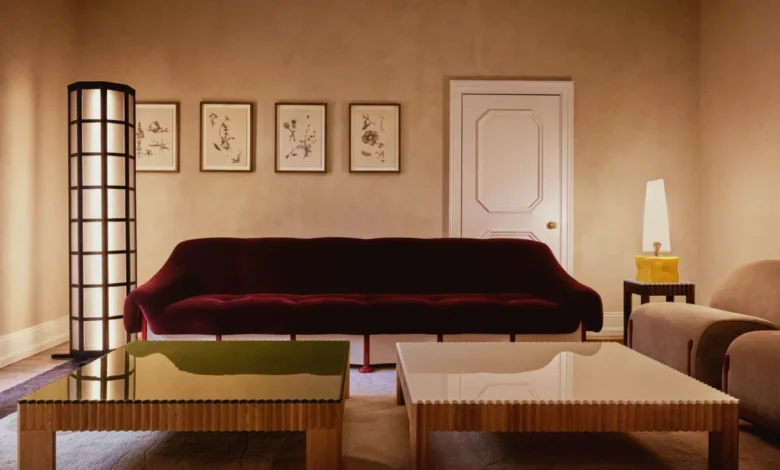
- The Bretonita Sofa: A standout in hunter-green flannel with burgundy cord piping, the sofa utilizes scalloped backrests to provide a stately, robust silhouette that functions as a room’s anchor.
- The Uncollected Sofa: A lower, elongated design featuring a black velvet cushion set against a sycamore base, prioritizing a sleek, minimalist profile.
- The Elsewhere Table Lamp: A study in space-age aesthetics, the lamp features a thin, arching steel neck topped with a triangular shade, illustrating the duo’s penchant for geometric disruption.
- Stainless Steel and Oak Furniture: The collection relies heavily on high-gloss lacquered tops and cool, metallic finishes, creating a clinical, "sharp" interior environment that contrasts with traditional domestic warmth.
Strategic Implications and Market Reach
The launch of this collection at Zara Home, a subsidiary of the Inditex group, represents a significant shift in how luxury design is distributed. By leveraging a mass-market retailer, Guadagnino and Baisi are testing the viability of "accessible avant-garde."
Industry analysts observe that this collaboration serves a twofold purpose for both the designers and the retailer. For Zara Home, it provides an elevated brand halo, associating the mass-market retailer with the prestige and artistic cachet of a world-renowned filmmaker. For Guadagnino and Baisi, the partnership offers an unprecedented scale of reach. As Baisi noted, the true excitement lies in the fact that these objects will find their way into diverse homes, becoming part of entirely different lives and contexts. This democratization of their aesthetic allows the "parallel worlds" they create in film to be reinterpreted in the living rooms of consumers worldwide.

Launch and Public Engagement
To mark the launch, the duo orchestrated a high-production campaign directed by Guadagnino himself. The short film features a star-studded cast, including Jamie Bell, Chase Sui Wonders, Michael Stuhlbarg, and Patricia Arquette, with set design provided by Baisi. This integration of cinematic promotion highlights the blurred lines between media, fashion, and furniture design.
Furthermore, the brand is hosting a two-day public pop-up at La Pelota in Milan during the September 2024 Milan Fashion Week. This event provides a physical manifestation of the collection, allowing the public to engage with the textures and spatial configurations of the pieces in a gallery-like setting.
Future Perspectives
The collaboration between Guadagnino and Baisi is not merely a transient venture but a reflection of a broader trend in the design industry: the migration of auteur-led design into the consumer goods market. By viewing furniture as an extension of architectural narrative, the pair has managed to imbue mass-produced items with a sense of provenance and intellectual depth.
Whether this collection will influence long-term interior design trends remains to be seen. However, its immediate success suggests a strong consumer appetite for design that is rooted in historical scholarship and cinematic vision. As the boundaries between the "high art" of the film set and the "functional art" of the home continue to dissolve, the work of Guadagnino and Baisi stands as a primary example of how collaborative, cross-disciplinary efforts can redefine the standard of domestic living. The collection is currently available to the public, offering a glimpse into the parallel, carefully curated worlds that these two designers have spent the last decade perfecting.