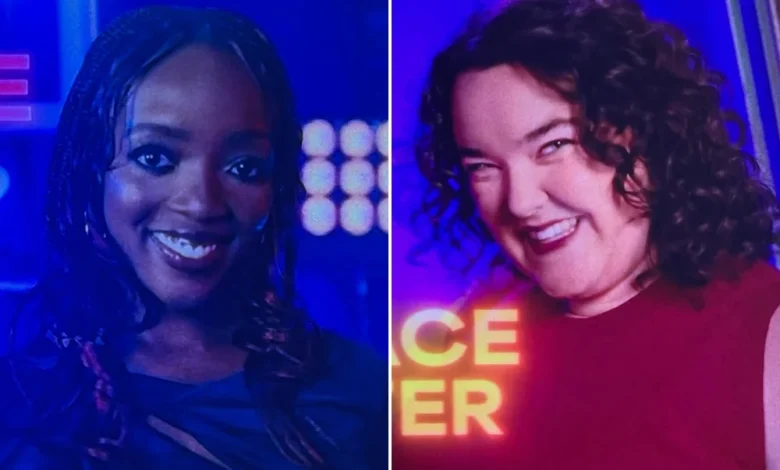
The Season 52 premiere of NBC’s Saturday Night Live served as the official introduction for the show’s newest featured players, Saidah Belo-Osagie and Grace Reiter. While the arrival of new blood is a standard ritual for the long-running sketch comedy institution, their integration into the season opener was measured, leaving viewers to analyze how these emerging talents will navigate the competitive hierarchy of Studio 8H. As the program enters its 52nd year, the transition marks a period of recalibration following the departure of several key cast members, signaling a strategic shift in how the production intends to cultivate its next generation of comedic voices.
The Debut of New Talent
The introduction of Belo-Osagie and Reiter occurred early in the broadcast within a sketch parodying the high-pressure world of reality competition series, specifically riffing on The Debut: Dream Academy. The segment focused on a search for the next breakout girl group, providing a platform for the newcomers to establish their individual comedic identities.
Saidah Belo-Osagie took on the role of Neelsa Boyce, a 17-year-old aspirant whose backstory—a former child actor who played Young Nala in the Broadway production of The Lion King—offered a grounded, albeit satirical, look at the archetypal pop star hopeful. Grace Reiter, conversely, was granted a more expansive role as the eccentric contestant Margle. Her character was defined by a series of absurd quirks, including a refusal to wear anything but flip-flops due to a self-professed tendency to pass out while tying shoes. The narrative arc for Margle, which involved her participation in the group being tied to an accidental witness of a hit-and-run incident committed by a show executive, played by Ashley Padilla, highlighted the show’s reliance on high-concept, absurdism-driven sketches.
Reiter’s performance was marked by a commitment to the character’s disorientation; she notably entered the sketch believing the competition was a forum for dream control rather than musical performance. Her contributions to the songwriting segment, which included the suggestively titled "Moose Knuckle" and the cryptic hook "Newton’s Cradle, come and get it," allowed her to showcase a range that spanned from deadpan delivery to high-energy character work. The segment concluded with a performance featuring the actual Season 1 winner of The Debut, Katseye, cementing the sketch as a cross-promotional effort that allowed the new cast members to share the stage with global pop acts.
Secondary Appearances and Screen Time Distribution
Following their initial group sketch, the new cast members’ visibility fluctuated. Grace Reiter made a second appearance during the show’s closing segment, a locker-room sketch featuring the evening’s host, Jalen Brunson of the New York Knicks. In this sketch, Reiter portrayed Tonya, an immigrant character brought into a complex, chaotic narrative involving a former youth coach played by Kenan Thompson.
The sketch, which featured Thompson as a down-on-his-luck figure seeking financial assistance and attempting to peddle a Spider-Man-themed screenplay, provided Reiter with an opportunity to engage with veteran cast members. Alongside fellow cast member Kam Patterson, the scene culminated in a sequence of physical comedy, underscoring the collaborative nature of the show’s late-night writing structure. For Saidah Belo-Osagie, however, the premiere remained largely focused on her initial character work, with no further sketches featuring her during the 90-minute broadcast.
The Evolving Landscape of the SNL Cast
The arrival of Belo-Osagie and Reiter arrives at a pivotal juncture for Saturday Night Live. The off-season was characterized by significant departures, most notably the exit of long-time performer Chloe Fineman and writer-performer Martin Herlihy. Herlihy’s departure is particularly significant, as he was a foundational member of the Please Don’t Destroy trio, a group that had effectively redefined the show’s digital short format over the past several years.
These exits necessitate a reorganization of the show’s talent pool. The current roster, which includes staples such as Michael Che, Colin Jost, Mikey Day, Sarah Sherman, Marcello Hernández, James Austin Johnson, Andrew Dismukes, Ben Marshall, Tommy Brennan, and Veronika Slowikowska, now faces the challenge of absorbing new energy while maintaining the structural integrity that has kept the show relevant for over half a century.
Historically, the "featured player" designation serves as a trial period. Unlike the repertory players who have solidified their positions, featured players must contend with limited screen time, competing for slots in sketches that are often finalized only hours before the broadcast. The decision to omit the new cast members from the Weekend Update segment—a traditional venue for introducing and highlighting new talent—suggests that the show’s producers are opting for a slow-burn integration strategy rather than an immediate, high-profile rollout.
Analytical Context: The Challenges of the 52nd Season
The strategy behind the Season 52 premiere reflects a broader trend in television production: the balancing act between legacy and innovation. With viewership habits shifting toward fragmented, digital-first consumption, SNL’s reliance on viral-ready sketches and high-profile musical guests remains its primary strategy for maintaining cultural relevance.
Data from the preceding seasons indicates that the show’s success is increasingly tied to the performance of its digital-exclusive content and the reach of its segments on social media platforms. The inclusion of Katseye in the opening sketch is a case in point, demonstrating an alignment with pop-culture trends that resonate with a younger, digitally active demographic. However, the integration of new performers requires more than just high-profile cameos; it requires the development of unique comedic voices that can carry sketches independently.
The absence of a new-talent showcase during the Weekend Update is a notable departure from the strategy used in previous years, where new performers were often given the "desk" to perform character bits. This year, the segment was dominated by topical political commentary, featuring performances by Jane Wickline as Dario Amodei and Jeremy Culhane as Tucker Carlson. This choice highlights the current priority of the show’s editorial team: addressing the volatile political and technological landscape of 2026.
Looking Ahead
The upcoming schedule for Season 52 suggests a continuation of the show’s effort to blend high-profile hosts with diverse musical acts. The confirmed lineup includes episodes with Dakota Johnson and Turnstile on October 3, Shane Gillis and Rosalía on October 10, and an October 31 broadcast featuring Inde Navarette and Gracie Abrams. These pairings are designed to appeal to varied demographics, ensuring that the show maintains its status as a weekly cultural touchstone.
For Saidah Belo-Osagie and Grace Reiter, the coming weeks will be critical. The industry standard for new SNL cast members is to prove their utility within the first ten episodes of their debut season. While their premiere performance provided a foundational glimpse into their range, the true test will be their ability to sustain character work across different sketches and their adaptability to the high-pressure environment of the live broadcast.
As the production team evaluates the success of the premiere, the focus will likely remain on refining the show’s ensemble dynamics. With a deep bench of returning talent and the addition of two promising new faces, Saturday Night Live is attempting to navigate the transition between eras with a focus on stability and incremental growth. The 52nd season, while starting with a modest introduction for its newest members, sets the stage for a period of exploration where the definition of "the next generation" of Saturday Night Live will be tested in real-time. Whether Belo-Osagie and Reiter can emerge as the next iconic players depends on their ability to command the spotlight in the increasingly crowded landscape of late-night television.