New York Governor Kathy Hochul issued a landmark executive order on Tuesday, establishing a one-year moratorium on the construction of new large-scale data centers across the state. This move makes New York the first state in the nation to implement a comprehensive pause on such facilities at the executive level, signaling a significant shift in how state governments are balancing the rapid expansion of the digital economy with the preservation of public infrastructure and environmental resources. The executive order directs the New York State Department of Public Service (DPS) to halt the issuance of new permits for "hyperscale" data centers while the agency conducts a rigorous analysis of their long-term impact on the state’s electricity grid, utility costs for residents, and environmental health.
The decision comes at a critical juncture for the technology sector. Driven by an unprecedented surge in demand for artificial intelligence (AI) processing power and cloud computing, technology giants have funneled billions of dollars into high-density data centers. However, these facilities are notorious for their massive energy requirements, often consuming as much electricity as small cities. Governor Hochul’s administration expressed concern that the unchecked growth of these facilities could jeopardize New York’s ambitious climate goals and place an undue financial burden on everyday ratepayers.
The Scope of the Executive Order and Immediate Regulatory Actions
Governor Hochul’s executive order specifically targets large-scale, or "hyperscale," data centers—facilities that house tens of thousands of servers and require significant cooling and power infrastructure. Under the directive, the Department of Public Service will lead a multi-agency study to determine whether the current energy infrastructure can support these facilities without compromising service reliability for residential and commercial customers.
A central component of the order is the mandate for a new "environmental and economic impact proceeding." This process will explore regulatory mechanisms to ensure that data centers do not profit at the expense of the public. Specifically, the Governor has tasked the DPS with investigating ways to require data center operators to either pay a premium for their energy consumption or invest in their own behind-the-meter energy generation, such as dedicated solar or wind farms.
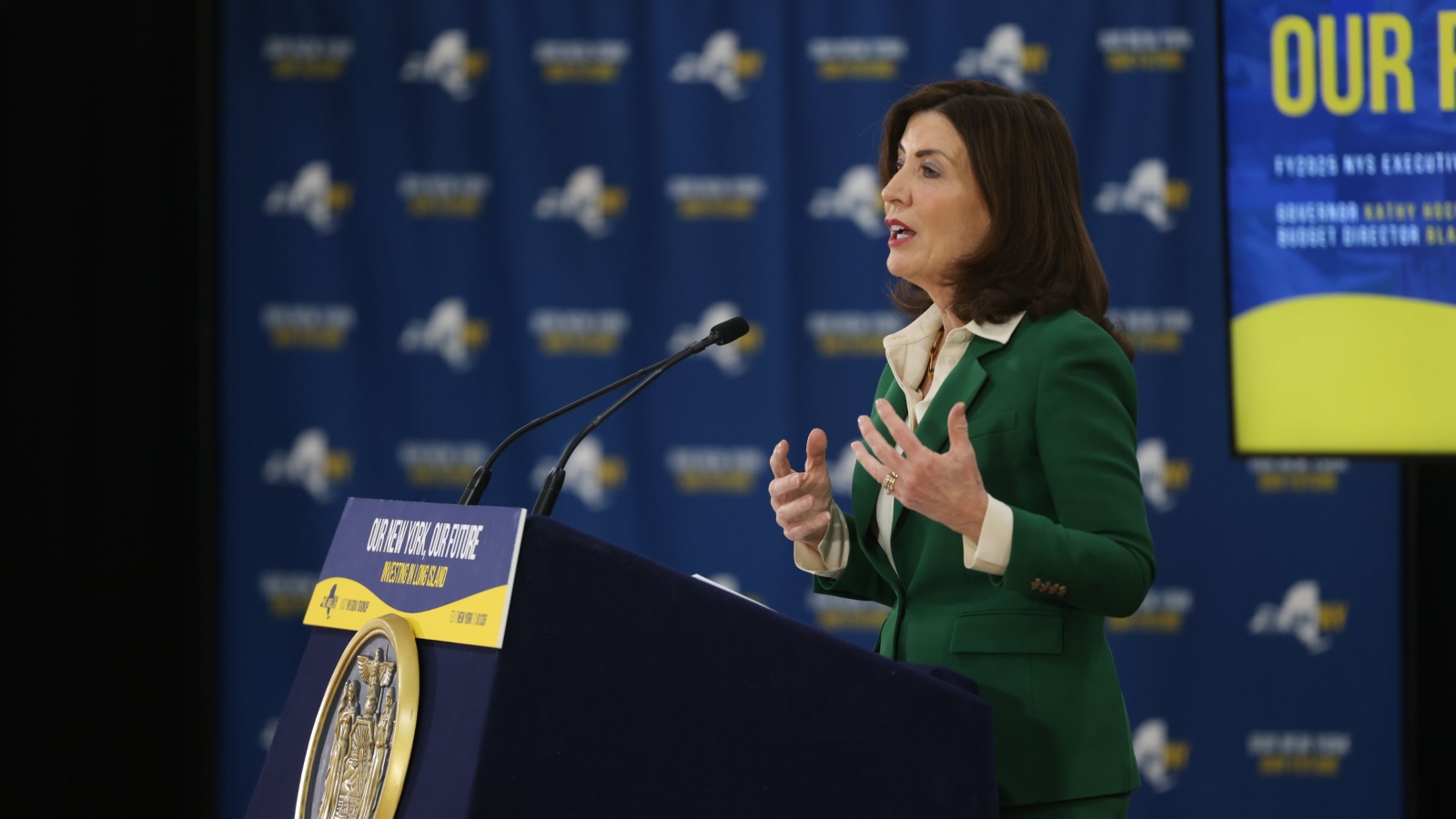
In a public statement accompanying the order, Governor Hochul emphasized the necessity of state intervention. "As data center development threatens to hike up utility bills, deplete our natural resources, and create uncertainty for New Yorkers, it’s my responsibility to take action and lead," Hochul said. She noted that while New York remains "open for business" and supportive of technological innovation, that growth cannot come at the cost of the state’s energy security or its commitment to the Climate Leadership and Community Protection Act (CLCPA).
The AI Revolution and the Surge in Energy Demand
The primary catalyst for the recent explosion in data center development is the rapid advancement of generative artificial intelligence. Unlike traditional data storage, which requires moderate amounts of power to maintain servers, AI training and inference require specialized Graphics Processing Units (GPUs) that run at extremely high temperatures and consume vast quantities of electricity. Industry analysts estimate that a single AI query can consume up to ten times more electricity than a standard Google search.
In New York, the demand has been particularly acute. The state’s "Empire AI" initiative, a $400 million public-private consortium aimed at making New York a leader in AI research, has spurred interest in local infrastructure. However, the infrastructure required to support these ambitions is straining a grid that is already undergoing a massive transition from fossil fuels to renewable energy.
The New York Independent System Operator (NYISO), which manages the state’s power grid, has repeatedly warned in its annual "Power Trends" reports that the margin for reliability is narrowing. As older peater plants are retired to meet climate goals, the influx of high-demand users like data centers creates a "Tale of Two Grids" scenario: an abundance of renewable energy in upstate New York that cannot easily reach the high-demand centers in the downstate region due to transmission bottlenecks.
Economic Implications and Tax Reform
Beyond the physical strain on the grid, the Hochul administration is targeting the financial incentives that have historically attracted tech companies to the state. Currently, New York offers significant sales and use tax exemptions for the purchase of data center equipment, a policy intended to lure Silicon Valley investments to regions like Western New York and the Mohawk Valley.
As part of her new policy framework, Governor Hochul has called on the state legislature to repeal these sales tax exemptions for large-scale operators. Critics of the exemptions argue that data centers provide relatively few permanent jobs compared to the massive tax breaks they receive and the infrastructure costs they impose on the state. The Governor’s office suggested that these lost tax revenues could be better utilized to fund grid modernization and community development projects.
Furthermore, the Governor directed the state’s economic development agency, Empire State Development (ESD), to create a standardized framework for local municipalities. This framework is designed to empower local governments to negotiate more effectively with tech developers. It encourages "community benefit agreements" that include requirements for:
- Direct investments in local infrastructure, such as water and sewer upgrades.
- Funding for local child care facilities and schools.
- Adherence to strict labor and wage standards for construction and maintenance.
- Direct financial support to local governments to offset increased public service demands.
Environmental and Resource Concerns
Environmental advocates have long raised alarms regarding the water consumption of data centers. These facilities often rely on evaporative cooling systems to prevent servers from overheating, which can consume millions of gallons of water per day. In areas already facing drought or aging water infrastructure, this consumption can deplete local aquifers and strain municipal water supplies.
The one-year moratorium will allow the New York State Department of Environmental Conservation (DEC) to assess the cumulative impact of these facilities on the state’s water table and carbon footprint. Although many tech companies claim to be "carbon neutral" through the purchase of Renewable Energy Credits (RECs), the physical reality is that their facilities often draw power from the local grid during peak times, which may still rely on natural gas-fired plants.
Legislative Context and National Comparisons
Governor Hochul’s executive action follows a period of intense legislative activity in Albany. Last month, the New York State Legislature passed a bill (S10642) that proposed an even more extensive moratorium on data center development. While the Governor’s executive order achieves many of the same immediate goals, it provides her administration with more direct control over the study’s parameters and the eventual regulatory outcome. As of this week, Hochul has not officially signed the legislative bill into law, opting instead for the flexibility of an executive order.
New York’s move stands in stark contrast to other states. In Maine, Governor Janet Mills recently vetoed a similar measure that would have established a statewide ban, citing concerns that it would stifle economic growth and send a negative signal to the tech industry. Meanwhile, in states like Virginia—home to "Data Center Alley" in Loudoun County—local officials are grappling with massive public backlash over the sight of sprawling server farms and the noise generated by their cooling fans.
In Georgia and Ohio, lawmakers have also begun debating the removal of tax incentives for data centers as they realize the high energy costs are being passed down to residential consumers. New York’s proactive statewide approach is being watched closely by governors across the country as a potential blueprint for managing the "AI gold rush."
Industry and Community Reactions
The reaction to the moratorium has been divided. Industry trade groups, such as the Data Center Coalition, have warned that a pause could drive investment to neighboring states like Pennsylvania or New Jersey, potentially costing New York its lead in the AI sector. They argue that data centers are essential infrastructure for the modern economy and that the industry is already making strides in energy efficiency and liquid cooling technologies.
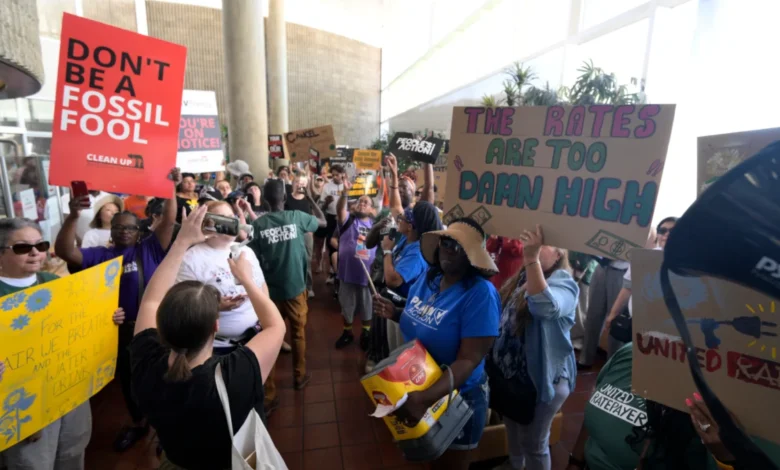
Conversely, consumer advocacy groups and climate activists have hailed the Governor’s decision as a necessary safeguard. "For too long, big tech has been allowed to plug into our grid and take what they want while regular families see their bills go up," said one representative from a New York-based energy watchdog group. "This pause gives us the chance to ask the hard questions about who really benefits from these facilities."
Chronology of Data Center Regulation in New York
- 2014-2019: New York implements aggressive tax incentives to attract data centers, primarily to revitalize former industrial sites in Upstate New York.
- 2021: The AI boom begins to accelerate, leading to a 300% increase in permit applications for high-density computing facilities in the Northeast.
- January 2024: NYISO issues a report highlighting potential reliability risks due to increased "behind-the-meter" and industrial load growth.
- April 2024: Maine Governor Janet Mills vetoes the first attempted statewide moratorium in the U.S.
- June 2024: The New York State Legislature passes S10642, a bill to halt data center development pending a state study.
- July 14, 2026: Governor Kathy Hochul issues the executive order for a one-year moratorium, effectively taking the lead on the issue.
Analysis of Long-Term Implications
The one-year pause is unlikely to stop the development of data centers permanently, but it will fundamentally change the "cost of doing business" in New York. If the Department of Public Service recommends higher energy tariffs for data centers, the state could see a shift where only the most efficient or most profitable companies choose to locate there.
The creation of a "Grid Infrastructure Fund," which Hochul also announced, would require data centers to pay into a pool that finances renewable energy projects and grid upgrades. This "pay-to-play" model could become a standard for other states facing similar constraints.
Ultimately, New York’s moratorium is a high-stakes experiment in industrial policy. The state is betting that it can force the technology sector to become a partner in energy transition rather than a drain on it. The results of the upcoming year-long study will likely determine whether New York becomes a green-tech hub or if the industry migrates to regions with fewer restrictions and cheaper, albeit potentially dirtier, power. For now, the "cloud" over New York has a very literal set of ground-level regulations to navigate.