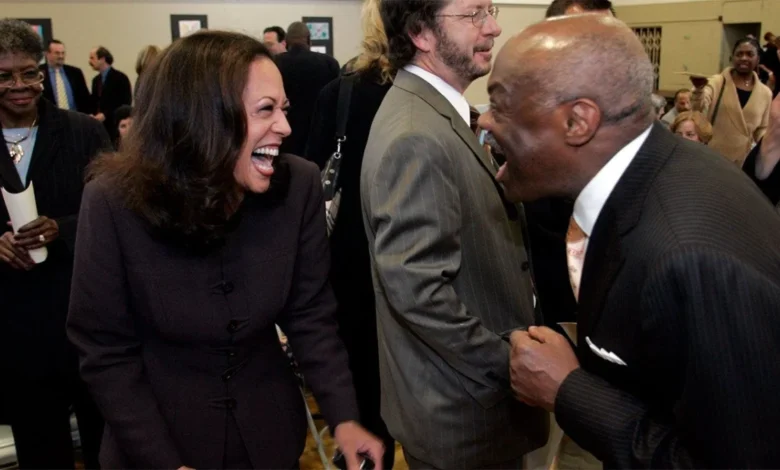
The political landscape for the 2028 presidential cycle is already beginning to take shape, and with it, the emergence of sharp, internal criticism from some of the Democratic Party’s most seasoned veterans. Willie Brown, the former speaker of the California State Assembly and former mayor of San Francisco, has publicly questioned the viability of former Vice President Kamala Harris as a potential presidential candidate. In a candid assessment provided to independent journalist Tara Palmeri, Brown—who has played a pivotal role in Harris’s political ascent—suggested that she lacks the oratorical and communicative prowess essential for a successful White House run.
Brown’s critique, which characterizes Harris as someone who lacks a "Baptist preacher flavor in her soul," signals a growing unease among traditional party power brokers regarding the future direction of the Democratic ticket. This skepticism from a long-time ally highlights the challenges Harris faces as she contemplates a potential return to the national stage following the 2024 election cycle.
A Relationship Rooted in California Politics
The connection between Willie Brown and Kamala Harris spans over three decades, rooted in the complex ecosystem of California Democratic politics. In the mid-1990s, when Brown served as the Speaker of the California State Assembly, he appointed Harris to two state commissions: the California Unemployment Insurance Appeals Board and the California Medical Assistance Commission. These appointments were instrumental in providing Harris with the visibility and administrative experience necessary to launch her subsequent career in law enforcement and electoral politics.
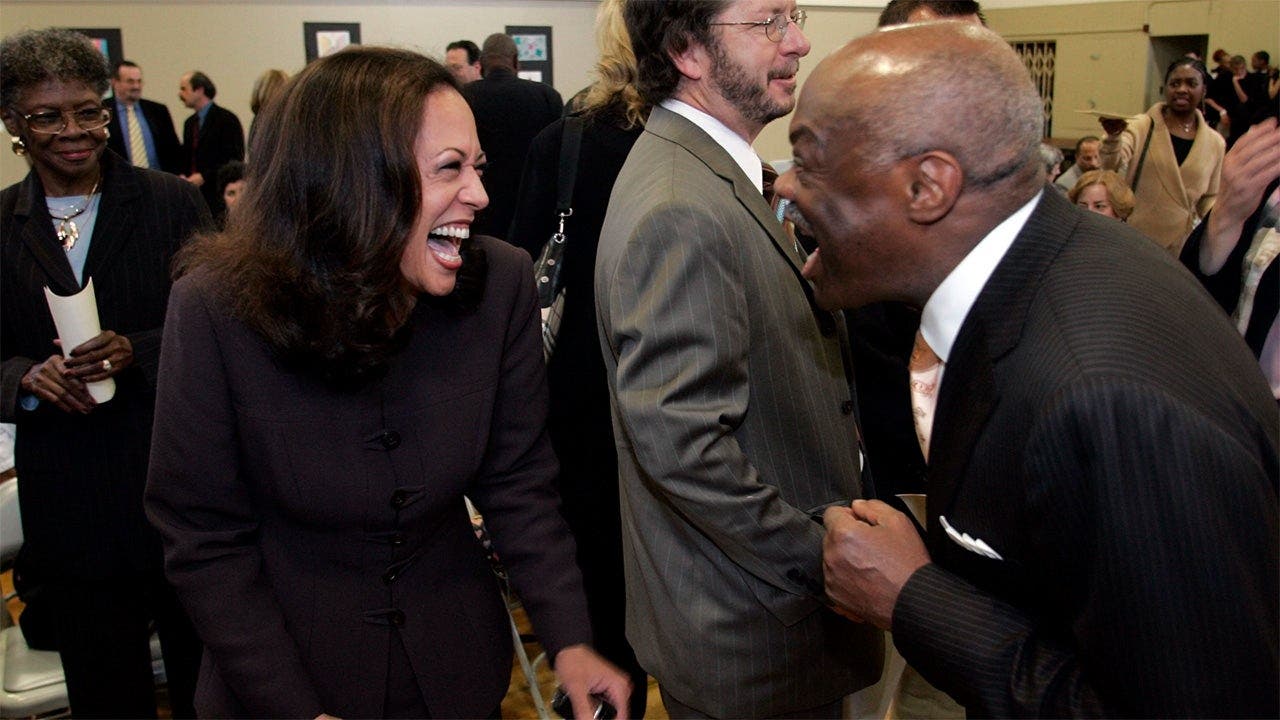
The two were also romantically involved during the 1994–1995 period, a detail that has periodically resurfaced in political discourse. In 2019, amidst the fervor of her first presidential campaign, Brown addressed these past associations in a San Francisco Chronicle op-ed. He explicitly acknowledged his role in launching her career, noting that he had also facilitated the political paths of other prominent figures, including Nancy Pelosi, Dianne Feinstein, and Gavin Newsom. By framing his support for Harris within a broader context of his career as a political kingmaker, Brown attempted to neutralize the optics of favoritism, though his recent comments suggest his professional endorsement of her current capabilities has waned.
The Landscape of the 2028 Democratic Field
As the Democratic Party looks toward the next presidential cycle, the field remains crowded and largely undefined. The party is currently grappling with the aftermath of the 2024 election, and there is a palpable desire among some factions to pivot toward new leadership.
Several high-profile Democrats have either hinted at or openly discussed their potential interest in a 2028 bid:
- Gavin Newsom: The Governor of California has been a central figure in national speculation. While he has indicated that he will wait until the new year to formalize any decisions, his recent rhetoric suggests a desire to position himself as a forward-looking alternative. Newsom has notably stated that he would be unlikely to challenge Harris if she were to definitively enter the race, illustrating the potential for a "gentleman’s agreement" to avoid internal fracturing.
- Pete Buttigieg: The former Secretary of Transportation has maintained a high public profile and has acknowledged that he is "inclined" to explore a run, citing his experience in executive government and his ability to communicate across demographics.
- Ro Khanna: Representing a more progressive wing of the party, the California congressman has frequently signaled his interest in the national stage, focusing on economic policy and technology-sector regulation.
This crowded field creates a difficult calculus for Harris. Should she decide to run, she would need to navigate a party that is not only looking for a fresh face but also one that is increasingly critical of the communication strategies employed during the previous administration.
Analytical Perspective: The "Communication" Hurdle
The specific critique leveled by Brown—that Harris is "not a communicator"—touches upon a recurring theme in political post-mortems of her previous campaigns. Political analysts often point to a disconnect between the former Vice President’s policy-heavy approach and the need for a resonant, emotive narrative in modern presidential campaigns.
In political science, the "preacher" archetype mentioned by Brown refers to the ability of a candidate to tap into the cultural and emotional pulse of the electorate, a skill often attributed to successful figures like Barack Obama or Bill Clinton. Critics argue that Harris’s professional background as a prosecutor and attorney general has conditioned her toward a rigid, precise style of speech that can often struggle to capture the populist energy required to win a nationwide primary.
Furthermore, polling data regarding the 2028 cycle has been volatile. While name recognition remains high, favorability ratings for Harris have been inconsistent, complicating her path to securing a broad coalition. The party’s desire to "move on" from the 2024 loss is a significant factor; party insiders often express concerns that running a candidate closely associated with the previous administration’s electoral outcome could hinder the party’s ability to capture swing voters.
Chronology of Recent Political Maneuvering
- 2024 Election Cycle: The Democratic Party faces significant losses, leading to a period of internal reflection and a search for new leadership.
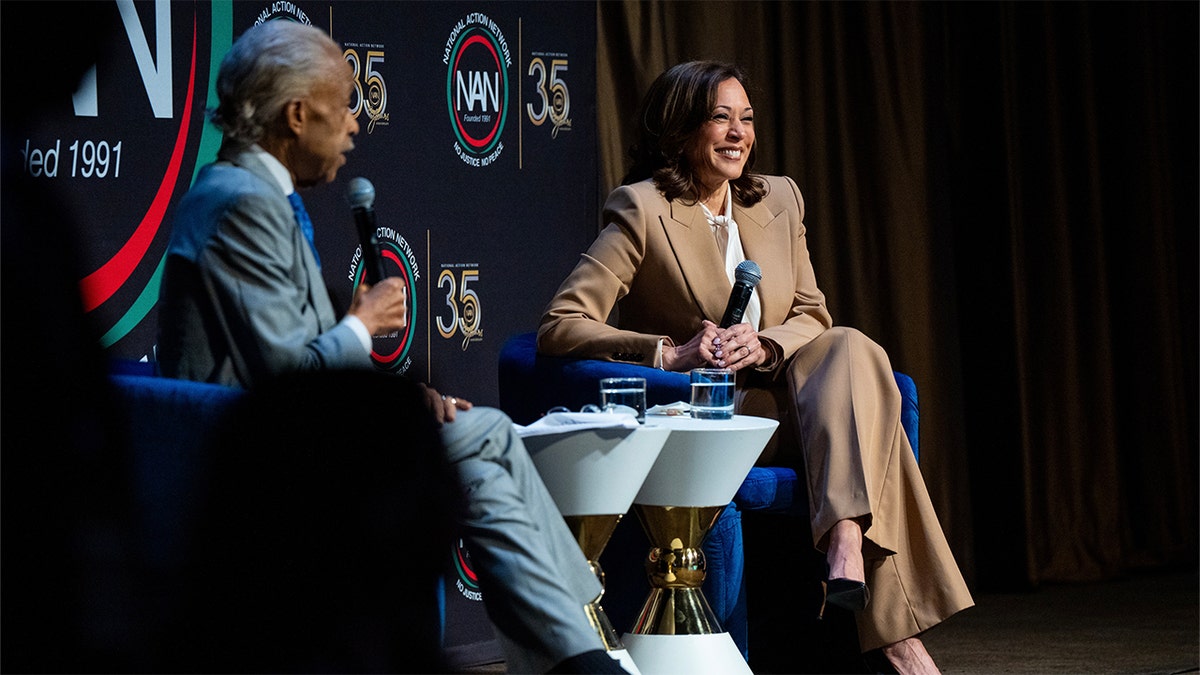
- April 2026: During the National Action Network Convention, Harris appears alongside Reverend Al Sharpton, signaling a focus on traditional civil rights bases, yet avoiding definitive commitments regarding her 2028 plans.
- October 2026: In an interview with CNN, Harris admits that she is "going back and forth" on the prospect of a 2028 run, declining to confirm or deny her candidacy.
- Late 2026: Reports emerge regarding the growing hesitation among party donors and establishment figures, including Willie Brown, regarding a potential Harris candidacy.
- Present: The political field remains in a state of suspended animation as potential candidates await clear signals from party leadership and key donors before making official declarations.
The Official Stance and Party Response
As of the latest reports, representatives for Kamala Harris have remained silent regarding Brown’s specific remarks. This silence is consistent with the cautious approach she has maintained throughout the post-2024 period. By not engaging in public tit-for-tats with former allies, Harris avoids escalating internal party disputes that could damage her standing if she ultimately decides to run.

However, the lack of an immediate response from her camp has not stopped the broader discourse. Democratic strategists are currently divided on whether the party should prioritize loyalty to its recent leadership or prioritize the emergence of a new generation of candidates. This debate is likely to intensify as the primary season approaches, with state-level straw polls and early fundraising numbers serving as the next major indicators of viability.
Broader Implications for the Democratic Party
The friction between establishment figures like Brown and potential candidates like Harris serves as a microcosm for the party’s larger existential struggle. The Democratic Party must decide whether to emphasize continuity—leveraging the experience of those who have held executive office—or to embrace a significant transition that addresses the voter dissatisfaction that characterized the previous election.
If Harris chooses to move forward, she will likely need to overhaul her communication strategy, addressing the perception that she is disconnected from the emotional needs of the base. If she chooses not to run, it will leave a massive vacuum in the primary, likely triggering an aggressive scramble for the nomination among governors and cabinet members who have been waiting in the wings.
The influence of mentors like Willie Brown, while arguably diminished in an era of social media-driven politics, remains a symbol of the "old guard" influence that still permeates the Democratic primary process. His public break with Harris underscores that in the high-stakes world of presidential politics, past alliances are no guarantee of future support. As the party prepares for the next phase of its evolution, the question of whether Harris can overcome the skepticism of her own political mentors will be a defining narrative of the 2028 election cycle.