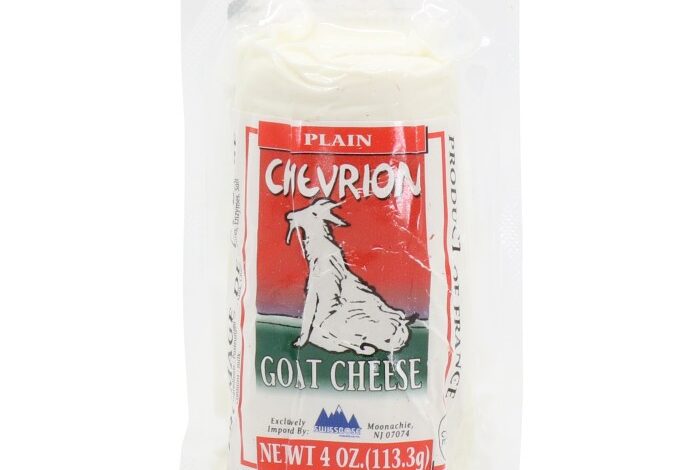
OMG goat cheese logs! Just the name evokes images of creamy, tangy goodness. These delightful little logs are more than just a simple cheese; they’re a culinary adventure waiting to be explored. Whether you’re a seasoned cheese aficionado or a curious newbie, there’s something about goat cheese logs that captivates the taste buds and sparks a desire for more.
Imagine a cheese that’s both smooth and crumbly, with a taste that dances on the tongue, leaving a lingering hint of tanginess. That’s the magic of goat cheese logs. Made from fresh goat milk, these logs boast a unique flavor profile that sets them apart from other cheeses.
Their versatility shines in both sweet and savory dishes, adding a touch of sophistication to appetizers, salads, and even desserts.
What are Goat Cheese Logs?
Goat cheese logs are a type of soft, spreadable cheese that is typically made from goat’s milk. They are often shaped into cylindrical logs, which gives them their name. Goat cheese logs are known for their creamy texture and tangy flavor.
They are often enjoyed as a snack, appetizer, or ingredient in various dishes.
Ingredients and Texture
Goat cheese logs are typically made with goat’s milk, cultures, rennet, and salt. The specific ingredients and proportions may vary depending on the brand and recipe. The texture of goat cheese logs can range from soft and spreadable to firm and crumbly.
This depends on the age of the cheese and the fat content.
OMG goat cheese logs are the ultimate snack – creamy, tangy, and perfect with a crisp cracker. But sometimes, I crave something a little sweeter, like those amazing peanut butter and jam bubble waffles I had the other day. They’re the perfect balance of salty and sweet, and the fluffy waffles just melt in your mouth.
But let’s be real, nothing beats the simplicity and satisfying crunch of a good goat cheese log!
Differences from Other Goat Cheese Types
Goat cheese logs are distinct from other types of goat cheese, such as chèvre and chevre. While all of these cheeses are made from goat’s milk, they differ in their texture, flavor, and aging process.
- Chèvreis a fresh, unaged goat cheese that is typically soft and spreadable. It has a tangy flavor that is often described as “goaty”.
- Chevreis a term that refers to a variety of goat cheeses, including fresh, aged, and log varieties. It can have a range of textures and flavors, depending on the specific type.
- Goat cheese logsare typically aged for a longer period than chèvre, which gives them a more complex flavor and firmer texture.
The Flavor Profile of Goat Cheese Logs
Goat cheese logs, a delectable variety of goat cheese, boast a distinct flavor profile that sets them apart from other cheeses. Their taste is often described as tangy, slightly sweet, and sometimes earthy, with a creamy texture that melts in your mouth.
The Distinctive Taste of Goat Cheese Logs
Goat cheese logs possess a unique flavor that stems from the milk of goats, which naturally has a higher acidity level than cow’s milk. This acidity contributes to the tanginess that is characteristic of goat cheese. The flavor also exhibits subtle sweetness, which adds a touch of complexity.
In some varieties, an earthy note might be present, adding another dimension to the taste experience.
Comparing Goat Cheese Logs to Other Cheeses
Goat cheese logs, when compared to other cheeses, stand out for their distinctive flavor profile.
- Unlike cheddar or mozzarella, which have a more pronounced sharpness, goat cheese logs offer a milder tanginess.
- Compared to brie, which has a softer, creamier texture, goat cheese logs have a firmer texture that holds its shape well.
- While blue cheese is known for its pungent aroma and strong flavor, goat cheese logs present a more delicate and nuanced taste.
Culinary Applications of Goat Cheese Logs
The versatility of goat cheese logs makes them a popular ingredient in various cuisines. They are frequently used in:
- Salads:Goat cheese logs add a tangy and creamy element to salads, complementing the fresh flavors of vegetables. They can be crumbled over salads or served as a topping.
- Appetizers:Goat cheese logs are often featured in appetizers, such as crostini topped with goat cheese, honey, and walnuts, or as a filling for stuffed mushrooms.
- Pasta Dishes:Goat cheese logs can be incorporated into pasta dishes, adding a unique flavor and creamy texture to the sauce.
- Sandwiches:Goat cheese logs are a delicious addition to sandwiches, providing a tangy contrast to the other ingredients.
Culinary Applications of Goat Cheese Logs

Goat cheese logs are incredibly versatile and can be incorporated into a wide range of culinary creations, both sweet and savory. Their creamy texture, tangy flavor, and ease of use make them a delightful addition to appetizers, salads, main courses, and even desserts.
Goat Cheese Logs in Appetizers
Goat cheese logs are a fantastic base for simple and elegant appetizers. Their creamy texture and tangy flavor pair well with various accompaniments.
- Goat Cheese Logs with Honey and Walnuts:Simply slice the goat cheese log and top with a drizzle of honey and chopped walnuts. This combination creates a sweet and salty contrast that is both satisfying and flavorful.
- Goat Cheese Logs with Fig Jam and Prosciutto:This classic combination features the sweetness of fig jam, the saltiness of prosciutto, and the tanginess of goat cheese, creating a symphony of flavors.
- Goat Cheese Logs with Olive Oil and Herbs:A simple yet delicious option, goat cheese logs can be brushed with olive oil and sprinkled with fresh herbs like rosemary, thyme, or oregano. This adds a touch of freshness and complexity to the cheese.
Goat Cheese Logs in Salads
Goat cheese logs can add a creamy and tangy element to salads, complementing the fresh flavors of vegetables and the crunch of nuts.
OMG, goat cheese logs are the absolute best! I love the creamy texture and tangy flavor. They’re so versatile, you can pair them with almost anything. Speaking of versatile, I’ve been wanting to try making my own DIY palm leaf soap for a while now.
I think it would be a great way to use up some of the palm leaves I have in my garden. But back to the goat cheese logs – I’m thinking of making a goat cheese log and fig jam crostini appetizer for my next get-together.
What do you think?
- Goat Cheese and Arugula Salad:Combine baby arugula, sliced goat cheese log, toasted walnuts, and a light vinaigrette. The tangy goat cheese balances the peppery bite of the arugula, while the walnuts add a nutty crunch.
- Goat Cheese and Roasted Vegetable Salad:Roast your favorite vegetables, such as bell peppers, zucchini, and onions, and toss them with goat cheese logs, chopped fresh herbs, and a balsamic vinaigrette. The roasted vegetables bring out the sweetness of the goat cheese, creating a harmonious blend of flavors.
- Goat Cheese and Fruit Salad:For a sweet and savory salad, combine fresh fruits like strawberries, blueberries, and raspberries with goat cheese logs, chopped walnuts, and a light honey vinaigrette. The combination of sweet and tangy flavors is refreshing and delightful.
Goat Cheese Logs in Main Courses
Goat cheese logs can be incorporated into main courses to add a creamy and tangy element, balancing richer flavors and textures.
- Goat Cheese Stuffed Chicken Breast:Slice a goat cheese log and stuff it into a chicken breast, then bake or pan-fry until cooked through. The goat cheese melts inside the chicken, creating a rich and creamy filling that complements the chicken’s savory flavor.
- Goat Cheese and Spinach Pasta:Toss cooked pasta with sautéed spinach, crumbled goat cheese logs, and a light garlic and olive oil sauce. The goat cheese adds a creamy and tangy element that balances the earthy flavor of the spinach.
- Goat Cheese and Mushroom Pizza:Top a pizza crust with a layer of goat cheese logs, sautéed mushrooms, and your favorite toppings. The goat cheese melts and creates a creamy base for the mushrooms and other toppings, adding a touch of richness and tanginess to the pizza.
Goat Cheese Logs in Desserts
While often associated with savory dishes, goat cheese logs can also be used in desserts, adding a unique tanginess that balances sweetness.
- Goat Cheese Cheesecake:Blend goat cheese logs with cream cheese, sugar, and other ingredients to create a unique and tangy cheesecake filling. This cheesecake will have a less dense and more delicate texture than traditional cheesecakes.
- Goat Cheese and Honey Tartlets:Fill tart shells with a mixture of goat cheese logs, honey, and chopped nuts. This combination creates a sweet and tangy filling that is both flavorful and satisfying.
- Goat Cheese and Fruit Crostini:Top toasted crostini with a mixture of goat cheese logs, chopped fresh fruit, and a drizzle of honey. This simple yet elegant dessert is perfect for a light and refreshing treat.
Health Benefits of Goat Cheese Logs: Omg Goat Cheese Logs
Goat cheese logs, like other types of cheese, can be part of a balanced diet and offer various health benefits. While they are generally considered a rich source of fat and calories, they also provide essential nutrients that can contribute to overall well-being.
Nutritional Value of Goat Cheese Logs
Goat cheese logs are a good source of several essential nutrients, including:
- Protein:Goat cheese logs are a good source of protein, providing about 6 grams per ounce. Protein is essential for building and repairing tissues, maintaining muscle mass, and supporting a healthy immune system.
- Calcium:Goat cheese logs are rich in calcium, an essential mineral for strong bones and teeth. One ounce of goat cheese provides about 20% of the recommended daily intake of calcium.
- Vitamin B12:Goat cheese logs are a good source of vitamin B12, which is important for the production of red blood cells and the maintenance of a healthy nervous system.
- Phosphorus:Goat cheese logs contain phosphorus, another essential mineral for bone health and energy production.
- Riboflavin:Goat cheese logs are a source of riboflavin, a vitamin important for energy metabolism and cell growth.
Potential Health Benefits of Consuming Goat Cheese Logs
While goat cheese logs are generally considered a high-fat food, they may offer some potential health benefits when consumed in moderation:
- Improved Bone Health:The high calcium content in goat cheese logs can contribute to strong bones and may reduce the risk of osteoporosis, a condition characterized by weakened bones.
- Heart Health:Some studies suggest that consuming moderate amounts of dairy products, including goat cheese, may be associated with a reduced risk of heart disease. This may be due to the presence of conjugated linoleic acid (CLA), a fatty acid found in dairy products, which has been linked to improved cholesterol levels.
OMG, goat cheese logs are my new obsession! They’re so creamy and tangy, perfect for snacking or adding a touch of sophistication to a charcuterie board. Speaking of sophisticated, I recently stumbled across an article about the Paris Capital Fashion book launch, featuring Valerie Steele and the London College of Fashion.
It reminded me that sometimes, the most unexpected things can be surprisingly elegant, just like a good goat cheese log paired with a crisp glass of wine.
- Improved Digestion:Goat cheese is often easier to digest than cow’s milk cheese, as it contains less lactose, a sugar that can cause digestive problems in some individuals.
- Source of Probiotics:Some goat cheese varieties are made with live and active cultures, which can contribute to a healthy gut microbiome. Probiotics are beneficial bacteria that can improve digestion and immune function.
Comparison with Other Types of Cheese
Goat cheese logs have a slightly different nutritional profile compared to other types of cheese:
- Fat Content:Goat cheese logs typically have a higher fat content than some other types of cheese, such as cheddar or mozzarella. However, the fat in goat cheese is primarily saturated fat, which is considered healthier than trans fat.
- Lactose Content:Goat cheese typically contains less lactose than cow’s milk cheese, making it a better option for individuals who are lactose intolerant.
- Flavor Profile:Goat cheese has a distinct tangy and slightly sweet flavor profile, which differs from the more neutral flavor of cow’s milk cheese.
Goat Cheese Logs and Wine Pairings
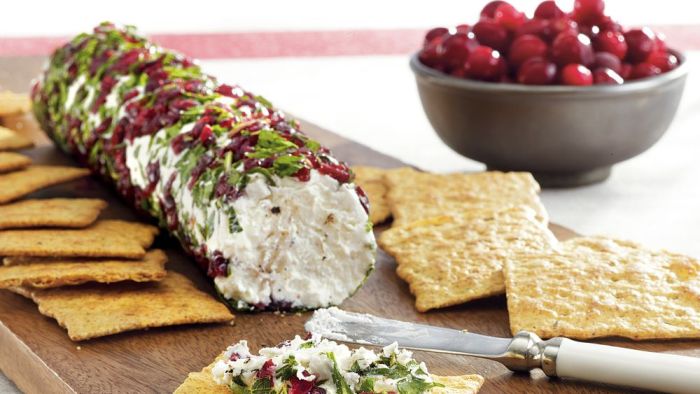
Goat cheese logs, with their creamy texture and tangy flavor, are a versatile cheese that pairs well with a variety of wines. The key to successful pairing is to consider the cheese’s flavor profile and find wines that complement or contrast its characteristics.
Wine Pairings for Goat Cheese Logs
Wine pairings for goat cheese logs are determined by the cheese’s flavor intensity, texture, and any additional ingredients or flavors.
- For mild goat cheese logs, opt for wines with a delicate flavor profile, such as a dry Sauvignon Blancfrom New Zealand or a crisp Pinot Grigiofrom Italy. These wines have bright acidity that cuts through the richness of the cheese, while their subtle fruit flavors complement the cheese’s mild tang.
- For medium-intensity goat cheese logs, consider a dry Rieslingfrom Germany or a light-bodied red winelike a Gamayfrom France. Riesling’s sweetness and acidity create a harmonious balance with the cheese’s tanginess, while Gamay’s fruity notes and light tannins provide a refreshing contrast.
- For strong goat cheese logs, choose a wine with bold flavors and good acidity, such as a dry Chardonnayfrom California or a full-bodied red winelike a Syrahfrom the Rhône Valley. Chardonnay’s oaky notes and creamy texture complement the cheese’s richness, while Syrah’s dark fruit flavors and peppery notes provide a strong counterpoint.
Goat Cheese Logs and Wine Pairing Table
The following table provides a detailed guide to wine pairings for different types of goat cheese logs:
| Goat Cheese Log | Wine Pairing | Rationale |
|---|---|---|
| Mild Goat Cheese Log (e.g., Chevre) | Dry Sauvignon Blanc (New Zealand) | The wine’s bright acidity cuts through the richness of the cheese, while its subtle fruit flavors complement the cheese’s mild tang. |
| Medium-Intensity Goat Cheese Log (e.g., Humboldt Fog) | Dry Riesling (Germany) | Riesling’s sweetness and acidity create a harmonious balance with the cheese’s tanginess. |
| Strong Goat Cheese Log (e.g., Crottin de Chavignol) | Full-bodied Red Wine (e.g., Syrah from Rhône Valley) | Syrah’s dark fruit flavors and peppery notes provide a strong counterpoint to the cheese’s intense flavor. |
Goat Cheese Logs in History and Culture
The history of goat cheese logs is deeply intertwined with the history of goat cheese itself, which dates back thousands of years. Goat cheese has been a staple food in many cultures, and its transformation into logs is a testament to human ingenuity and the desire to preserve and enhance its flavor.
Goat Cheese Logs in Ancient Times
Goat cheese logs have been enjoyed for centuries, with evidence suggesting their presence in ancient civilizations. Archaeological findings indicate that goat cheese was produced in the Middle East and Mediterranean regions as early as 8000 BC. In ancient Greece, goat cheese was a common food, and it is believed that goat cheese logs were made and consumed during this period.
The Romans also enjoyed goat cheese, and they were known for their elaborate cheesemaking techniques.
Goat Cheese Logs in the Middle Ages
During the Middle Ages, goat cheese logs continued to be a popular food in Europe. Monasteries played a significant role in the production and distribution of cheese, including goat cheese logs. Monks developed innovative cheesemaking techniques and helped to spread the popularity of goat cheese throughout Europe.
Goat Cheese Logs in Modern Times
In modern times, goat cheese logs have become a global delicacy, enjoyed in various cultures and culinary traditions. The production and consumption of goat cheese logs have increased significantly, reflecting the growing appreciation for this unique and flavorful cheese.
Cultural Traditions Associated with Goat Cheese Logs, Omg goat cheese logs
Goat cheese logs are often associated with specific cultural traditions and celebrations. In some regions, goat cheese logs are a staple food at weddings, baptisms, and other special occasions. For example, in France, goat cheese logs are often served with bread and wine at festive gatherings.
Significance of Goat Cheese Logs in Different Regions
Goat cheese logs hold a special place in the culinary landscape of different regions around the world. In France, goat cheese logs are a quintessential part of the French cheeseboard, often paired with regional wines. In Italy, goat cheese logs are frequently used in salads, pasta dishes, and other culinary creations.
In Greece, goat cheese logs are a popular ingredient in traditional dishes like spanakopita (spinach pie).
Making Goat Cheese Logs at Home
Crafting your own goat cheese logs allows you to control the ingredients and flavor profile, resulting in a truly personalized culinary experience. This endeavor is surprisingly simple, requiring minimal equipment and time. You can customize the logs with various herbs, spices, and additions to match your taste preferences.
Creating the Perfect Goat Cheese Log
The foundation of a successful goat cheese log lies in the quality of the ingredients and a few key steps. This recipe utilizes fresh goat cheese, cream cheese, and a touch of lemon juice for a smooth, tangy, and slightly sweet flavor.
- Ingredients:
- 1 (8-ounce) package fresh goat cheese, softened
- 1 (8-ounce) package cream cheese, softened
- 2 tablespoons lemon juice
- 1/2 teaspoon salt
- 1/4 teaspoon black pepper
- Optional: 1/4 cup chopped fresh herbs (such as chives, dill, or parsley)
- Optional: 1/4 cup chopped nuts (such as walnuts or pecans)
- Equipment:
- Food processor or stand mixer
- Plastic wrap
- Parchment paper
- Baking sheet
Step-by-Step Guide
- Combine the Ingredients:In a food processor or stand mixer, combine the softened goat cheese, cream cheese, lemon juice, salt, and pepper. Process until smooth and well blended. If using herbs or nuts, add them at this stage and pulse until incorporated.
- Shape the Log:Spread a sheet of plastic wrap on a flat surface. Scoop the cheese mixture onto the plastic wrap and shape it into a log, about 1 1/2 inches in diameter. Use your hands to gently roll the cheese into a log, ensuring it is tightly packed and smooth.
- Chill and Set:Wrap the cheese log tightly in the plastic wrap, twisting the ends to seal it securely. Place the wrapped log on a baking sheet lined with parchment paper. Refrigerate for at least 4 hours, or overnight, allowing the cheese to firm up.
- Slice and Serve:Once chilled, unwrap the cheese log and slice it into rounds. Serve immediately or store in the refrigerator for up to 5 days.
Tips and Tricks for Success
- Temperature:Ensure the goat cheese and cream cheese are softened to room temperature before blending. This will create a smoother and more easily workable mixture.
- Flavor Variations:Experiment with different herbs, spices, and additions to create unique flavor combinations. Consider using dried herbs, garlic powder, or chili flakes for a bolder taste.
- Presentation:For a more visually appealing presentation, roll the cheese log in chopped herbs, nuts, or edible flowers before chilling.
- Storage:Store the cheese log tightly wrapped in plastic wrap in the refrigerator. For longer storage, consider freezing the cheese log for up to 3 months.