
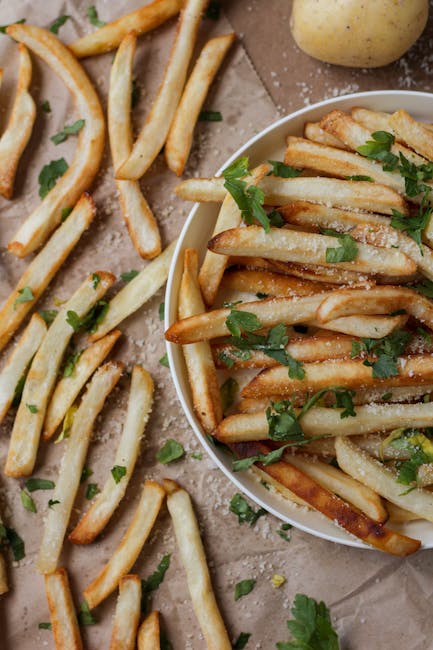
Brown Sugar Baked Fries: A Sweet and Savory Revolution in Home Cooking
The culinary landscape of potato preparation is vast, ranging from the crisp, golden depths of deep-fried indulgence to the humble, steamed simplicity. However, a particularly enticing and increasingly popular contender has emerged, offering a compelling fusion of textures and tastes: brown sugar baked fries. This method transcends the ordinary, transforming humble spuds into caramelized, slightly sweet, and delightfully crisp morsels that redefine the concept of a side dish. The inherent charm of brown sugar baked fries lies in its deceptive simplicity, accessible to even novice home cooks, while simultaneously delivering a sophisticated flavor profile that appeals to a wide palate. The Maillard reaction, a complex chemical process responsible for browning and flavor development in food, is masterfully coaxed into action by the caramelizing sugars, creating an irresistible depth of flavor that deep-fried counterparts often struggle to achieve without excessive fat. Furthermore, the baking method presents a healthier alternative, significantly reducing the caloric and fat content associated with traditional frying, making it a guilt-free indulgence for health-conscious individuals and families seeking to enjoy familiar comfort foods with a lighter footprint. This article will delve into the intricacies of crafting perfect brown sugar baked fries, exploring ingredient selection, preparation techniques, optimal cooking parameters, flavor variations, and troubleshooting common issues, providing a comprehensive guide for anyone seeking to master this delectable dish.
The foundation of any exceptional brown sugar baked fry lies in the judicious selection of potatoes. While a myriad of potato varieties can be employed, certain types lend themselves more favorably to the baking process and the sweet caramelization of brown sugar. Russet potatoes, with their high starch content and relatively low moisture, are a perennial favorite for baking. Their fluffy interior develops a tender texture when cooked, while their exterior crisps up beautifully under heat. This inherent characteristic makes them ideal for absorbing the nuances of the brown sugar glaze. Yukon Gold potatoes offer a slightly waxier texture and a buttery flavor that complements the sweetness. Their moderate starch content allows them to hold their shape well during baking while still achieving a pleasant crispness. Sweet potatoes, though a different species entirely, have also become a popular base for this preparation. Their natural sweetness amplifies the caramelization, resulting in a richer, more dessert-like fry that can be surprisingly savory with the right seasoning. When choosing potatoes, prioritize firm, unblemished specimens. Avoid any with sprouts, soft spots, or green tinges, as these can indicate spoilage and negatively impact flavor and texture. The size of the potato also plays a role; medium-sized potatoes are generally easier to cut into uniform pieces, ensuring even cooking. For optimal results, wash potatoes thoroughly to remove any surface dirt, but consider leaving the skins on for added nutrients and a more rustic, appealing texture, especially with varieties like Russets and Yukon Golds. The skin also acts as a natural barrier, helping the potato to retain moisture during baking.
The preparation of the potatoes is a critical step that directly influences the final outcome. The key to achieving crispy baked fries, even with the addition of sugar, lies in reducing their moisture content before baking. This can be achieved through several methods. Soaking the cut potatoes in cold water for at least 30 minutes, or even overnight, helps to leach out excess starch, which can prevent them from becoming crisp. After soaking, it is imperative to drain them thoroughly and then pat them completely dry with clean kitchen towels or paper towels. Any residual moisture will steam the potatoes rather than bake them, leading to a soggy texture. Cutting the potatoes into uniform shapes and sizes is paramount for even cooking. Shoestring fries, wedges, or classic steak fries all work, but consistency is key. For instance, if you opt for shoestring fries, aim for a thickness of approximately ¼ inch. For wedges, ensure they are roughly the same thickness on their broadest side. This uniformity prevents some fries from burning while others remain undercooked. Once cut and dried, the potatoes are ready for their flavor transformation.
The brown sugar glaze is the defining element of this dish. The type of brown sugar used can subtly influence the final flavor. Light brown sugar, with its higher molasses content, offers a delicate sweetness and a slightly moist texture that melts and caramelizes beautifully. Dark brown sugar, on the other hand, boasts a more intense molasses flavor and a deeper, richer caramelization. For a balanced sweet and savory profile, light brown sugar is often the preferred choice. The glaze typically consists of brown sugar, a binder like olive oil or melted butter, and a selection of seasonings. Olive oil is a popular choice for its healthy fat profile and ability to facilitate even browning. Melted butter offers a richer, more indulgent flavor. The ratio of sugar to oil or butter is crucial; too much oil can lead to greasiness, while too little can result in dry, clumpy fries. A common starting point is approximately 2 tablespoons of oil or melted butter per pound of potatoes, combined with 1-2 tablespoons of brown sugar.
Seasoning is where the brown sugar baked fries truly come alive, offering a canvas for endless flavor combinations. Beyond the star ingredient of brown sugar, salt is non-negotiable for balancing the sweetness and enhancing the potato’s natural flavor. Freshly ground black pepper adds a subtle warmth. For a classic sweet and savory profile, consider adding a pinch of paprika for color and a hint of smokiness, or a touch of garlic powder for aromatic depth. However, the beauty of brown sugar baked fries lies in their adaptability. For a spicier kick, incorporate cayenne pepper or red pepper flakes into the glaze. Smoked paprika can elevate the fries with a smoky undertone, reminiscent of barbecue flavors. Herbs like rosemary or thyme, finely chopped and added to the glaze, impart an earthy, aromatic dimension. For a touch of sweetness and acidity, a drizzle of balsamic glaze after baking can be transformative. Consider global inspirations: a sprinkle of cumin and coriander for a Moroccan twist, or a dash of curry powder and a pinch of turmeric for an Indian-inspired flavor profile. Even a touch of grated Parmesan cheese added during the last few minutes of baking can create a delightful salty, cheesy crust that complements the caramelized sweetness. The key is to experiment and find the combinations that best suit your personal preferences and the accompanying meal.
The baking process itself requires careful attention to temperature and time to achieve the desired crispness and caramelization. Preheat your oven to a relatively high temperature, typically between 400°F and 425°F (200°C and 220°C). This high heat is essential for achieving a crisp exterior before the sugar burns. Line a baking sheet with parchment paper or a silicone baking mat. This prevents sticking and makes cleanup easier, especially when dealing with caramelized sugar. Arrange the seasoned potato pieces in a single layer on the baking sheet, ensuring they are not overcrowded. Overcrowding will lead to steaming, hindering crisping. If necessary, use two baking sheets. The baking time will vary depending on the thickness of the fries and the type of potato, but generally ranges from 20 to 35 minutes. Halfway through the baking process, it is crucial to flip the fries. This ensures even browning and caramelization on all sides. Observe the fries closely during the latter stages of baking. You are looking for golden-brown edges and a tender interior. The sugar should be caramelized and slightly sticky, but not burnt. If the fries are browning too quickly, you can reduce the oven temperature slightly or tent them loosely with foil. Conversely, if they are not browning sufficiently, you can increase the heat for the final few minutes.
Troubleshooting common issues ensures a consistently successful outcome. One of the most frequent problems is soggy fries. This is almost always a result of insufficient moisture removal from the potatoes, overcrowding the baking sheet, or an oven temperature that is too low. Ensure the potatoes are meticulously dried before seasoning and spread them in a single layer. Another issue can be burnt sugar. This occurs when the sugar content is too high, the oven temperature is excessively high, or the fries are baked for too long. Adjust the sugar-to-oil ratio and monitor the baking process closely, especially during the final stages. If the fries are not browning enough, it might be due to a low oven temperature or insufficient baking time. Increase the oven temperature slightly or extend the baking time, keeping a close eye on them to prevent burning. Sticking to the baking sheet can be avoided by using parchment paper or a silicone mat, or by lightly greasing the baking sheet itself. For a more even crisp, some chefs recommend tossing the fries with a small amount of cornstarch or tapioca starch along with the seasoning. This helps to absorb excess moisture and promotes a crisper exterior.
The versatility of brown sugar baked fries extends beyond their role as a side dish. They can be incorporated into a variety of culinary creations. Imagine them as a base for loaded fries, topped with cheese, bacon bits, chives, and a dollop of sour cream. They can add a sweet and savory dimension to breakfast dishes, served alongside eggs and sausage, or even crumbled into breakfast burritos. Their inherent sweetness makes them a surprisingly good accompaniment to richer, more savory main courses, such as grilled steaks, roasted chicken, or even pulled pork. Consider them as a unique topping for hearty stews or chili, providing a textural and flavor contrast. For a more adventurous approach, they can be incorporated into creative appetizers, perhaps served with a dipping sauce like a spicy aioli or a tangy honey mustard. The possibilities are truly boundless, allowing home cooks to elevate simple ingredients into something truly special.
In conclusion, brown sugar baked fries represent a significant evolution in home cooking, offering a delightful balance of sweetness and savory depth, coupled with a healthier preparation method. By understanding the nuances of potato selection, meticulous preparation, judicious seasoning, and precise baking techniques, anyone can master this deceptively simple dish. The adaptability of the brown sugar glaze allows for endless flavor exploration, making these fries a consistently exciting addition to any meal. Whether enjoyed as a classic side, a base for loaded creations, or an innovative ingredient in more complex dishes, brown sugar baked fries have earned their place as a culinary staple, promising a satisfying and flavorful experience with every bite. The continued exploration of flavor profiles and application methods will undoubtedly further solidify their position as a beloved and sought-after comfort food with a modern, health-conscious appeal.

