
The Ultimate Guide to Coconut Toffee Bars: Recipe, Variations, and SEO Optimization
Coconut toffee bars represent a delightful intersection of tropical sweetness and rich, buttery indulgence, offering a unique flavor profile that appeals to a wide audience. This article delves into the core recipe for these popular treats, explores essential SEO strategies for maximizing their online visibility, and provides insightful variations and serving suggestions. Understanding the nuances of both baking and digital marketing is crucial for anyone looking to share or monetize these beloved confections.
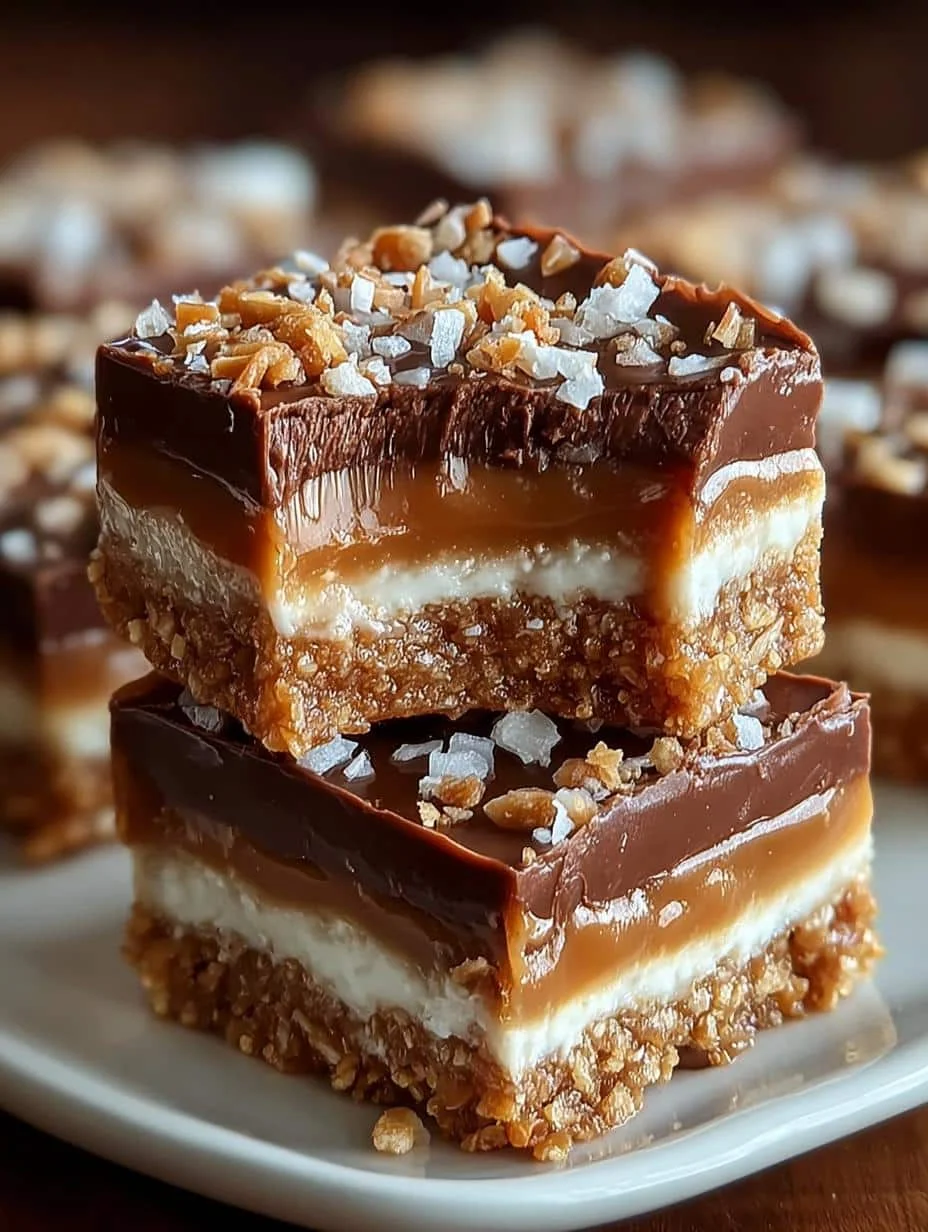
The fundamental recipe for coconut toffee bars typically involves a base layer, a chewy toffee filling, and a generous topping of toasted coconut. The base often starts with a simple shortbread-like dough, usually composed of all-purpose flour, butter, and sugar. Some recipes incorporate a touch of salt to balance the sweetness and enhance the overall flavor. The butter, softened to room temperature, is creamed with sugar until light and fluffy, followed by the gradual incorporation of the flour. This mixture is then pressed evenly into the bottom of a baking pan, creating a sturdy foundation for the subsequent layers. Baking the base until lightly golden is a critical step, ensuring it holds its structure and provides a satisfying crumb.
The toffee layer is where the magic truly happens, transforming simple ingredients into a rich, chewy caramel. This usually involves melting butter and sugar together in a saucepan. Brown sugar is frequently used, lending a deeper, more complex molasses note compared to white sugar. Granulated sugar can also be included for texture. The mixture is heated, and often a touch of corn syrup or golden syrup is added to prevent crystallization and promote a smooth, chewy texture. Cooking this mixture to the soft ball stage (around 235-240°F or 113-116°C) is essential for achieving the desired chewiness; overcooking will result in a brittle toffee, while undercooking will leave it too soft. Once the toffee reaches the correct temperature, it is poured immediately over the pre-baked base.
The final layer is the toasted coconut. Desiccated coconut, or finely shredded coconut, is preferred for its ability to toast evenly and bind well with the toffee. Some recipes call for toasting the coconut separately before adding it to the bars, which intensifies its flavor and crunch. This can be done in a dry skillet over medium heat, stirring constantly until golden brown, or spread on a baking sheet and baked in the oven. Others simply sprinkle the raw coconut over the hot toffee, allowing it to toast in the residual heat of the bars as they bake or cool. The key is to achieve a golden-brown hue, which signifies optimal toasting and flavor development. After the coconut is applied, the bars are typically returned to the oven for a short period to allow the topping to set and meld with the toffee. Cooling the bars completely before cutting is paramount; this allows the toffee to firm up, preventing a messy cutting experience and ensuring distinct, well-defined bars.
For SEO optimization, understanding keyword research is fundamental. When targeting coconut toffee bars, relevant keywords include "coconut toffee bar recipe," "easy coconut toffee bars," "homemade toffee bars," "chewy toffee bars," "tropical dessert bars," "no-bake coconut bars" (if applicable to variations), and "best coconut toffee recipe." Long-tail keywords, such as "how to make coconut toffee bars with condensed milk" or "gluten-free coconut toffee bar recipe," can attract a highly engaged audience. These keywords should be strategically integrated throughout the article, particularly in the title, headings, subheadings, and the initial paragraphs.
Creating high-quality, informative content is another cornerstone of SEO. This article aims to be a comprehensive resource, providing detailed instructions, ingredient explanations, and troubleshooting tips. Incorporating rich media, such as high-resolution images of the finished product and step-by-step photos, can significantly improve user engagement and reduce bounce rates, signaling to search engines that the content is valuable. Videos demonstrating the baking process are even more effective. Structured data markup, such as schema for recipes, can help search engines understand the content more effectively and display rich snippets in search results, leading to higher click-through rates. This includes details like preparation time, cooking time, ingredients, and nutritional information.
Internal linking is crucial for distributing link equity and keeping users engaged with your content. Linking to other relevant recipes on your website, such as variations of toffee bars or coconut-based desserts, or to articles discussing baking techniques, will improve the overall navigability and SEO performance of your site. External linking to authoritative sources, like reputable baking ingredient suppliers or culinary science websites, can also lend credibility to your content.
User experience (UX) is intrinsically linked to SEO. A well-organized, easy-to-read article with clear headings, concise paragraphs, and appropriate font sizes will encourage users to stay on your page longer. Mobile-friendliness is non-negotiable, as a significant portion of internet traffic originates from mobile devices. Website speed is another critical factor; slow-loading pages will deter users and negatively impact search rankings. Regularly updating content with fresh information, tips, and even new recipe variations demonstrates to search engines that your site is active and relevant.
Beyond the classic recipe, numerous variations can be explored, catering to diverse tastes and dietary needs. Adding chocolate is a popular modification. This can be achieved by drizzling melted chocolate (milk, dark, or white) over the cooled toffee and coconut layer, or by incorporating chocolate chips into the toffee mixture just before pouring. For a more intense chocolate flavor, a cocoa powder-based shortbread crust can be used.
Nut additions are also a common enhancement. Pecans, walnuts, or almonds can be chopped and added to the toffee mixture or sprinkled over the coconut topping. This adds a delightful crunch and a complementary nutty flavor. Toasted nuts will offer a more profound taste.
For a more decadent experience, consider adding a layer of caramel sauce or dulce de leche between the base and the toffee, or drizzled on top. This amplifies the chewy, sweet factor. A hint of citrus, such as orange or lime zest, can be incorporated into the base or the toffee to provide a bright, tropical counterpoint to the rich sweetness.
Dietary modifications are essential for expanding the reach of coconut toffee bars. Gluten-free versions can be achieved by substituting the all-purpose flour in the base with a gluten-free flour blend. Ensuring the blend contains xanthan gum is important for mimicking the binding properties of gluten. For vegan variations, butter can be replaced with a vegan butter substitute, and regular sugar with vegan-friendly options. Condensed milk, often used in simpler toffee recipes, would need to be replaced with a vegan condensed milk alternative. The toffee itself can be challenging to make vegan, often requiring adjustments to fat sources and cooking times.
The serving and presentation of coconut toffee bars are as important as their creation. These bars are incredibly versatile. They are perfect as a standalone treat, a delightful accompaniment to coffee or tea, or a crowd-pleasing dessert for potlucks, parties, and holidays. They also make excellent gifts, especially when packaged attractively in tins or boxes.
For optimal flavor and texture, it’s often recommended to serve coconut toffee bars at room temperature. However, some individuals enjoy them slightly chilled, which can firm up the toffee further. If serving warm, ensure the toffee has set sufficiently to avoid a melted mess.
Cutting the bars can be done with a sharp knife, warmed in hot water and wiped dry between cuts for cleaner slices, especially if the toffee is particularly chewy. Alternatively, a pizza cutter can be effective for larger batches. Ensure the bars are completely cooled before attempting to cut them for the neatest results.
The shelf life of coconut toffee bars is generally good, owing to the high sugar and fat content, which act as natural preservatives. Stored in an airtight container at room temperature, they can last for several days, typically 3-5 days. For longer storage, refrigeration is an option, which will firm up the toffee. However, refrigeration can sometimes affect the texture of the coconut topping. Freezing is also a viable option for longer-term storage; wrap the cooled bars tightly in plastic wrap and then in aluminum foil, and they can be stored for up to 2-3 months. Thaw them at room temperature before serving.
In conclusion, coconut toffee bars offer a rich and satisfying culinary experience. By mastering the core recipe, exploring creative variations, and employing robust SEO strategies, creators can effectively share these delightful treats with a wider audience. The synergy of delicious baking and smart digital promotion is key to achieving widespread appeal and online success for this beloved confection.

