Peanut Butter Sticky Buns: A Deep Dive into the Ultimate Sweet and Salty Treat
The peanut butter sticky bun is more than just a pastry; it’s a symphony of textures and flavors, a comforting indulgence that perfectly balances the rich, nutty depth of peanut butter with the unctuous sweetness of a classic sticky bun. This article explores the anatomy of this beloved treat, from its foundational elements to variations, baking techniques, and the secrets behind achieving that coveted, gooey, caramelized topping. We’ll also touch upon its appeal, why it resonates with so many palates, and how to maximize its deliciousness.
The core components of a peanut butter sticky bun are a yeasted dough, a luscious peanut butter filling, and a decadent caramel-pecan (or sometimes walnut) topping that, in this variation, is intrinsically linked with peanut butter. The dough itself is a crucial starting point. Typically, it’s a rich brioche-like dough, enriched with eggs and butter, which provides a soft, tender crumb that stands up beautifully to the sweet and sticky elements. The yeast activation is paramount. Warm liquid, usually milk or a milk-water blend, is combined with yeast and a pinch of sugar. This mixture is left to bloom for about 10-15 minutes, signaling the yeast is active and ready to work its magic. Following this, the bloomed yeast is incorporated into the flour, along with salt, sugar, eggs, and softened butter. The butter is often added in stages, allowing it to emulsify and create that signature tender texture. Kneading is essential, whether by hand or with a stand mixer, to develop the gluten structure. This structure is what allows the dough to rise and hold its shape during proofing and baking. Over-kneading can result in a tough bun, while under-kneading will yield a dense, unappealing product. The dough undergoes at least one, and often two, significant rises. The first rise, or bulk fermentation, allows the yeast to work extensively, developing flavor and volume. The second rise, after the dough has been shaped and filled, allows the buns to puff up into their final form before baking.
The peanut butter filling is where the distinctive character of this sticky bun emerges. Traditional sticky buns feature a cinnamon-sugar filling, often with butter melted and mixed in. For the peanut butter variation, this filling is transformed. Creamy or crunchy peanut butter is the star, sometimes softened with a touch of butter or oil to make it more spreadable. The ideal consistency for the filling is one that can be spread evenly without tearing the dough but is also substantial enough to provide a distinct peanut butter flavor in every bite. Some recipes incorporate a sweetener into the peanut butter filling, such as brown sugar or honey, to enhance its sweetness and complement the caramel topping. A whisper of cinnamon or even a pinch of salt can be added to the filling to further amplify the peanut butter flavor and balance the sweetness. The key is to achieve a harmonious blend of peanut butter and sweetness, avoiding a filling that is too dry or too oily. The filling is typically spread over the rolled-out dough, leaving a border to prevent leakage during the baking process.
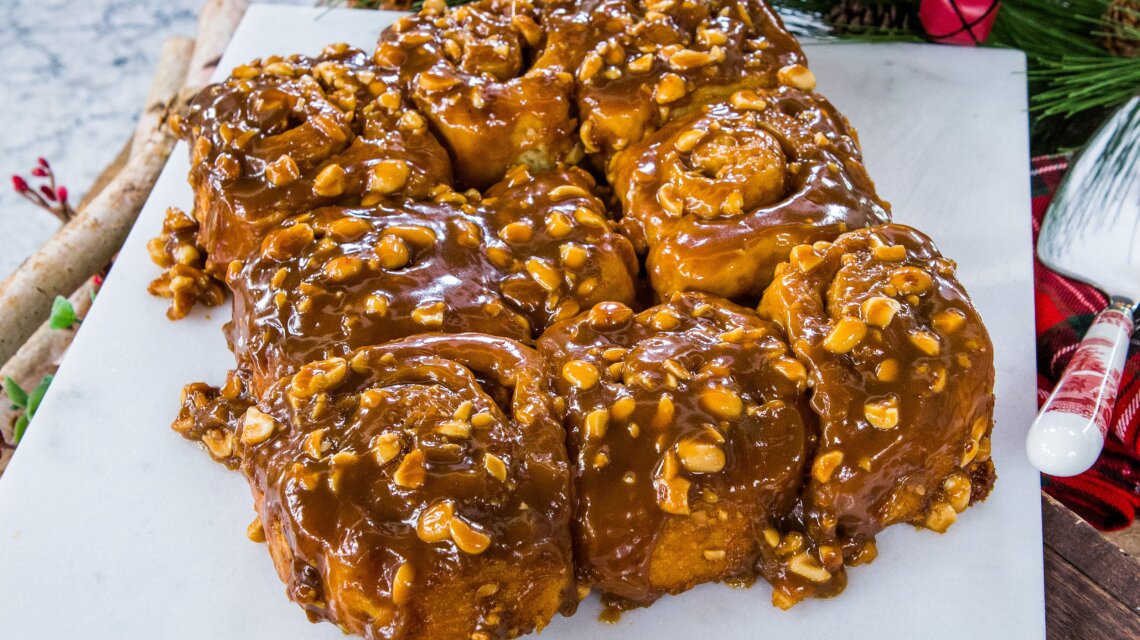
The sticky topping is the crowning glory of any sticky bun, and in the peanut butter version, it’s a glorious fusion. The base of this topping is a caramelized mixture, traditionally made with butter, brown sugar, and sometimes corn syrup. For the peanut butter sticky bun, this base is often enhanced with peanut butter, creating a richer, nuttier caramel. The butter is melted in a saucepan, then brown sugar is added and cooked until it dissolves and begins to caramelize. This process requires careful attention to avoid burning. Some recipes add a touch of liquid, like milk or cream, to create a smoother, more pourable caramel, while others rely on the butter and sugar alone to achieve a syrupy consistency. The addition of nuts, typically pecans or walnuts, is traditional and adds a delightful crunch. In the peanut butter sticky bun, these nuts are often toasted to enhance their flavor and aroma, and they are thoroughly coated in the peanut butter-caramel mixture. The topping is prepared first and spread evenly into the bottom of the baking pan. The shaped and filled dough is then placed on top of this prepared topping, ensuring that when inverted after baking, the topping coats each bun beautifully. The interaction of the hot caramel and peanut butter during baking is what creates that irresistible gooeyness that drips down the sides of the buns.
The assembly process is a critical step in achieving the perfect peanut butter sticky bun. After the dough has completed its first rise, it’s gently punched down and rolled out into a large rectangle on a lightly floured surface. The thickness of this rectangle is important; too thin and the buns may be too delicate, too thick and they may not cook through properly. The peanut butter filling is then spread evenly over the surface of the dough, leaving a small border. The dough is then tightly rolled up, starting from one of the longer sides, to create a log. Sealing the seam is crucial to prevent the filling from escaping during baking. The log is then sliced into individual buns, typically about 1 to 1.5 inches thick. The number of buns will depend on the size of your rolled-out rectangle and your desired bun size. These sliced buns are then placed, cut-side up, into the prepared baking pan, usually a metal pan that conducts heat well, directly on top of the caramel-peanut butter-nut mixture. It’s important to leave some space between the buns, as they will expand significantly during the second rise and baking. The buns then undergo their second rise, allowing them to puff up and become light and airy. This rise can take anywhere from 30 minutes to an hour, depending on the ambient temperature.
Baking is the final transformative step. The oven temperature for sticky buns is typically moderate, around 350°F (175°C). This allows the buns to bake through and caramelize without burning the topping. The baking time will vary depending on the size of the buns and your oven, but it generally ranges from 25 to 35 minutes. The buns are done when they are golden brown on top and the caramel topping is bubbly and has a deep, rich color. Over-baking can lead to dry buns and burnt caramel, while under-baking will result in undercooked dough and a runny topping. A key technique for achieving the signature sticky bun aesthetic is to invert the pan immediately after removing it from the oven. This is a crucial step and requires a bit of bravery. While the caramel is still molten and hot, a serving plate or a rimmed baking sheet is placed over the pan, and the entire assembly is flipped quickly and decisively. Any stray nuts or caramel that cling to the pan can be gently scraped and spread back onto the buns. Allowing the buns to cool slightly in the pan after inverting helps to set the caramel, but they are best served warm, when the caramel is still gooey and inviting.
Variations on the peanut butter sticky bun abound, offering opportunities for personalization and catering to specific dietary needs or flavor preferences. For those seeking a textural contrast, crunchy peanut butter can be used in the filling, providing little bursts of nuttiness within the soft dough. Some bakers experiment with different types of nuts in the topping, such as almonds or even a nut-free seed blend. For those with nut allergies or a desire for a different flavor profile, cookie butter (speculoos spread) or even a rich chocolate ganache can be substituted for the peanut butter in the filling and topping, though this would technically deviate from the "peanut butter" sticky bun. Healthier iterations might involve using whole wheat flour in the dough, reducing the sugar content, or opting for natural peanut butter with no added sugar. Gluten-free versions are also possible, though they require specialized gluten-free flour blends and often a different leavening strategy. Adding a hint of espresso powder or a dash of cayenne pepper to the peanut butter filling can introduce subtle complexity and a warming sensation. Drizzling extra melted peanut butter or a chocolate glaze over the top after inversion adds another layer of indulgence.
The appeal of the peanut butter sticky bun lies in its multi-sensory experience. The visual appeal of the glistening, caramelized topping and the plump, golden buns is undeniable. The aroma of toasted nuts, warm caramel, and roasted peanuts is intoxicating. The textural journey begins with the soft, yielding dough, followed by the chewy, sweet, and nutty filling, and culminates in the sticky, gooey caramel and the satisfying crunch of the nuts. Flavor-wise, it’s a masterclass in balance. The inherent saltiness of the peanut butter cuts through the intense sweetness of the caramel, preventing it from becoming cloying. The roasted notes of the peanut butter and nuts add depth and complexity that a plain sweet bun lacks. It’s a comfort food that evokes nostalgia for many, reminiscent of childhood treats or bakery visits. Its richness makes it a perfect treat for a special occasion, a weekend brunch, or simply a moment of self-indulgence. The communal aspect of sharing a pan of sticky buns, with everyone reaching for a warm, gooey piece, adds to its charm.
Maximizing the deliciousness of your peanut butter sticky buns involves attention to detail at every stage. Using high-quality ingredients, especially good butter and fresh peanut butter, makes a noticeable difference. Don’t be afraid to embrace the "sticky" aspect – a truly great sticky bun should be messy and decadent. Proper proofing is essential for a light and airy texture. Overworking the dough or rushing the rising stages will result in a dense bun. The caramel topping should be cooked to a rich, deep amber color, but not burnt. Inverting the pan immediately after baking is non-negotiable for achieving the classic sticky bun appearance. Serve them warm, as the caramel is most satisfying when molten. If you have leftovers, while they are best fresh, they can be gently reheated in a low oven or a microwave to revive some of their gooeyness. Storing them in an airtight container at room temperature is recommended for short-term storage, though refrigeration can extend their shelf life but may slightly affect their texture. Ultimately, the journey of creating and enjoying a peanut butter sticky bun is as rewarding as the final product itself.

