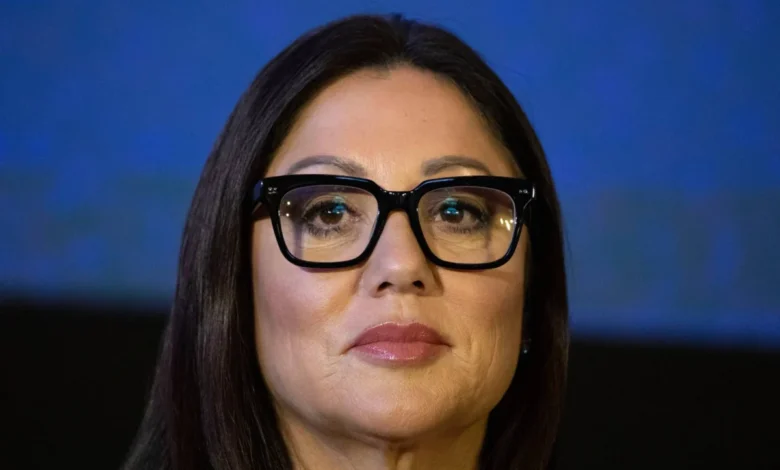
Labor Secretary Lori Chavez-DeRemer has resigned from her position, becoming the third Cabinet member, and the second woman, to step down during President Donald Trump’s second term. Her departure follows a series of misconduct allegations that have cast a shadow over her tenure at the Department of Labor. White House communications director Steven Cheung confirmed Chavez-DeRemer’s exit on Monday, stating she would be transitioning to a role in the private sector.
"Labor Secretary Lori Chavez-DeRemer will be leaving the Administration to take a position in the private sector," Cheung announced. He further commended her service, adding, "She has done a phenomenal job in her role by protecting American workers, enacting fair labor practices, and helping Americans gain additional skills to improve their lives." Keith Sonderling has been appointed as the acting secretary of the Department of Labor.
In a statement released on X, formerly Twitter, Chavez-DeRemer expressed her gratitude to President Trump and reiterated her intention to pursue opportunities in the private sector. "At the Department of Labor, I am proud that we made significant progress in advancing President Trump’s mission to bridge the gap between business and labor and always put the American worker first," she stated. She highlighted several key achievements during her tenure, including the creation of new pathways to "mortgage-paying jobs," preparing workers for the "age of AI," efforts to "lower prescription drug costs," and promoting "retirement security."
However, Chavez-DeRemer’s departure comes after months of scrutiny stemming from an investigation launched in January by the Department of Labor’s Inspector General, Anthony D’Esposito. The probe was initiated in response to allegations that the Secretary was involved in a sexual relationship with a subordinate who was a member of her security detail. This investigation has been a central factor in the growing pressure for her resignation.
The fallout from these allegations has extended to other members of Chavez-DeRemer’s staff. In March, two of her top aides resigned following an investigation into accusations of "travel fraud." These individuals were reportedly involved in organizing work events for the Labor Secretary that were allegedly used as a pretext for personal travel, raising questions about the misuse of public resources and official positions.
Further complicating the situation, The New York Times reported earlier this year that Chavez-DeRemer’s husband, Dr. Shawn DeRemer, had been banned from the Department of Labor’s headquarters. This ban followed reports from two female staff members who alleged that he had sexually assaulted them. These claims were reportedly uncovered as part of the broader internal investigation into misconduct allegations against Secretary Chavez-DeRemer and her senior staff, according to The Times.
A Timeline of Allegations and Departures
The series of events leading to Secretary Chavez-DeRemer’s resignation can be traced back to early in the year, with the Inspector General’s probe into alleged misconduct.
- January 2024: The Department of Labor’s Inspector General launches an investigation into allegations of a sexual relationship between Secretary Lori Chavez-DeRemer and a member of her security team.
- March 2024: Two senior aides to Secretary Chavez-DeRemer resign following an investigation into alleged "travel fraud," suggesting a pattern of questionable conduct within the department’s leadership.
- Early 2024 (reported): The New York Times breaks the story detailing allegations of sexual assault against Secretary Chavez-DeRemer’s husband, Dr. Shawn DeRemer, by two female staff members, leading to his ban from the Department of Labor headquarters. These allegations are also reportedly part of the Inspector General’s investigation.
- [Date of original article, inferred to be recent]: Secretary Lori Chavez-DeRemer announces her resignation, citing a move to the private sector.
Background and Broader Context
President Trump’s second term, while still in its early stages, has already seen a significant turnover in his Cabinet. The departure of Secretary Chavez-DeRemer brings the number of Cabinet-level officials who have stepped down to three. This level of attrition in a short period can signal instability within an administration and raise questions about the vetting process for high-level appointments and the internal culture of the departments.
The Department of Labor plays a crucial role in overseeing labor laws, workplace safety, unemployment benefits, and job training programs. The effectiveness and integrity of this department are vital for the economic well-being of American workers. Allegations of misconduct, particularly those involving sexual harassment and misuse of public funds, can erode public trust and undermine the department’s ability to carry out its mission.
The "travel fraud" allegations, in particular, point to potential ethical breaches and a possible disregard for taxpayer money. When senior officials or their staff engage in activities that appear to be for personal gain under the guise of official business, it raises serious concerns about accountability and transparency. The Inspector General’s office plays a critical oversight role in investigating such allegations, and their findings often form the basis for disciplinary actions or resignations.
The allegations against Secretary Chavez-DeRemer’s husband, Dr. Shawn DeRemer, are particularly disturbing. Accusations of sexual assault within the workplace are grave matters that require thorough investigation and decisive action. The fact that these allegations were reportedly part of the same internal investigation that looked into the Secretary’s conduct suggests a potential interconnectedness of the issues and a broader concern for the work environment within the department.
Supporting Data and Potential Implications
While specific quantitative data directly related to the misconduct allegations is not publicly available due to the ongoing nature of investigations and privacy concerns, the qualitative impact of such allegations can be significant.
- Erosion of Public Trust: High-profile resignations due to misconduct can damage public confidence in government institutions. When allegations involve sexual harassment or financial impropriety, the impact on trust is often magnified.
- Impact on Employee Morale: For the remaining staff at the Department of Labor, such allegations can create a climate of uncertainty and distrust, potentially affecting morale and productivity.
- Disruption of Policy Implementation: A change in leadership, especially one preceded by controversy, can lead to a temporary disruption in the implementation of departmental policies and initiatives. While acting secretaries aim to ensure continuity, a permanent replacement often brings a new strategic direction.
- Increased Scrutiny: The departures and ongoing investigations will likely lead to increased scrutiny of the Department of Labor by Congress, the media, and watchdog groups. This heightened oversight could potentially lead to more stringent regulations or compliance measures.
Official Responses and Reactions
The White House, through communications director Steven Cheung, has presented a narrative of a voluntary departure for private sector opportunities, emphasizing Secretary Chavez-DeRemer’s perceived successes. This is a common communication strategy following resignations, aiming to control the public perception and minimize negative fallout.
Secretary Chavez-DeRemer’s own statement on X reflects a similar effort to frame her departure positively, highlighting her contributions to the administration’s goals. Her focus on job creation, worker skills, and cost reduction aims to leave a legacy of accomplishment.
However, the statements from the White House and the Secretary do not directly address the specific allegations of misconduct that have been widely reported. This silence on the contentious details is typical in such situations, as administrations often avoid engaging in public defense or detailed refutation of unproven allegations, especially when an investigation is involved.
It is reasonable to infer that various stakeholders, including labor unions, industry groups, and congressional members from both parties, will be closely monitoring the situation. Labor unions, in particular, often have a vested interest in the integrity and effectiveness of the Department of Labor and may issue statements expressing concern or calling for accountability. Industry groups, while focused on business interests, also rely on the department for guidance on labor regulations and may be concerned about the stability of leadership. Congressional oversight committees will likely continue their examination of the department’s operations and personnel matters.
Broader Impact and Implications for the Administration
The resignation of Lori Chavez-DeRemer, occurring amidst allegations of sexual misconduct and financial impropriety within her department, presents a significant challenge for President Trump’s administration. It adds to a pattern of Cabinet turnover that can be interpreted as a sign of instability or internal discord.
The nature of the allegations—sexual misconduct and travel fraud—touches upon sensitive issues of ethics, personal conduct, and the responsible use of public resources. These are areas where public trust is paramount, and any perceived lapse can have a lasting negative impact on the administration’s reputation.
For President Trump, who has often emphasized his commitment to law and order and ethical governance, these developments could be particularly damaging. The constant churn in his Cabinet and the recurring controversies surrounding appointments can fuel narratives of disarray and a lack of managerial control.
The appointment of Keith Sonderling as acting secretary will be a critical juncture. His ability to navigate the ongoing investigations, restore confidence within the Department of Labor, and ensure the continuity of essential services will be closely watched. The long-term implications will depend on the administration’s ability to fill the vacancy with a credible and effective leader and to demonstrate a commitment to upholding the highest ethical standards within all branches of government. The events surrounding Secretary Chavez-DeRemer’s resignation underscore the ongoing importance of robust oversight mechanisms and a culture of accountability within federal agencies.