
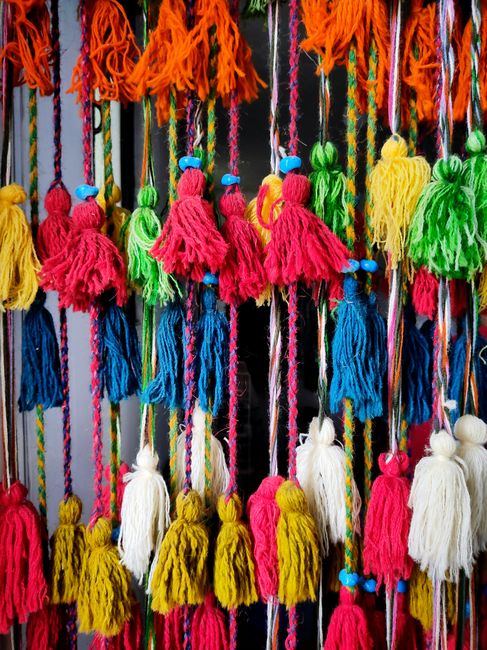
DIY Yarn Tassel Ghost Garland: A Spooktacularly Easy Halloween Craft
Creating a charming and festive Halloween atmosphere doesn’t require elaborate skills or expensive materials. The DIY Yarn Tassel Ghost Garland is a testament to this, offering a simple yet highly effective decorative solution for any home. This project is perfect for crafters of all levels, from absolute beginners to seasoned enthusiasts, and its versatility allows for customization to match any existing decor. The beauty of this garland lies in its simplicity: soft yarn is transformed into whimsical ghost shapes, strung together to create a playful and inviting display. This article will guide you through every step of the process, from selecting the ideal yarn to finishing your garland, providing SEO-friendly keywords and tips throughout to ensure your crafting adventure is both successful and discoverable.
The foundational element of your yarn tassel ghost garland is, of course, the yarn. For a classic ghost aesthetic, white yarn is the undisputed champion. However, don’t feel limited by tradition! Consider incorporating varying shades of white, cream, or even very pale grey for a more nuanced and sophisticated look. For a more playful or modern twist, experiment with other colors that complement your Halloween theme. Think soft pastels like blush pink or mint green for a "boo-tiful" and less traditional approach, or even darker hues like charcoal or deep purple if you’re aiming for a more gothic or mysterious vibe. The weight of the yarn also plays a significant role. Medium-weight yarns, often labeled as "worsted weight" or "aran weight," are ideal for this project. They provide enough body to hold their shape as ghosts without being too bulky, making them easy to work with and resulting in a visually appealing tassel. Avoid extremely fine yarns, as they can be fiddly and may not create the desired fullness for the ghost effect. Similarly, super bulky yarns can overwhelm the delicate ghost shape. Natural fibers like cotton or wool offer a lovely texture and drape, but acrylic yarns are an excellent budget-friendly and durable option, often coming in a vast array of colors and being machine washable, which is a practical advantage for seasonal decor. When selecting your yarn, also consider its texture. A smooth yarn will result in sleek, clean-lined ghosts, while a slightly fuzzy or textured yarn can add an extra layer of visual interest and a more rustic charm. Ensure you have enough yarn; it’s always better to have a little extra than to run out mid-project, especially if you plan to make your ghosts larger or your garland longer.
The tools required for this project are minimal, making it accessible to anyone with basic crafting supplies. You will need a pair of sharp scissors. The sharpness of your scissors is crucial for clean, crisp cuts of the yarn, which directly impacts the finished appearance of your tassels. Dull scissors can lead to frayed edges and a messy look. Next, you’ll need a method for creating consistent tassel loops. While you can use your hand, a sturdy piece of cardboard or a dedicated tassel maker will ensure uniformity. A piece of cardboard measuring approximately 4-6 inches in width is perfect for creating a substantial ghost tassel. You can cut this to any desired length, but this range typically yields a good-sized ghost. Alternatively, a tassel maker, available at most craft stores, offers pre-set sizes and can expedite the process if you’re making many garlands or plan to create them regularly. Finally, you will need a sturdy string or cord for threading your ghost tassels. This could be twine, baker’s twine, cotton cord, or even a strong embroidery floss, depending on the desired aesthetic and the weight of your yarn tassels. The color of your threading string can also be a design element; natural twine offers a rustic feel, while black or white can blend seamlessly or provide a contrasting pop.
The process of creating each individual yarn tassel ghost begins with preparing your yarn loops. If using a cardboard template, wrap the yarn around the width of the cardboard repeatedly. The more times you wrap the yarn, the fuller and denser your ghost tassel will be. Aim for at least 50-75 wraps for a good starting point. Once you have achieved your desired thickness, carefully slide the yarn off the cardboard, holding it securely to prevent the loops from unraveling. Alternatively, if using a tassel maker, follow the manufacturer’s instructions for wrapping the yarn. The next critical step is to create the "neck" of your ghost. Take a separate piece of yarn and tie it very tightly around the bundle of wrapped yarn, approximately 1-1.5 inches from one end. This tightly tied section will form the top of your ghost’s head. Ensure this knot is exceptionally secure, as it bears the weight of the entire tassel. Double-knotting is highly recommended. This is where the ghost’s "head" is defined, so position it carefully to create a pleasing shape.
After securing the neck, it’s time to transform the remaining loops into the ghost’s flowing "body." Using your sharp scissors, carefully cut through all the loops at the opposite end from where you tied the neck. Hold the yarn bundle firmly while cutting to prevent it from slipping. You will now have a cluster of yarn strands hanging from the secured neck. This is the basic tassel shape. To achieve the classic ghost look, you’ll need to trim the yarn strands to create a slightly rounded or pointed bottom edge, mimicking the ethereal trail of a ghost. Experiment with different trimming styles. A gentle, curved cut can create a soft, flowing appearance, while a more pronounced point can give a slightly more menacing or dramatic effect. You can also opt for a straight cut across the bottom for a simpler, more stylized ghost. For added detail and to enhance the ghost-like illusion, you can selectively trim some strands shorter than others to create a wispy, ethereal effect. This is where your creativity can truly shine. Consider trimming the bottom in a way that suggests movement or a spectral presence. After the initial trim, gently shake out the tassel to let the strands settle. You may need to go back and make minor adjustments to the trimming for symmetry and desired shape.
Once you have created a satisfactory ghost tassel, you will need to prepare it for stringing. The secure knot you created for the neck will serve as the attachment point. You can either create a loop at the top of this knot by tying another piece of yarn around it, or you can thread your garland string directly through the knot itself. For a more secure and visually tidy attachment, creating a loop is often preferred. Tie a small, sturdy loop of yarn, twine, or embroidery floss around the existing neck knot. This loop will serve as the hanger for your ghost. Ensure this loop is strong enough to support the weight of the tassel. The size of the loop can be adjusted depending on how you want to attach it to your garland string.
The assembly of your yarn tassel ghost garland is where all your individual ghost creations come together to form the final decorative piece. Begin by cutting your chosen garland string to your desired length. It’s always a good idea to cut it longer than you think you’ll need, as you can always trim excess later. You will then need to attach your first ghost tassel. Thread your garland string through the loop you created at the neck of the ghost. You can then tie a knot on either side of the loop to secure the ghost in place, preventing it from sliding along the string. Alternatively, if you are using a very fine string and a very tight neck knot on your tassel, you might be able to thread the string directly through the neck knot without a separate loop, though this is generally less secure. Space your ghost tassels evenly along the garland string. The spacing is a critical design choice. Closer spacing will create a denser, fuller garland, while wider spacing will result in a more minimalist and airy look. Consider the visual impact you want to achieve. For a classic Halloween look, spacing them about 3-5 inches apart is a good starting point. You can also vary the spacing for a more organic and dynamic feel. Continue to attach each ghost tassel, ensuring they are all facing the same direction for a cohesive appearance, or mix it up for a more whimsical effect.
To add even more personality and Halloween spirit to your yarn tassel ghost garland, consider incorporating optional embellishments. Googly eyes are a classic choice for giving your ghosts a more animated and playful look. You can glue them directly onto the "head" area of the ghost. Use strong craft glue or fabric glue to ensure they adhere securely. The placement and size of the googly eyes can drastically alter the ghost’s expression, from surprised and cheerful to mischievous and spooky. Black felt or cardstock can also be cut into small circles or ovals and glued on as eyes, offering a more sophisticated or monochrome aesthetic. For a touch of glamour or a different texture, small sequins or beads can be added as eyes. Another creative embellishment option is to add small, black yarn "mouths." You can embroider a simple curve or a tiny V-shape onto the ghost’s face using black embroidery floss. This adds a subtle but effective detail that enhances the character of each ghost. For a truly unique garland, consider adding small, felt "hats" or "bows" to some of your ghosts, or even incorporating other small, themed charms or beads along the garland string between the ghost tassels.
The final steps involve finishing your yarn tassel ghost garland and preparing it for display. Once all your ghost tassels are attached and any embellishments are in place, carefully inspect the entire garland. Trim any stray yarn strands that may have escaped the initial trimming process. Ensure all knots are secure and that the garland has a pleasing drape. If you are unsatisfied with the length of your garland, now is the time to trim the excess string. You may also want to tie loops at each end of the garland string to facilitate hanging. These loops can be made from the same string you used for the garland, or from a contrasting material for added visual interest. Consider how you plan to hang your garland. Will it be draped across a mantelpiece, strung across a doorway, or hung along a wall? The hanging method will influence how you finish the ends of your garland. For instance, if you are using command hooks, simple loops at the end will suffice. If you are tying it to existing fixtures, you might want to create more substantial knots or loops.
The SEO value of this DIY project is considerable, as "DIY Halloween decorations," "easy yarn crafts," "ghost garland," and "tassel making" are all popular search terms. By incorporating these keywords naturally throughout the article, we enhance its discoverability for individuals seeking inspiration and instructions for their Halloween crafting endeavors. The detailed instructions, emphasis on simple materials, and creative customization options make this project highly appealing to a broad audience. Furthermore, the term "easy" is a significant draw for beginners or those with limited time. "Spooktacular" adds a thematic and engaging element that resonates with the Halloween spirit. Highlighting the "no-sew" aspect, if applicable to your method, is also a powerful SEO driver for those seeking no-fuss crafts. Offering variations in yarn colors and embellishments caters to diverse search queries and increases the likelihood of users finding exactly what they are looking for. The comprehensive nature of this guide, from material selection to final touches, ensures users can find all the information they need in one place, promoting longer engagement times and further boosting SEO performance.
When it comes to displaying your finished yarn tassel ghost garland, the possibilities are as numerous as the spooky spirits it represents. Drape it across your fireplace mantel for a classic, cozy Halloween focal point. String it across a doorway or window to greet trick-or-treaters with a friendly spectral welcome. Hang it along a wall as part of a larger Halloween vignette. It can also be used to decorate shelves, banisters, or even a child’s bedroom. For a more whimsical touch, consider intertwining it with fairy lights to add a magical, glowing effect. The softness of the yarn and the playful nature of the ghost shapes make this garland suitable for a wide range of Halloween aesthetics, from charming and cute to subtly spooky. You can group multiple garlands together to create a dramatic display or use single garlands to add a festive accent to smaller spaces. The versatility of this DIY project ensures that your yarn tassel ghost garland will be a beloved part of your Halloween decor for years to come. Remember to store your garland carefully after the season to preserve its shape and appearance for future use. This simple yet effective craft offers a delightful way to infuse your home with Halloween spirit without breaking the bank or requiring advanced crafting skills. The joy of creating something beautiful and festive with your own hands is a rewarding experience, and this yarn tassel ghost garland is a perfect example of that sentiment.

