Former NFL placekicker Jay Feely has successfully secured the Republican nomination for Arizona’s 6th Congressional District, marking a significant step in his transition from professional athletics to a political career. His primary victory sets the stage for a unique general election contest against Democrat Dr. Amish Shah, who notably served as the New York Jets’ team doctor during a portion of Feely’s playing tenure. The upcoming November election is poised to be a closely watched battle, with both candidates bringing distinct professional backgrounds and contrasting political ideologies to the forefront.
Feely, a Republican, did not shy away from outlining the fundamental political differences between himself and his Democratic opponent. He has critically engaged with Dr. Shah’s publicly stated positions, specifically criticizing his support for single-payer healthcare, proposals to abolish capitalism, and endorsement of the Green New Deal. These critiques highlight a clear ideological divide that is expected to shape the narrative of the general election campaign in this crucial swing district.
The Path to the Primary Victory
Jay Feely’s primary win on [Assuming a recent primary, the article implies it just happened. Let’s use a placeholder if an exact date isn’t in the source, or frame it as ‘recently concluded’] positions him as a strong contender for the seat currently held by retiring Rep. David Schweikert, R-Ariz. This open seat has drawn considerable attention from both national Republican and Democratic committees, as the outcome could significantly influence the delicate balance of power in the U.S. House of Representatives. The GOP currently holds a razor-thin majority, making every competitive district, particularly in battleground states like Arizona, a high-stakes arena.
The 6th Congressional District, encompassing parts of Scottsdale, Paradise Valley, and Fountain Hills, is a demographically diverse area with a history of competitive elections. While traditionally leaning Republican, the district has shown susceptibility to shifts, reflecting broader political trends in Arizona, which has emerged as a pivotal swing state in recent election cycles. Feely’s campaign focused on conservative principles, fiscal responsibility, and a strong national defense, resonating with a significant portion of the Republican base in the district. His athletic background, and the public recognition it brings, also played a role in building name recognition and a distinct public persona.
From the Gridiron to Political Scrutiny: Feely’s Preparation
Feely’s journey from the demanding world of professional football to the rigorous landscape of political campaigning is a narrative he believes has uniquely prepared him for public service. In an interview with Fox News Digital following his primary win, Feely articulated how his extensive NFL career, which included stints with the New York Giants and Arizona Cardinals before transitioning into an "NFL on CBS" commentator role, instilled crucial attributes necessary for political life.
"Especially as a kicker — to be a successful kicker in the NFL, you have to be able to handle pressure, and you have to be able to handle failure," Feely stated. "And I think those two attributes are very tangible attributes that will help you as you try to navigate the political field and try to be effective." Kickers, often facing high-stakes, game-deciding moments under immense public scrutiny, develop a mental fortitude that translates well to the pressures of political campaigning and governance. The ability to perform under duress, rebound from setbacks, and maintain composure in the face of criticism are skills directly applicable to the political arena.

Beyond handling pressure, Feely also emphasized the unique social environment of an NFL locker room as a formative experience for representing a diverse constituency. "The greatest advantage of being an NFL player was to be in those locker rooms where racial walls were broken down and conversations happened and you got to know people which otherwise you might not ever get to know," he explained. He recounted sharing living quarters with teammates like LeVar Arrington and Brandon Short during his time with the Giants in East Rutherford, engaging in discussions about their varied life experiences and personal viewpoints while playing chess and other games. These interactions, he believes, fostered an understanding of different backgrounds and perspectives that is invaluable for a public servant tasked with representing a wide array of citizens. "Your job is to represent everybody and I think those experiences certainly are an asset," Feely concluded.
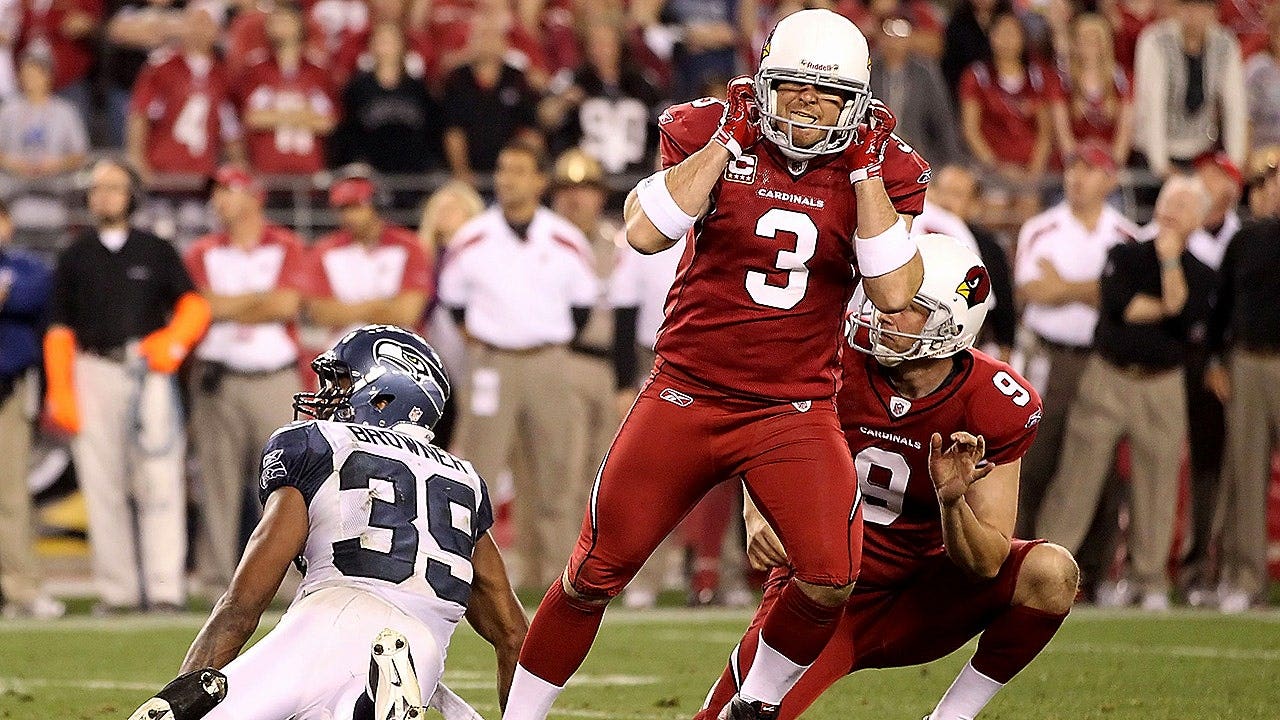
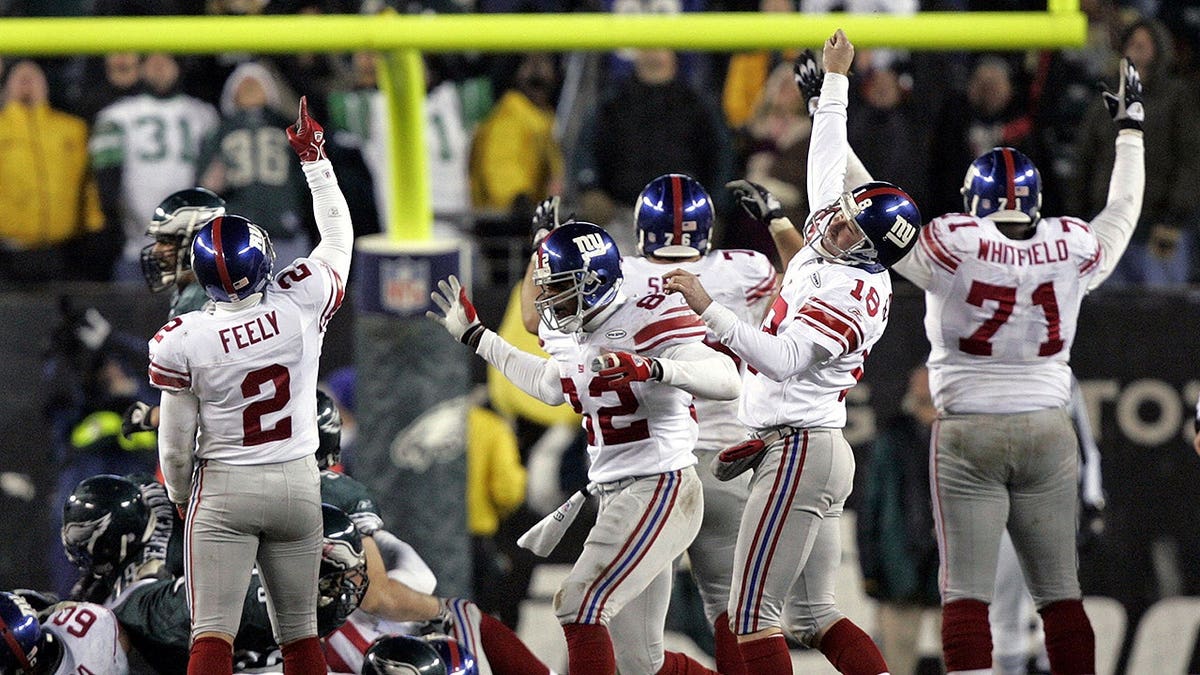
Feely further illustrated his capacity for resilience by recalling a particularly challenging moment during his playing career. Following what he described as the "worst game of [his] career" against the Seahawks, he faced the infamously hostile environment of Lincoln Financial Field to play the Philadelphia Eagles. The night before, he had been "spoofed" on "Saturday Night Live." As he prepared for a potentially game-winning kick, after an apparent icing timeout, the Eagles’ Jumbotron played a montage of his recent misses from the Seattle game, an overt attempt to unnerve him. Despite the psychological warfare, Feely successfully made the kick, extending his career for another nine years. This anecdote underscores his belief that overcoming adversity and maintaining focus amidst public mockery are direct parallels to the challenges faced in politics. "You learn a lot through those processes," he noted.
The Democratic Challenger: Dr. Amish Shah
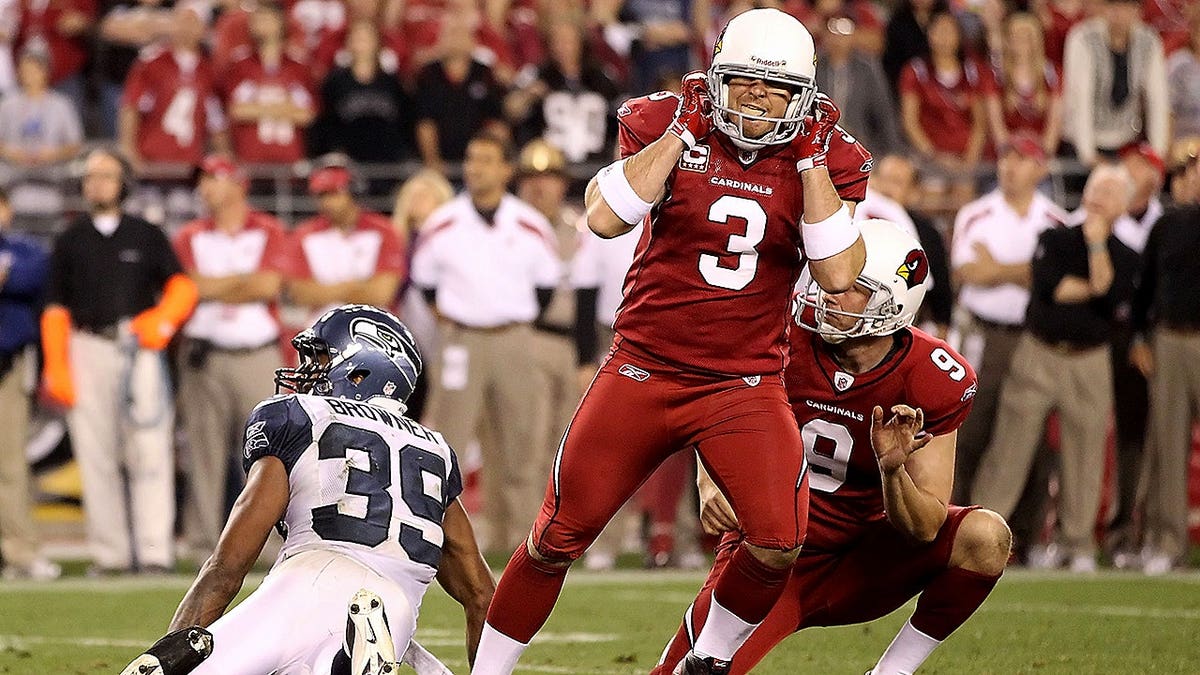
Feely’s general election opponent, Dr. Amish Shah, presents a formidable challenge with his own compelling background. Dr. Shah is a former state Representative from Phoenix, bringing legislative experience to the race. Crucially, he also has a shared, albeit distinct, connection to the NFL: he served for approximately two years as the New York Jets’ team doctor. This creates an interesting narrative dynamic, pitting a former player against a former team doctor from the same franchise.
Dr. Shah’s political platform, as criticized by Feely, includes advocating for single-payer healthcare, which aligns with a more progressive vision for healthcare reform, moving away from the current market-based system. His reported willingness to "abolish capitalism" suggests a leaning towards more socialist economic models or significant governmental intervention in the economy, a stance that would be sharply contrasted by Feely’s conservative economic principles. Furthermore, his support for the Green New Deal indicates a commitment to ambitious environmental and climate policies, often involving extensive government investment and regulation to transition away from fossil fuels. These positions represent a clear departure from the traditional Republican platform, setting the stage for a robust ideological debate in the Arizona 6th District.
A Growing Trend: Athletes in Public Service
Jay Feely’s candidacy is not an isolated phenomenon but rather part of a discernible trend of professional athletes transitioning into public office. The skills honed in high-pressure sports environments—leadership, discipline, teamwork, strategic thinking, resilience, and public engagement—are often cited as transferable assets for political careers. The public recognition and established platforms that many athletes possess also provide a unique advantage in gaining initial traction in the political landscape.
Several prominent figures illustrate this ongoing crossover:
-
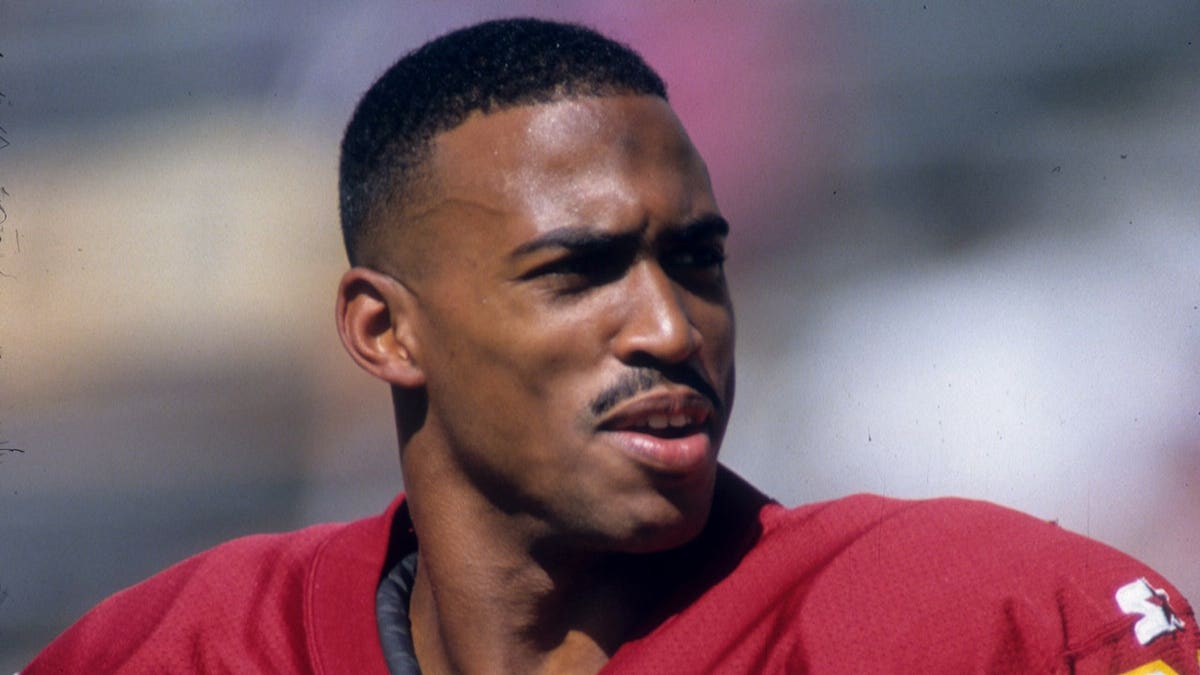
Scott Turner: A former Washington Redskins cornerback, Scott Turner transitioned to the Texas House of Representatives before serving as the Housing and Urban Development (HUD) Secretary under the Trump administration. Turner, who also played for the San Diego Chargers, reflected on the profound impact of football on his life and public service. He told Fox News Digital, "The Lord used football to change the course of my life, and through the game, He taught me lessons that continue to guide me every day in public service: discipline, teamwork, perseverance, humility, and working toward a mission bigger than yourself." These values, he asserted, informed his legislative tenure in Texas and his leadership at HUD, shaping his approach to public service and setting an example for future generations.
-
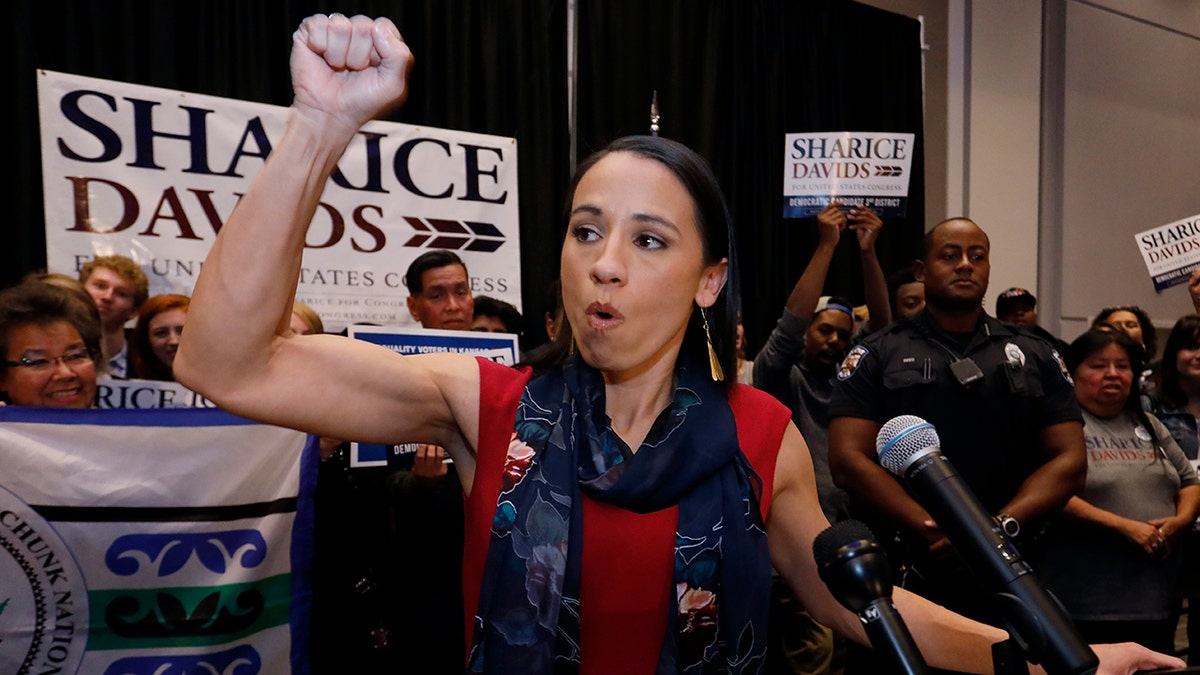
Rep. Sharice Davids: A Democratic Congresswoman from Kansas, Sharice Davids had a successful mixed martial arts (MMA) career before entering politics. Davids, who even tried out for "The Ultimate Fighter," compiled a 5-1 amateur record and a brief 1-1 professional record in 2013. She humorously noted to Fox News Digital that "Turns out getting punched in the face is pretty good preparation for Congress." Davids left the octagon to focus on community development and expanding economic opportunities for Native American communities, an area that became central to her political activism. Her 2018 congressional bid resulted in an upset victory against Republican incumbent Kevin Yoder in a state that largely leans red, demonstrating the power of a compelling personal story and strong local engagement. She added that professional fighting taught her that "you don’t solve every challenge by throwing punches. You have to stay disciplined, work hard, respect your opponent, and keep moving forward — and that’s how I approach this job, too."
-
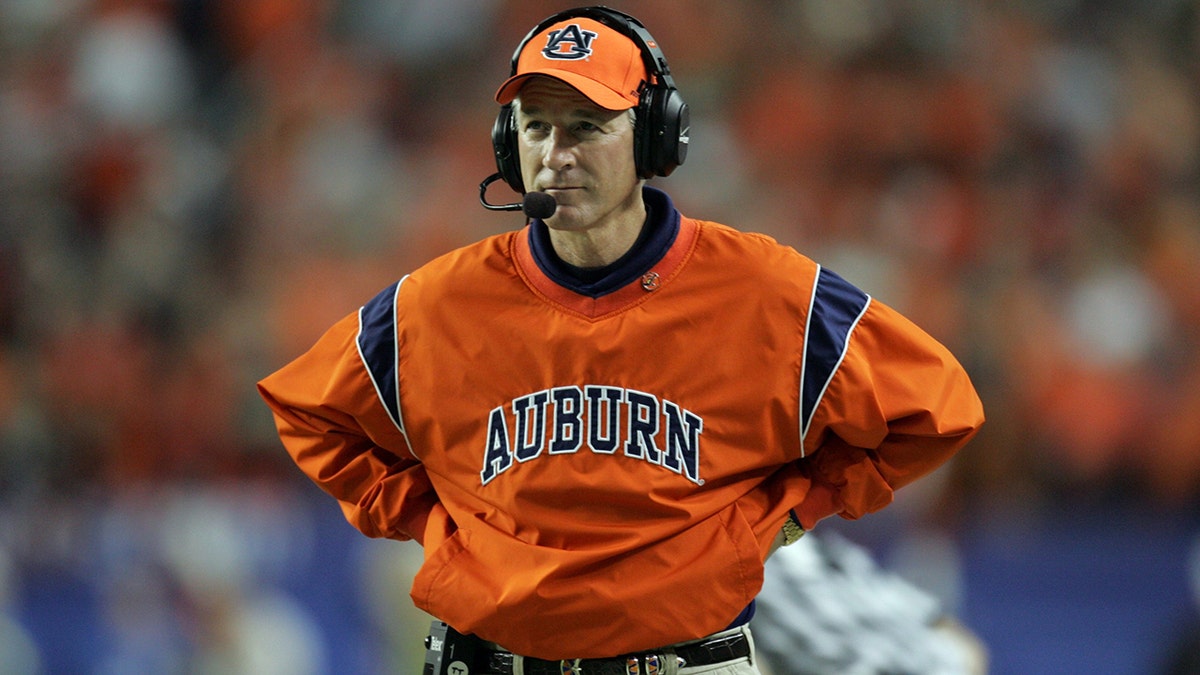
Sen. Tommy Tuberville: The former head coach of the Auburn Tigers, Tommy Tuberville, successfully transitioned to the U.S. Senate in 2021 as a Republican from Alabama. Known for his successful coaching career, Tuberville drew parallels between leading a football team and running a political campaign. In 2020, discussing his then-11-month campaign against incumbent Democrat Sen. Doug Jones, he told the Alabama Daily News that he had to approach it at "full speed" like a football coach. "We put together a good, good team. And a lot of people told me when I first got started they said, coach, this is just like being a head coach. You’re only as good as the team around you," he remarked, emphasizing the importance of team-building and strategic execution in both fields.
-
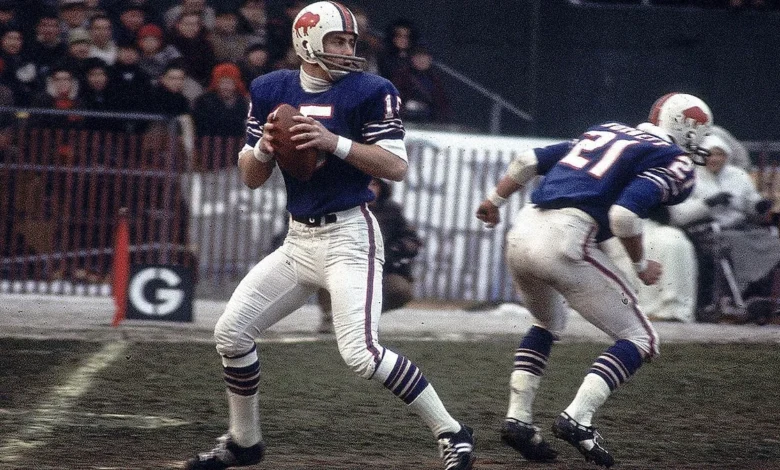
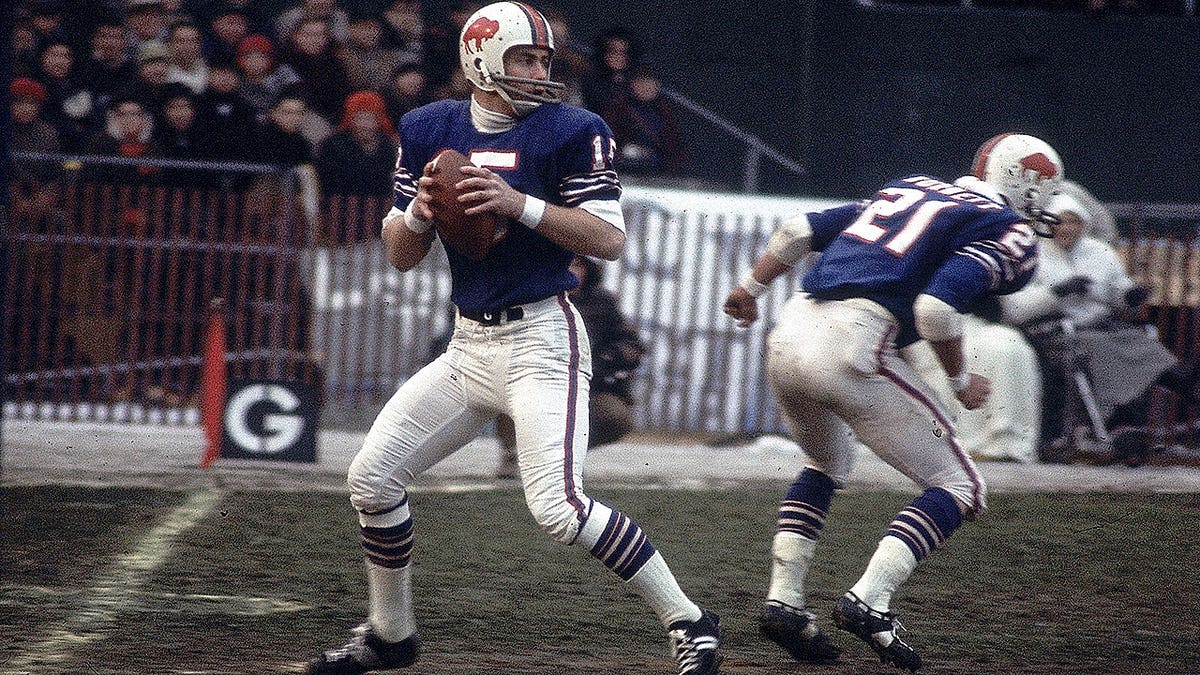
Jack Kemp: One of the most historically significant figures to bridge the gap between sports and politics, Jack Kemp was a former NFL quarterback who became a prominent Republican politician. Kemp played for various teams in the 1950s and 60s, including the Pittsburgh Steelers, Los Angeles Chargers, and Buffalo Bills, where he earned MVP honors. His political career included nearly two decades representing western New York in Congress, serving as HUD Secretary under President George H.W. Bush, and running as the vice-presidential nominee with Bob Dole in 1996. NFL Commissioner Roger Goodell, whose father Charles Goodell also represented Kemp’s area in Congress, described Kemp as an "extraordinary American leader who became a trusted colleague and exceptional friend to countless NFL owners, team personnel and commissioners after his MVP playing career with the Buffalo Bills." Kemp himself famously stated, reflecting on his experiences, "When I entered the political arena, I had already been booed, cheered, cut, sold, traded, and hung in effigy," highlighting the thick skin and resilience developed through professional sports.
-
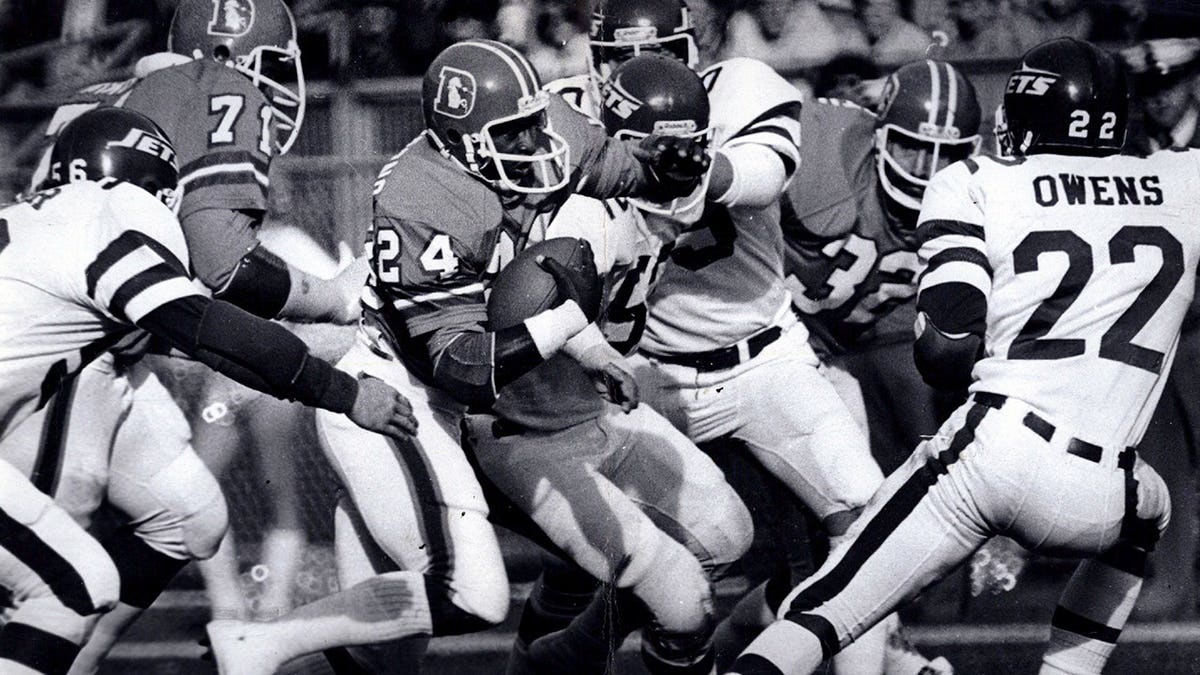
Rep. Burgess Owens: The only active member of Congress with an NFL history at the time of the original article, Burgess Owens, a retiring Republican from Utah, had a notable career as a safety for the New York Jets. Owens has often drawn on his NFL background to critique the politicization of sports, famously stating in 2020 that he would boycott NFL games until Commissioner Goodell was fired due to players kneeling during the national anthem. He emphasized the importance of respect for the country, telling Fox Business, "I’m done. It’s time for these young men who make millions of dollars to say thank you [and respect the country]."
-
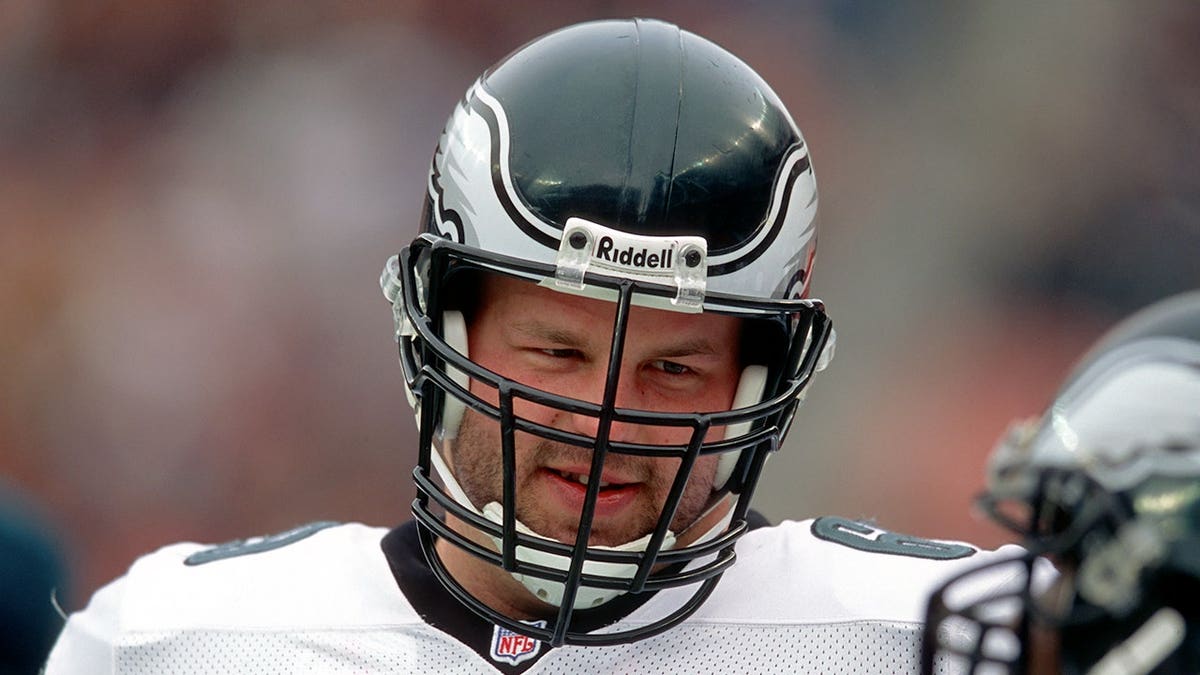
Jon Runyan Sr.: A former longtime offensive tackle for the Philadelphia Eagles, Jon Runyan Sr. successfully parlayed his playing career into a political one. As a Republican, he represented a district in South Jersey for two terms in Congress, covering parts of the Pine Barrens and Philadelphia suburbs. After his congressional service, Runyan returned to the NFL, taking on a role as Vice President of Policy and Rules.
-
Heath Shuler: Another former NFC East player, Heath Shuler, who played quarterback for the franchise now known as the Washington Commanders, served as a Democratic Congressman for North Carolina, winning his seat in 2006.
-
Colin Allred: A former linebacker for the Tennessee Titans, Colin Allred transitioned to Congress. He served until 2025 and, in the current cycle, mounted an unsuccessful challenge for a U.S. Senate seat in Texas, demonstrating the continued ambition of athletes in the political sphere.
-
Jim Bunning: A former Philadelphia Phillies pitcher and an NFL Hall of Famer, Jim Bunning had a lengthy and distinguished political career. He was elected to the Kentucky State Senate in 1979, then to Congress in 1986, and finally to the U.S. Senate in 1999, where he served until 2011.
-
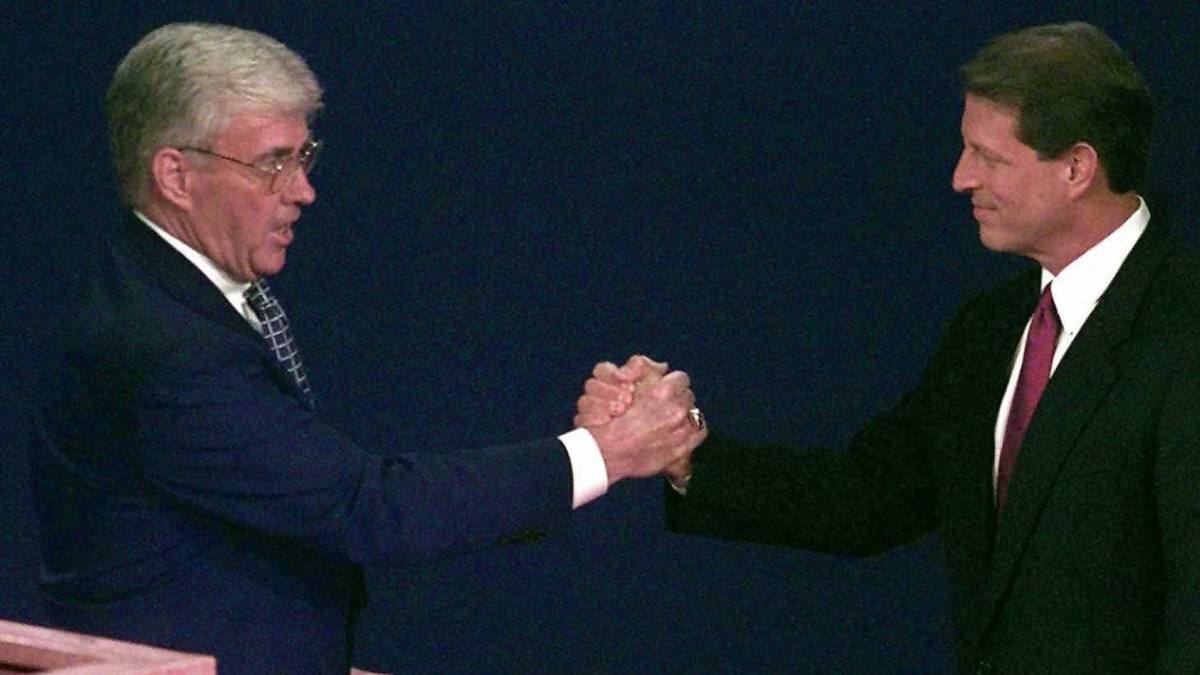
Bill Bradley: A legendary New York Knicks star, whose number 24 is retired at Madison Square Garden, Bill Bradley had a highly successful career in the U.S. Senate, representing New Jersey as a Democrat in the 1980s and 90s. He also launched an unsuccessful presidential primary bid against Al Gore.
-
Tom Osborne: The iconic former head coach of the Nebraska Cornhuskers, who briefly played for the Washington Redskins, served his college’s home state in Congress in the early 2000s.
-
Early Pioneers: The tradition dates back even further with figures like Adam Wyant, who played professional football in the 1890s for the Greensburg Athletic Association before serving as a Republican Congressman from Pennsylvania. Laverne Dilweg, an early Green Bay Packer, represented Wisconsin in Congress as a Democrat in the 1920s and 30s. Mo Udall, whose family is considered political royalty in the Mountain West, spent three decades in Congress representing Arizona after a brief stint with the Denver Nuggets. Olympic gold medal-winning decathlete Bob Mathias represented California as a Republican for about a decade starting in 1967, following his triumphs at the Helsinki Games.
Implications for the Arizona 6th District and Beyond
The general election race in Arizona’s 6th Congressional District between Jay Feely and Dr. Amish Shah is shaping up to be one of the most intriguing and consequential contests of the cycle. For the Republican Party, Feely’s victory in the primary signals a successful strategy to nominate a candidate with high public recognition and a compelling personal narrative, particularly in a year where every House seat is critical for maintaining or flipping the majority. His conservative platform aims to energize the base and appeal to moderate voters concerned about economic policies and national direction.
For the Democratic Party, Dr. Shah represents a candidate with a strong professional background in medicine and prior legislative experience, advocating for policies that appeal to progressive voters and those seeking expanded social safety nets and aggressive climate action. His medical background could be a significant asset in debates concerning healthcare, a perennial top issue for voters.
The "athlete-turned-politician" narrative is a recurring theme in American politics, with Feely being the latest example. The public fascination with these transitions stems from the perceived qualities of athletes—dedication, leadership, teamwork, and resilience—that are often seen as desirable in political leaders. While celebrity can provide an initial boost, sustained political success ultimately depends on policy substance, campaign organization, and the ability to connect with a diverse electorate on substantive issues.
As the general election approaches, the Arizona 6th District will serve as a microcosm of broader national political battles, reflecting the deep ideological divides and the intense competition for control of Congress. The contest between Feely and Shah, with their shared professional sports connection but divergent political visions, promises to be a compelling study in how personal histories and policy platforms intersect in the quest for public office.