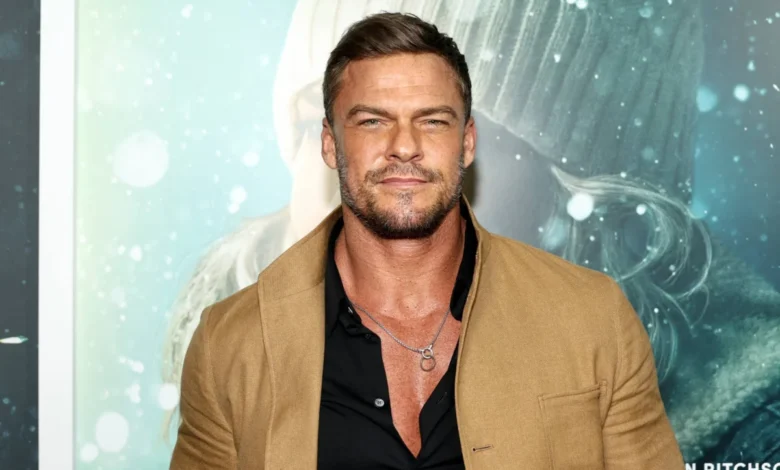
The White House issued a staunch defense of former President Donald Trump following a fiery podcast appearance by Reacher star Alan Ritchson, during which the actor leveled severe accusations against the former president concerning the ongoing release of documents related to Jeffrey Epstein. Ritchson’s remarks, characterized by expletive-laden frustration, questioned the government’s pace in disclosing the Epstein files and alluded to potential wrongdoing by those associated with the convicted sex offender, including Trump.
In a statement to Entertainment Weekly, White House spokeswoman Abigail Jackson asserted that President Trump has been "totally exonerated on anything relating to Epstein." Jackson further elaborated on the administration’s actions, stating, "And by releasing thousands of pages of documents, cooperating with the House Oversight Committee’s subpoena request, signing the Epstein Files Transparency Act, and calling for more investigations into Epstein’s Democrat friends, President Trump has done more for Epstein’s victims than anyone before him." This response directly counters Ritchson’s sentiments, framing Trump as a figure actively seeking transparency and justice for victims.
The controversy erupted following Ritchson’s guest spot on the Happy Sad Confused podcast. During the interview, the actor expressed palpable anger and impatience regarding the protracted release of the Epstein files. "The Epstein files, the fucking Epstein files!" Ritchson exclaimed. "Goddamn it! Where are they? It’s a fucking law, bitch. Show it. You fucking pedophiles!" He continued his impassioned plea, stating, "This is my fucking politics, dude. I would fucking railroad these fuckers. I would get those Epstein files out in two seconds. Fucking move out of the way. I don’t care what room they’re in, bitch, move. Give me the fucking manila envelope. I will get you the Epstein files. Don’t you want to see what’s in there, so that we can hold people accountable? These fucking rapists! We’re just cool with it?" Trump has consistently denied all rape allegations against him.
The Epstein files, a collection of court documents unsealed in recent years, pertain to the sex trafficking and abuse scandal involving financier Jeffrey Epstein, who died by suicide in a New York federal jail in August 2019 while awaiting trial on sex trafficking charges. The documents have been anticipated by the public and legal observers for their potential to reveal the extent of Epstein’s network and implicate high-profile individuals. The slow pace of their release has fueled speculation and frustration, with many demanding full accountability for those involved.
Timeline of Events and Document Releases
The saga surrounding Jeffrey Epstein and the subsequent release of associated documents has unfolded over several years. Epstein was arrested in July 2019 on charges of sex trafficking of minors. His death in custody shortly thereafter intensified public scrutiny and calls for further investigation into his associates and the circumstances of his demise.
In December 2023, a federal judge ordered the unsealing of documents related to Epstein’s associates. This order, stemming from a defamation lawsuit filed by Virginia Giuffre against Epstein’s former girlfriend Ghislaine Maxwell, led to the release of names and details concerning individuals who had connections to Epstein. The process of redacting and unsealing these documents has been complex and iterative.
The Happy Sad Confused podcast appearance by Alan Ritchson, which occurred just prior to the White House response, marked a notable moment where a prominent public figure voiced strong public sentiment regarding the perceived lack of transparency and swift action in the U.S. related to these files.
Background Context: The Epstein Scandal and Public Demand for Transparency
Jeffrey Epstein was a financier with connections to numerous influential figures across politics, business, and entertainment. His network of associates became a subject of intense public interest following his arrest and subsequent death. The ongoing release of court documents, including filings from the defamation case brought by Virginia Giuffre against Ghislaine Maxwell, has gradually revealed more about the individuals who interacted with Epstein and the alleged activities that transpired.
The public’s demand for transparency stems from a desire to understand the full scope of Epstein’s operations, identify all perpetrators and enablers of his alleged crimes, and ensure that justice is served for his victims. The slow pace of document disclosure has been attributed to various factors, including legal complexities, the need for redactions to protect privacy and ongoing investigations, and the sheer volume of information involved. However, this has also led to accusations of a cover-up or deliberate delay by some segments of the public and media.
Supporting Data and Legal Ramifications
The Epstein files are part of a broader legal and investigative process initiated following Epstein’s arrest. The unsealed documents include names of individuals who were either alleged to have participated in or been aware of Epstein’s illicit activities. While some names were previously known through media reports and court proceedings, the official unsealing provides a more direct link to the legal evidence.
In the United States, the legal ramifications of the Epstein scandal have primarily revolved around the prosecution of Ghislaine Maxwell, who was convicted in December 2021 on charges of sex trafficking and conspiracy. She was sentenced to 20 years in prison. Several other individuals have faced charges or investigations related to Epstein’s network. However, as noted in the original report, despite significant legal and political fallout in other countries, particularly the U.K., since the files began being released in 2025 and 2026, there have been no further major arrests in the U.S. directly linked to the newly unsealed documents to date. This lack of further significant U.S. action contributes to the frustration expressed by figures like Ritchson.
Broader Impact and Implications
Alan Ritchson’s vocal criticism highlights a segment of public opinion that feels the U.S. legal and political systems have been too slow and perhaps too lenient in addressing the Epstein scandal. His use of strong language, while controversial, reflects the depth of emotion and urgency felt by many who believe a comprehensive reckoning is overdue.
The White House’s swift response, on the other hand, indicates a strategic effort to control the narrative and defend the former president against accusations that could resurface or gain traction as more information becomes public. By emphasizing Trump’s actions in supporting the release of documents and calling for further investigations, the administration aims to position him as a proactive figure rather than one complicit in any wrongdoing.
The ongoing unsealing of the Epstein files continues to be a significant news event, with the potential to reveal further details about the extent of Epstein’s network and the individuals involved. The public’s demand for transparency and accountability remains high, and the differing perspectives on the pace and nature of these disclosures underscore the sensitive and complex socio-political landscape surrounding the scandal. The involvement of a well-known actor like Ritchson in voicing these concerns brings a heightened level of public attention to the issue, amplifying the ongoing debate about justice, accountability, and the role of powerful individuals in such scandals.