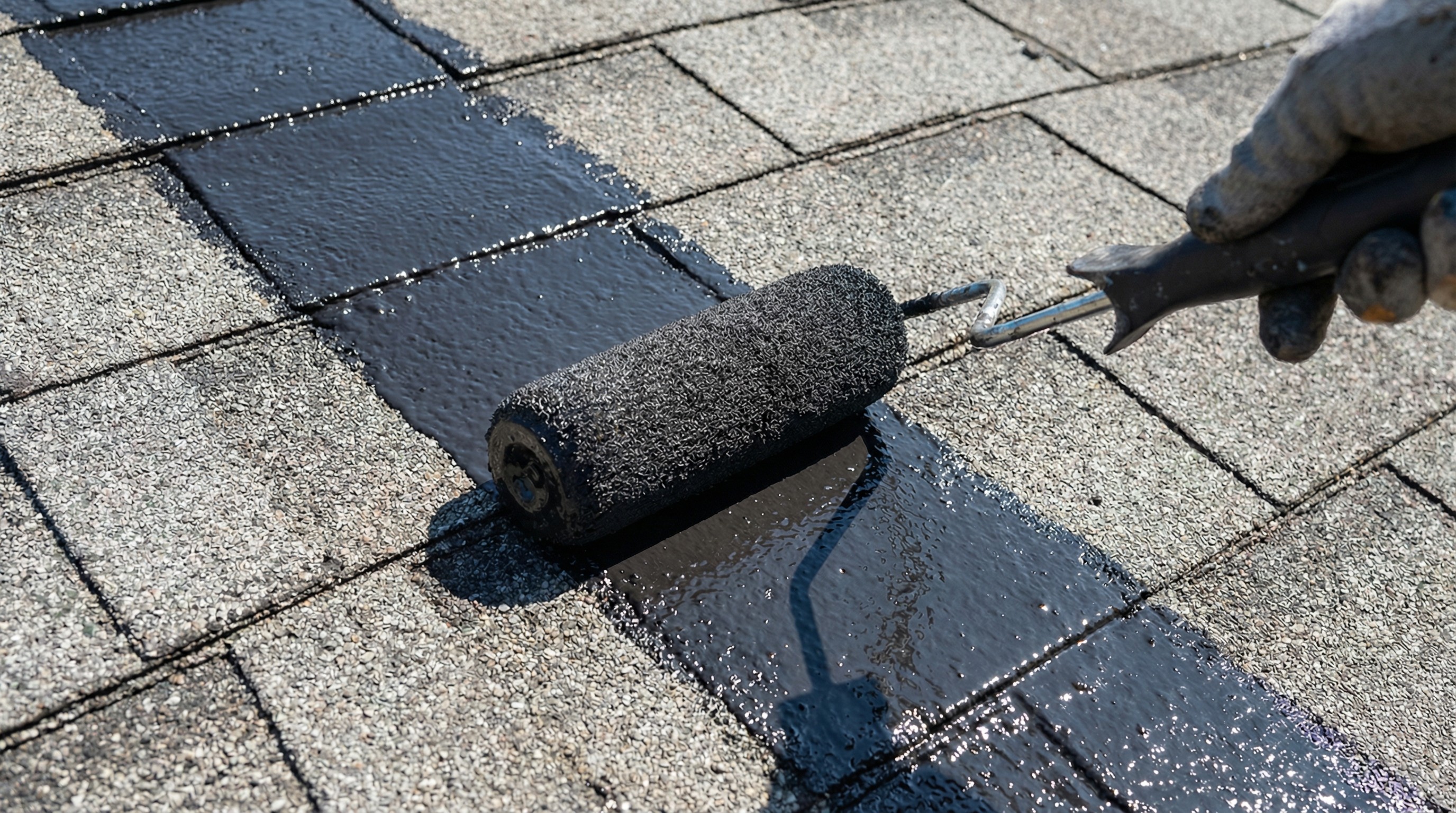

Painting Roof Shingles: A Comprehensive Guide to Enhancement and Protection
Painting roof shingles is a multifaceted process that offers both aesthetic and protective benefits. This guide details the necessary steps, considerations, and crucially, when this DIY project is ill-advised. Understanding the nuances of shingle material, roof condition, and environmental factors is paramount to a successful and long-lasting outcome. Homeowners can refresh their home’s curb appeal, potentially increase its value, and even improve energy efficiency through reflective coatings. However, neglecting proper preparation or choosing the wrong type of paint can lead to premature failure, costly repairs, and damage to the underlying roof structure. This article aims to equip homeowners with the knowledge to make informed decisions about painting their roof shingles.
Understanding Shingle Types and Paint Compatibility
The success of painting roof shingles hinges on selecting the correct paint for the specific shingle material. Asphalt shingles, the most common type, are composed of a fiberglass mat coated with asphalt and granules. These granules provide UV protection and color. Latex-based acrylic coatings specifically formulated for roofing are generally the best choice for asphalt shingles. These paints are designed to be flexible, allowing for expansion and contraction of the shingles with temperature changes, and are resistant to UV degradation, moisture, and mildew. Avoid oil-based paints as they can become brittle and crack over time, leading to premature shingle failure.
Wood shingles, often made from cedar or redwood, require a different approach. These shingles are porous and susceptible to moisture absorption. They typically benefit from a high-quality exterior stain or a breathable water-based stain. Stains penetrate the wood, offering protection while allowing the natural grain to show through. Avoid heavy, opaque paints on wood shingles as they can trap moisture, leading to rot and decay. For metal roofing shingles, specialized metal roof paints are essential. These paints are formulated for adhesion to metal surfaces and offer superior corrosion resistance. They often contain anti-rust inhibitors and UV stabilizers.
Tile roofing, whether clay or concrete, presents unique challenges. While some homeowners opt for specialized tile roof coatings, it’s crucial to understand that most tile roofs are not designed to be painted. Painting can alter their porous nature, affecting water shedding capabilities and potentially leading to freeze-thaw damage in colder climates. If considering painting tile, consult a professional roof technician to assess the viability and recommend appropriate, breathable coatings. Slate tiles are generally not painted, as their natural beauty and durability are their primary appeal. Painting slate can diminish its aesthetic value and potentially affect its longevity.
When Painting Roof Shingles is a Viable Option
Painting roof shingles is a viable option when the primary goal is aesthetic enhancement or to impart specific functional properties like increased reflectivity. For asphalt shingles, a well-maintained roof in good structural integrity is a prerequisite. This means no cracked, curled, missing, or heavily damaged shingles. The existing granules should be largely intact, providing a suitable surface for adhesion. If significant granule loss has occurred, the shingles have reached the end of their lifespan, and painting will not restore their protective function; replacement is the more prudent course of action.
Aesthetic upgrades are a major driver for painting. Homeowners can choose to restore the original color, achieve a subtle tonal variation, or opt for a completely new hue to complement the home’s exterior design. Light-colored or reflective coatings can significantly improve a home’s energy efficiency by reducing heat absorption, particularly in warmer climates. This can translate to lower cooling costs. The longevity of the paint job is also a factor. With proper preparation and the correct products, a painted roof can maintain its appearance and protective qualities for 10-15 years, sometimes longer.
When NOT to Paint Roof Shingles: Critical Red Flags
There are definitive situations where painting roof shingles is a detrimental choice, often leading to more significant problems. The most critical red flag is a roof in poor structural condition. If shingles are cracked, brittle, curling, blistering, or missing, painting will not fix these underlying issues. In fact, it can exacerbate them. Painting over damaged shingles can trap moisture, accelerate deterioration, and compromise the roof’s ability to shed water, leading to leaks and potential structural damage to the roof deck and attic.
Another significant reason to avoid painting is the presence of extensive moss, algae, or mildew growth. While cleaning is a necessary precursor to painting, if the growth is deeply embedded or has caused significant erosion of the shingle surface, painting will not be a permanent solution. The underlying organic matter can continue to thrive beneath the paint, leading to premature peeling and flaking. Furthermore, certain shingle materials are not suitable for painting. As discussed, traditional asphalt shingles are the most common candidates. Wood shingles can be problematic if not properly treated, and metal shingles require specialized coatings.
High humidity environments with persistent moisture can also make painting ill-advised for certain shingle types. If the roof is slow to dry after rain or dew, it indicates poor ventilation or excessive moisture absorption, which can be aggravated by a non-breathable paint coating. Similarly, in regions with extreme temperature fluctuations and frequent freeze-thaw cycles, improperly chosen or applied paint can crack and peel as the shingles expand and contract.
Finally, if the roof is nearing the end of its expected lifespan, investing in painting is likely a waste of resources. Most asphalt shingles have a lifespan of 20-30 years. If your roof is approaching or has exceeded this age, it’s more cost-effective to plan for replacement rather than a cosmetic and protective treatment that will have limited long-term benefit. Consulting a professional roofing inspector can provide an objective assessment of your roof’s condition and guide your decision-making process.
Preparation is Paramount: The Key to a Lasting Paint Job
Thorough preparation is the cornerstone of a successful and durable roof shingle paint job. Skipping any of these steps significantly increases the risk of premature failure.
-
Safety First: Roof work is inherently dangerous. Always wear appropriate safety gear, including non-slip footwear, a safety harness, and gloves. Secure ladders and ensure a stable work area. Consider hiring a professional for this task if you are not comfortable with heights or the associated risks.
-
Thorough Cleaning: This is arguably the most critical preparation step. The roof must be meticulously cleaned to remove all dirt, debris, moss, algae, mildew, and any loose granules. A pressure washer can be used, but with extreme caution. Set it to a low to medium pressure setting and use a wide fan tip to avoid damaging the shingles. A specialized roof cleaning solution, often containing a mild bleach or algaecide, can be applied to kill organic growth. Allow the cleaner to dwell according to product instructions, then rinse thoroughly. Ensure all cleaning solutions are completely rinsed away, as residue can interfere with paint adhesion. Allow the roof to dry completely, which can take 24-48 hours depending on weather conditions.
-
Inspection and Repair: After cleaning, conduct a detailed inspection of each shingle. Identify and repair or replace any damaged shingles. This includes cracks, tears, curling, or missing sections. Small cracks can sometimes be sealed with a roofing sealant, but severely damaged shingles must be replaced. Ensure any new shingles or repairs are a close match to the existing ones to maintain a consistent appearance.
-
Priming (Optional but Recommended): For asphalt shingles, a high-quality exterior primer specifically designed for roofing can significantly improve paint adhesion and durability. Primers can also help to seal the porous surface of the shingles and provide a more uniform base for the topcoat, especially if there are variations in shingle color or wear. Choose a primer that is compatible with your chosen paint system.
-
Masking and Protection: Protect surrounding areas from overspray. Use painter’s tape and plastic sheeting to mask off gutters, downspouts, vents, skylights, chimneys, and any adjacent siding or landscaping. This prevents accidental paint application and ensures a clean finish.
The Painting Process: Application Techniques and Best Practices
Once preparation is complete, the painting process can commence. The choice of application method will depend on the size of the roof, the type of paint, and personal preference.
-
Choosing the Right Paint: As previously emphasized, use only high-quality exterior coatings specifically formulated for roofing. Latex-based acrylic elastomeric coatings are generally recommended for asphalt shingles due to their flexibility and durability. For metal roofs, opt for specialized metal roof coatings. Always adhere to the manufacturer’s recommendations regarding product compatibility and application.
-
Application Methods:
- Spraying: This is the most efficient method for large areas and provides a smooth, uniform finish. Use an airless sprayer designed for exterior coatings. Work in manageable sections, maintaining a consistent spray pattern and overlap to avoid streaks. Keep the spray gun at a consistent distance from the surface.
- Rolling: For smaller roofs or touch-up work, a roller can be used. Use a high-quality, medium-nap roller designed for exterior surfaces. Roll in long, consistent strokes, working from peak to eave.
- Brushing: Brushes are best for detailed work around edges, vents, and other intricate areas. Use a good quality angled brush for precision.
-
Weather Conditions: The ideal time to paint is during a period of dry, mild weather. Avoid painting when temperatures are too hot or too cold, as this can affect paint drying and curing times, and consequently, its adhesion and durability. Aim for temperatures between 50°F (10°C) and 85°F (29°C). Avoid painting in direct sunlight, as it can cause the paint to dry too quickly, leading to lap marks and an uneven finish. Overcast days or early morning/late afternoon application is preferable.
-
Applying Multiple Coats: Most roofing projects will require at least two thin, even coats of paint. This ensures adequate coverage, durability, and color uniformity. Allow sufficient drying time between coats as recommended by the paint manufacturer. Applying a third coat may be beneficial for enhanced protection and a richer color.
-
Drying and Curing: Paint needs time to dry and cure fully. Avoid walking on the painted roof for at least 24-48 hours after the final coat. Full curing can take several weeks, during which the paint will continue to harden and achieve its maximum durability.
Maintaining Your Painted Roof: Ensuring Longevity
Even after a successful paint job, regular maintenance is crucial to ensure its longevity and continued protection.
-
Regular Inspections: Periodically inspect your roof for any signs of wear, peeling, cracking, or mildew growth. Early detection of minor issues can prevent them from becoming major problems.
-
Gentle Cleaning: If cleaning is necessary, use a mild soap and water solution and a soft brush or sponge. Avoid harsh chemicals or abrasive cleaning tools that can damage the paint or shingles. Rinse thoroughly.
-
Gutter Maintenance: Keep gutters and downspouts clear of debris to ensure proper water drainage away from the roof and foundation.
-
Trim Overhanging Branches: Trim any tree branches that overhang the roof, as they can shed leaves and debris, leading to moisture buildup and potential damage.
By understanding the nuances of shingle types, proper preparation, application techniques, and crucially, when to avoid painting, homeowners can make informed decisions to enhance and protect their most vital asset: their roof.

