
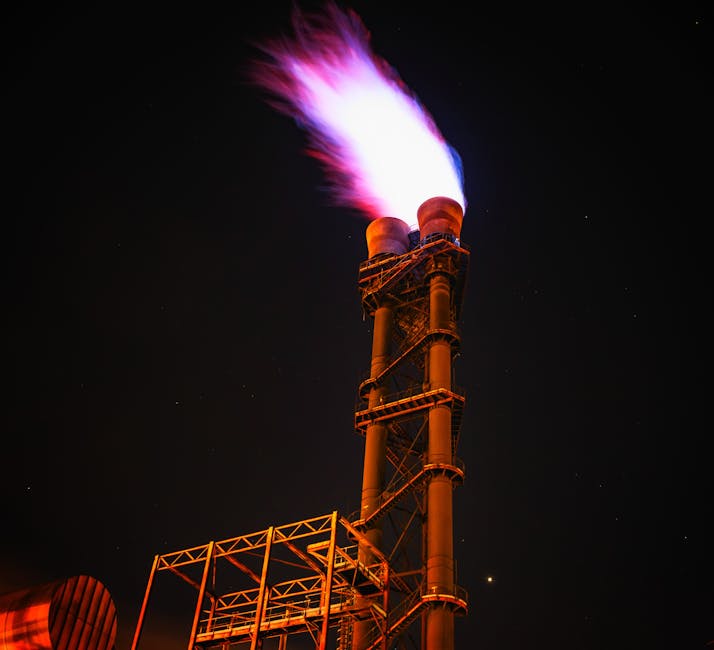
Steel Reef: Harnessing Flare Gas for Saskatchewan Community Power
The innovative concept of Steel Reef represents a groundbreaking approach to mitigating environmental impact and providing sustainable energy solutions for remote Saskatchewan communities by repurposing flared natural gas. This technology focuses on capturing methane, a potent greenhouse gas, that is currently burned off at oil and gas well sites, and converting it into usable electricity. The core of Steel Reef involves a modular, self-contained unit designed for deployment in proximity to these flaring operations. At its heart lies a specially engineered gas turbine or reciprocating engine optimized for the variable composition and lower pressure of raw flare gas. This prime mover, driven by the combustion of the captured methane, is directly coupled to a generator, producing electricity. The system is designed for high efficiency, maximizing energy extraction from the flare gas and minimizing residual emissions. Beyond the power generation component, Steel Reef integrates sophisticated gas conditioning and cleaning systems. Flare gas often contains impurities such as water vapor, hydrogen sulfide (H2S), and heavier hydrocarbons. These pre-treatment stages are critical to protect the engine from corrosion, fouling, and premature wear, ensuring reliable and long-term operation. Filtration, dehydration, and potentially H2S scrubbing processes are integral to the Steel Reef module.
The electricity generated by Steel Reef is then fed into a microgrid or a local distribution network serving nearby Saskatchewan communities. This approach bypasses the need for extensive and costly transmission infrastructure typically required to connect remote areas to the provincial grid. The microgrid concept allows for greater energy independence and resilience for these communities. By providing a localized and reliable power source, Steel Reef can significantly reduce their reliance on diesel generators, which are notorious for their high operating costs, air pollution, and carbon emissions. The modular nature of Steel Reef allows for scalability. Depending on the volume of flare gas available and the energy demand of the community, multiple Steel Reef units can be deployed in tandem or larger, more powerful configurations can be implemented. This adaptability ensures that the system can be tailored to the specific needs of different locations across Saskatchewan. Furthermore, the units are designed for relatively simple installation and maintenance, reducing logistical challenges in remote settings. The foundation of the Steel Reef system rests on the principle of resource recovery and environmental stewardship. Flare gas, often considered waste, becomes a valuable energy commodity. This not only addresses the immediate environmental concern of methane emissions but also creates an economic incentive for oil and gas producers to reduce flaring.
The environmental benefits of Steel Reef are substantial and directly address pressing climate change concerns. Methane (CH4) is a greenhouse gas with a global warming potential approximately 25 times greater than carbon dioxide (CO2) over a 100-year period. Venting or flaring of natural gas, predominantly methane, contributes significantly to greenhouse gas emissions. By capturing and utilizing this methane, Steel Reef effectively prevents its release into the atmosphere. This direct reduction in methane emissions represents a tangible step towards achieving provincial and national climate targets. Beyond methane, the combustion of natural gas in a controlled engine environment, as opposed to uncontrolled flaring, can lead to more complete combustion, potentially reducing the formation of other harmful byproducts. The displacement of diesel fuel for power generation in remote communities further amplifies the environmental advantages. Diesel engines are a significant source of particulate matter, nitrogen oxides (NOx), and sulfur oxides (SOx), all of which have adverse effects on air quality and human health. Steel Reef’s ability to provide clean electricity offers a healthier and more sustainable alternative, improving the quality of life for residents.
The economic rationale behind Steel Reef is compelling for both energy producers and the recipient communities. For oil and gas companies, the implementation of Steel Reef offers a cost-effective solution for flare gas management. Historically, flaring has been the primary method for disposing of excess or unusable gas. However, increasing environmental regulations and the potential for monetizing this gas are shifting this paradigm. Steel Reef transforms a disposal cost into a revenue stream or, at the very least, an offset against energy expenditures. The capital investment in a Steel Reef unit can be recouped through the sale of electricity or through reduced operational costs if the generated power is used internally or supplied to a community with which the producer has an agreement. For Saskatchewan communities, Steel Reef provides a pathway to affordable and reliable energy. Remote communities often face exorbitant electricity costs due to their reliance on diesel fuel and the logistical complexities of fuel transportation. By generating power locally from an abundant, albeit previously wasted, resource, Steel Reef can significantly lower energy bills. This economic relief can free up household and community funds for other essential services and development initiatives, fostering greater economic prosperity and self-sufficiency.
The technological backbone of Steel Reef involves several key components and considerations. The gas intake and pre-treatment system is paramount. This includes separators for removing free liquids, coalescing filters for finer particle and liquid removal, and dehydration units (e.g., glycol dehydration or molecular sieve adsorption) to reduce water content. For sour gas containing H2S, specialized scrubbing units employing amine solutions or solid adsorbents are integrated. The choice of prime mover is crucial and depends on factors like gas quality, volume, and desired power output. Gas turbines offer higher power density and can handle a wider range of gas compositions but may require more sophisticated pre-treatment. Reciprocating engines are generally more robust with lower gas quality tolerances and can be more efficient at smaller scales. Advanced control systems are essential for optimizing engine performance, managing gas flow rates, and ensuring stable electricity output. These systems monitor parameters such as gas pressure, temperature, composition, and engine load, making real-time adjustments to maintain efficiency and reliability. The generator, typically a synchronous generator, converts the mechanical energy from the prime mover into electrical energy at the required voltage and frequency.
The integration of Steel Reef into existing or newly developed microgrids is a critical aspect of its successful deployment. A microgrid is a localized energy network that can operate independently or in conjunction with the main power grid. For Steel Reef, this often means connecting to a local distribution system that serves houses, businesses, and public facilities within a community. The microgrid architecture allows for the seamless integration of Steel Reef power with other potential renewable energy sources, such as solar or wind, further enhancing energy independence and reducing reliance on any single source. Battery energy storage systems (BESS) can also be incorporated into the microgrid to store excess power generated by Steel Reef during periods of low demand or to provide backup power during maintenance or unexpected outages. Sophisticated microgrid management systems are employed to balance supply and demand, optimize energy flow, and ensure grid stability. These systems can intelligently switch between different power sources, manage load shedding if necessary, and facilitate communication between various grid components. The modularity of Steel Reef aligns perfectly with the distributed generation philosophy of microgrids, allowing for phased implementation and expansion as community needs evolve.
The operational and maintenance aspects of Steel Reef are designed for the unique challenges of remote Saskatchewan locations. While the technology aims for high reliability and low maintenance requirements, regular servicing is indispensable. This includes routine inspections of the engine, generator, and gas processing equipment, as well as periodic component replacements. For remote sites, establishing efficient maintenance protocols is crucial. This might involve training local personnel to perform basic maintenance tasks, utilizing remote monitoring and diagnostics capabilities to identify issues proactively, and developing robust logistics plans for transporting spare parts and specialized technicians when required. The self-contained nature of Steel Reef modules simplifies installation and allows for quicker deployment compared to large-scale power plants. Factory pre-assembly and testing minimize on-site commissioning time. The units are designed to withstand harsh weather conditions prevalent in Saskatchewan, including extreme temperatures and snowfall. Robust enclosures and heating systems for critical components are integral to ensuring year-round operation.
The regulatory and social considerations surrounding Steel Reef are vital for its widespread adoption. Obtaining permits and approvals for gas handling, power generation, and environmental emissions requires navigating a complex regulatory landscape. Collaboration with provincial environmental agencies, energy regulators, and Indigenous communities is paramount. The concept of community ownership or benefit-sharing can foster local acceptance and support for Steel Reef projects. Engaging with Indigenous communities, who often reside in remote areas heavily impacted by resource development, is particularly important. Their involvement in the planning, development, and operation of Steel Reef projects can ensure that the benefits are shared equitably and that the projects align with their cultural values and land use plans. Social license to operate is as critical as technical feasibility. Educating communities about the technology, its benefits, and potential impacts is essential for building trust and ensuring successful project implementation.
Looking ahead, the scalability and adaptability of Steel Reef present significant opportunities for broader application across Saskatchewan and potentially other resource-rich regions facing similar energy challenges. As the oil and gas industry continues to evolve, so too will the volume and composition of flared gas. Steel Reef’s design flexibility allows for future upgrades and adaptations to accommodate these changes. Advancements in engine technology, gas processing, and control systems will further enhance the efficiency, reliability, and cost-effectiveness of Steel Reef. The increasing focus on emissions reduction and the circular economy makes Steel Reef a highly relevant and timely solution. It represents a tangible example of how waste can be transformed into a valuable resource, contributing to both economic development and environmental sustainability. The potential to empower remote communities with clean, affordable energy while simultaneously mitigating greenhouse gas emissions positions Steel Reef as a transformative technology for Saskatchewan’s future.

