
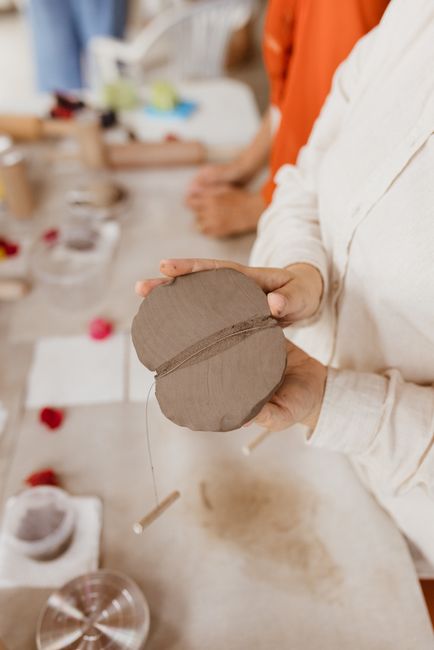
Sculptural Wire and Clay Nameplate DIY: Craft Your Custom Statement Piece
This comprehensive guide details the process of creating a unique and personalized sculptural wire and clay nameplate. Ideal for home decor, office personalization, or as a heartfelt handmade gift, this DIY project blends the textural qualities of clay with the elegant lines of wire to produce a striking statement piece. The process involves several key stages: design conceptualization, clay preparation and shaping, wire manipulation and attachment, detailing and texturing, and finally, firing and finishing. Each step will be broken down for clarity, ensuring even beginners can achieve professional-looking results. The inherent beauty of this project lies in its versatility; you can adapt the style, size, and complexity to perfectly match your aesthetic. Furthermore, by incorporating specific keywords throughout, this article aims to be a valuable resource for those searching for "DIY nameplate," "sculptural nameplate," "wire and clay art," "personalized decor," "handmade gifts," and "crafting tutorials."
I. Design and Planning Your Sculptural Nameplate
The foundation of any successful DIY project is meticulous planning. Before you touch any materials, dedicate time to envisioning your sculptural wire and clay nameplate. Consider its intended location and scale. Will it be a small, delicate piece for a desk, or a larger, more prominent feature for a shelf or wall? Sketching your ideas is crucial. Draw out the name or word you intend to feature, experimenting with different fonts and lettering styles. Think about how the wire will interact with the clay. Will the wire form the primary structure of the letters, with clay as infill, or will the clay form the letters and the wire serve as an embellishment or frame?
Consider the overall aesthetic. Do you prefer a modern, minimalist look, a rustic charm, or something more intricate and ornate? The type of wire you choose will significantly influence this. For sleek, contemporary designs, thin, bright copper or silver wire works well. For a more vintage or industrial feel, thicker, patinated brass or even iron wire might be more suitable. Similarly, the clay medium will dictate the textural possibilities. Air-dry clay offers ease of use and no firing requirement, but it can be more fragile. Polymer clay provides durability and a wide range of colors, and it cures to a hard, plastic-like finish. Firing clay, such as earthenware or stoneware, offers the most robust and traditional ceramic result, but requires access to a kiln.
Once your design is roughed out, refine it by considering the practicalities of construction. How will the wire be attached to the clay? Will it be embedded, glued, or integrated during the sculpting process? Plan for any embellishments, such as beads, small charms, or textured elements, that you might want to incorporate. Create a detailed sketch that includes approximate dimensions and the placement of all key elements. This visual roadmap will prevent missteps and ensure you have a clear understanding of the project’s progression. For SEO purposes, remember to use terms like "custom nameplate design," "personalized wall art," and "crafting layout" during this planning phase.
II. Material Selection and Preparation
The choice of materials significantly impacts the final look and durability of your sculptural wire and clay nameplate. For the clay component, consider the following options:
- Air-Dry Clay: This is a forgiving and accessible choice, especially for beginners. It requires no special firing equipment and hardens when exposed to air. It can be sanded, painted, and sealed. However, it is generally less durable than fired clay or polymer clay and can be susceptible to moisture damage if not properly sealed. Look for brands known for their smooth texture and minimal cracking.
- Polymer Clay: This versatile clay bakes in a standard home oven and becomes hard and durable. It comes in a vast array of colors, and can be mixed, marbled, and textured in numerous ways. Brands like Sculpey, Fimo, and Premo are popular choices. It’s ideal for intricate details and vibrant finishes.
- Ceramic Clay (Earthenware, Stoneware): For a truly permanent and robust nameplate, ceramic clay is the best option. This requires access to a kiln for firing. It offers a classic, high-quality finish. Different types of ceramic clay have varying firing temperatures and characteristics, so choose one appropriate for your skill level and kiln access.
For the wire component, several types are suitable:
- Craft Wire: Available in various gauges (thicknesses) and materials like copper, brass, aluminum, and steel. Copper and brass offer a warm, rich tone and can be easily shaped. Aluminum is lightweight and resistant to tarnishing. Steel wire is strong but can be more difficult to bend without tools.
- Jewelry Wire: Often thinner and more flexible than standard craft wire, suitable for delicate details.
- Floral Wire: Coated in green or brown, less common for decorative nameplates unless a specific naturalistic effect is desired.
Essential tools will include:
- Clay Tools: Sculpting tools, rolling pin, craft knife, texture stamps, smooth surface for working (glass, marble, or a silicone mat).
- Wire Tools: Wire cutters (flush cutters for clean cuts), round-nose pliers (for loops and curves), flat-nose pliers (for gripping and bending).
- Adhesive: Depending on your chosen materials and attachment method, you may need strong craft glue (like E6000 for polymer and air-dry clay), or a clay-specific adhesive if working with ceramic clay.
Before you begin sculpting, ensure your clay is properly conditioned. For polymer clay, this means kneading it until it’s pliable. For air-dry clay, it might involve a brief period of kneading to remove air bubbles. For ceramic clay, proper wedging is essential to eliminate air pockets that could cause explosions during firing. Prepare your workspace with protective coverings and ensure good ventilation, especially if using glazes or sealants. Keywords to consider here are "DIY craft supplies," "best clay for sculpting," and "wire for jewelry making."
III. Sculpting the Clay Base and Letters
The clay forms the foundation and often the primary visual element of your nameplate. Begin by deciding if your letters will be formed from solid clay, or if the wire will provide the structure and the clay will fill in the gaps. For solid clay letters, roll out a slab of clay to your desired thickness using a rolling pin. The thickness will depend on the scale of your project and the desired heft of the letters. Aim for consistency across the entire slab.
Using your design sketch as a guide, carefully cut out the shapes of your letters using a sharp craft knife or a specialized letter cutter. For freehand lettering, draw the letterforms directly onto the clay with a pencil before cutting. Ensure the edges are clean and smooth. You can use a damp sponge to gently smooth any rough edges.
Alternatively, if the wire is forming the primary structure, you can sculpt a base onto which the wire will be attached. This base could be a simple rectangular plaque, a more organic shape, or even a textured panel. Roll out a slab of clay and cut it to your desired base dimensions. Consider adding texture to this base at this stage using stamps, combs, or found objects.
For freestanding letters, you might choose to sculpt each letter individually. This allows for more three-dimensional depth and character. Roll logs of clay and shape them into the forms of your letters, or build up layers to create the desired thickness and curvature.
If you are using polymer clay, remember to account for shrinkage during baking, though this is generally minimal. If using ceramic clay, ensure your letters are of a uniform thickness to promote even drying and firing. For air-dry clay, be mindful of its tendency to crack if dried too quickly.
Once the letter shapes are cut or formed, consider how they will be integrated with the wire. If the wire will wrap around or through the clay, plan for small holes or channels to be created at this stage. Tools like a needle tool or a small drill bit can be used for this. The aim is to create a seamless integration between the two materials. Relevant search terms: "clay letter cutting," "sculpting clay names," "DIY clay plaque."
IV. Manipulating and Integrating the Wire
The wire component adds elegance, structure, and visual interest to your nameplate. Begin by cutting lengths of wire according to your design. Use your round-nose pliers to create small loops at the ends of the wire where it will attach to the clay or where connections need to be made. This will prevent sharp ends and provide a more finished look.
For wire lettering, carefully bend the wire to match the contours of your letterforms. This may require patience and steady hands. Use your flat-nose pliers to hold the wire firmly while bending. You can gently press the wire against a hard surface to achieve straighter lines. If your design involves intricate curves, practice bending the wire first on scrap pieces to get a feel for its malleability.
Consider the connection points. If you’ve created small holes or channels in your clay letters, thread the wire through these. You can then bend the wire on the back of the clay to secure it, or use a strong adhesive. If the wire is meant to be embedded within the clay, press it into the clay while it’s still soft, ensuring a good portion of the wire is covered to create a strong bond.
For wire embellishments or frames, create decorative elements like spirals, swirls, or geometric patterns. These can be attached to the clay base or integrated into the lettering. Don’t be afraid to experiment with layering wires of different thicknesses or materials for added visual depth.
If you’re aiming for a more rustic or industrial look, you can intentionally leave some wire ends exposed or create a more deliberately "unrefined" aesthetic. Conversely, for a polished finish, ensure all wire ends are neatly tucked away or incorporated into the design. Remember that the wire should complement the clay, not overpower it. The interplay between the linear nature of the wire and the organic form of the clay is key to the sculptural quality of the nameplate. Keywords for this section include "wire bending techniques," "craft wire art," and "attaching wire to clay."
V. Adding Detail, Texture, and Embellishments
This stage is where your sculptural nameplate truly comes to life, transforming from basic shapes into a unique work of art. Once the primary clay and wire elements are in place, focus on refining the details.
Texturing the Clay:
Use a variety of tools to add surface interest to the clay.
- Stamps: Ceramic or rubber stamps can create repeating patterns, geometric designs, or even impressionistic textures.
- Found Objects: Imprint textures using things like bubble wrap, lace, textured fabric, leaves, or even the bristles of a stiff brush.
- Sculpting Tools: Use pointed tools to create fine lines, crosshatching, or stippling. A ball stylus can create perfectly round indentations.
- Sanding: Once the clay is partially or fully dry (depending on the type), you can carefully sand areas to create a smooth, matte finish or to reveal underlying textures.
Detailing the Wire:
While wire is inherently linear, you can add detail through its application.
- Oxidation/Patina: For copper or brass wire, you can encourage natural patination over time, or use chemical patinas to achieve specific aged or colored effects.
- Wrapping: Wrap thinner wires around thicker ones for a more complex braided or twisted effect.
- Bead Integration: Thread small beads onto the wire before attaching it to the clay. This is particularly effective for creating shimmering accents or for filling in gaps within wire lettering.
Adding Embellishments:
This is where you can truly personalize your nameplate.
- Small Charms: Tiny metal or ceramic charms can be glued or wired onto the nameplate.
- Gemstones or Crystals: Small polished stones or crystals can add sparkle and a touch of luxury.
- Other Found Objects: Consider incorporating small found objects that have personal significance.
When adding embellishments, ensure they are securely attached. For ceramic clay, consider using a clay slip or appropriate adhesive. For polymer and air-dry clay, strong craft glues are usually sufficient. Over-embellishing can detract from the sculptural form, so aim for a balance that enhances the overall design. Think about how the light will interact with the different textures and surfaces. Keywords: "clay texturing techniques," "DIY embellishments," "personalized nameplate decor."
VI. Drying, Firing, and Finishing Your Nameplate
The final stages of your DIY project involve ensuring its durability and aesthetic appeal. The specific steps will depend on the type of clay you’ve used.
Drying (Air-Dry Clay):
Air-dry clay needs to dry thoroughly. This can take anywhere from 24 hours to several days, depending on the thickness of your piece and the ambient humidity. Ensure good air circulation around the nameplate. Avoid direct sunlight or heat sources, as this can cause uneven drying and cracking. Flip the piece periodically to ensure all sides dry evenly.
Firing (Ceramic Clay):
If you’re using ceramic clay, this is the most critical step. Ensure your piece is completely bone dry before placing it in the kiln. Bisque firing is the initial firing that hardens the clay and makes it porous, ready for glazing. Follow the recommended firing schedule for your specific clay body.
Baking (Polymer Clay):
Polymer clay is baked in a standard oven according to the manufacturer’s instructions. Typically, this involves baking at a specific temperature for a set duration, depending on the thickness of the piece. Ensure your oven temperature is accurate, as under- or over-baking can compromise the integrity of the clay.
Glazing and Sealing:
- Ceramic Clay: After bisque firing, you can apply glazes to add color, texture, and a protective finish. Glazing requires a second firing. If you choose not to glaze, you can seal the bisqued piece with a clear acrylic sealant.
- Air-Dry Clay: Once completely dry, air-dry clay should be sealed to protect it from moisture and wear. Use a clear acrylic sealant, varnish, or Mod Podge. You can also paint your nameplate at this stage with acrylic paints before sealing.
- Polymer Clay: Polymer clay is already hardened and waterproof after baking. You can choose to leave it as is, paint it with acrylics, or apply a varnish or sealant for a matte, satin, or glossy finish.
Final Assembly and Touches:
If your design involves separate components (e.g., a wire frame attached to a clay plaque), ensure all elements are securely adhered. Use a strong adhesive suitable for both materials. For nameplates intended to be hung, attach hanging hardware at this stage.
By carefully following these steps, you will have created a durable, beautiful, and personalized sculptural wire and clay nameplate that reflects your unique style and craftsmanship. Keywords: "DIY nameplate finishing," "air dry clay sealing," "polymer clay baking," "ceramic clay glazing."
