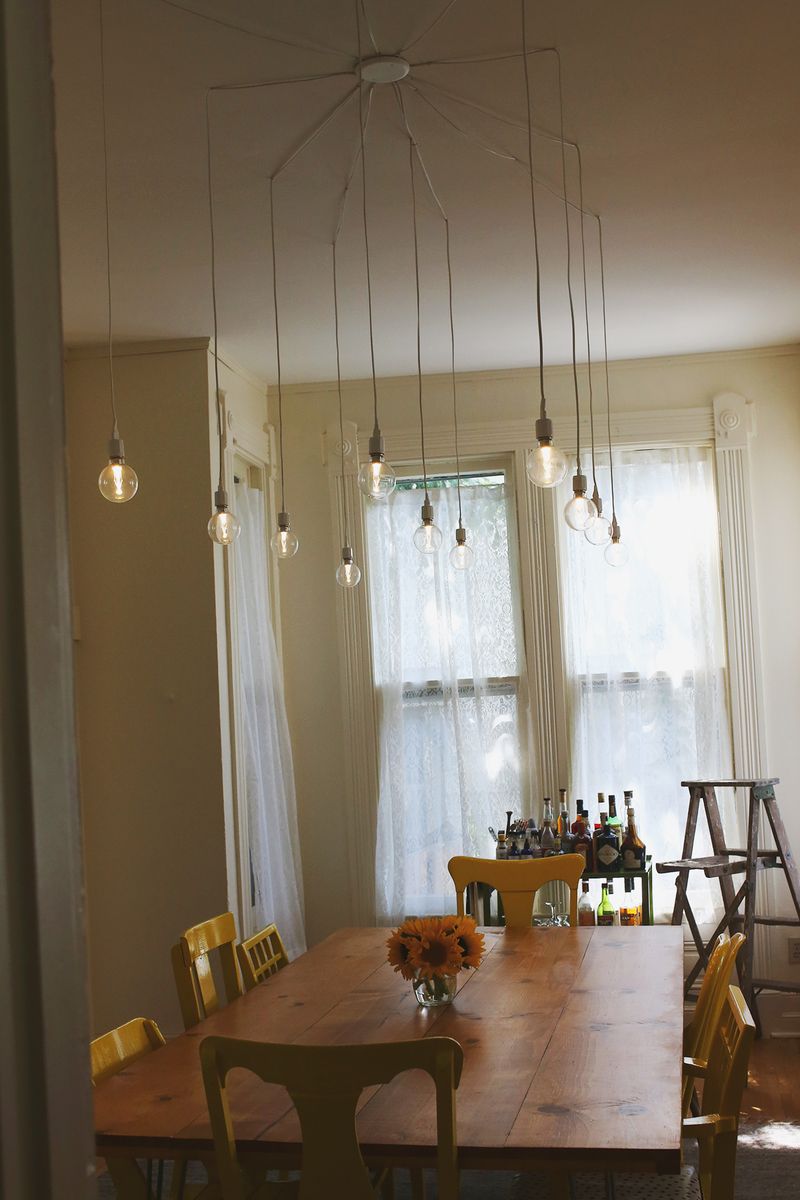

Elsie’s Dream DIY Light Fixture: A Comprehensive Guide to Illuminating Your Space with Bespoke Design
The allure of custom lighting lies not only in its ability to perfectly complement a room’s aesthetic but also in the deeply personal satisfaction derived from creating something unique with your own hands. Elsie’s Dream DIY light fixture offers a compelling avenue for achieving both. This comprehensive guide will delve into the intricate details of conceptualizing, designing, and constructing your very own Elsie’s Dream-inspired illumination, transforming ordinary spaces into extraordinary showcases of personal style and ingenuity. We will explore material selection, essential tools, step-by-step assembly processes, safety considerations, and troubleshooting tips, ensuring you can embark on this rewarding project with confidence and achieve a professional-quality result. The term "Elsie’s Dream" itself evokes a sense of whimsical yet sophisticated design, often characterized by a blend of vintage charm, organic elements, and a touch of ethereal beauty. This guide will empower you to translate that vision into a tangible, functional, and breathtaking light fixture.
Understanding the "Elsie’s Dream" Aesthetic and Conceptualization
Before embarking on the physical construction, a deep understanding of the "Elsie’s Dream" aesthetic is paramount. This style often draws inspiration from nature, incorporating elements like branches, flowers, leaves, or even celestial motifs. Think of cascading vines, delicate petals, or star-like clusters. The color palette tends towards softer, more muted tones – creams, whites, pale blues, greens, and natural wood finishes – though pops of metallic accents like antique brass or brushed nickel can add a touch of elegance. Texture plays a crucial role, with materials like natural fibers, distressed wood, aged metal, and translucent fabrics contributing to the fixture’s character.
Conceptualization is the initial, and arguably most critical, phase. Begin by observing your intended space. What is the overall style of the room? What existing colors, textures, and furniture pieces do you want to complement? Consider the scale of the room and the desired impact of the light fixture. Is it intended to be a subtle accent or a dramatic focal point? Sketching is an invaluable tool at this stage. Don’t worry about artistic perfection; focus on conveying your ideas. Explore different shapes: a chandelier-style cascade, a singular statement pendant, or a wall sconce with intricate detailing. Gather inspiration from online platforms like Pinterest, Houzz, and design blogs, specifically searching for "DIY rustic chandelier," "organic pendant light," "vintage-inspired lighting," or "nature-inspired lamps." Identify recurring themes and elements that resonate with your interpretation of "Elsie’s Dream."
Material Selection: The Foundation of Your Bespoke Fixture
The materials chosen will significantly influence the final look, feel, and longevity of your Elsie’s Dream DIY light fixture. Prioritize items that are readily available, budget-friendly, and align with the desired aesthetic.
- Base and Frame: For a vintage or rustic feel, reclaimed wood pieces are ideal. Old fence posts, pallet wood, or salvaged branches can be cleaned, sanded, and sealed to create a beautiful, textured base. Alternatively, metal elements like antique brass rods, copper pipes, or even repurposed wire baskets can form the structural framework. For a more delicate look, consider using sturdy wire or even woven natural fibers like rattan or jute.
- Light Diffusers/Shades: This is where much of the "dreamy" quality can be achieved. Think about translucent materials that will soften and scatter light.
- Fabric: Silk, linen, lace, or even repurposed vintage scarves can be stretched over wire frames or draped to create ethereal shades.
- Paper/Vellum: Rolled or folded vellum, parchment paper, or even delicate tissue paper can be used to create layered, textured shades. Consider using waterproof varieties for longevity.
- Glass: Frosted glass, sea glass, or repurposed vintage glass jars can offer a beautiful, diffused glow.
- Natural Elements: Delicate pressed flowers, leaves, or even thin slices of wood can be incorporated into resin or sandwiched between glass panels for a truly organic feel.
- Decorative Elements: This is where you can truly inject the "Elsie’s Dream" personality.
- Faux or Real Botanicals: High-quality faux flowers, leaves, and vines can be securely attached to the frame. Consider dried flowers for a more permanent, natural look.
- Crystals/Beads: Strands of glass crystals, pearls, or wooden beads can add sparkle and movement.
- Metals: Small metal charms, decorative wire, or even painted elements can enhance the vintage or celestial feel.
- Rope/Twine: Jute twine, hemp rope, or even braided cotton can be used to wrap the frame, add texture, or create hanging elements.
Essential Tools and Safety Precautions
A well-equipped toolkit is crucial for a smooth and safe DIY lighting project.
- Cutting Tools: Depending on your materials, you might need a saw (hand saw, jigsaw, or miter saw for wood), wire cutters, heavy-duty scissors, or a craft knife.
- Fastening Tools: A glue gun with a variety of glue sticks (hot glue, wood glue, E6000 for stronger bonds), screws, nuts, bolts, pliers, and possibly a drill with various drill bits.
- Measuring and Marking Tools: Tape measure, ruler, pencil, and possibly a level.
- Finishing Tools: Sandpaper (various grits), paintbrushes, rollers, sealant, and protective finishes.
- Electrical Components (Crucial for Safety):
- Light Socket(s): Choose appropriate wattage sockets that match your desired bulbs. E12 (candelabra) or E26 (medium) are common.
- Wire and Cord: UL-listed electrical wire appropriate for the fixture’s wattage and voltage. A decorative fabric cord can enhance the aesthetic.
- Plug: A standard electrical plug if the fixture is to be plugged into an outlet.
- Wire Connectors (Wire Nuts): To safely join electrical wires.
- Light Bulbs: LED bulbs are highly recommended for their energy efficiency, longevity, and cooler operating temperatures. Choose bulbs that complement the desired light quality (warm white, cool white, etc.).
- Safety Gear: Safety glasses are non-negotiable to protect your eyes from flying debris. Gloves are recommended for handling rough materials or hot glue. A dust mask is advisable when sanding or working with fine materials.
Electrical Safety is paramount. If you are not comfortable or experienced with basic electrical wiring, consult with a qualified electrician. Improper wiring can lead to fire hazards or electric shock. Always ensure the power is completely off at the breaker box before working on any electrical components. Double-check all connections and ensure they are secure and properly insulated.
Step-by-Step Construction: Bringing Your Elsie’s Dream to Life
The construction process will vary greatly depending on your chosen design, but here’s a general framework incorporating common elements:
-
Prepare Your Base/Frame:
- If using wood, cut your pieces to size, sand them smooth, and apply a sealant or finish as desired.
- If using metal, assemble your framework according to your design, ensuring it is sturdy and balanced.
- If using natural elements like branches, clean them thoroughly, remove any loose bark, and consider sealing them to prevent insect infestation and prolong their life.
-
Incorporate Electrical Components:
- Plan Your Wiring: Determine where your light socket(s) will be placed and how the wire will run discreetly through or along your frame.
- Drill Holes: If necessary, carefully drill holes in your frame to pass the electrical wire through.
- Install Socket(s): Securely attach the light socket(s) to your frame. Ensure the mounting mechanism is robust.
- Wire the Socket(s): This is where electrical knowledge is crucial. Connect the wires from your main cord to the socket terminals according to standard wiring practices (typically black to brass, white to silver, green to ground if applicable). Again, if unsure, seek professional help.
-
Attach Light Diffusers/Shades:
- Fabric Shades: Cut your fabric to size, creating hems if necessary. Stretch and secure the fabric over wire frames using staples, glue, or small decorative nails.
- Paper/Vellum Shades: Roll, fold, or layer your paper materials, securing them with glue or small fasteners. Ensure there is sufficient space between the paper and the bulb to prevent overheating.
- Glass Elements: Carefully attach glass jars or other glass components to the frame using strong adhesive or wire.
-
Add Decorative Elements:
- Botanicals: Securely attach faux or real floral and foliage elements to the frame using hot glue, floral wire, or by weaving them into the structure. Consider the weight and distribution of these elements to maintain balance.
- Crystals/Beads: String beads and crystals onto fishing line or thin wire and attach them at various points to create a cascading effect.
- Rope/Twine: Wrap rope or twine around sections of the frame for added texture and a rustic appeal.
-
Final Assembly and Testing:
- Secure All Components: Ensure everything is firmly attached and no loose parts could fall.
- Test the Wiring: Once all decorative elements are in place and the electrical connections are complete and insulated, install a low-wattage bulb for initial testing.
- Full Functionality Test: With the power off, install your chosen light bulbs. Then, turn on the power at the breaker box and test the light fixture. Observe the light quality and ensure it meets your expectations.
Troubleshooting Common Issues
- Flickering Light: This can indicate a loose electrical connection at the socket, in the wire, or at the plug. Double-check all connections and ensure they are secure.
- Dim Light: This could be due to an underpowered bulb for the fixture’s design, too many layers of diffuser material blocking light, or an issue with the wiring. Ensure you are using appropriate wattage bulbs and that the wiring is sound.
- Fixture is Unstable: Re-evaluate the balance of your fixture. Ensure all components are securely attached and that the hanging mechanism is strong and appropriate for the fixture’s weight.
- Overheating: If using paper or fabric elements close to the bulb, ensure adequate ventilation and consider using lower-wattage or LED bulbs, which produce less heat. Always maintain a safe distance between the bulb and combustible materials.
Enhancing the "Elsie’s Dream" Factor: Tips for a Truly Bespoke Creation
- Embrace Imperfection: The beauty of DIY lies in its inherent uniqueness. Don’t strive for factory perfection; embrace slight irregularities that add character and a handmade charm.
- Layering and Texture: Combine different materials to create depth and visual interest. Think about pairing rough wood with delicate lace or smooth metal with natural fibers.
- Consider Light Temperature and Quality: The type of bulb you choose will dramatically affect the mood. Warm white bulbs create a cozy, inviting ambiance, while cool white bulbs are more energizing.
- Repurpose and Upcycle: Look for vintage items, old teacups, unique bottles, or discarded materials that can be creatively incorporated into your design.
- Personalized Touches: Incorporate elements that have personal meaning to you – a special charm, a found feather, or a piece of fabric from a cherished item.
Conclusion
Crafting your Elsie’s Dream DIY light fixture is more than just a home décor project; it’s an opportunity to imbue your living space with personal narrative and artistic expression. By understanding the aesthetic, carefully selecting materials, prioritizing safety, and meticulously following the construction process, you can create a truly bespoke lighting solution that not only illuminates your home but also tells a story. The journey from concept to completion is as rewarding as the final, breathtaking result, a testament to your creativity and dedication. This guide provides the framework, but your imagination is the key to unlocking the full potential of your Elsie’s Dream DIY light fixture, ensuring your space is bathed in a glow that is as unique and inspiring as you are.
