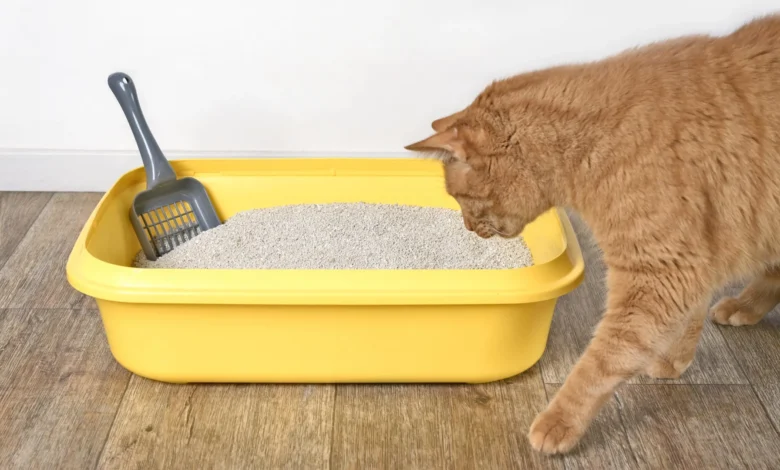
Domestic cats have long fascinated ethologists and animal behaviorists with their complex olfactory capabilities, relying heavily on scent marking to navigate their social hierarchies, establish territories, and gather information about conspecifics. For centuries, pet owners and scientists alike have observed how a cat can intensely investigate a patch of urine or a rubbed surface left behind days, or even weeks, prior. This behavior poses a fundamental scientific puzzle: because most volatile odor molecules evaporate, break down, or chemically transform shortly after deposition, how can an animal accurately determine who originally left a scent mark that is constantly evolving in the environment?
A groundbreaking international study led by researchers from Iwate University in Japan, in collaboration with scientific teams in Germany and Spain, has successfully addressed this enduring question. By examining domestic cats and wild members of the feline family, the research group identified a group of 13 unusual branched-chain fatty acids (BFAs) present in cat urine. These compounds form distinct, durable chemical profiles unique to individual cats, offering a sophisticated explanation for how cats maintain long-term scent recognition. The comprehensive findings, which also shed light on a century-old medical and anatomical mystery concerning feline kidney physiology, have been published in the scientific journal Current Biology.
Establishing Behavioral Evidence of Long-Term Scent Memory
Before delving into the biochemistry of cat urine, the research team, spearheaded by Professor Masao Miyazaki of Iwate University, needed to empirically establish the extent of domestic cats’ olfactory recognition capabilities. While it was widely understood that cats use scent to communicate, the limits of their individual recognition and memory retention over time had not been rigorously quantified in a controlled laboratory setting.
To test this, the researchers exposed domestic cats to various urine samples under controlled conditions. When a cat was presented with the same urine sample repeatedly, researchers observed habituation: the animal progressively spent less time sniffing and investigating the mark. However, when the sample was abruptly swapped with urine from an unfamiliar cat, the animals immediately renewed their investigative efforts, showing a sharp spike in sniffing duration.
Most remarkably, the study revealed that cats maintained reduced responses to previously encountered urine odors even after intervals lasting several months. This behavioral pattern indicates that felines possess robust long-term memory capabilities specifically tailored for individual scent profiles. Furthermore, the researchers monitored the flehmen response—a characteristic behavioral display in which an animal curls its upper lip to draw airborne scent molecules into the vomeronasal organ. Cats displayed the flehmen response significantly more often when investigating unfamiliar urine compared to their own. As the same urine sample was presented repeatedly, the frequency of the flehmen response declined, only to surge again when a novel urine sample was introduced.
"After confirming that cats can distinguish individual urine odors, we used the flehmen response as a clue to identify urinary molecules that may contribute to individual scent recognition," Professor Miyazaki explained, detailing the progression of the multi-year investigative framework.
The Discovery of 13 Unusual Branched-Chain Fatty Acids
Guided by behavioral observations, the research team fractionated the lipid components of the urine samples to isolate the specific compounds driving the response. Their chemical analysis ultimately revealed 13 unusual branched-chain fatty acids (BFAs). A thorough review of existing biochemical literature confirmed that these specific BFAs had never before been documented in the excretions or secretions of any other mammalian species, marking a completely novel discovery in mammalian chemical ecology.
The uniqueness of the discovery lies not in any single compound, but in the combinatorial pattern they form. Each domestic cat possesses a distinctive BFA profile dictated by the specific combination and relative abundance of these 13 fatty acids. While these profiles varied considerably from one individual to another, they remained remarkably stable when the same cats were sampled repeatedly over extended periods.
Furthermore, genetic analysis indicated that hereditary factors influence these profiles. Related cats generally exhibited more similar BFA patterns, though each animal retained a distinct signature even within the same familial lineage. Crucially, these fatty acids proved exceptionally durable. While highly volatile compounds evaporate rapidly and alter the scent mark’s composition, BFAs are semi-volatile, evaporating at a much slower rate. Laboratory tests demonstrated that when urine-soaked samples were stored at a controlled temperature of 25°C, their distinctive BFA profiles remained stable for at least 24 hours, providing the chemical longevity required for enduring scent marks.
Perception and Validation of Chemical Differences
To confirm that these newly identified BFAs were actually responsible for the cats’ behavioral reactions rather than serving as inert chemical byproducts, the researchers conducted controlled sensory experiments.
By isolating the lipid fraction of the urine and artificially manipulating only the donor-derived BFA components while keeping all other lipid constituents constant, the team tested the cats’ perceptual acuity. When cats that had grown accustomed to a baseline sample were exposed to a sample where only the BFA fraction had been altered to match a different donor, their investigative sniffing immediately resumed. This behavioral shift proved that felines can actively perceive subtle differences among individual BFA compositions, validating the hypothesis that these fatty acids act as functional chemical identifiers.
Solving a Century-Old Feline Kidney Mystery
In the course of analyzing the chemical pathway of BFAs, the research team uncovered an unexpected anatomical clue linked to the kidneys. Utilizing tissue-sampling techniques, the scientists detected BFAs exclusively within the kidney tissues, while other tested bodily tissues remained devoid of the compounds. Specifically, lipids containing BFAs were found inside neutral lipid droplets located within the renal cortex.
These renal lipid droplets have baffled mammalian physiologists and histologists for more than a century. It has long been established that domestic cats possess an unusually high concentration of lipid droplets inside their kidneys, yet the biological purpose behind this anatomical feature has remained an open question in veterinary science.
The research team hypothesizes that these abundant kidney droplets function as a specialized storage reservoir for BFA-containing lipids. By maintaining an internal biological reserve, the feline body can buffer short-term fluctuations caused by dietary changes, seasonal shifts, or temporary physiological stress. This renal buffering mechanism likely ensures that the cat’s urinary BFA profile remains consistent over time, preventing temporary health or environmental variables from altering its permanent chemical calling card.
"Lipid droplets in the cat kidney have been known for more than a century, but why cats have so many of them has remained a mystery," said Professor Miyazaki. "Our findings suggest that one of their functions may be to support a stable chemical signature in urine. How BFAs stored in renal lipids are ultimately released into urine is an important question for future research."
Conservation and Evolutionary Implications Across Felidae
Seeking to understand whether this biochemical trait is unique to domestic cats or shared across the broader feline lineage, the researchers expanded their analysis to wild felid species. Utilizing samples from international zoological and conservation partners, the team detected BFA-related compounds in the urine and renal lipid droplets of multiple wild cats, including lions, tigers, leopards, jaguars, lynxes, and the Iriomote cat.
Despite the widespread presence of these compounds across the family Felidae, the exact BFA profiles and the density and distribution of renal lipid droplets varied significantly between species. Intriguingly, distinct chemical and physiological differences were even observed between the Iriomote cat and the Tsushima leopard cat, two geographically isolated subspecies of the leopard cat native to Japan.
These comparative findings suggest that BFA-mediated chemical communication and specialized renal physiology are ancient, evolutionarily conserved traits within Felidae that have diversified over millions of years of adaptation. While further field studies are required to determine whether wild apex predators like lions and tigers actively utilize BFA profiles for individual recognition in natural habitats, the broad taxonomic distribution points to a fundamental evolutionary strategy shared across the cat family.
Broader Impacts on Animal Communication and Future Applications
The discovery of the BFA identity system addresses a long-standing theoretical gap in mammalian chemical communication. While researchers have long understood how species like mice utilize major urinary proteins (MUPs) to stabilize individual scent profiles against environmental degradation, a corresponding protein-based mechanism had not been identified across many other mammalian lineages. The revelation that cats utilize semi-volatile lipid-derived molecules supported by a renal storage reservoir introduces a novel paradigm for how animals preserve individual identity in ephemeral scent marks.
Although this research currently remains rooted in fundamental science rather than immediate commercial development, experts note that the findings hold significant potential for several future applications. A granular understanding of BFA chemistry could eventually lead to advanced, targeted methods for managing or neutralizing persistent cat urine odors in domestic environments. Furthermore, the insights into renal lipid accumulation may assist medical researchers studying normal versus pathological lipid storage in mammalian kidneys.
From a conservation standpoint, the discovery offers promising implications for wildlife monitoring. If field researchers can successfully validate that BFA profiles extracted from environmental samples can reliably identify individual wild felids, non-invasive genetic and chemical tracking could become a powerful tool. Conservationists could potentially monitor elusive, endangered wild cats across vast territories through environmental sample collection alone, minimizing the need for stressful physical captures or direct observation.
Ultimately, what began as an inquiry into the behavioral mechanisms of domestic cat scent recognition has successfully illuminated a century-old physiological mystery within the feline kidney, offering profound new insights into the complex chemical world of mammalian communication.