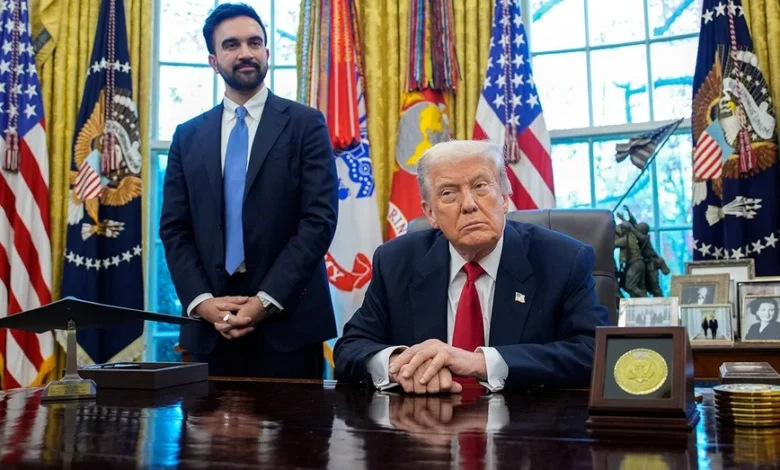
New York City Mayor Zohran Mamdani is set to host President Donald Trump at Gracie Mansion on Monday for a high-level summit aimed at addressing the most pressing challenges facing the nation’s largest metropolis. The meeting, confirmed by the mayor’s office, marks a significant moment in the ongoing dialogue between the federal executive branch and the administration of one of the country’s most prominent progressive municipal leaders. While the specific agenda for the meeting remains undisclosed, both offices have signaled that the conversation will center on the logistical and economic hurdles currently impacting New York City.
A History of Diplomatic Engagement
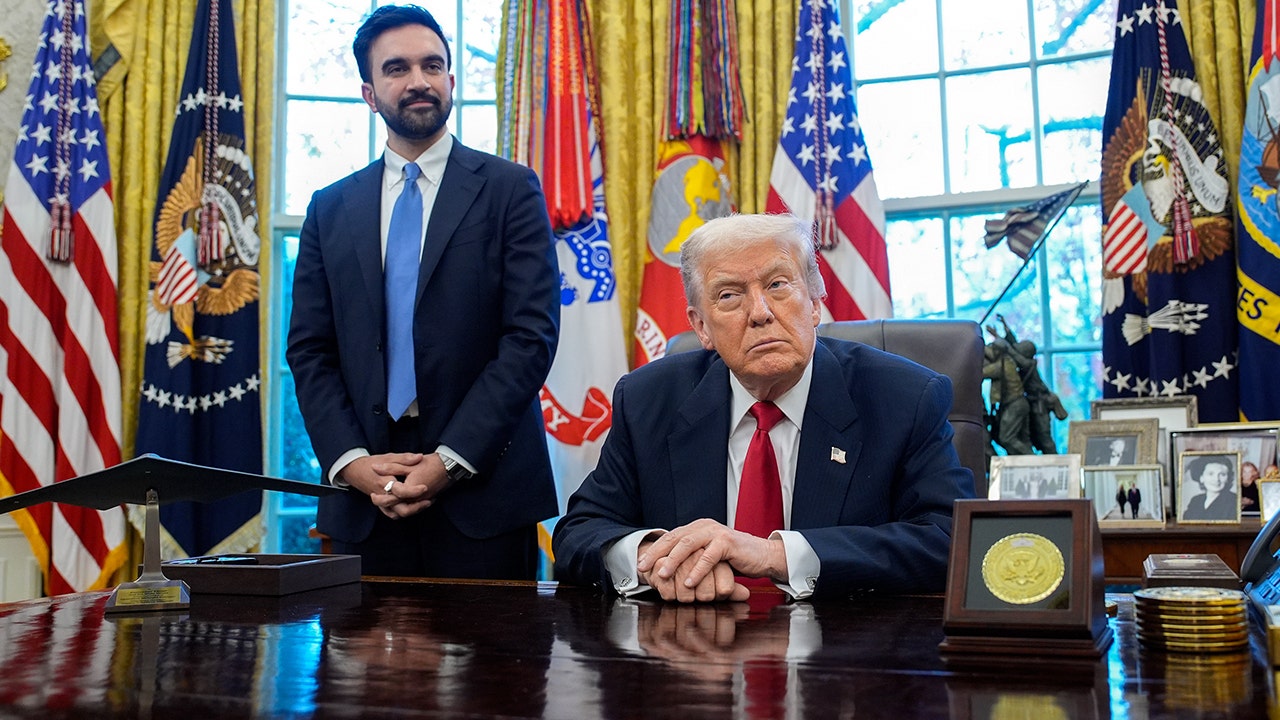
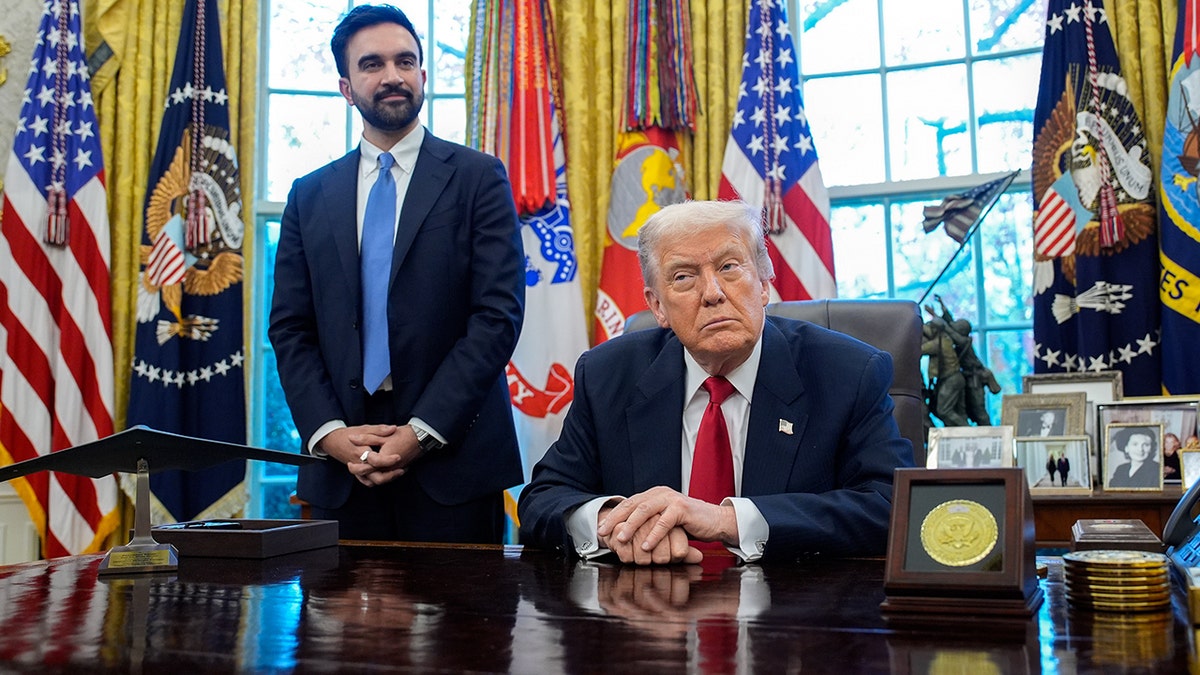
The upcoming meeting at the mayor’s official residence represents the third formal face-to-face encounter between President Trump and Mayor Mamdani since the latter assumed office. The pair first established a working relationship in November 2025, shortly after Mamdani’s mayoral victory, with an inaugural meeting held in the Oval Office. That initial encounter was framed by both parties as a constructive attempt to bridge the ideological divide between a Republican federal administration and a city government led by a representative of the Democratic Socialists of America (DSA).
A second meeting followed in February of this year, which further solidified the channel of communication between Washington and City Hall. These consistent interactions are notable given the political divergence between the two figures. While President Trump’s policies often emphasize deregulation and conservative economic approaches, Mayor Mamdani has centered his administration on aggressive housing reform, rent stabilization, and social infrastructure investment. Despite these policy differences, both leaders have publicly committed to a pragmatic approach to governance, focusing on outcomes that benefit the city’s eight million residents.
The Context of the Midterm Election Cycle
The timing of the meeting is particularly sensitive as the United States enters the final, high-intensity weeks of the midterm election cycle. Political analysts suggest that the meeting serves as a microcosm of the broader national debate regarding the direction of the Democratic Party. As DSA-backed candidates continue to secure victories in primaries across the country, the Mamdani administration has become a focal point for both supporters and critics of the progressive movement.
For the White House, the meeting offers an opportunity to engage directly with a key urban power center, potentially facilitating federal-municipal partnerships on infrastructure projects, public safety initiatives, and federal funding allocations. For Mayor Mamdani, the meeting is a test of his ability to navigate the complex relationship between a progressive local platform and a federal government that holds significant sway over the city’s economic levers.
Economic Realities: The Burden of Affordability
Central to the discussions in previous meetings—and likely to remain a priority on Monday—is the issue of urban affordability. New York City currently faces an unprecedented housing crisis, with rent prices reaching historical highs and vacancy rates for affordable units hovering near record lows. Mayor Mamdani has consistently identified housing as the "centerpiece of his administration," frequently citing the need for federal assistance to expand low-income housing vouchers and incentivize the construction of workforce housing.
Economic data from the past year indicates that while New York City’s economy has shown resilience, the cost-of-living index remains a significant barrier to middle-class retention. The city’s median rent for a one-bedroom apartment has increased by nearly 12% over the last 24 months, outpacing wage growth for many essential service workers. By bringing these issues to the desk of the President, Mamdani is seeking to leverage federal influence to address structural economic challenges that municipal tax policy alone cannot resolve.
Preparing for the Global Stage
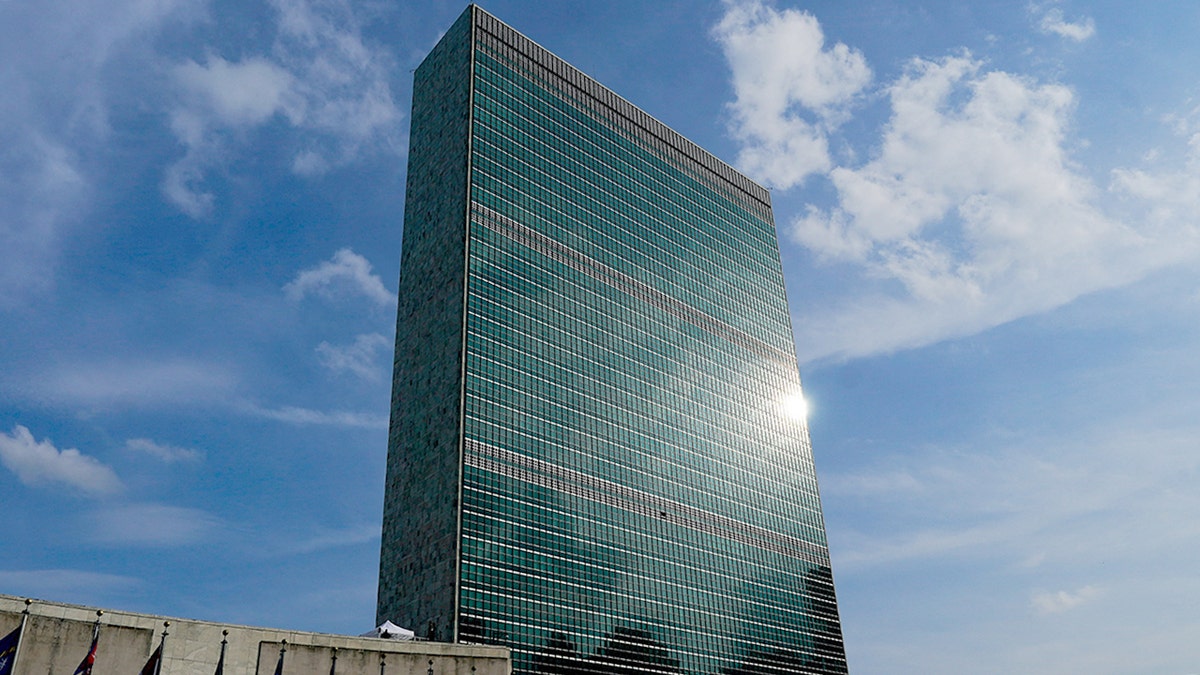
The summit also coincides with the city’s preparations for the annual United Nations General Assembly. Each September, New York City transforms into the diplomatic capital of the world, hosting thousands of delegates, heads of state, and security personnel. The logistical burden of hosting such an event is immense, requiring seamless coordination between the New York Police Department, federal intelligence agencies, and the Secret Service.
The meeting at Gracie Mansion is expected to touch upon the logistical preparations for the assembly, including federal funding for security and the management of city infrastructure during the summit. Given the high-profile nature of the event and the presence of world leaders, the security requirements are paramount, and the cooperation between the President and the Mayor is vital to ensuring the smooth operation of the city during this high-stakes period.
Fact-Based Analysis of Policy Implications
The collaboration between a conservative president and a socialist-aligned mayor is a unique dynamic in contemporary American politics. Political scientists suggest that this cooperation, while sometimes viewed with skepticism by the extremes of both parties, serves a necessary function in American federalism. By maintaining an open line of communication, both leaders can effectively manage the "friction points" of governance.
For President Trump, demonstrating the ability to work with a progressive mayor can be framed as a commitment to national unity and a focus on "results over rhetoric." For Mayor Mamdani, the access provides the city with a direct conduit to federal resources that might otherwise be stifled by partisan bureaucracy. However, this pragmatic alignment does not come without risks. Both leaders face pressure from their respective political bases to maintain their core ideologies. Critics of the partnership argue that it may alienate core supporters, while proponents see it as the only viable path to meaningful legislative progress in a hyper-polarized environment.
Official Responses and Future Outlook
As of the time of reporting, the White House has not released a formal statement regarding the specific topics on the agenda for Monday’s discussion, nor has it provided a definitive start time for the event. A spokesperson for the mayor’s office reiterated that the meeting is intended to be a "productive dialogue on the future of New York City," emphasizing that the focus will remain on tangible issues such as infrastructure investment, public safety, and the city’s economic recovery.
Looking ahead, the success of this meeting may be measured by the follow-up actions taken by the federal government in the months following the midterm elections. If the two leaders can reach a consensus on even a few key policy areas, it could set a precedent for inter-governmental relations in a divided political climate. Conversely, if the meeting remains primarily symbolic, it may reflect the growing difficulty of achieving federal-municipal cooperation in an era defined by ideological rigidity.
A Chronology of the Relationship
- November 2025: Mayor Zohran Mamdani and President Donald Trump hold their first meeting in the Oval Office, signaling a willingness to engage despite ideological differences.
- February 2026: A second meeting is held at the White House, focusing on federal-municipal cooperation, with both parties expressing cautious optimism about future collaboration.
- April 2026: Mayor Mamdani begins a series of public appearances to highlight the city’s affordability agenda, building public momentum for his policy platform.
- September 2026: The city prepares for the United Nations General Assembly, providing the backdrop for ongoing discussions regarding security and city resources.
- October 2026: The President and Mayor are scheduled to meet at Gracie Mansion to continue their discussions as the midterm election season reaches its climax.
As the city braces for the influx of global leaders and the final push of the electoral season, the meeting at Gracie Mansion serves as a critical juncture. Whether this encounter leads to substantive policy shifts or remains a high-level gesture, the meeting highlights the importance of the ongoing relationship between the American executive and the leaders of the nation’s most vital economic engines. The eyes of both the political establishment and the general public will be on the proceedings, as they look for signs of whether this unique partnership can deliver the solutions that New Yorkers are demanding.