A federal appeals court has issued a definitive and controversial ruling in the ongoing legal battle over the water crisis in Jackson, Mississippi, determining that the United States Constitution does not grant citizens an inherent right to clean and safe drinking water. The decision, handed down by the Fifth U.S. Circuit Court of Appeals on September 4, effectively bars residents from seeking constitutional redress for the systemic failures that have plagued the majority-Black capital city for decades.
The ruling is a significant setback for advocates who have long argued that the Fourteenth Amendment’s protection of bodily integrity should extend to the fundamental human necessity of potable water. By affirming a lower court’s dismissal of a class-action lawsuit brought by Jackson residents, the appellate court has established a stark legal precedent: while state and local governments may have regulatory obligations, the U.S. Constitution does not mandate the provision of safe water, nor does it guarantee the right to truthful information from officials during a public health emergency.
The Legal Conflict: Bodily Integrity vs. Constitutional Silence
The lawsuit, initiated in 2022, centered on the experiences of Jackson residents who alleged that local officials were aware of widespread lead contamination and other water quality issues but deliberately misled the public regarding the safety of the municipal supply. The plaintiffs argued that these actions constituted a violation of their constitutional right to bodily integrity, contending that the state effectively exposed them to harm through a combination of neglect and deception.
In his opinion for the court, Judge Kurt Engelhardt acknowledged the gravity of the situation, noting that the conditions described by the plaintiffs were undoubtedly "important." However, the court applied a narrow "originalist" interpretation, ruling that access to safe water is not a right "deeply rooted in our Nation’s history and tradition." The court further dismissed claims regarding the government’s obligation to provide accurate information, drawing a sharp distinction between intentional state-sanctioned physical harm and the bureaucratic failure to disclose environmental hazards. Judge Engelhardt wrote, "The Constitution does not provide redress for every governmental wrongdoing," a statement that has sent shockwaves through legal and civil rights circles.
A Chronology of Crisis: Decades of Deterioration
The legal ruling arrives against a backdrop of prolonged infrastructure failure that has made Jackson a national symbol of environmental injustice. The city’s water woes are not a recent phenomenon but the result of a decades-long erosion of public utility capacity.
- 1970s–1990s: Systematic "white flight" and the erosion of the city’s tax base begin to limit the funds available for critical infrastructure maintenance.
- March 2020: The Environmental Protection Agency (EPA) issues an emergency order, explicitly warning that Jackson’s water system presents an "imminent and substantial endangerment" to public health due to outdated treatment and distribution mechanisms.
- February 2021: A historic winter storm causes widespread pipe bursts and equipment failure, leaving over 150,000 residents without running water for weeks.
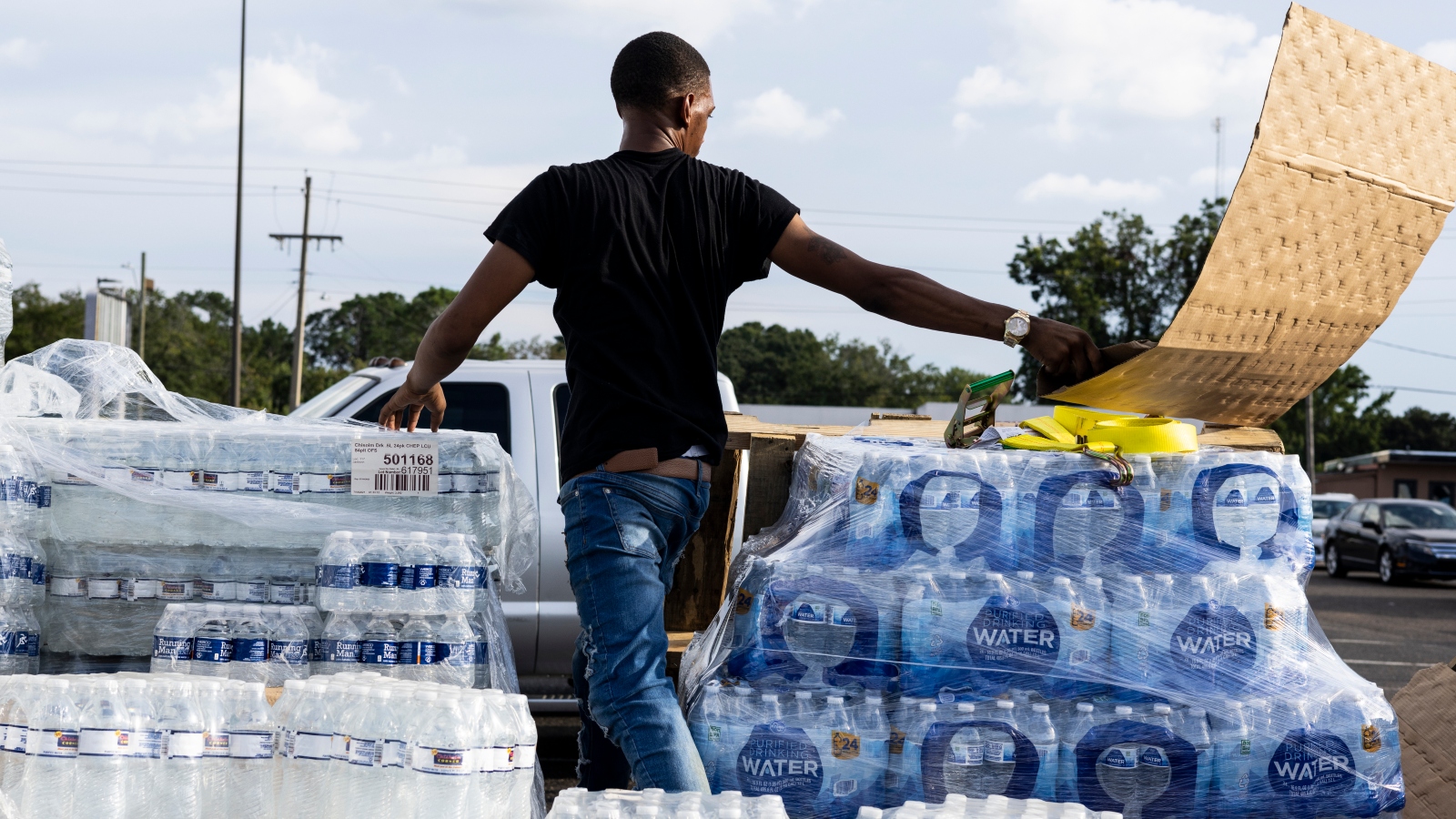
- August 2022: Heavy rainfall triggers failures at the O.B. Curtis Water Treatment Plant, leading to a complete collapse of the city’s water pressure and leaving residents without safe drinking water for bathing, cooking, or consumption.
- November 2022: A federal judge appoints a third-party manager to oversee the water system, stripping the city of day-to-day control over the utility.
- September 2024: The Fifth Circuit Court of Appeals dismisses the lawsuit, solidifying the legal conclusion that federal courts are not the venue for addressing systemic water infrastructure failures.
The Data of Disparity: Race and Environmental Neglect
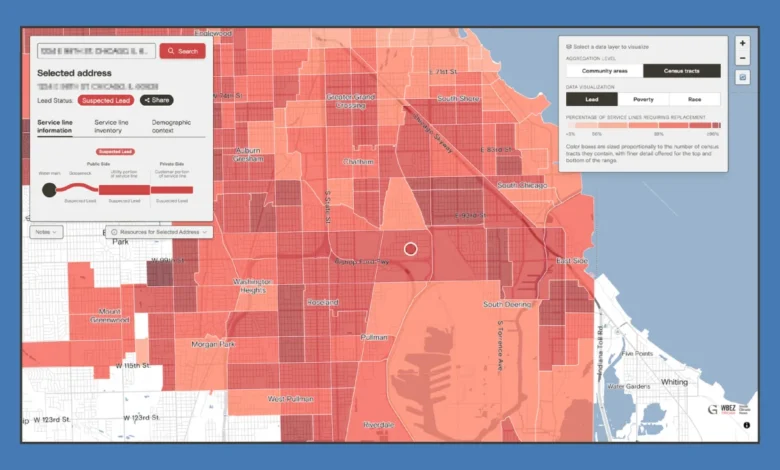
The Jackson crisis is supported by a wealth of empirical data illustrating that the failure of water systems is not distributed equally across the United States. Federal data from the Environmental Protection Agency consistently shows that communities with higher Black populations are statistically more likely to experience violations of the Safe Drinking Water Act.
Research conducted by organizations such as the Natural Resources Defense Council and academic institutions confirms that even when violations occur, water systems in Black communities face longer delays in securing the necessary funding and technical support for repairs compared to predominantly white communities. In Jackson, where the population is over 80 percent Black and the poverty rate is more than double the national average, the intersection of race and economic status has created a "perfect storm" of municipal inability to address aging infrastructure.

The impact on public health is equally documented. Lead, which leaches from old pipes into the water supply, has been linked to lifelong cognitive impairment, developmental delays in children, and various kidney and cardiovascular issues. Residents like Gwendolyn Reed-Davis, who reported physical ailments and the necessity of traveling long distances to bathe, represent thousands of families whose daily lives are defined by the lack of a basic utility.
Official Responses and the Burden of Cost
The city of Jackson, currently under federal oversight via the entity known as JXN Water, has maintained a position of cautious cooperation with federal authorities. Mayor John Horhn responded to the court’s ruling with a brief statement, noting that the city was "pleased" the court upheld the dismissal, emphasizing the city’s commitment to the future of the system.
However, the path forward remains financially fraught. To fund the massive upgrades required to bring the system up to modern standards, JXN Water has implemented a series of rate hikes. In March, a court-approved 12 percent increase brought the average residential bill to approximately $88 per month. Further increases are scheduled for 2027, 2028, and 2029. Critics point out that in a city with such a high poverty rate, these costs place an unsustainable burden on the very residents who have already suffered the most from the systemic failure.
Broader Implications: A New Era of Environmental Rights
The ruling by the Fifth Circuit has broader implications for environmental justice litigation across the country. By narrowing the scope of the Fourteenth Amendment’s protections, the court has effectively signaled that environmental rights must be sought through legislative and regulatory frameworks rather than constitutional litigation.
Danyelle Holmes, a senior national organizer with the Poor People’s Campaign, summarized the frustration felt by many in the community: "Jackson residents did everything this country tells poor people to do. They organized, they testified, they boiled their water, they filed suit, they trusted the courts. And at every step the answer has been no."
The legal analysis suggests that for advocates, the path forward now lies in strengthening the Safe Drinking Water Act and the Clean Water Act, or lobbying for state-level constitutional amendments that specifically recognize the right to clean water. Without such legislative changes, the "right to water" remains a political aspiration rather than a legally enforceable mandate.
As Jackson continues to rebuild its infrastructure under federal management, the case remains a sobering reminder of the limits of the judiciary in addressing environmental inequality. The ruling affirms that in the current legal landscape, the duty to provide safe water is not an inalienable right, but a service dependent on the fiscal health and political will of local governments. For the people of Jackson, the struggle is no longer just about the water coming from their taps; it is about the long-term sustainability of a city left to navigate a public health crisis without the shield of constitutional protection.