Toddler Proofing Your Home: A Comprehensive Guide to Creating a Safe Environment
The arrival of a toddler marks a significant and exciting phase for any family. With their burgeoning independence and insatiable curiosity, toddlers explore their world with gusto, which can be both heartwarming and, for parents, a constant source of anxiety. Toddler proofing your home isn’t merely about protecting your child from accidental harm; it’s about fostering an environment where they can safely learn, grow, and discover. This comprehensive guide will delve into every crucial aspect of toddler proofing, from securing furniture to managing choking hazards, ensuring your home becomes a haven for your little explorer.
Securing Furniture and Preventing Tip-Overs: A Critical First Step
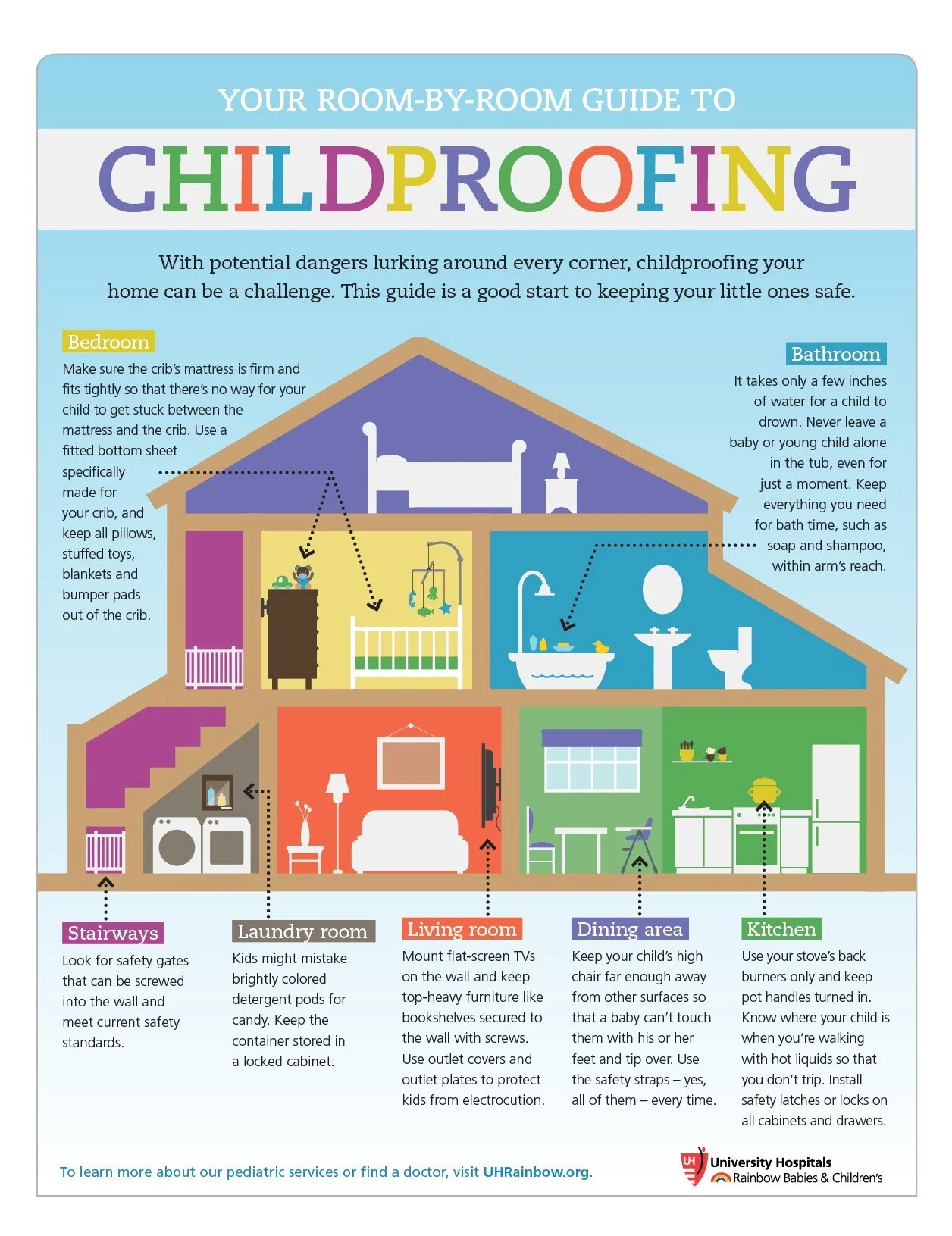
One of the most immediate and significant dangers toddlers face indoors is furniture tip-overs. As they learn to pull themselves up, cruise along furniture, and eventually climb, even seemingly stable items like dressers, bookshelves, and televisions can become hazards. Toddlers, with their surprising strength and lack of risk assessment, can easily topple these objects onto themselves. Therefore, securing all tall or heavy furniture is paramount.
Furniture Anchors and Straps: The most effective solution is the use of furniture anchors and straps. These devices, readily available at most home improvement and baby supply stores, attach to the furniture and then to the wall studs. Ensure you locate wall studs for a secure attachment; simply screwing into drywall is insufficient. For items that cannot be anchored directly to the wall, consider using furniture straps that connect one piece of furniture to another, creating a more stable unit. This is particularly important for dressers and chests of drawers, which are often the most frequent culprits of tip-over accidents.
Television Safety: Televisions, especially older, heavier CRT models, are a major tip-over risk. Flat-screen TVs, while lighter, can still pose a danger if they are not properly secured. Utilize specialized TV straps designed to anchor the television to its stand or, ideally, to the wall. Remove any tempting pulling points, such as dangling cables.
Bookshelf and Cabinet Stability: Tall bookshelves and cabinets should also be anchored. If your bookshelves are not designed for anchoring, consider using L-brackets to secure them to the wall. Ensure drawers and cabinet doors are not accessible to your toddler. This leads us to the next crucial area: securing cabinets and drawers.
Cabinet and Drawer Safety: Keeping Little Hands Out of Harm’s Way
Toddlers are naturally drawn to exploring enclosed spaces, and cabinets and drawers are prime targets. These can contain a multitude of hazards, from cleaning supplies and medications to sharp objects and small, ingestible items.
Childproof Latches and Locks: The market offers a wide variety of childproof latches and locks. For cabinets and drawers that contain dangerous items, magnetic locks are a highly effective and discreet option. These require a magnetic key to open, making them virtually impossible for a toddler to bypass. Adhesive latches are another popular choice, easy to install and remove without damaging surfaces, though some older toddlers may eventually figure out how to pry them open. For drawers that pull out completely, consider drawer stops that prevent them from being removed from their glides.
Contents of Cabinets and Drawers: Beyond securing the cabinets themselves, it’s essential to assess their contents. Relocate any hazardous materials, such as cleaning chemicals, medications (prescription and over-the-counter), batteries, and sharp objects like knives and scissors, to high, inaccessible shelves or secure storage areas. Even seemingly innocuous items like plastic bags can pose a suffocation risk.
Creative Solutions: For less critical cabinets, such as those containing everyday dishes or plastic containers, you might opt for simpler solutions like securing only the doors that hold genuinely dangerous items and allowing your toddler access to a designated “safe” cabinet filled with safe items like plastic bowls and spoons. This can satisfy their desire for exploration without compromising their safety.
Electrical Outlet and Cord Safety: Eliminating Shock Hazards
Electrical outlets and cords present a significant shock hazard for curious toddlers. Their fascination with plugging and unplugging items, and exploring the small openings of outlets, can lead to severe injuries.
Outlet Covers: The most common and essential toddler proofing measure is the use of outlet covers. There are various types available, including simple plastic plugs that fit snugly into the outlet, and sliding outlet covers that automatically close when an item is unplugged. Choose covers that are difficult for your toddler to remove. For outlets that are not in use, consider purchasing plate covers that completely block access to the electrical components.
Cord Management: Loose electrical cords are a tripping hazard and can also be a temptation for toddlers to chew on or pull. Secure all cords behind furniture, use cord shorteners, or invest in cord covers that bundle them together neatly. Ensure that any cords from appliances that are frequently used are not dangling where a toddler can reach them.
Appliance Cords: Consider unplugging small appliances when they are not in use, such as toasters and blenders, and storing their cords safely. For larger appliances with accessible cords, such as washing machines, ensure they are secured and out of reach.
Window and Blind Safety: Preventing Falls and Strangulation
Windows and blinds, while offering natural light and views, can pose serious safety risks for toddlers, including falls and strangulation hazards.
Window Guards and Safety Stops: For windows on upper floors or in accessible areas, consider installing window guards. These are typically metal bars that prevent a child from falling through the window. Alternatively, window safety stops can be installed to limit how far a window can be opened, ensuring it remains too narrow for a child to fit through.
Blind Cord Safety: Window blind cords are a significant strangulation hazard. Toddlers can become entangled in the loops, leading to tragic accidents. The most effective solution is to eliminate the cords altogether by opting for cordless blinds or shades. If you have existing blinds with cords, use cord cleats to securely wrap and store the cords high out of reach. Cut any accessible loops and ensure there are no dangling cords.
Balcony and Deck Safety: If your home has a balcony or deck, ensure that railings are spaced closely enough to prevent a child from squeezing through. Any gaps larger than four inches should be addressed.
Stairway Safety: Containing and Protecting Little Climbers
Stairs are a significant obstacle and potential danger for toddlers. Their developing motor skills make navigating stairs a risky endeavor.
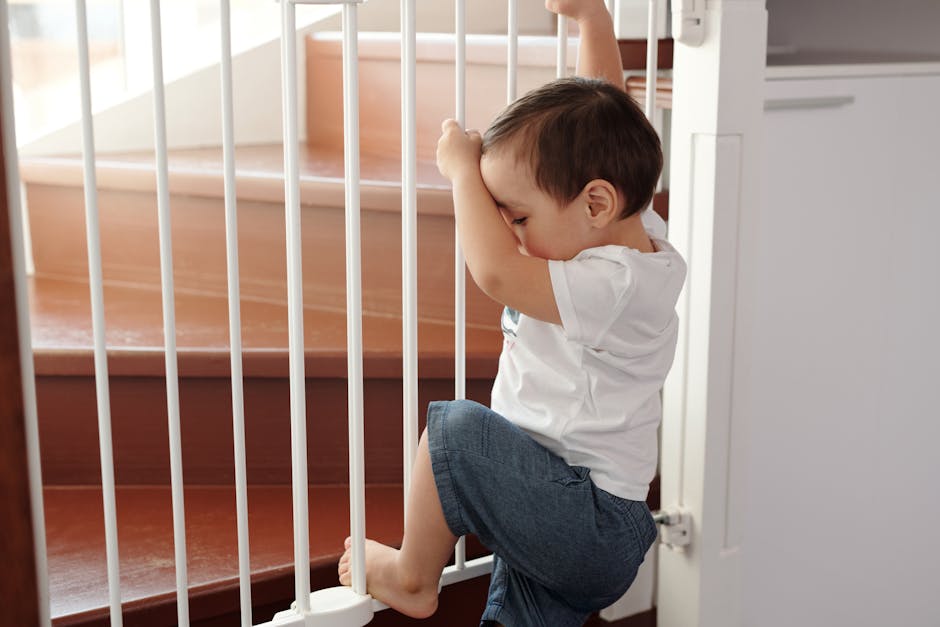
Stair Gates: Robust stair gates are essential for both the top and bottom of staircases. For the top of stairs, a hardware-mounted gate is crucial. These are securely screwed into the wall and banish the risk of a gate being knocked over. Pressure-mounted gates, while easier to install, are generally not recommended for the top of stairs due to the potential for them to be pushed open. Ensure gates are installed correctly according to the manufacturer’s instructions.
Stair Tread Protection: Consider non-slip treads for your stairs to provide extra grip and reduce the risk of slips and falls, especially if your stairs are made of wood or have a smooth surface.
Removing Temptations: Keep the stairs clear of toys and other items that might encourage climbing or create tripping hazards.
Choking and Suffocation Hazards: A Constant Vigilance
Choking and suffocation are among the most common and serious dangers toddlers face. Their tendency to put small objects into their mouths necessitates a meticulous approach to identifying and eliminating these hazards.
Small Objects: Anything that can fit through a toilet paper roll tube is a potential choking hazard. This includes coins, buttons, marbles, small toy parts, batteries, jewelry, and even certain food items. Regularly sweep and vacuum floors, and perform a thorough inspection of play areas.
Food Safety: When preparing food for toddlers, cut it into small, manageable pieces. Avoid offering whole grapes, hot dogs, nuts, popcorn, and hard candies, which are common choking hazards. Supervise your toddler closely during mealtimes.
Toy Safety: Ensure all toys are age-appropriate and free from small, detachable parts. Inspect toys regularly for damage.
Suffocation Hazards: Beyond blind cords, other suffocation risks include plastic bags, balloons, and loose bedding in cribs. Keep plastic bags out of reach and never allow young children to play with deflated balloons. Ensure cribs meet current safety standards and are free of bumpers, loose blankets, and stuffed animals for infants.
Bathroom Safety: A Wet and Slippery Minefield
The bathroom, with its water, cleaning supplies, and slippery surfaces, presents a unique set of dangers for toddlers.
Water Safety: Never leave a toddler unattended in the bathtub, even for a moment. Use a non-slip mat in the tub and on the bathroom floor. Set your water heater to a safe temperature (no higher than 120°F or 49°C) to prevent scalds.
Toilet Safety: Install a toilet seat lock to prevent toddlers from opening the lid, which can lead to drowning or falling in. Ensure toilet lid is always down when not in use.
Cleaning Supplies and Medications: Store all cleaning supplies and medications in locked cabinets, well out of reach. Double-check that all medications are out of sight and securely stored.
Sharp Objects: Keep razors, tweezers, and other sharp objects stored safely and out of reach.
Kitchen Safety: Culinary Hazards Abound
The kitchen, the heart of the home, also harbors numerous potential dangers for toddlers.
Appliance Safety: Keep toddlers away from the stove and oven. Use stove knob covers and an oven door lock. Ensure that appliance cords are not dangling where they can be pulled down.
Sharp Objects and Utensils: Store knives, graters, and other sharp utensils in locked drawers or high, inaccessible cabinets.
Hot Liquids and Foods: Be mindful of hot liquids like coffee, tea, and soup, and keep them well away from the edge of counters and tables. Ensure that food is cooled to a safe temperature before serving.
Small Appliance Hazards: Keep toasters, blenders, and other small appliances unplugged and stored safely when not in use.
Trash Cans: Secure trash cans with lids that are difficult for toddlers to open, especially those containing potentially harmful items.
General Home Safety Measures:
Beyond specific areas, several general safety measures contribute significantly to a toddler-proofed home.
Smoke Detectors and Carbon Monoxide Detectors: Ensure these are installed on every level of your home, and test them regularly.
First-Aid Kit: Maintain a well-stocked first-aid kit and know basic first-aid procedures.
Emergency Contact Information: Keep a list of emergency contact numbers (poison control, pediatrician, emergency services) readily accessible.
Regular Inspections: Make it a habit to conduct regular walk-throughs of your home, getting down on your toddler’s level, to identify any new or overlooked hazards. Toddlers are constantly evolving in their abilities and curiosity, so your vigilance must be ongoing.
Educate and Supervise: While toddler proofing creates a safer physical environment, it doesn’t replace supervision. Continue to teach your child about safety rules as they grow.
The Importance of Ongoing Vigilance:
Toddler proofing is not a one-time task. As your child grows and develops new skills, new potential hazards will emerge. What was safe yesterday might not be safe today. Regularly re-evaluate your home environment from your toddler’s perspective. They are ingenious explorers, and their ability to find trouble often outpaces our ability to anticipate it. A commitment to continuous vigilance and adaptation is the cornerstone of a truly safe home for your little one. By meticulously addressing each of these areas, you can create a secure and nurturing environment where your toddler can thrive and explore the world with confidence and joy.

