
Pinterest Launches Facebook Messenger Bot: Revolutionizing Discovery and Shopping
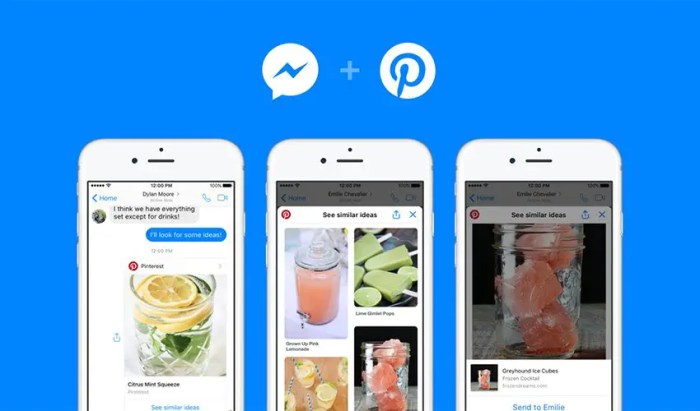
Pinterest’s strategic integration with Facebook Messenger marks a significant evolution in how users discover and engage with content, particularly for shopping. This new chatbot functionality leverages the ubiquitous nature of Messenger to bring Pinterest’s visual discovery engine directly into users’ conversations. The core value proposition lies in its ability to provide personalized recommendations and streamline the path from inspiration to purchase. By eliminating the friction of switching between apps, Pinterest aims to capture user intent at the moment it arises, transforming passive browsing into active consideration and conversion. This move is not merely about convenience; it’s a data-driven strategy to tap into a massive existing user base already accustomed to conversational commerce and to unlock new revenue streams for Pinterest and its partners. The chatbot’s capabilities extend beyond simple search; it offers curated collections, style advice, and direct links to products, effectively acting as a virtual personal shopper and stylist within a familiar messaging interface.
The technical architecture underpinning the Pinterest Messenger bot involves sophisticated natural language processing (NLP) and machine learning algorithms. When a user interacts with the bot, whether by typing a query or selecting pre-defined options, the NLP engine parses the input to understand the user’s intent, keywords, and sentiment. This understanding is then fed into Pinterest’s recommendation engine, which accesses the vast repository of Pins and associated metadata. Machine learning models, trained on billions of user interactions and Pin engagements, predict which items and ideas are most likely to resonate with the individual user. This personalization is crucial; the bot doesn’t just return generic search results. Instead, it aims to curate a highly relevant and inspiring selection based on the user’s stated needs and inferred preferences. For example, a query like "summer wedding guest dress ideas" will not only return dresses but will consider factors like season, formality, and even potentially the user’s past style choices on Pinterest, if available and permitted. The bot then formats this information into visually appealing messages within Messenger, often incorporating carousels of Pins, direct product links, and calls to action.
Key features of the Pinterest Messenger bot are designed to enhance user experience and drive engagement. One primary function is guided discovery, where users can initiate a conversation with prompts such as "What are you looking for today?" or "Tell me your style." This allows the bot to ask clarifying questions, narrowing down options and providing increasingly tailored suggestions. For instance, if a user expresses interest in home decor, the bot might follow up with questions about room type, desired aesthetic (e.g., modern, bohemian), and color palette. Another significant feature is the ability to search for specific products or styles. Users can upload images of items they like, and the bot will leverage Pinterest’s visual search technology to find similar products or inspiration. This is particularly powerful for users who may not know the exact terminology to describe what they’re looking for. The bot also facilitates direct purchasing by providing links to e-commerce sites, enabling a seamless transition from browsing to buying. Furthermore, the bot can offer curated collections based on popular trends, seasonal events, or specific themes, such as "DIY party ideas" or "back to school outfits." This proactive content delivery aims to inspire users even when they don’t have a specific search query in mind.
The strategic implications for Pinterest are multifaceted, primarily revolving around user acquisition, retention, and monetization. By integrating with Messenger, Pinterest gains access to a massive, engaged user base that might not actively use the Pinterest app or website. This expands Pinterest’s reach and introduces new potential users to its platform, driving organic growth. For existing users, the Messenger bot offers a more convenient and integrated experience, increasing engagement and time spent on the platform’s content, even outside the core Pinterest interface. This enhanced engagement can lead to higher retention rates. From a monetization perspective, the bot serves as a powerful new advertising and e-commerce channel. Businesses can leverage the bot to showcase their products directly to highly targeted audiences, leading to increased click-through rates and conversions. Pinterest can further monetize through affiliate partnerships and by offering enhanced advertising solutions for businesses that want to promote their products via the bot. This move aligns with the broader trend of conversational commerce, where messaging apps are becoming increasingly important touchpoints for customer interaction and purchasing decisions.
For brands and retailers, the Pinterest Messenger bot presents a novel and potentially highly effective channel for reaching consumers. The ability to engage with users in a conversational, personalized manner allows brands to build stronger relationships and understand customer needs more deeply. Instead of a one-size-fits-all ad, brands can present tailored product recommendations based on the user’s specific inquiries or demonstrated interests. This can lead to a higher quality of leads and a more efficient use of marketing budgets. Furthermore, the visual nature of Pinterest combined with the immediacy of Messenger means that products can be showcased in an engaging and aspirational way, directly influencing purchasing decisions. Retailers can use the bot to drive traffic to their websites, showcase new collections, or even offer exclusive discounts to Messenger users. The bot acts as a 24/7 virtual sales assistant, available to answer questions and guide customers through their shopping journey. For smaller businesses or independent creators, the bot democratizes access to sophisticated marketing tools, allowing them to compete more effectively in the online marketplace.
The technical underpinnings of the bot’s visual search capability are particularly noteworthy. Pinterest has long been a leader in visual discovery, and its Messenger bot extends this expertise into the chat interface. When a user uploads an image, the bot utilizes sophisticated computer vision algorithms to analyze the image’s content, identifying objects, patterns, colors, and textures. This analysis is then cross-referenced with Pinterest’s vast index of visual data, which includes billions of images and their associated metadata. The goal is to find visually similar Pins and products. This could be anything from identifying a specific furniture item in a room to recognizing a style of clothing or a particular type of flower. The accuracy and speed of this visual search are critical to the bot’s utility. Users uploading an image expect to receive relevant results quickly, and Pinterest’s investment in AI and machine learning plays a crucial role in delivering this. This feature transforms passive visual inspiration into an active search tool, allowing users to "shop the look" or find specific items they’ve seen and admired, even if they don’t know the precise name or brand.
User privacy and data security are paramount considerations for any platform integrating conversational AI. Pinterest, by leveraging Facebook Messenger, operates within a dual-layered privacy framework. Interactions within the Messenger bot are subject to both Pinterest’s and Facebook’s respective privacy policies. Pinterest emphasizes that it collects data to improve user experience and personalize recommendations, and this data is handled in accordance with its privacy policy. Users have control over their data and can manage their privacy settings on both platforms. For example, users can choose to limit the data that Pinterest collects or disconnect their accounts. The bot’s ability to access user data is typically governed by explicit consent and the context of the conversation. When a user initiates a search or asks for recommendations, they are implicitly agreeing to share relevant information for the purpose of receiving those results. Pinterest’s commitment to transparency regarding data usage is essential for building trust with its user base, especially when venturing into more intimate conversational interfaces. The integration requires careful consideration of how personal information is shared and processed to ensure compliance with regulations like GDPR and CCPA.
The future trajectory of conversational commerce, as exemplified by Pinterest’s Messenger bot, points towards increasingly sophisticated and integrated shopping experiences. We can anticipate bots that offer more proactive and personalized assistance, anticipating user needs before they are even explicitly stated. This might involve bots that analyze a user’s calendar and suggest outfit ideas for upcoming events or offer recipe suggestions based on ingredients they might have at home. The integration of augmented reality (AR) within these conversational interfaces is another likely development, allowing users to virtually "try on" clothing or visualize furniture in their own spaces directly through Messenger. Furthermore, as AI models become more advanced, bots will likely develop more nuanced conversational abilities, capable of understanding complex requests, providing more detailed product information, and even engaging in rudimentary problem-solving for customer service inquiries. The success of Pinterest’s Messenger bot will undoubtedly influence other platforms and retailers to explore similar integrations, further blurring the lines between social media, messaging, and e-commerce. The ultimate goal is to create a seamless, intuitive, and highly personalized shopping journey that caters to the evolving expectations of the digital consumer. This evolution signifies a shift from transactional interactions to relationship-based engagements, where brands can foster loyalty and drive sales through consistent, valuable, and convenient communication.
The impact on search engine optimization (SEO) is also significant. While traditional SEO focuses on website content and keyword optimization for search engines like Google, the rise of conversational AI and chatbots introduces a new dimension. For businesses, optimizing for discovery within platforms like Messenger means ensuring their products and brand information are easily discoverable by the chatbot. This involves providing structured data that the bot can easily parse, such as product catalogs with detailed descriptions, high-quality images, and relevant keywords. For Pinterest itself, the chatbot’s integration means that content optimized for discovery within the Pinterest ecosystem will also gain visibility within Messenger conversations. This reinforces the importance of visually appealing and keyword-rich Pins. Search queries typed into the Messenger bot are essentially a form of conversational search. Understanding the language users employ in these conversations, the questions they ask, and the terms they use will become increasingly important for content creators and marketers. This requires a shift in thinking from solely optimizing for direct keyword matches to optimizing for user intent and natural language queries. The ability to be found and recommended by a chatbot is becoming a crucial aspect of a comprehensive digital marketing strategy. As these bots become more intelligent, their indexing and ranking mechanisms will become more sophisticated, akin to traditional search engines but with a conversational and contextual layer.
The competitive landscape for visual discovery and e-commerce is fierce, and Pinterest’s move into Messenger is a clear signal of its ambition. Other platforms are also exploring similar integrations. Instagram, owned by Facebook, has been steadily enhancing its shopping features, including direct messaging capabilities for customer service and product inquiries. TikTok has also introduced e-commerce functionalities, allowing brands to sell directly on the platform and users to discover products through short-form video content. Pinterest’s differentiator lies in its established strength in inspirational discovery and its focus on users actively seeking ideas and solutions for future purchases. By embedding this discovery engine within Messenger, Pinterest is positioning itself to capture a broader audience and influence purchasing decisions at earlier stages of the consumer journey. This strategy aims to not only drive traffic to e-commerce sites but also to capture valuable data on user intent and preferences, further refining its recommendation algorithms and advertising offerings. The success of this initiative will likely depend on Pinterest’s ability to continuously improve the bot’s responsiveness, personalization, and the seamlessness of the user experience, ensuring that it adds genuine value to conversations rather than feeling like an intrusive advertisement. The ongoing development and refinement of the NLP and machine learning capabilities will be critical in keeping pace with user expectations and the evolving dynamics of conversational commerce.

