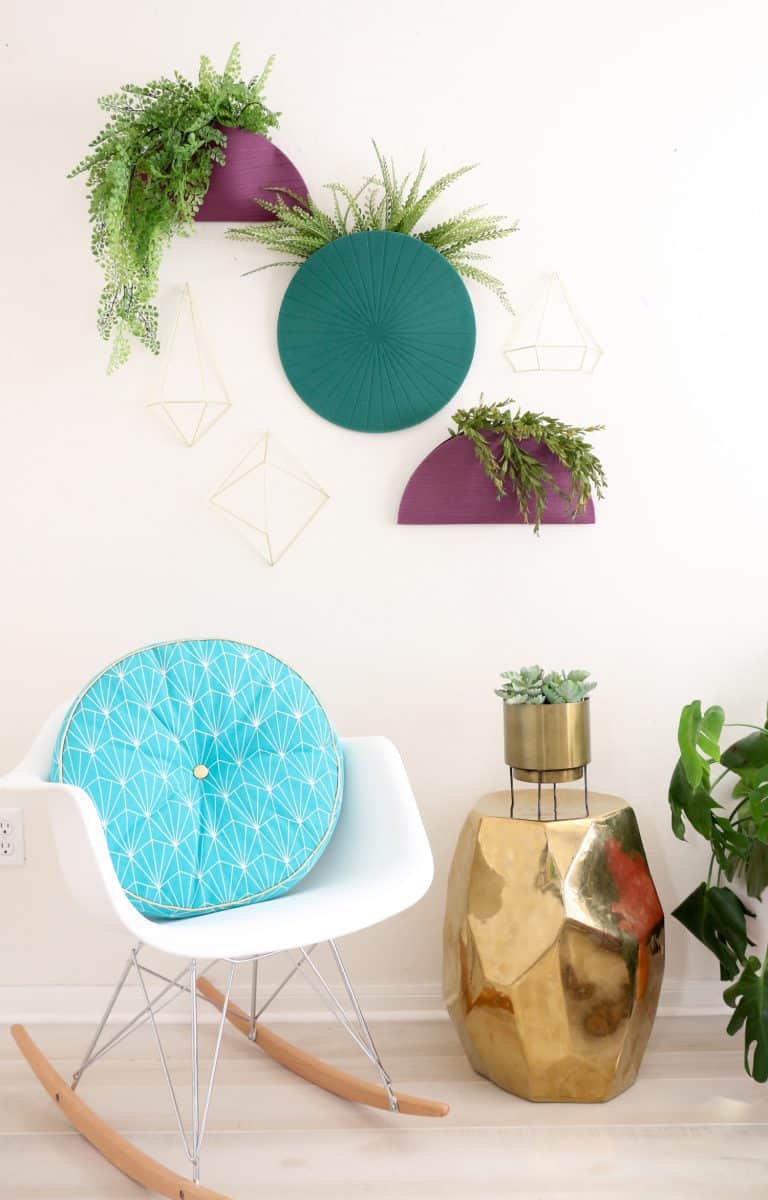

Transform Your Placemats into Charming Hanging Planters: A Comprehensive Guide
Repurposing household items for decorative and functional purposes is a sustainable and cost-effective approach to interior design and gardening. Placemats, often overlooked once their primary dining function is complete, offer a surprisingly versatile canvas for transformation into unique hanging planters. This guide provides a detailed, SEO-friendly exploration of how to repurpose various types of placemats into eye-catching hanging planters, catering to different skill levels and aesthetic preferences. We will delve into material considerations, design possibilities, essential tools, step-by-step instructions, and tips for successful plant selection and care.
The core principle behind turning placemats into hanging planters lies in creating a contained vessel that can hold soil and a plant, while also incorporating a mechanism for suspension. The inherent structure of many placemats, particularly those made from woven materials, cork, or rigid plastic, lends itself well to this conversion. The key is to reinforce the placemat, create a waterproof barrier, and attach a robust hanging system. The aesthetic of the final planter will be heavily influenced by the original placemat’s material, color, pattern, and texture, offering a wide range of stylistic outcomes from rustic and bohemian to modern and minimalist.
For woven placemats, such as those made from rattan, jute, seagrass, or straw, the process typically involves reinforcing the weave to prevent soil leakage and adding a lining to protect against moisture. These natural materials offer a warm, organic feel, perfect for bohemian or farmhouse-inspired decor. The weaving itself can be a decorative element, adding texture and visual interest to the hanging planter. Consider placemats with tighter weaves for better inherent containment, though even looser weaves can be successfully adapted with proper reinforcement. The natural fibers also offer breathability, which can be beneficial for certain plant species.
Cork placemats present a different set of advantages. Cork is naturally water-resistant and somewhat flexible, making it an excellent base for a hanging planter. Its distinctive texture adds a unique visual appeal. Cork placemats can be easily cut and shaped, allowing for more intricate designs if desired. Their lightweight nature also makes them ideal for hanging in areas where weight is a concern. The natural earth tones of cork complement a wide variety of plant colors and foliage.
Rigid or semi-rigid placemats, such as those made from plastic, vinyl, or even thin wood veneers, offer a more structured starting point. These materials often require less reinforcement of the primary structure but will necessitate careful consideration of drainage and waterproofing. Their durability makes them suitable for outdoor or high-moisture environments. The smooth surfaces of plastic or vinyl placemats can be easily decorated or painted to match any interior theme.
The tools and materials required for this project will vary depending on the chosen placemat type and the desired complexity of the planter. However, a general list includes:
- Placemats: The primary material for your project.
- Waterproofing Liner: Options include heavy-duty plastic sheeting (e.g., pond liner, thick garbage bag), plastic plant pot liners, or even repurposed plastic containers.
- Strong Adhesive: Options include waterproof fabric glue, silicone sealant, or hot glue gun (use with caution on heat-sensitive materials).
- Scissors or Craft Knife: For cutting the placemat and liner materials.
- Drill and Drill Bits: For creating drainage holes and holes for the hanging mechanism.
- Hanging Hardware: Strong cord, twine, rope, macrame cord, leather strips, or metal chains.
- Eye Hooks or Screw Hooks: For attaching the hanging cords to the planter and the ceiling/wall.
- Optional Decorative Elements: Paint, stencils, decorative cords, beads, artificial foliage.
- Soil: Appropriate potting mix for your chosen plants.
- Plants: Small to medium-sized plants suitable for hanging planters.
Let’s outline a general step-by-step process applicable to most placemat types, with specific considerations for each.
Step 1: Prepare the Placemat
Begin by cleaning your chosen placemats thoroughly. For woven materials, gently brush off any dust or debris. For plastic or vinyl, wipe them down with a damp cloth. Inspect the placemat for any damage that might compromise its structural integrity. If the placemat is exceptionally stiff or prone to fraying (like some natural fibers), you might consider applying a fabric stiffener to the underside for added rigidity.
Step 2: Create the Waterproof Liner
This is a critical step to prevent water damage to your walls or furniture and to ensure the longevity of your planter.
-
For Woven Placemats: Place the placemat flat. Cut a piece of heavy-duty plastic sheeting that is slightly larger than the placemat. You want enough excess to fold over the edges and secure it. Position the plastic liner on the underside of the placemat. Carefully fold the edges of the plastic liner up and over the edges of the placemat, creating a neat seam. Secure the liner to the placemat using a strong, waterproof adhesive. For woven materials, fabric glue or silicone sealant are excellent choices. Ensure a continuous seal around the entire perimeter. You can also create a "pouch" by cutting two pieces of plastic, sewing or gluing them together along three sides, and then inserting the placemat within the pouch. This is a more robust waterproofing method.
-
For Cork Placemats: Cork is naturally water-resistant, but a liner is still recommended for prolonged exposure to moisture. Cut a piece of plastic liner that will fit snugly inside the cork placemat, forming a cup shape. Alternatively, you can apply a waterproof sealant to the underside and edges of the cork placemat itself, allowing it to dry completely. If you are cutting and shaping cork, ensure all cut edges are sealed.
-
For Rigid/Semi-Rigid Placemats: These may require less extensive lining. You can cut a plastic insert to fit inside the placemat, creating a barrier between the soil and the placemat material. Alternatively, if the placemat is made of a material that doesn’t degrade with moisture (like some plastics), you can simply ensure good drainage and seal any seams or holes.
Step 3: Create Drainage Holes
Proper drainage is essential for plant health. Without it, roots can rot.
- For all placemat types: Once the liner is secured and dry, carefully turn the placemat over. Using a drill with an appropriate drill bit (slightly larger than you’d use for a standard pot, to ensure water flows freely), drill several holes in the bottom of the placemat. Aim for at least 3-5 holes, evenly spaced. If you are using a rigid placemat with a separate plastic liner, drill holes through both the placemat and the liner. If you’ve created a plastic pouch, drill holes only through the bottom of the pouch. Be mindful of the placemat’s material when drilling – go slowly to avoid cracking or tearing.
Step 4: Attach the Hanging Mechanism
This step determines how your planter will be suspended. The strength and stability of your attachment points are crucial.
-
For Woven/Cork Placemats: Identify sturdy points on the placemat where you can securely attach hanging cords. These are often the corners or along the edges, especially if the placemat has a reinforced border. You can drill small holes through the placemat and the secured liner. Alternatively, you can wrap strong cord or twine around sturdy sections of the weave or cork.
-
For Rigid/Semi-Rigid Placemats: Drilling holes is generally the most secure method. Drill holes near the corners or along the edges, ensuring they are large enough for your chosen hanging material to pass through.
Once you have your attachment points, thread your chosen hanging material (cord, twine, rope, etc.) through the holes. You can opt for a simple three or four-point suspension system.
-
Three-Point Suspension: This creates a stable, triangular hang. Thread cords through three evenly spaced points. Gather the cords at the top and tie a secure knot, leaving a loop for hanging.
-
Four-Point Suspension: This offers even more stability. Thread cords through four evenly spaced points, usually the corners. Gather the cords at the top and tie a secure knot with a loop.
-
Macrame Style: For a more decorative approach, you can create a macrame hanger that cradles the placemat. This involves creating a net or cage-like structure with cords that supports the bottom of the placemat. You will need to secure the top of the macrame to a central hanging point.
Ensure that the hanging cords are robust enough to support the weight of the placemat, soil, plant, and water. Test the strength of your knots and attachments before filling the planter.
Step 5: Decorate (Optional)
This is where you can personalize your hanging planter.
- Painting: Use acrylic paints suitable for the placemat material. Stencils can be used for intricate designs. Ensure paints are non-toxic if you are using live plants.
- Adding Embellishments: Glue on beads, shells, or other decorative elements.
- Wrapping: Wrap the planter with decorative twine, yarn, or fabric strips for added texture and color.
- Faux Foliage: For a no-maintenance option, you can add artificial plants or flowers to the finished planter.
Step 6: Planting
With your planter constructed and decorated, it’s time to add your plants.
- Add a Drainage Layer (Optional but Recommended): For added drainage, you can place a thin layer of gravel, pebbles, or broken pottery shards at the bottom of the planter, on top of the liner. This helps prevent waterlogging.
- Add Soil: Fill the planter with an appropriate potting mix for your chosen plants. Do not overfill; leave some space at the top for watering.
- Introduce Your Plant: Gently remove your plant from its nursery pot. If the roots are tightly bound, gently loosen them. Place the plant in the center of the planter and fill in around it with more soil, firming it gently.
- Water Thoroughly: Water your plant until water drains from the drainage holes. This helps settle the soil and remove any air pockets.
Plant Selection for Placemat Planters
The size and type of placemat will influence the plants you can grow. Smaller placemats are best suited for:
- Succulents and Cacti: These drought-tolerant plants are ideal for hanging planters as they require minimal watering and have shallow root systems.
- Small Herbs: Mint, thyme, oregano, and chives can thrive in hanging planters if they receive adequate sunlight.
- Air Plants (Tillandsia): These unique plants don’t require soil and can be simply nestled into the planter for a striking display.
- Trailing Plants: Pothos, ivy, and spider plants add a lush, cascading effect to hanging planters.
For larger placemats, you can consider:
- Small Flowering Plants: Geraniums, petunias, or impatiens can add a splash of color.
- Ferns: Varieties like Boston fern or maidenhair fern can create a tropical feel, provided they receive consistent moisture and humidity.
Placement and Care
- Sunlight: Choose a location that provides the appropriate amount of sunlight for your selected plants.
- Watering: Monitor the soil moisture regularly. Hanging planters can dry out more quickly than traditional pots, especially in warm or windy conditions. Water when the top inch of soil feels dry.
- Fertilizing: Feed your plants with a balanced liquid fertilizer during their growing season, following the product’s instructions.
- Pruning: Regularly prune your plants to maintain their shape and encourage new growth.
- Pest Control: Inspect your plants for any signs of pests and address them promptly with appropriate organic or chemical treatments.
Troubleshooting Common Issues
- Soil Leakage: If you notice soil escaping from the planter, reinforce the liner with more adhesive or consider adding a secondary, tighter-fitting liner.
- Deterioration of Woven Materials: Natural fibers can eventually degrade. For woven placemats, consider using a more robust waterproof lining or a sealant to extend their lifespan. Regularly inspect the structural integrity.
- Plants Wilting: This could be due to overwatering, underwatering, or insufficient sunlight. Assess your watering habits and the planter’s location.
- Hanging Mechanism Failing: If the hanging mechanism shows signs of wear or stress, reinforce it with stronger materials or reattach it securely.
By following these detailed instructions, you can transform ordinary placemats into beautiful and functional hanging planters, adding a touch of handmade charm and greenery to your living spaces. The SEO benefits of this topic lie in its appeal to DIY enthusiasts, gardeners, home decorators, and individuals interested in upcycling and sustainable practices. Keywords such as "DIY hanging planter," "placemat crafts," "upcycled planters," "how to make hanging baskets," and "indoor plant decor" are highly relevant and will attract a broad audience. The comprehensiveness of this guide, covering material choices, techniques, plant selection, and care, ensures it serves as a valuable resource for anyone looking to embark on this creative project.

