Stripes and Dots Elsie’s Washer-Dryer Makeover: A Comprehensive Guide to a Chic Laundry Room Transformation
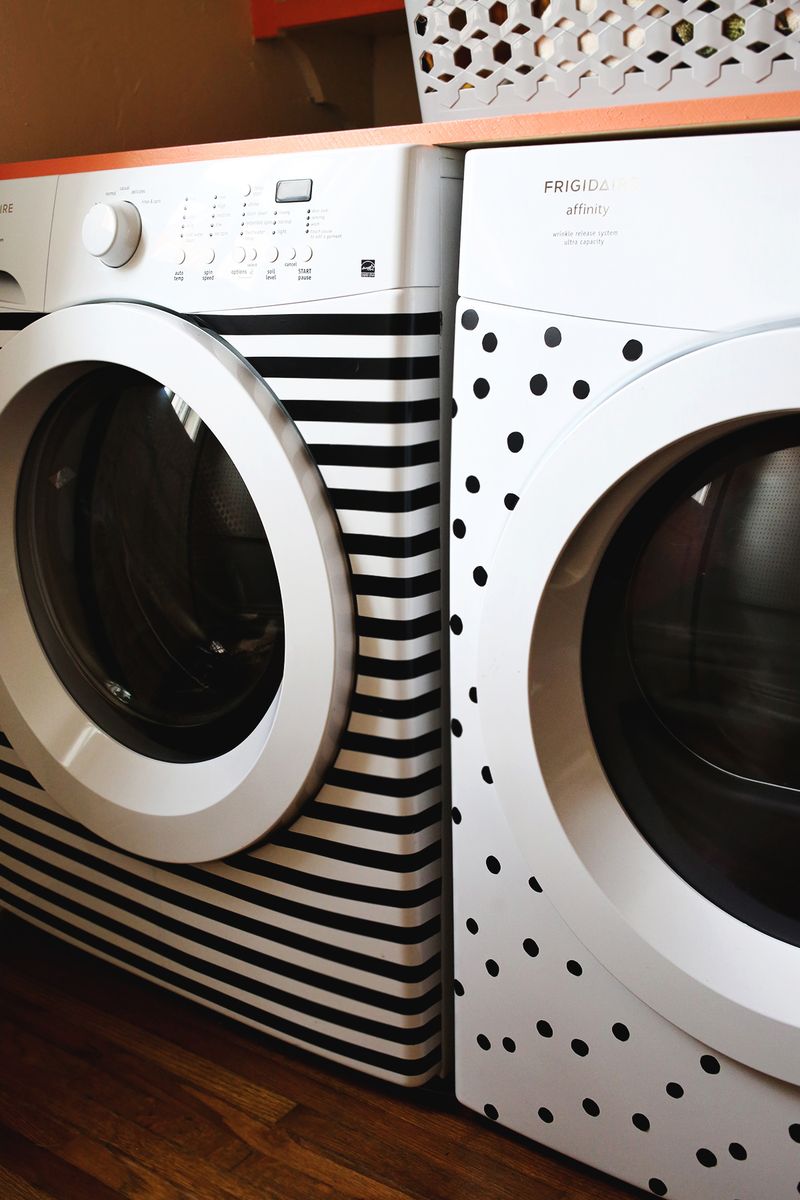
The humble laundry room, often relegated to a forgotten corner or a utilitarian space, is ripe for transformation. Elsie, recognizing the potential for style and personality in even the most functional areas of her home, embarked on an ambitious washer-dryer makeover, opting for a bold and playful stripes and dots theme. This comprehensive guide details the process, from initial concept to final execution, offering insights and practical advice for anyone looking to inject personality into their laundry space. The objective was not merely to refresh the appliances but to create a cohesive, visually engaging environment that elevates the chore of laundry into a more enjoyable experience. This transformation serves as a testament to the power of strategic design choices and the impact of personalized touches.
Conceptualizing the Stripes and Dots Aesthetic
The core of Elsie’s vision revolved around the dynamic interplay of stripes and dots. This seemingly simple geometric pairing offers a wealth of design possibilities, capable of conveying both classic elegance and whimsical charm. The initial brainstorming phase involved exploring various color palettes and patterns. Elsie considered monochromatic schemes, such as black and white stripes with white dots, or navy and cream stripes with gold accents. However, she ultimately gravitated towards a more vibrant and unexpected combination. She decided on a base of a crisp, clean white for the washer and dryer themselves, providing a neutral canvas. The stripes would be introduced through a bold, yet not overwhelming, shade of teal. For the dots, a playful pop of sunny yellow was chosen, creating a delightful contrast that infused the space with energy. The scale of both the stripes and dots was crucial. Elsie opted for medium-width stripes to avoid them becoming too busy, and irregularly spaced, varied-sized dots to add an element of organic charm rather than a rigid, manufactured feel. This thoughtful consideration of scale and color ensured the final aesthetic would be impactful without being visually chaotic. The goal was to achieve a balanced composition where the stripes and dots complemented each other, creating a harmonious yet exciting visual experience. The selection process was iterative, involving sketching out ideas and visualizing them in the context of the existing laundry room. The chosen colors were specifically selected for their ability to evoke a sense of cheerfulness and cleanliness, qualities highly desirable in a laundry environment.
The Preparation and Application Process: Stripes
Transforming the plain white washer and dryer into statement pieces began with meticulous preparation. The appliances, being functional units, required a specific approach to ensure the paint adhered well and the final finish was durable. First, Elsie thoroughly cleaned the surfaces of both the washer and dryer. Any dust, grime, or residual detergent was removed using a degreasing cleaner and a soft cloth. This step is non-negotiable for achieving a smooth, long-lasting paint job. Following the cleaning, a light sanding was undertaken. The goal was not to remove significant amounts of paint but to create a slightly porous surface that would better grip the primer. A fine-grit sandpaper (around 220-grit) was used, and the process was done gently to avoid scratching the original finish. After sanding, the surfaces were wiped down again with a damp cloth to remove any sanding dust, followed by a final wipe with a tack cloth to ensure absolute cleanliness.
The primer choice was critical. Elsie selected a high-quality bonding primer specifically designed for laminate or enamel surfaces. This primer would ensure excellent adhesion and provide a uniform base for the subsequent paint layers. A thin, even coat of primer was applied using a foam roller, minimizing brush strokes and drips. Multiple thin coats are always superior to one thick coat for achieving a smooth finish. After the primer dried completely according to the manufacturer’s instructions, the real magic began: the stripes. For crisp, clean lines, masking tape is essential. Elsie used a high-quality painter’s tape with a strong adhesive that would create a sharp barrier without bleeding. She carefully measured and marked the placement of her teal stripes. Using a spirit level ensured that the stripes were perfectly straight and parallel. The tape was pressed down firmly along the edges to create a sealed barrier.
The chosen paint was a durable enamel paint, formulated for appliances or high-traffic surfaces. This type of paint offers excellent durability and resistance to moisture and cleaning agents, crucial for a laundry room. Elsie applied the teal paint in thin, even coats using a small foam roller. Again, multiple thin coats were preferred over fewer thick ones to prevent drips and achieve a smooth, professional finish. After each coat of teal paint dried to the touch, she carefully applied a second layer of masking tape along the other edge of the stripe, effectively creating a new masked-off area for the next section of white. This painstaking process of taping, painting, drying, and re-taping was repeated until all the teal stripes were complete. The patience required for this stage cannot be overstated, as a single slip-up with the tape could compromise the entire design. The result of this meticulous effort was a set of beautifully defined, sharp teal stripes gracing the white appliance surfaces.
The Application Process: Dots
Once the teal stripes were fully dried and the masking tape was carefully removed, the next step was to introduce the sunny yellow dots. The approach to applying the dots was slightly different, focusing on creating an organic and playful scatter rather than a rigid grid. Elsie decided against using masking tape for the dots, as this would create a more uniform and potentially less charming effect. Instead, she opted for a technique that allowed for a more freehand application.
The yellow paint was the same durable enamel paint used for the stripes, ensuring consistency in finish and longevity. To achieve the varied sizes and irregular placement, Elsie used a combination of methods. For some of the larger dots, she used the end of a small paintbrush, dipping it into the paint and dabbing it onto the surface. This created a slightly raised, circular effect. For the smaller dots, she used a fine-tipped artist’s brush, carefully creating small, round marks. Another effective technique involved using a stencil. Elsie created a few simple circular stencils of varying diameters from cardstock. She would hold the stencil in place and lightly dab paint over the opening with a small sponge or a dauber, creating a consistent dot. This method was particularly useful for achieving a cluster of dots in a specific area.
The placement of the dots was intentionally haphazard. Elsie didn’t plan a strict pattern. She would step back, assess the area, and then apply a dot where it felt visually appealing. Some areas received a denser scattering of dots, while others had more space. This organic approach prevented the design from feeling too uniform or manufactured, contributing to its whimsical charm. The varied sizes of the dots, from coin-sized to pea-sized, added further depth and visual interest. She paid attention to the negative space, ensuring that the dots didn’t overwhelm the stripes or the base white color. The objective was to create a playful dance of shapes and colors across the appliance surfaces. The final touch involved inspecting each dot, ensuring clean edges and consistent coverage. Any minor imperfections were carefully touched up with a fine brush.
Finishing Touches and Complementary Elements
The washer-dryer makeover was just the centerpiece of Elsie’s laundry room transformation. To create a cohesive and stylish space, several complementary elements were incorporated. The walls were painted a soft, complementary shade of light grey, providing a neutral backdrop that allowed the vibrant stripes and dots of the appliances to truly pop. Above the washer and dryer, Elsie installed a simple floating shelf. This shelf was painted the same sunny yellow as the dots, tying in the accent color and providing a practical surface for storing frequently used laundry essentials like detergent pods, fabric softener, and laundry baskets.
To enhance the aesthetic further, Elsie added a few decorative touches. She hung a framed piece of abstract art featuring bold geometric shapes in blues and yellows, echoing the color palette of the appliances and reinforcing the theme. A small, potted plant with vibrant green leaves was placed on the shelf, bringing a touch of nature into the space and contrasting with the geometric designs. For practical yet stylish storage, Elsie invested in a set of woven seagrass baskets. These baskets were not only functional for storing laundry but also added a natural texture and warmth to the room, softening the bold geometric elements. She also added a small, striped rug in front of the washer and dryer, providing comfort underfoot and further emphasizing the stripe motif. The lighting was also considered. Elsie replaced the standard ceiling fixture with a more decorative pendant light that cast a warm, inviting glow.
The Impact and SEO Considerations
Elsie’s stripes and dots washer-dryer makeover is a prime example of how creative DIY projects can elevate everyday spaces. The transformation not only adds significant visual appeal but also imbues the laundry room with a sense of personality and joy. This project is highly searchable for a variety of keywords, including:
- "DIY laundry room makeover": This is a broad but highly relevant search term.
- "Washer and dryer painting ideas": Directly addresses the core of the makeover.
- "Striped appliance makeover": Specific to the stripe element.
- "Polka dot appliance makeover": Specific to the dot element.
- "Geometric laundry room design": Captures the overall aesthetic.
- "Colorful appliance makeover": Highlights the vibrant color choices.
- "How to paint appliances": For those seeking practical instructions.
- "Chic laundry room ideas": For users looking for stylish transformations.
- "Fun laundry room decor": Appeals to those seeking a less conventional approach.
- "Teal and yellow laundry room": Specific color combinations are often searched.
- "Appliance stencil ideas": For those interested in the dot application technique.
- "Laundry room refresh on a budget": Implies a cost-effective approach, which DIY projects often are.
- "Unique laundry room transformation": Targets users looking for inspiration beyond standard makeovers.
By incorporating these keywords naturally throughout the article, particularly in headings and subheadings, the content becomes more discoverable for users actively searching for laundry room design inspiration and practical DIY guidance. The detailed description of the process, the specific materials used, and the complementary design elements all contribute to a comprehensive resource that answers potential user queries. The inclusion of the "why" behind Elsie’s choices – the desire for personality, joy, and a departure from the utilitarian – adds a narrative element that resonates with readers seeking to personalize their homes. This makes the article not just informative but also inspiring, encouraging readers to embark on their own creative laundry room journeys. The emphasis on preparation, technique, and the selection of appropriate materials provides actionable advice, further enhancing the article’s value and SEO potential. The success of this makeover lies in its ability to demonstrate that even functional appliances can become focal points of stylish design with a little imagination and effort.
