Is Your Exfoliation Routine Damaging Your Skin?
Over-exfoliation, the excessive removal of dead skin cells, is a pervasive and often unrecognized cause of compromised skin barrier function, inflammation, and a host of aesthetic concerns. While exfoliation is a cornerstone of effective skincare, promoting cell turnover, improving texture, and enhancing product penetration, its benefits are contingent on moderation and appropriate technique. The pursuit of smoother, brighter skin can, ironically, lead to a damaged complexion when the delicate balance of skin cell renewal is disrupted. Understanding the signs of over-exfoliation, the underlying mechanisms, and implementing corrective strategies is paramount for safeguarding skin health and achieving optimal results without causing harm.
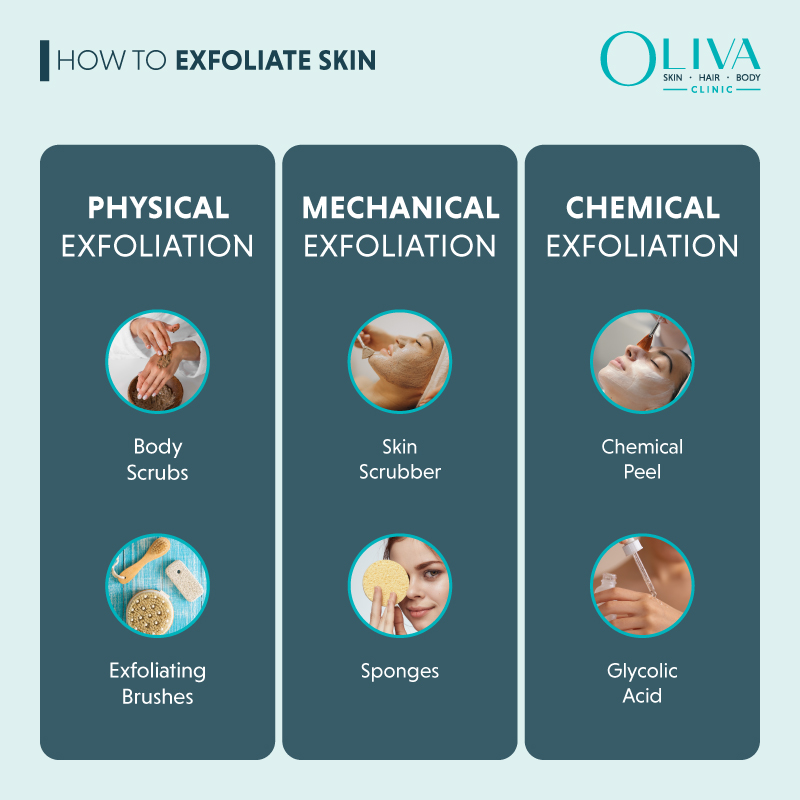
The skin’s outermost layer, the stratum corneum, is a complex, multi-layered structure composed of flattened, dead keratinocytes embedded in a lipid matrix. This barrier serves a critical protective function, preventing transepidermal water loss (TEWL) and acting as a physical and immunological defense against environmental aggressors. The natural process of desquamation, or shedding of dead skin cells, occurs continuously, typically over a cycle of approximately 28 days. Exfoliation, whether chemical or physical, accelerates this process. Chemical exfoliants, such as alpha-hydroxy acids (AHAs) and beta-hydroxy acids (BHAs), work by dissolving the intercellular glue that holds dead skin cells together. Physical exfoliants, ranging from harsh scrubs with large, irregular particles to gentler konjac sponges and soft brushes, abrade the skin’s surface. When performed too frequently, with too high a concentration of active ingredients, or with excessive force, these methods disrupt the integrity of the stratum corneum, compromising its barrier function.
The consequences of over-exfoliation are varied and often insidious, manifesting as a range of visible and perceptible symptoms. Increased skin sensitivity is a primary indicator. This hypersensitivity can present as stinging, burning, or itching sensations upon application of normally tolerated products, or even in response to environmental factors like wind or sun exposure. Redness and inflammation are also common, as the compromised barrier triggers an inflammatory response. This can range from mild flushing to more pronounced erythema, sometimes accompanied by a feeling of heat. Dryness and flakiness, paradoxically, can also emerge. While exfoliation aims to remove dull, dead skin, over-doing it strips away the natural oils and lipids that contribute to skin hydration, leading to a dehydrated and parched appearance. Breakouts, particularly cystic acne, can worsen. The disrupted skin barrier is less adept at fighting off bacteria, creating an environment conducive to acne formation and exacerbating existing blemishes.
Further signs of an over-exfoliated complexion include an increased susceptibility to irritation and allergic reactions. When the skin’s protective shield is weakened, it becomes more permeable to allergens and irritants that it would normally keep at bay. This can lead to the development of contact dermatitis or the exacerbation of pre-existing conditions like rosacea or eczema. A dull and lackluster appearance can also be an unintended outcome. While exfoliation aims to reveal brighter skin, over-exfoliation can damage the newly exposed skin cells before they have fully matured and developed their protective layers, leaving the skin vulnerable and contributing to a sallow tone. A rough, sandpaper-like texture can also develop, as the skin’s surface becomes uneven and compromised. In severe cases, persistent over-exfoliation can lead to post-inflammatory hyperpigmentation (PIH) or hypopigmentation, where areas of the skin become darker or lighter due to the prolonged inflammatory response and subsequent melanin production or disruption.
The types of exfoliants employed significantly influence the risk of over-exfoliation. Physical exfoliants, particularly those with sharp or angular particles like crushed nut shells or fruit pits, are inherently abrasive. Repeated friction from these can cause micro-tears in the skin, damaging the stratum corneum and leading to inflammation and sensitivity. Even gentler physical exfoliants, like micro-beads or finely milled powders, can cause damage if used with excessive pressure or too frequently. Chemical exfoliants, while often more targeted, also carry risks. AHAs, such as glycolic acid and lactic acid, are water-soluble and work on the skin’s surface to loosen the bonds between dead skin cells. Their efficacy is dose-dependent, and higher concentrations or frequent application can lead to irritation and barrier disruption. BHAs, like salicylic acid, are oil-soluble and can penetrate pores to exfoliate from within, making them beneficial for acne-prone skin. However, even salicylic acid can cause dryness and peeling if overused. Over-reliance on potent exfoliants without adequate rest periods for the skin is a direct pathway to an over-exfoliated state.
The frequency of exfoliation is a critical factor in preventing damage. There is no one-size-fits-all answer, as skin type, tolerance, and the specific exfoliating agent all play a role. Generally, individuals with sensitive or dry skin should exfoliate no more than once a week, or even less frequently. Normal to combination skin types may tolerate exfoliation two to three times per week, while oily and acne-prone skin, which can benefit from more frequent exfoliation, might be able to manage up to four times per week, provided they are using appropriate products and monitoring their skin’s response. It is crucial to listen to your skin and adjust the frequency accordingly. If you notice any of the signs of over-exfoliation, it is imperative to reduce or cease exfoliation altogether until the skin has fully recovered.
The concentration of active ingredients in exfoliating products is another significant determinant of risk. Products containing high concentrations of AHAs (e.g., 10% or more glycolic acid) or BHAs should be used with caution and typically less frequently. Beginners should always start with lower concentrations and gradually increase as their skin builds tolerance. Combining multiple exfoliating agents or using several exfoliating products within the same routine can also lead to an overload of active ingredients, overwhelming the skin’s natural repair mechanisms. For example, using a glycolic acid cleanser followed by a salicylic acid serum and a physical scrub in the same week is a recipe for disaster.
The method of application also contributes to the potential for damage. Vigorous scrubbing with physical exfoliants, regardless of the particle size, can cause undue friction and irritation. Gentle, circular motions are recommended when using physical exfoliants, and it is essential to avoid applying excessive pressure. When using chemical exfoliants, following product instructions precisely is vital. Some chemical exfoliants are designed to be rinsed off after a short period, while others are left on the skin. Incorrect application, such as leaving an exfoliating mask on for too long or applying a leave-on serum too frequently, can lead to over-exposure and damage.
Correcting an over-exfoliated skin barrier requires a multi-pronged approach focused on restoring the skin’s natural defenses and providing a period of intense repair. The immediate step is to cease all forms of exfoliation, both physical and chemical, for a significant period. This allows the skin to begin its natural regeneration process without further insult. Reintroducing a gentle, consistent skincare routine is paramount. This routine should prioritize hydration and barrier repair. Look for products containing ceramides, hyaluronic acid, fatty acids, and niacinamide. Ceramides are essential lipids that form the skin’s protective barrier, while hyaluronic acid attracts and retains moisture. Fatty acids help to replenish the skin’s lipid barrier, and niacinamide can help to reduce inflammation and improve barrier function.
Incorporate a gentle, hydrating cleanser into your routine. Avoid harsh, stripping cleansers that can further compromise the skin barrier. Opt for creamy, balm, or oil-based cleansers that effectively remove impurities without stripping the skin of its natural oils. Follow with a soothing, fragrance-free moisturizer that actively supports barrier repair. Look for ingredients like glycerin, shea butter, and colloidal oatmeal. These ingredients help to replenish moisture levels and calm any irritation or inflammation. A hydrating serum containing hyaluronic acid can further boost moisture levels and provide a plumping effect.
Protecting the skin from environmental aggressors is also crucial during the recovery phase. Sunscreen is non-negotiable. Over-exfoliated skin is more susceptible to sun damage and post-inflammatory hyperpigmentation. Apply a broad-spectrum SPF 30 or higher daily, even on cloudy days. Avoid prolonged exposure to harsh weather conditions, such as extreme heat or cold, which can further stress the compromised skin barrier.
Reintroducing exfoliation should be done with extreme caution and only after the skin has shown significant signs of recovery, which can take several weeks or even months. When you are ready to reintroduce exfoliation, start with the gentlest forms available. Consider a very mild enzyme exfoliant or a low-concentration lactic acid product applied once a week. Pay close attention to your skin’s reaction. If you experience any stinging, burning, or increased redness, discontinue use immediately and give your skin more time to heal. Gradually increase the frequency and strength of your exfoliants only as your skin demonstrates consistent tolerance.
Preventing over-exfoliation in the first place involves a proactive and informed approach to skincare. Understand your skin type and its unique needs. If you have sensitive, dry, or reactive skin, err on the side of caution with exfoliation. Choose exfoliating products wisely, opting for those with a lower concentration of active ingredients or gentler physical exfoliating agents. Read ingredient lists carefully and be aware of the potency of the exfoliants you are using. Diversify your exfoliation methods. Instead of relying solely on one type of exfoliant, consider rotating between different gentle methods. For example, use a chemical exfoliant one night and a gentle physical exfoliant once a week.
Patch testing new exfoliating products is a critical preventative measure. Apply a small amount of the product to an inconspicuous area of skin, such as behind the ear or on the inner forearm, and wait 24-48 hours to observe for any adverse reactions. This can help identify potential sensitivities before applying the product to your entire face. Educate yourself on the different types of exfoliants and their mechanisms of action. Understanding how AHAs, BHAs, and enzymes work will empower you to make informed choices about your skincare routine.
Listen to your skin. This is the most vital piece of advice. Your skin will communicate its needs, but only if you are paying attention. If your skin feels tight, dry, red, or sensitive, it is a sign that you may be overdoing it with exfoliation. Do not push through discomfort in pursuit of perceived results. Prioritize skin barrier health above all else. A healthy skin barrier is the foundation for all other skin concerns. When the barrier is compromised, all other treatments and products will be less effective and potentially irritating.
Seek professional guidance if you are unsure about your exfoliation routine or if you suspect you have over-exfoliated your skin. A dermatologist or licensed esthetician can assess your skin’s condition, recommend appropriate exfoliating treatments, and develop a personalized skincare plan that prioritizes skin health and minimizes the risk of damage. They can also help diagnose and treat any underlying skin conditions that may be exacerbated by improper exfoliation. Ultimately, achieving healthy, radiant skin is a marathon, not a sprint, and sustainable results are built on a foundation of gentle, consistent, and informed skincare practices.

