Lavender Vanilla Cupcakes: An Aromatic and Flavorful Delight
Lavender vanilla cupcakes represent a sophisticated fusion of delicate floral notes and comforting, classic sweetness, creating a treat that is both visually appealing and tantalizing to the palate. The inherent calming properties of lavender, often associated with aromatherapy and relaxation, are beautifully balanced by the warm, familiar embrace of vanilla. This pairing transcends the ordinary, elevating the humble cupcake into an experience. The subtle perfume of lavender, when expertly incorporated, doesn’t overwhelm but rather whispers its presence, adding layers of complexity to the familiar sweetness of vanilla. The result is a confection that appeals to a wide range of tastes, from those seeking an adventurous flavor profile to those who appreciate the nuanced elegance of well-executed classics. Crafting these cupcakes involves a thoughtful approach to ingredient selection and technique, ensuring that each bite delivers a harmonious blend of aroma and taste. The visual appeal is also a significant factor; the gentle purple hue imparted by lavender, often accentuated with edible flowers or a delicate dusting of lavender sugar, makes these cupcakes a showstopper for any occasion. From intimate gatherings to elegant celebrations, lavender vanilla cupcakes offer a unique and memorable dessert option that is sure to impress. Their versatility allows them to be adapted for various dietary needs, further enhancing their appeal.
The foundation of any exceptional cupcake lies in the quality of its ingredients, and for lavender vanilla cupcakes, this principle is paramount. The flour, typically a bleached all-purpose variety, provides the structural integrity. However, for a lighter, more tender crumb, cake flour can be substituted, often at a 1:1 ratio or slightly less, depending on the desired density. The leavening agents, baking powder and baking soda, work in tandem to create that characteristic lift and airy texture. The fat component, usually unsalted butter, contributes richness and moisture. For a slightly different flavor profile or to cater to dairy-free preferences, options like refined coconut oil or a high-quality vegetable oil can be employed, though the flavor nuances will shift. The eggs, acting as binders and enrichers, contribute to the overall structure and emulsification of the batter. Granulated sugar provides sweetness and aids in the browning process. The star flavors, lavender and vanilla, require careful consideration. For the lavender, culinary-grade dried lavender buds are essential. Not all lavender is suitable for consumption; it’s crucial to source varieties specifically grown for culinary use, such as Lavandula angustifolia (English lavender), which possesses a sweeter, less medicinal flavor. These buds can be infused into milk or butter, or finely ground and incorporated directly into the dry ingredients. The vanilla extract should be a pure, high-quality variety. Vanilla bean paste or a scraped vanilla bean can offer an even more intense and nuanced vanilla flavor, flecked with its characteristic dark specks, adding visual interest and a premium touch. Whole milk or buttermilk contributes moisture and a subtle tang, with buttermilk often yielding a more tender crumb due to its acidity reacting with the baking soda.
The process of infusing the lavender is a critical step in achieving the desired flavor without an overwhelming, soapy aftertaste. One effective method involves steeping culinary-grade dried lavender buds in warm milk or cream. The ratio of lavender to liquid is key; typically, one to two tablespoons of dried lavender per cup of milk is sufficient. The mixture is gently heated and allowed to steep for a period of 15-30 minutes, depending on the intensity of the lavender flavor desired. It’s important to avoid boiling the milk, as this can scald the lavender and develop a bitter taste. After steeping, the milk is strained thoroughly through a fine-mesh sieve or cheesecloth to remove all the lavender buds. This infused milk then replaces the liquid component in the cupcake batter. Another approach is to finely grind the dried lavender buds into a powder using a spice grinder or mortar and pestle. This powder can then be incorporated directly into the dry ingredients of the cupcake batter. This method requires meticulous grinding to ensure no tough pieces remain and a precise measurement to avoid over-powering the delicate flavors. The fineness of the grind will directly impact the distribution of the lavender flavor throughout the cupcake. For those seeking a bolder lavender presence, a combination of infusion and direct incorporation can be explored, but always with caution and incremental additions. The quality of the vanilla extract also plays a significant role. A good quality pure vanilla extract will impart a warm, sweet, and complex aroma that complements the floral notes of the lavender. Using fresh vanilla bean paste or a scraped vanilla bean will elevate the flavor profile even further, offering a more pronounced and authentic vanilla taste. The goal is a harmonious balance where neither the lavender nor the vanilla dominates, but rather they dance together on the palate.
The method for preparing the cupcake batter typically follows the creaming method, a technique that ensures a light and tender texture. Unsalted butter, softened to room temperature, is creamed with granulated sugar until light, fluffy, and pale in color. This process incorporates air into the butter and sugar mixture, which contributes to the cupcake’s rise and airy crumb. The eggs are then added one at a time, beating well after each addition to ensure they are fully incorporated. Vanilla extract is added at this stage to distribute its flavor evenly throughout the batter. In a separate bowl, the dry ingredients – flour, baking powder, baking soda, and salt – are whisked together. If finely ground lavender is being used, it would be incorporated into this dry mixture. The wet ingredients, typically the infused lavender milk (cooled to room temperature) and buttermilk, are combined. The batter is then built by alternately adding the dry and wet ingredients to the creamed butter and sugar mixture, beginning and ending with the dry ingredients. This alternating addition helps to prevent overmixing, which can develop the gluten in the flour and result in tough cupcakes. Mix just until combined; a few small lumps are acceptable. Overmixing is the enemy of tender cupcakes. The batter should be of a consistency that falls from a spoon in thick ribbons.
Baking the lavender vanilla cupcakes requires precision in temperature and time. The oven should be preheated to the specified temperature, typically around 350°F (175°C). Lining the cupcake tins with paper liners is essential for easy removal and presentation. Filling the liners about two-thirds full ensures that the cupcakes rise without overflowing. Overfilling can lead to domes that bake unevenly or spill over. The baking time will vary depending on the size of the cupcakes and the specific oven, but typically ranges from 18 to 24 minutes. A key indicator of doneness is when a wooden skewer or toothpick inserted into the center of a cupcake comes out clean, with no wet batter attached. The cupcakes should also spring back gently when lightly touched on the top. Overbaking is a common pitfall that leads to dry, crumbly cupcakes, so it’s crucial to monitor them closely. Once baked, the cupcakes should be removed from the tin immediately and transferred to a wire rack to cool completely. This prevents them from continuing to cook in the hot tin and ensures that the bottoms don’t become soggy. Allowing them to cool completely before frosting is vital; frosting a warm cupcake will result in melted, messy frosting.
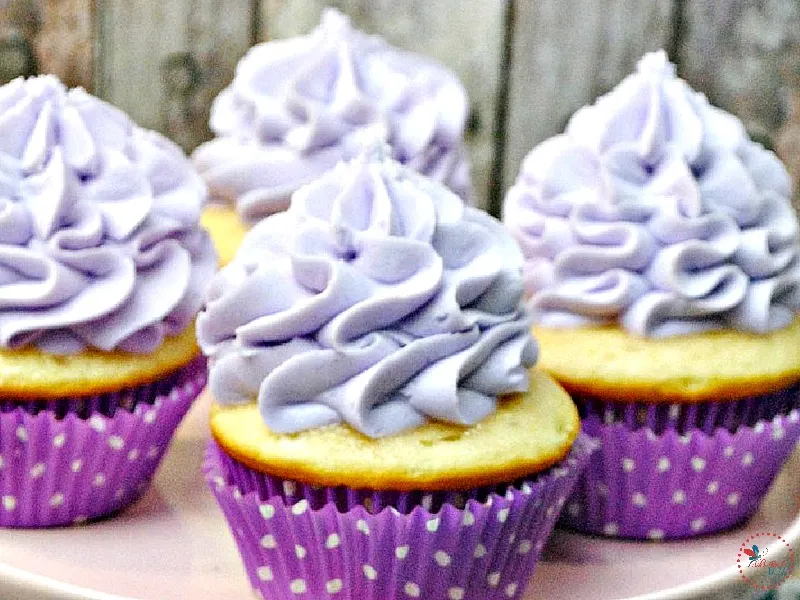
The frosting for lavender vanilla cupcakes should complement, not compete with, the delicate flavors of the cake. A classic vanilla buttercream is a popular choice, its familiar sweetness providing a comforting counterpoint to the floral notes. However, variations can enhance the overall experience. A lavender buttercream can be achieved by steeping lavender buds in cream or milk that is then used to create the buttercream, or by incorporating a small amount of finely ground lavender into the frosting base. Again, moderation is key to avoid an overwhelming flavor. A lavender-infused simple syrup brushed onto the cooled cupcakes before frosting can add an extra layer of moisture and subtle lavender aroma. Cream cheese frosting offers a slightly tangy contrast that can balance the sweetness of the cake and frosting. For a lighter option, a whipped cream frosting, perhaps infused with vanilla bean paste, can provide a delicate and airy topping. Edible lavender buds or a light dusting of lavender sugar can be used as decorative elements, visually reinforcing the flavor profile. The color of the frosting can also be adjusted; a subtle lavender hue, achieved with a tiny amount of food coloring or by using the lavender-infused liquid in the frosting, can create a beautiful aesthetic. The texture of the frosting is also important; it should be smooth, spreadable, and rich enough to hold its shape.
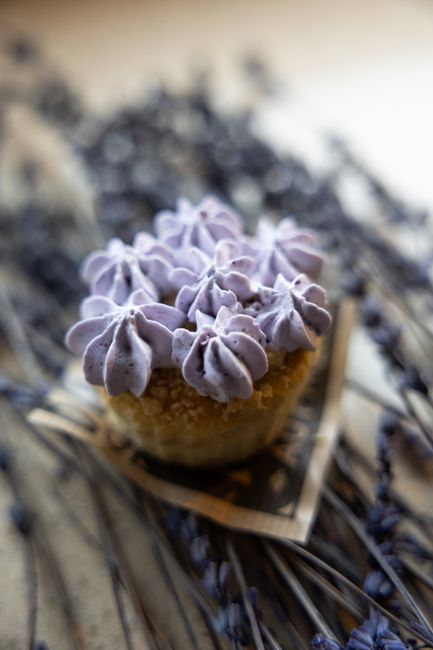
Beyond the basic recipe, several considerations can elevate lavender vanilla cupcakes. For those with dietary restrictions, gluten-free flour blends can be successfully substituted, though they may require adjustments to liquid content and baking time. Dairy-free options can be achieved using plant-based milks, vegan butter substitutes, and oil instead of butter. The type of vanilla used can significantly impact the flavor. While pure vanilla extract is excellent, vanilla bean paste offers visible vanilla bean flecks and a more intense flavor. Experimenting with different types of culinary lavender can also yield subtle variations in aroma and taste. Some varieties are more pungent than others. The presentation is also a key element. Edible flowers, such as fresh lavender sprigs or viola petals, can add a touch of natural elegance. A light dusting of powdered sugar or a delicate swirl of frosting can be further enhanced with a few strategically placed dried lavender buds. For a more impactful visual, consider using a piping bag with a decorative tip to create intricate frosting designs. The aroma of the cupcakes themselves contributes to the overall sensory experience, so it’s often best to frost them shortly before serving.
The culinary application of lavender has a long and rich history, spanning various cultures and cuisines. Historically, lavender has been used for its aromatic properties, often in potpourri and perfumes. Its medicinal uses include calming anxiety and aiding sleep. In the culinary realm, it has found its way into teas, syrups, and baked goods. The key to successful culinary lavender use lies in understanding its potent flavor profile and employing it judiciously. Overuse can result in a soapy or medicinal taste, which is generally undesirable in desserts. Therefore, recipes often call for small quantities of dried lavender, or it is infused into liquids to extract its essence more subtly. The pairing with vanilla is a natural fit, as vanilla’s warm sweetness provides a grounding element that balances lavender’s more ethereal notes. This combination is also seen in other desserts, such as lavender vanilla ice cream and lavender vanilla shortbread. The subtle complexity of lavender also pairs well with citrus notes, such as lemon or orange zest, which can be incorporated into the cupcake batter or frosting to add another layer of brightness. The texture of the cake itself is also crucial. A light, airy crumb will allow the delicate flavors to shine through, whereas a dense cake can mute them. Techniques like sifting dry ingredients and avoiding overmixing the batter are essential for achieving this desired texture. The careful balance of sweetness, floral aroma, and comforting vanilla makes lavender vanilla cupcakes a truly unique and delightful treat.
The appeal of lavender vanilla cupcakes extends beyond their flavor and aroma. Their aesthetic qualities make them a popular choice for special occasions. The natural purple hue of lavender, even when subtle, adds a touch of elegance and sophistication. This can be further enhanced with food coloring, creating a more vibrant visual. Edible flowers, such as fresh lavender sprigs or pansies, can be used as garnishes, adding a natural and beautiful touch. The textural contrast between the soft, moist cake and the smooth, creamy frosting also contributes to the overall enjoyment of these cupcakes. When considering variations, the possibilities are vast. Adding a hint of lemon zest to the batter can brighten the floral notes of the lavender and provide a refreshing counterpoint to the vanilla. A drizzle of honey over the finished cupcakes can add an extra layer of sweetness and complementary flavor. For a more decadent experience, consider a white chocolate ganache or a lavender-infused caramel sauce as a topping. The use of culinary-grade lavender is paramount; it’s crucial to source lavender specifically grown for consumption, as other varieties can have a medicinal or bitter taste. Proper storage of dried lavender is also important to maintain its fragrance and flavor. It should be stored in an airtight container in a cool, dark place. When infusing lavender, using fresh or properly dried buds will yield the best results. The careful selection and preparation of ingredients, combined with precise baking techniques, are the cornerstones of creating truly exceptional lavender vanilla cupcakes. These cupcakes are not just a dessert; they are an experience, engaging multiple senses and offering a sophisticated yet comforting indulgence.

